
Seasonal Clothing Guide for Living in Japan

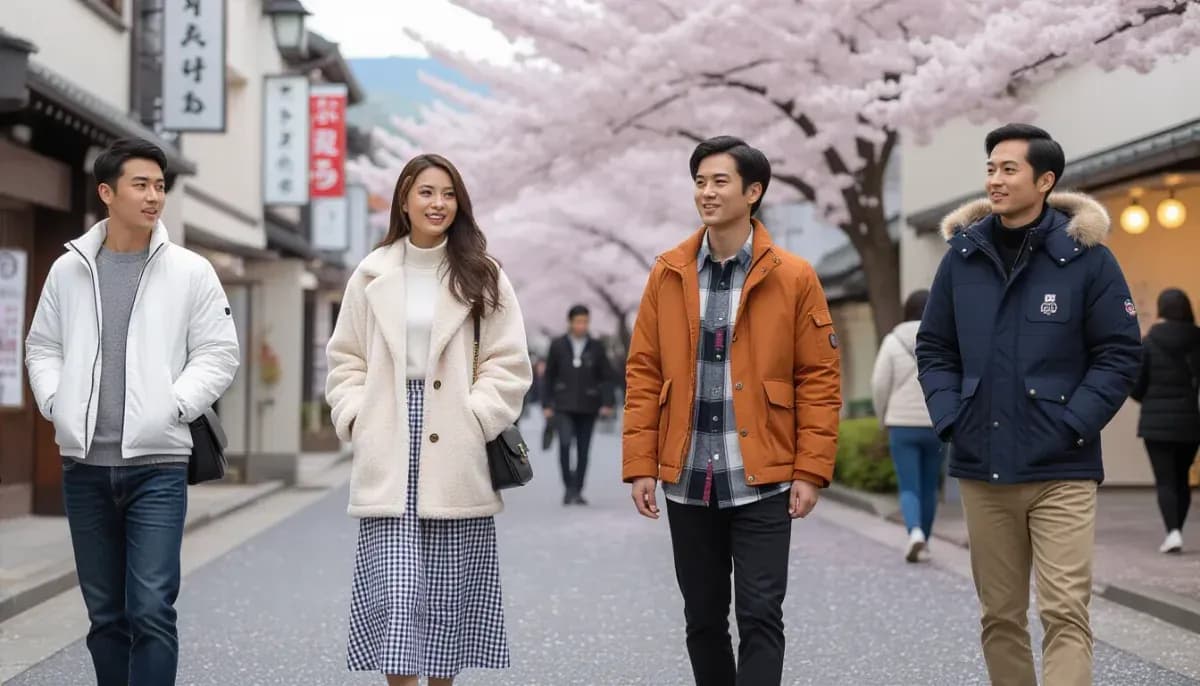
Complete seasonal clothing guide for foreigners living in Japan. Learn what to wear in spring, summer, rainy season, autumn, and winter with month-by-month tips and shopping advice.
Seasonal Clothing Guide for Living in Japan: What to Wear All Year
Moving to Japan means adapting to a country with four truly distinct seasons — each demanding a completely different wardrobe. Unlike some countries where "seasonal change" is subtle, Japan swings from humid 35°C summers to snowy winters below 0°C in the north. As a foreigner living in Japan, understanding what to wear each season isn't just about comfort — it affects how you're perceived socially, how much you sweat through important meetings, and whether you'll be shivering on the train platform in February.
This guide covers everything you need to know about dressing for Japan's seasons: temperature ranges, recommended clothing by month, Japan-specific tips, and how to shop smartly once you arrive.
!Seasonal clothing in Japan - foreigner wardrobe guide

Understanding Japan's Four Seasons (and Rainy Season)
Japan officially has four seasons, but experienced residents know there are really five distinct phases to dress for:
- Spring (March–May) — Warming but unpredictable
- Rainy Season / Tsuyu (June–mid-July) — Humid and wet
- Summer (mid-July–September) — Hot and intensely humid
- Autumn (October–November) — Comfortable and cooling
- Winter (December–February) — Cold, dry, and sometimes snowy
Regional differences matter significantly. Tokyo and Osaka have a humid subtropical climate, while Hokkaido experiences harsh continental winters with temperatures dropping to -10°C. Okinawa stays warm nearly year-round. Always factor in your specific region when planning your wardrobe.
| Season | Months | Temperature Range | Key Challenge |
|---|---|---|---|
| Spring | March–May | 10–22°C (50–72°F) | Variable temps, pollen |
| Rainy Season | June–mid July | 20–28°C (68–82°F) | Constant humidity, rain |
| Summer | Mid July–Sept | 28–36°C (82–97°F) | Extreme heat and humidity |
| Autumn | Oct–Nov | 10–25°C (50–77°F) | Rapid temperature drops |
| Winter | Dec–Feb | 0–10°C (32–50°F) | Overheated indoors + cold outdoors |
Spring Clothing Guide (March–May)
Spring in Japan is beautiful — cherry blossoms, mild breezes, and pleasant afternoons. But March can still feel like winter in the morning, and May afternoons can surprise you with summer-like heat. Layering is your best friend.
What to wear:
- Light jacket or windbreaker (essential in March and April)
- Long-sleeve shirts as your base layer
- Cardigans or thin sweaters for evenings
- Light trousers or jeans — shorts become appropriate only by late May
- Comfortable walking shoes (waterproof helps during April showers)
Spring-specific tips:
- Japan's hay fever (花粉症, kafunshō) season peaks from late February through April. If you're sensitive to pollen, keep a spare mask and antihistamines handy — this affects many foreigners who never had allergies before.
- Rain is common in April, so a compact folding umbrella is essential.
- By Golden Week (late April to early May), temperatures in Tokyo average 18–22°C and you can comfortably wear a single light layer during the day.
For more on adjusting to seasonal life in Japan, see our Complete Guide to Daily Life in Japan for Foreigners.
Rainy Season & Summer Clothing Guide (June–September)
This is the most challenging clothing season for foreigners used to drier climates. Japan's summer is not just hot — it's humid in a way that makes cotton stick to your skin within minutes of stepping outside. The rainy season (tsuyu) runs approximately from early June to mid-July in most of Honshu.
What to wear in rainy season (June–mid July):
- Lightweight, quick-dry fabrics — avoid heavy cotton
- A compact umbrella (折り畳み傘, oritatami-kasa) you can carry daily
- Waterproof or water-resistant shoes
- Light, breathable layers you can remove easily
What to wear in peak summer (mid-July–September):
- Linen, rayon, or moisture-wicking athletic fabrics
- Short-sleeved shirts and shorts or lightweight trousers
- Sandals or open shoes (though be aware many indoor facilities still require removing shoes)
- A light hat or UV-cut parasol — sun protection is taken seriously in Japan
- Bike shorts or slip shorts under skirts and dresses (prevents painful thigh chafing from humidity)
Cooling essentials Japanese people swear by:
- Hand-held fans (扇子, sensu or 団扇, uchiwa) — free ones are given away at summer festivals
- Cooling towels and portable misters
- UV-cut clothing — Japan has an extensive market for sun-protective fabrics (UPF 50+)
- Insect repellent wristbands or patches — mosquitoes appear in force from July
!Summer clothing essentials for Japan - breathable fabrics and cooling tools

Important note on Japan's indoor climate: Japanese offices, restaurants, and shops run air conditioning at aggressively cold temperatures in summer. Always carry a light cardigan or thin jacket when entering indoor spaces — the contrast between 35°C outside and 20°C inside is genuinely jarring.
For comprehensive coverage of outdoor activities and seasonal festivals, visit Living in Nihon's Japan guide for additional seasonal life tips.
Autumn Clothing Guide (October–November)
Autumn is arguably the best season in Japan for clothing flexibility. October is typically warm and comfortable, while November brings the gorgeous foliage (koyo) season alongside noticeably cooler temperatures. You'll need both light and medium-weight layers ready.
What to wear:
- Light cardigan or thin fleece for October
- Medium-weight jacket or structured coat by November
- Long trousers and jeans — shorts become uncomfortable after mid-October
- Scarves become useful in November evenings
- Ankle boots or closed-toe shoes as temperatures drop
Autumn layering strategy: The key is dressing in 2–3 removable layers. A long-sleeve shirt under a cardigan under a light jacket covers you from a warm October afternoon (20°C) to a chilly November evening (8°C) without needing to change outfits.
Watch for temperature drops: In Japan, autumn temperature changes can be rapid. October can feel like summer in some years, but November can drop to near-winter conditions in northern regions. Check weekly forecasts rather than monthly averages.
Winter Clothing Guide (December–February)
Japan's winter requires real preparation — especially if you're from a warm-weather country. Tokyo winters hover between 2–10°C, Osaka is slightly warmer, and Hokkaido regularly sees -5°C to -15°C with heavy snow. The good news: Japan's public transportation is well-heated, and UNIQLO's winter basics are world-class and affordable.
What to wear:
- Down jacket or wool coat — essential for January and February
- UNIQLO Heattech thermal base layers (iconic in Japan, extremely effective)
- Wool or fleece mid-layer sweaters
- Heavy trousers or insulated pants for Hokkaido/northern regions
- Warm socks — Japanese homes and many restaurants require removing shoes, so cold feet are a real issue
- Gloves, scarf, and beanie for outdoor commuting
The indoor heating paradox: Japan's public transit and indoor spaces are extremely overheated in winter. This creates the infamous paradox where you're freezing on the platform but sweating on the train. The solution most Japanese residents use: a single good quality down jacket you can take on and off easily, rather than multiple heavy layers underneath. Avoid wearing too many base layers — one Heattech + one sweater + a removable coat is the Japanese way.
For winter shopping tips and where to find affordable warm clothing, check out our Complete Guide to Shopping in Japan for Foreigners.
For additional guidance on working through Japan's winters, For Work in Japan has resources on navigating daily professional life throughout the year.
Where to Buy Clothing in Japan
Japan has excellent clothing options for most budgets. Here's what foreigners need to know:
Size considerations: Japanese sizing runs smaller than Western averages, especially for women's clothing and men's larger builds. Many foreign residents find the following:
- Men over 185cm or XL Western will struggle at fast-fashion stores
- International brands like Zara, H&M, and Gap carry larger sizes
- UNIQLO has expanded sizing in recent years and is one of the more foreigner-friendly options
Best clothing stores for foreigners:
| Store | Budget Level | Strengths | Size Range |
|---|---|---|---|
| UNIQLO | Budget-Mid | Basics, Heattech, UV-cut | Up to 3XL online |
| GU (by UNIQLO) | Budget | Trendy basics, great prices | Up to XL/XXL |
| Zara / H&M | Mid | Western sizing, fashion-forward | Up to EU 46+ |
| Muji | Mid | Quality basics, minimalist | Limited large sizes |
| ABC Mart | Mid | Shoes with wider fits available | Up to 28-29cm |
| Department stores | Mid-High | Full range, alterations available | Wide range |
Seasonal sales timing:
- Winter sale: Starts late December / early January (major markdowns)
- Summer sale: Starts early July (last season's summer items discounted)
- Outlet malls: Gotemba Premium Outlets and Rinku Premium Outlets offer year-round discounts
For additional shopping insights and how to navigate Japanese retail culture, Ittenshoku offers resources on daily life in Japan including shopping tips.
Japan-Specific Clothing Etiquette Tips
Beyond what to wear for the weather, there are cultural norms worth knowing as a foreigner:
Shoes matter: Japan's indoor/outdoor shoe culture means your footwear choices have practical implications. Slip-on shoes save time and stress in restaurants, ryokans, temples, and traditional homes. Lace-up boots that take 3 minutes to remove become frustrating quickly.
Workplace dress code: Japanese workplaces tend toward conservative business attire. Unless you're in a creative field or startup, err on the formal side — especially in your first months. Dark suits or neat business casual are safer than bright colors or casual Western looks. Read our Complete Guide to Working in Japan as a Foreigner for more on professional norms.
Tattoos and bathing facilities: If you plan to use public baths (銭湯, sentō) or hot springs (温泉, onsen), be aware that tattoos are prohibited in most traditional establishments. This doesn't affect daily clothing choices but is worth knowing.
Modesty standards: Japan is generally not strict about revealing clothing in casual settings, but shoulder coverage matters more than leg coverage (the opposite of some Western assumptions). Strapless tops or backless dresses can attract attention in conservative areas or older establishments. Legs — even bare legs in summer — are generally fine.
For guidance on navigating cultural expectations more broadly, see our Complete Guide to Japanese Culture and Etiquette for Foreigners.
Month-by-Month Quick Reference
| Month | Avg Temp (Tokyo) | Recommended Outfit |
|---|---|---|
| January | 6°C (43°F) | Down coat, Heattech, wool sweater, gloves |
| February | 7°C (45°F) | Same as January; coldest month |
| March | 10°C (50°F) | Light coat, long sleeves, layers |
| April | 15°C (59°F) | Light jacket, cardigan, jeans |
| May | 20°C (68°F) | Light layers; shorts in afternoon |
| June | 23°C (73°F) | Breathable fabrics, umbrella daily |
| July | 28°C (82°F) | Summer clothes, UV protection |
| August | 30°C+ (86°F+) | Lightest fabrics, cooling accessories |
| September | 26°C (79°F) | Light summer with thin cardigan |
| October | 19°C (66°F) | Light jacket, transitional layers |
| November | 13°C (55°F) | Medium coat, scarves, closed shoes |
| December | 9°C (48°F) | Heavy coat, warm layers, gloves |
Building Your Japan Wardrobe on a Budget
If you're arriving with limited luggage space or a tight budget, here's a strategic approach:
Buy these before arriving:
- Good quality, waterproof walking shoes
- A compact folding umbrella
- Basic Western-sized undergarments if you're above Japanese average sizing
Buy these in Japan:
- UNIQLO Heattech (cheaper and better quality than equivalents abroad)
- Seasonal items on sale — arrive in summer? Buy winter items in January sale
- Rainwear — Japan has exceptional quality compact rain gear
- UV-cut clothing and cooling items (far superior selection vs. overseas)
Avoid overpacking: Japan has coin laundry available even in budget accommodations. Most long-term residents do laundry every 2–3 days rather than packing 2 weeks of clothing. This changes your packing math significantly.
For broader advice on managing your finances while living in Japan, our Complete Guide to Cost of Living in Japan covers budgeting strategies including clothing costs.
For detailed packing lists organized by month, The Tokyo Chapter's month-by-month guide is an excellent practical reference. Live Japan also maintains a comprehensive seasonal clothing guide with updated recommendations.
Final Thoughts
Dressing well for life in Japan is less about fashion and more about understanding the climate's extremes. Japan's humidity in summer and efficient heating systems in winter create situations that catch many foreigners off guard. The golden rules:
- Layer in winter — one removable quality coat, not five base layers
- Go breathable in summer — lightweight natural or moisture-wicking fabrics only
- Carry an umbrella always — spring and rainy season are unpredictable
- Invest in UNIQLO Heattech — this is genuinely the best value winter base layer available
- Shop locally — Japan's seasonal clothing market is excellent, affordable, and specifically designed for Japan's unique climate conditions
With the right wardrobe, you'll find Japan's four seasons one of the most rewarding aspects of life in the country — each one genuinely distinct, beautiful, and worth dressing for.

Originally from Vietnam, living in Japan for 16+ years. Graduated from Nagoya University, with 11 years of professional experience at Japanese and international companies. Sharing information about living in Japan for foreigners.
View Profile →Related Articles
Japanese Convenience Store Life Hacks for Foreigners
Discover the best konbini life hacks for foreigners in Japan — from ATM tips and bill payments to discount food strategies, package delivery, and printing services at 7-Eleven, FamilyMart, and Lawson.
Read more →
Neighborhood Association Chonaikai Guide for Foreigners
Everything foreigners need to know about Japan's chonaikai (neighborhood associations): fees, how to join, what happens at meetings, garbage rules, and practical tips for expats.
Read more →
How to Furnish Your Japan Apartment on a Budget
Complete guide to furnishing your Japan apartment on a budget. Covers Nitori, IKEA, secondhand recycle shops, Sayonara Sales, and must-know tips for foreigners setting up their first Japanese apartment.
Read more →
Japanese Address System Explained for Foreigners
Learn how the Japanese address system works, how to read chome-ban-go addresses, write Japanese addresses in English, and navigate Japan as a foreigner. Full guide with examples.
Read more →
Laundry Tips and Coin Laundry Guide in Japan
Complete guide to doing laundry in Japan: how to use coin laundries, decode Japanese washing machines, understand prices, payment methods, and laundromat etiquette for foreigners and expats.
Read more →
Garbage Collection and Disposal Rules in Japan
Learn Japan garbage disposal rules for foreigners: how to sort burnable, non-burnable, and recyclable trash, collection schedules, special items, and tips for expats navigating the Japanese waste system.
Read more →