
Garbage Collection and Disposal Rules in Japan

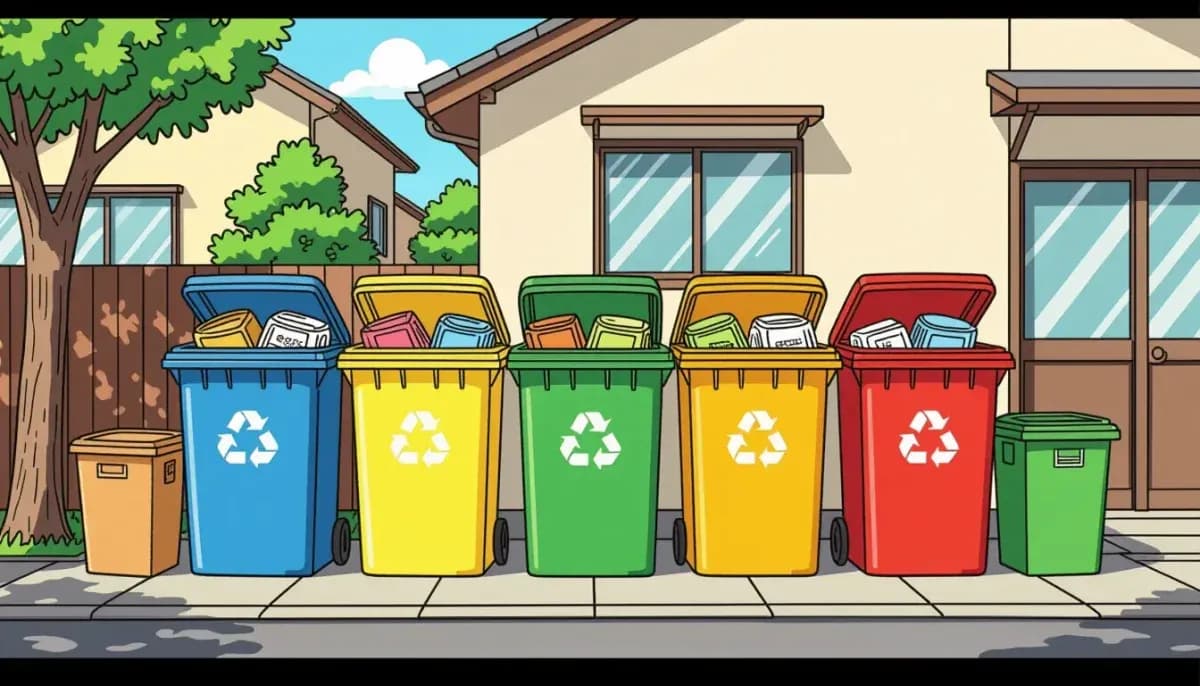
Learn Japan garbage disposal rules for foreigners: how to sort burnable, non-burnable, and recyclable trash, collection schedules, special items, and tips for expats navigating the Japanese waste system.
Garbage Collection and Disposal Rules in Japan: A Complete Guide for Foreigners
Moving to Japan comes with many surprises, but few things trip up new residents quite like the country's garbage disposal system. Japan's waste management rules are strict, detailed, and vary by municipality — and ignoring them can lead to embarrassing situations with neighbors or even warnings from your landlord. This guide breaks down everything you need to know to navigate Japan's garbage collection rules confidently.
Why Japan's Garbage System Is Different
Japan has one of the most sophisticated waste management systems in the world. The country achieved a recycling rate of over 80% for certain materials, driven largely by strict sorting requirements at the household level. This isn't just bureaucratic formality — Japan has limited land for landfills, and incineration plants require properly sorted waste to operate efficiently.
For foreigners, the system can feel overwhelming at first. Unlike many Western countries where you can toss everything in one bin, Japan requires residents to sort their garbage into multiple categories, use specific bags, and put out waste only on designated days and times. The good news is that once you learn the rules for your specific area, the system becomes second nature.
A key thing to understand: every municipality sets its own rules. What applies in Tokyo's Shibuya ward may differ significantly from Osaka, Kyoto, or a smaller rural town. Always check the guidelines issued by your local city or ward office.
The Four Main Garbage Categories
While the exact rules differ by location, most Japanese municipalities use the following core categories:
1. Burnable Garbage (燃えるごみ / Moeru Gomi)
This is the most frequently collected category, typically picked up two or three times per week. Burnable garbage includes:
- Kitchen scraps and food waste
- Paper items (tissues, paper towels, paper bags, receipts)
- Wood and small wooden objects
- Rubber and leather items
- Contaminated packaging that cannot be recycled (e.g., greasy pizza boxes)
- Small plastic items (varies by municipality — some areas classify plastics as recyclable)
Tips for burnable garbage:
- Drain kitchen scraps of excess water before disposal — wet garbage is heavier and harder to incinerate
- For cooking oil, either absorb it with newspaper or use a solidifying gel product sold at supermarkets
- Wrap food waste in newspaper or a small plastic bag to reduce odors
2. Non-Burnable Garbage (燃えないごみ / Moenai Gomi)
Non-burnable items are collected less frequently — typically once or twice per month. This category includes:
- Metal items (pots, pans, cutlery, tools)
- Glass (other than bottles covered by recycling)
- Ceramics and pottery
- Batteries (some areas have separate collection for these)
- Small electrical appliances under 30cm
- Rubber boots and hard plastic items
Always check whether batteries and small electronics have a separate collection day in your municipality.
3. Recyclable Garbage (資源ごみ / Shigen Gomi)
Recyclables are usually collected weekly or bi-weekly and must be carefully sorted and cleaned. Common recyclable subcategories include:
- PET bottles (ペットボトル): Rinse thoroughly, remove and dispose of caps separately, peel off plastic labels
- Cans (缶): Rinse aluminum and steel cans before disposal
- Glass bottles (びん): Rinse, separate by color (clear, brown, other) in some areas
- Cardboard (段ボール): Flatten and tie with string
- Newspapers and magazines (新聞・雑誌): Bundle and tie with string
- Milk cartons and food cartons: Rinse, cut open flat, and let dry
The golden rule for recyclables: they must be clean. Dirty containers can contaminate the entire recycling batch and cause it to be rejected.
4. Oversized Garbage (粗大ごみ / Sodai Gomi)
Large items like furniture, bicycles, air conditioners, and appliances cannot be left out with regular garbage. Oversized garbage requires advance scheduling and fees. Here's how it works:
- Contact your local ward or city office by phone or online to schedule a pickup
- Purchase disposal stickers (粗大ごみ処理券) at convenience stores or supermarkets in your area
- Write your scheduled collection date on the sticker and attach it to the item
- Place the item at the designated collection point on the scheduled day
Fees typically range from ¥1,000 to ¥6,000 depending on the item's size and type. Before paying to dispose of items, consider selling them on platforms like Mercari or Jimoty — many Japanese residents do this instead of paying for disposal.
Garbage Collection Schedule: What to Expect
| Category | Collection Frequency | Typical Time |
|---|---|---|
| Burnable garbage | 2–3 times per week | Before 8:00 AM |
| Non-burnable garbage | 1–2 times per month | Before 8:00 AM |
| PET bottles | Weekly | Before 8:00 AM |
| Cans and glass | Weekly or bi-weekly | Before 8:00 AM |
| Cardboard/paper | Weekly or bi-weekly | Before 8:00 AM |
| Oversized garbage | By appointment | Scheduled day |
Important: Never put out garbage on national holidays. Collection is typically suspended on holidays, and leaving bags out early can attract animals and earn complaints from neighbors.
Most municipalities collect garbage before 8:00 AM on collection days. Do not put your garbage out the night before unless your area explicitly allows it.
Using the Correct Garbage Bags
Garbage bag requirements also vary by municipality:
- Tokyo's 23 Wards: Any transparent or semi-transparent plastic bag is accepted. No designated bags are required.
- Other cities (e.g., Chofu, Machida, Osaka, Kyoto): Many require designated garbage bags sold at supermarkets and convenience stores. These bags typically cost ¥80 to ¥800 per pack of ten and are available in different sizes.
When you move to a new area, check at the local convenience store whether designated bags are required. Your ward office or real estate agent can also tell you.
Garbage Collection Points: Where to Put Your Trash
In most Japanese residential areas, garbage is collected at designated collection points (ごみ集積所), not picked up from individual doorsteps. These collection points are shared by a group of neighboring households. They are often covered with a net or mesh to prevent crows and other animals from getting into the bags.
Some apartment buildings have their own garbage storage rooms or designated areas inside the building. Check with your landlord or building manager.
Crow proofing: Crows are a real issue in Japanese cities. They can tear through garbage bags looking for food. Always use the net cover provided at collection points, and if no net is available, wrap food waste securely inside your bag.
Special Items That Need Special Handling
Some items cannot go in regular garbage and require special disposal:
- Batteries: Many municipalities have separate collection boxes at convenience stores or supermarkets
- Fluorescent light bulbs: Usually collected as non-burnable or have a separate category
- Spray cans: Must be fully emptied (in a well-ventilated area) before disposal
- Fire extinguishers: Contact your local fire station or municipality
- Medications: Some pharmacies accept unused medications; otherwise check municipal guidelines
- TVs, refrigerators, air conditioners, washing machines, and dryers: These are covered by the Home Appliance Recycling Law and cannot be put in regular garbage. You must contact the manufacturer or a designated collection point.
Tips for Foreign Residents: How to Learn Your Local Rules
Getting the rules right in your specific area takes a little initial effort but saves a lot of trouble:
- Visit your ward or city office when you register your address (which you must do within 14 days of moving in). Ask for their garbage guide — most offices provide multilingual versions in English, Chinese, Korean, and other languages.
- Download your city's garbage app. Many Japanese municipalities have smartphone apps that show your collection schedule and let you search for items to learn how to dispose of them.
- Check the calendar posted at your garbage collection point. These usually have a clear schedule with colors for different categories.
- Ask your neighbors or building manager. Japanese neighbors are generally understanding of foreigners who ask politely and show willingness to follow the rules.
- Look for the garbage guide in your mailbox. New residents often receive a guide when they move in or register at the municipal office.
For more detailed guidance on daily life rules in Japan, Living in Nihon has a comprehensive guide covering garbage separation and other household regulations.
Consequences of Breaking Garbage Rules
Japan takes garbage disposal seriously, and the social consequences of getting it wrong can be significant:
- Garbage rejection: Bags that are incorrectly sorted may be left behind with a note explaining what's wrong
- Neighbor complaints: Japanese neighborhoods are tight-knit, and residents take collective responsibility for shared collection points
- Landlord warnings: Repeatedly causing garbage-related complaints can lead to warnings or, in extreme cases, lease issues
- Fines: Some municipalities have begun issuing fines for persistent violations
The key is to make an honest effort. If you make a mistake, correct it quickly and learn from it. Most neighbors and building managers will be understanding if they see you're genuinely trying.
For expats navigating housing and daily life logistics in Japan, For Work in Japan provides useful resources on housing and living infrastructure for foreigners.
Recycling Beyond the Basics
Japan's recycling culture extends beyond mandatory garbage separation. Here are some additional recycling opportunities you'll encounter:
- Supermarket recycling stations: Many supermarkets have machines or bins that accept PET bottles, cans, and cardboard for store credit or points
- Clothing recycling: Used clothing drop-off boxes are common outside supermarkets and in train station areas
- Book recycling: Book-off and similar second-hand stores buy used books, DVDs, and games
- Battery collection: Convenience stores like 7-Eleven, FamilyMart, and Lawson have battery collection boxes
These community recycling options help reduce the amount you need to put out as regular garbage and are worth taking advantage of.
For working professionals relocating to Japan, IT転職・Ittenshoku offers helpful resources on settling into Japanese life and work culture.
Common Mistakes Foreigners Make with Japanese Garbage
Learning from others' mistakes can save you embarrassment:
- Putting garbage out on the wrong day — your bag will be left uncollected
- Using the wrong type of bag — in designated-bag areas, generic bags are rejected
- Not rinsing recyclables — a single dirty item can contaminate the whole batch
- Forgetting to remove bottle caps and labels from PET bottles — these must be sorted separately
- Leaving large items by the collection point without scheduling — oversized items need advance booking
- Putting out garbage too early — some areas do not allow the night before; others do; know your area's rules
- Not flattening cardboard — unflattened boxes take up space and may be refused
For a deeper understanding of Japanese culture and community norms that underpin these rules, see our guide on Japanese culture and etiquette for foreigners.
Moving Day: Dealing with Garbage During Relocation
Moving in Japan generates a lot of garbage — old furniture, packaging, unwanted items. Here's how to handle it:
- Plan oversized garbage disposal weeks in advance. Appointment slots can be limited.
- Sell what you can. Use Mercari, Yahoo Auctions, or Jimoty to offload items quickly.
- Ask your moving company. Some moving companies offer disposal services for an extra fee.
- Contact your ward office early. They can advise on bulk disposal options for moving situations.
For comprehensive guidance on the moving process, check our article on moving to Japan as a foreigner.
Final Thoughts
Japan's garbage system may seem daunting at first, but it reflects the country's deep commitment to cleanliness, recycling, and community responsibility. Once you learn the rules for your specific area, following them becomes routine. The investment of a little time upfront to learn your local municipality's guidelines will make your daily life smoother and help you become a respectful member of your neighborhood.
Start by picking up a multilingual garbage guide at your ward office when you register your address, and don't hesitate to ask your neighbors or building manager for help. They'll appreciate the effort, and you'll be off to a great start as a member of your new Japanese community.
For further reading on making the most of daily life in Japan, explore our comprehensive daily life in Japan guide for foreigners.
External Resources:

Originally from Vietnam, living in Japan for 16+ years. Graduated from Nagoya University, with 11 years of professional experience at Japanese and international companies. Sharing information about living in Japan for foreigners.
View Profile →Related Articles

Seasonal Clothing Guide for Living in Japan
Complete seasonal clothing guide for foreigners living in Japan. Learn what to wear in spring, summer, rainy season, autumn, and winter with month-by-month tips and shopping advice.
Read more →
Japanese Convenience Store Life Hacks for Foreigners
Discover the best konbini life hacks for foreigners in Japan — from ATM tips and bill payments to discount food strategies, package delivery, and printing services at 7-Eleven, FamilyMart, and Lawson.
Read more →
Neighborhood Association Chonaikai Guide for Foreigners
Everything foreigners need to know about Japan's chonaikai (neighborhood associations): fees, how to join, what happens at meetings, garbage rules, and practical tips for expats.
Read more →
How to Furnish Your Japan Apartment on a Budget
Complete guide to furnishing your Japan apartment on a budget. Covers Nitori, IKEA, secondhand recycle shops, Sayonara Sales, and must-know tips for foreigners setting up their first Japanese apartment.
Read more →
Japanese Address System Explained for Foreigners
Learn how the Japanese address system works, how to read chome-ban-go addresses, write Japanese addresses in English, and navigate Japan as a foreigner. Full guide with examples.
Read more →
Laundry Tips and Coin Laundry Guide in Japan
Complete guide to doing laundry in Japan: how to use coin laundries, decode Japanese washing machines, understand prices, payment methods, and laundromat etiquette for foreigners and expats.
Read more →