
How to Furnish Your Japan Apartment on a Budget

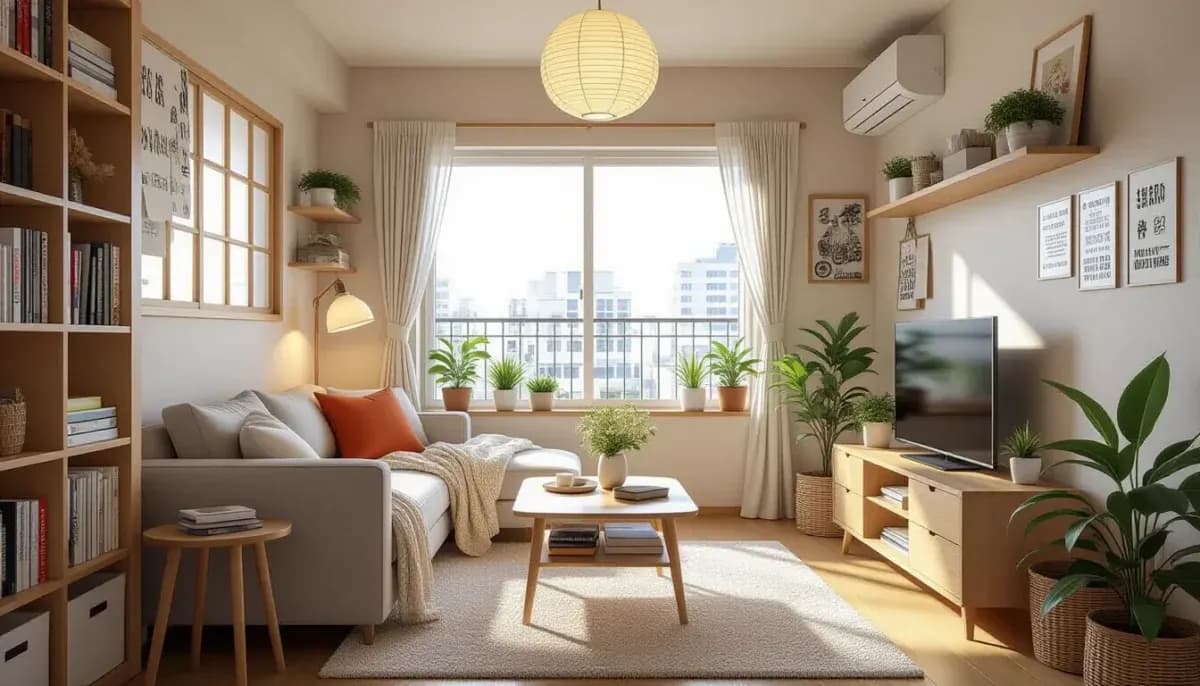
Complete guide to furnishing your Japan apartment on a budget. Covers Nitori, IKEA, secondhand recycle shops, Sayonara Sales, and must-know tips for foreigners setting up their first Japanese apartment.
How to Furnish Your Japan Apartment on a Budget
Moving into a new apartment in Japan is exciting — but the reality of furnishing an empty room from scratch can be daunting, especially for foreigners who arrive with just a suitcase or two. The good news is that Japan offers a wealth of budget-friendly options for getting your apartment looking and feeling like home without breaking the bank. From affordable furniture giants like Nitori and IKEA to thriving secondhand markets and expat community sales, this guide covers everything you need to know about furnishing your Japan apartment on a budget.
Whether you have 100,000 yen or 400,000 yen to spend, there is a smart strategy for every budget. Let us walk you through the best approaches, where to shop, what to prioritize, and how to avoid common mistakes that cost foreigners extra money.
!Cozy budget-furnished Japanese apartment interior with Nitori furniture and organized small space

Understanding the Costs: How Much Does It Really Cost to Furnish in Japan?
Before diving into shopping strategies, it helps to understand the realistic cost ranges for furnishing a Japanese apartment. Costs vary significantly depending on whether you go new, secondhand, or a mix of both.
| Budget Level | Estimated Cost (JPY) | Approach |
|---|---|---|
| Minimal (Basic) | ¥100,000 – ¥250,000 | Secondhand only, essential items |
| Standard | ¥250,000 – ¥400,000 | Mix of new and used items |
| Comfortable | ¥400,000 – ¥600,000 | Mostly new, quality pieces |
| Premium | ¥600,000+ | All new, branded furniture |
For most foreigners in a 1K or 1LDK apartment, a realistic starter budget is around ¥200,000 to ¥350,000 covering a bed or futon, refrigerator, washing machine, microwave, basic seating, and lighting. You can do it for less if you embrace secondhand shopping and expat community sales.
Keep in mind there are also hidden costs to budget for:
- Delivery fees: Typically ¥550 to ¥4,500 depending on the retailer
- Assembly services: Extra if you cannot assemble yourself
- Disposal fees: ¥5,000 to ¥10,000 per large item when you eventually leave Japan (appliances and furniture require paid disposal)
For a comprehensive overview of living expenses in Japan, see our Complete Guide to Cost of Living in Japan.
Top Budget Furniture Stores in Japan for Foreigners
Nitori (ニトリ) — Japan's Best Budget Furniture Store
Nitori is often called the Japanese version of IKEA, but with one major advantage: the furniture is designed specifically for Japanese-sized apartments. This means pieces are space-efficient, fit through narrow doorways, and suit the compact layouts common in Japanese rentals.
Why Nitori is great for foreigners:
- Futon 3-piece set starting from just ¥3,990
- Wide range of household goods beyond furniture (bedding, curtains, kitchen items)
- Stores located throughout Japan, including suburban areas
- Delivery available from ¥550 to ¥2,200 (much cheaper than IKEA)
- Many stores have English signage and product labels
Nitori is an especially smart choice for first-time renters in Japan. The combination of low prices, apartment-friendly sizing, and nationwide availability makes it the go-to store for budget-conscious foreigners.
IKEA Japan — Affordable Scandinavian Style
IKEA operates in Japan with around 9 locations, primarily in major urban areas. While not as widely distributed as Nitori, IKEA offers excellent value with impressive product range:
- Sprung mattress from ¥6,999
- Table and 4 chairs set from ¥9,950
- Sofas starting in the low tens of thousands of yen
Tips for shopping at IKEA Japan:
- Order everything at once to pay delivery only once (delivery starts from ¥4,500)
- Flat-pack design keeps production costs low and prices down
- Check the IKEA Japan website before visiting — some items sell out fast
- The IKEA restaurant is a budget-friendly lunch stop while you shop
One important caution: IKEA furniture runs large. Measure your doorways and room dimensions carefully before purchasing sofas, wardrobes, or bed frames. Some IKEA pieces simply will not fit through typical Japanese apartment doorways.
MUJI (無印良品) — Minimalist Quality at Reasonable Prices
MUJI occupies the middle ground between budget and premium. Beds, desks, chairs, and shelving from MUJI are reasonably priced and built with durable simplicity. MUJI is particularly good for small storage solutions, desk setups, and bedroom essentials.
100-Yen Shops for Everyday Items
Do not overlook 100-yen shops (Daiso, Seria, Can★Do) for smaller household items. Kitchen utensils, cleaning supplies, storage bins, hangers, and basic tableware can all be sourced here for ¥100 to ¥500 per item. Stocking a kitchen from 100-yen shops alone can save you tens of thousands of yen.
For more general shopping tips in Japan, check out our Complete Guide to Shopping in Japan.
How to Save Big: Secondhand Furniture in Japan
Japan's secondhand market is exceptional. Unlike in many countries where used goods can feel worn or questionable, Japanese secondhand items are typically in near-perfect condition. Japanese sellers take great care of their possessions, and recycle shops inspect and clean items before resale. This makes the secondhand route one of the smartest strategies for furnishing your apartment.
!Organized recycle shop in Japan with secondhand furniture and appliances neatly displayed

Physical Recycle Shops
Off House / Hard Off: Part of the same chain, these stores specialize in quality secondhand furniture and appliances. Hard Off focuses on electronics and appliances; Off House handles furniture, clothing, and household goods. Items are inspected and priced fairly. Look for branches in suburban areas — they tend to have more stock and better prices than city-center locations.
Second Street (2nd Street / セカンドストリート): A nationwide chain offering a wide range of used goods. Clean, organized stores make browsing easy even if your Japanese is limited.
Local Recycle Shops (リサイクルショップ): Look for signs reading リサイクル in your neighborhood. Small local shops can have incredible deals and unique finds.
Online Marketplaces
Mercari (メルカリ): Japan's largest C2C selling app. You can find everything from furniture to kitchen appliances here at a fraction of new prices. Many sellers are happy to negotiate, and the platform has buyer protection.
Jimoty (ジモティー): A local classified ads platform where people give away furniture for free or sell cheaply. Listings are by area, making it easy to find items near you. This is especially useful for large items that are expensive to ship.
Amazon Japan: Used furniture and appliances are available through Amazon's marketplace. Amazon Prime members get free shipping on eligible items, making this a convenient option.
Expat Community Sales
Facebook Groups — Sayonara Sales: When expats leave Japan, they often sell all their furniture at once. Groups like Tokyo Sayonara Sale, Osaka Sayonara Sales, and Mottainai Japan are goldmines for foreigners looking to furnish cheaply. Sellers are motivated to move items fast, so prices are usually very reasonable — and sometimes items are given away for free.
Best timing for Sayonara Sales: Spring (March to April) is Japan's peak moving season. This is when the most foreigners are arriving and departing, creating the best supply of secondhand furniture at great prices.
For more tips on settling into daily life in Japan, visit our Complete Guide to Daily Life in Japan for Foreigners.
Furniture Rental: The Smart Option for Short-Term Stays
If you are unsure how long you will stay in Japan — or if you are on a temporary visa or short-term work contract — buying furniture may not make the most financial sense. Furniture rental services offer a low-upfront alternative:
- CLAS: A monthly furniture subscription service popular among Tokyo residents. Rent a sofa, bed, or full room setup and cancel when you leave.
- AirRoom: Similar rental platform with English support and a range of modern furniture.
Rental is a good fit if:
- You are staying for less than 12 to 18 months
- You want to avoid the hassle of furniture disposal fees when leaving
- You prefer to start with a furnished space and upgrade later
Buying makes more sense if:
- You are staying for 2+ years
- You want to build equity in your setup and sell before you leave
- You can find good secondhand deals upfront
For detailed housing advice, the team at Living in Nihon covers the full landscape of housing in Japan for foreigners, and For Work in Japan's housing guide provides excellent context on the practical side of settling into a Japanese residence.
Priority Shopping List: What to Buy First
When moving into an empty apartment, it is tempting to try to furnish everything at once. Instead, prioritize the essentials and add comfort items over time.
Week 1 Essentials (cannot wait):
- Futon or bed + bedding
- Refrigerator (many rentals come without one)
- Washing machine (or find a laundromat nearby)
- Basic kitchen items (pot, pan, utensils, plates)
- Lighting (Japanese apartments often have no ceiling lights — buy LED lights and fixtures)
Week 2-3 Additions (important but can wait a few days):
- Desk and chair (if working from home)
- Small dining table
- Storage solutions (shelving, drawers)
- Curtains or blinds
Month 1-2 Comfort Items:
- Sofa or floor seating
- Air conditioning unit (check if it comes with the apartment)
- Rice cooker (a Japan must-have)
- Vacuum cleaner
See also our Complete Guide to Finding Housing in Japan to understand what appliances and fixtures are typically included in Japanese rentals.
Important Tips Specific to Japan Apartments
Measure Everything Before You Buy
Japanese apartments use different standard sizes from Western countries. Before purchasing any furniture, measure:
- Doorway width and height (many Japanese doors are narrower than Western standards)
- Elevator dimensions if you live on an upper floor
- Room dimensions including any alcoves or recesses
- Window size for curtains
Western furniture often cannot fit through Japanese apartment doorways. This is one of the most common and expensive mistakes foreigners make.
Lighting Is Not Included
A lesser-known quirk of Japanese rentals: ceiling light fixtures are rarely included. The landlord will leave a ceiling socket (called a シーリングライト/ceiling light socket), but you must purchase your own lighting. Budget ¥3,000 to ¥8,000 for a basic LED ceiling light from Nitori, IKEA, or electronics stores like Yodobashi Camera.
Appliances Come in Different Voltage and Plug Formats
Japan uses 100V electricity and Type A plugs (same as US). If you are bringing appliances from Europe, Australia, or most of Asia, you will need voltage converters — or simply buy locally. For appliances, secondhand is especially smart: a used refrigerator or washing machine in excellent condition can be purchased for ¥10,000 to ¥30,000 at a recycle shop.
Plan for Disposal Before You Leave
Every large item you buy in Japan — furniture, appliances, mattresses — requires a paid disposal process when you leave. Large items cannot simply be put out with the regular trash. You must contact your local city office to schedule bulky waste (粗大ごみ/sodai gomi) collection, which costs ¥500 to ¥2,000+ per item. Factor this into your purchasing decisions, especially for large pieces you may not want when leaving Japan.
For more on navigating Japanese administrative processes, see our Complete Guide to Daily Life in Japan for Foreigners.
Useful Resources and External Links
- GaijinPot: 6 Ways to Find Furniture for Your Japanese Apartment
- Village House: 4 Tips to Furnish Your Apartment in Japan on a Budget
- Selectra: Cost of Furnishing an Apartment in Japan 2025
- Living in Nihon — Housing Resources for Foreigners in Japan
- For Work in Japan — Housing and Living Infrastructure Guide
- Ittenshoku — Career Resources for Foreigners in Japan
Final Thoughts: Furnishing Smart in Japan
Furnishing a Japan apartment on a budget is entirely achievable with the right strategy. The key is to start with secondhand and community sales, use Nitori for space-efficient new pieces, and plan purchases in order of priority rather than trying to do everything at once.
Remember: Japan's secondhand market is world-class. Items sold at recycle shops and Sayonara Sales are often nearly new. Embrace the culture of reuse — it saves you money, reduces waste, and connects you with the expat community in a genuinely useful way.
With patience and the tips in this guide, you can have a comfortable, stylish Japanese apartment for well under ¥300,000 — and often far less if you play the secondhand market well.
For more essential guides on settling into life in Japan, explore our Complete Guide to Moving to Japan and our Complete Guide to Finding Housing in Japan.

Originally from Vietnam, living in Japan for 16+ years. Graduated from Nagoya University, with 11 years of professional experience at Japanese and international companies. Sharing information about living in Japan for foreigners.
View Profile →Related Articles

Seasonal Clothing Guide for Living in Japan
Complete seasonal clothing guide for foreigners living in Japan. Learn what to wear in spring, summer, rainy season, autumn, and winter with month-by-month tips and shopping advice.
Read more →
Japanese Convenience Store Life Hacks for Foreigners
Discover the best konbini life hacks for foreigners in Japan — from ATM tips and bill payments to discount food strategies, package delivery, and printing services at 7-Eleven, FamilyMart, and Lawson.
Read more →
Neighborhood Association Chonaikai Guide for Foreigners
Everything foreigners need to know about Japan's chonaikai (neighborhood associations): fees, how to join, what happens at meetings, garbage rules, and practical tips for expats.
Read more →
Japanese Address System Explained for Foreigners
Learn how the Japanese address system works, how to read chome-ban-go addresses, write Japanese addresses in English, and navigate Japan as a foreigner. Full guide with examples.
Read more →
Laundry Tips and Coin Laundry Guide in Japan
Complete guide to doing laundry in Japan: how to use coin laundries, decode Japanese washing machines, understand prices, payment methods, and laundromat etiquette for foreigners and expats.
Read more →
Garbage Collection and Disposal Rules in Japan
Learn Japan garbage disposal rules for foreigners: how to sort burnable, non-burnable, and recyclable trash, collection schedules, special items, and tips for expats navigating the Japanese waste system.
Read more →