
Neighborhood Association Chonaikai Guide for Foreigners

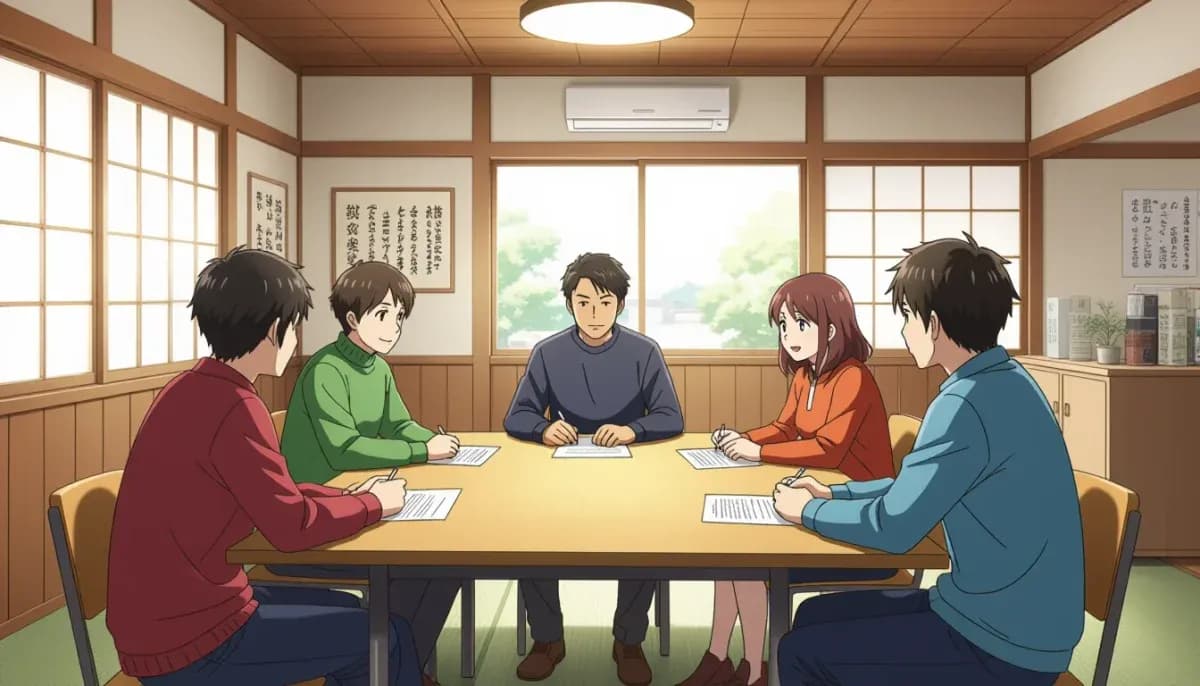
Everything foreigners need to know about Japan's chonaikai (neighborhood associations): fees, how to join, what happens at meetings, garbage rules, and practical tips for expats.
Neighborhood Association (Chonaikai) Guide for Foreigners in Japan
Moving to Japan means more than just finding an apartment — it means becoming part of a neighborhood community. If you have ever received a knock on your door from a smiling neighbor carrying a clipboard, or found a handwritten note tucked under your mat inviting you to a meeting, you may have just been introduced to your local chonaikai (町内会) or jichikai (自治会).
For many foreigners, these neighborhood associations are one of the most unexpected parts of life in Japan. Should you join? What are the fees? What actually happens at meetings? This guide walks you through everything you need to know about Japan's neighborhood associations as a foreigner.
What Is a Chonaikai (町内会)?
A chonaikai (町内会) — also called a jichikai (自治会) or choukai (町会) depending on the region — is a volunteer-run community organization covering a specific residential district. These associations are found throughout Japan, in both urban neighborhoods and rural towns.
The two terms are often used interchangeably:
- Chonaikai (町内会): More common in western Japan and rural areas, literally meaning "neighborhood inside the town association"
- Jichikai (自治会): More common in eastern Japan and cities, literally meaning "self-governing association"
These organizations are not government bodies. They are independent, resident-run groups that work to make local communities safer, cleaner, and more connected. Think of them as Japan's version of a homeowners' association combined with a community center, minus the formal legal structure.
The roots of chonaikai go back centuries, though the modern version took shape in the early 20th century. Today, they remain a core part of Japanese neighborhood life, even as younger generations and foreign residents become more prominent in communities.
What Does a Chonaikai Actually Do?
Neighborhood associations in Japan handle a surprisingly wide range of activities. Understanding what they do helps you decide whether joining makes sense for your lifestyle.
| Activity | Description |
|---|---|
| Disaster preparedness | Emergency drills, evacuation coordination, safety training |
| Garbage management | Maintaining collection points, enforcing sorting rules |
| Crime prevention | Night patrols, safety lighting maintenance |
| Community events | Festivals, sports days, mochi-making, sakura viewing |
| Local newsletters | Distributing community circulars and announcements |
| Children's programs | Summer activities, back-to-school events |
| Neighborhood cleanup | Seasonal cleaning of shared spaces and roads |
| Fundraising | Collecting for Red Cross, community improvements |
The most important function for new residents — especially foreigners — is garbage collection management. In many neighborhoods, the chonaikai oversees the local garbage collection points. Some associations restrict use of these points to registered members, which means non-members may face difficulties disposing of their trash. This alone is a practical reason many foreigners choose to join.
Beyond garbage, the association distributes information about local events, safety alerts, and municipal notices. If you do not join, you may simply not receive important updates about your neighborhood.
Is Joining Mandatory?
This is the first question most foreigners ask, and the answer is clear: no, joining a chonaikai is not legally required. Japanese law treats membership as entirely voluntary. You can decline without any legal penalty.
However, "voluntary" in Japan often carries cultural weight. Not joining is socially acceptable, particularly in large cities like Tokyo or Osaka where neighborhood ties are looser. In smaller towns and rural communities, non-membership may draw curious glances or limit your access to community resources.
Practically speaking, even if you choose not to join, you should still follow all local garbage disposal rules. If garbage collection is managed by your chonaikai, check with your city office or landlord about how non-members can use the facilities.
For renters, your landlord may already pay the chonaikai dues as part of building management fees. Always check your lease agreement or ask your landlord directly before assuming you need to pay separately.
Membership Fees: What to Expect
Chonaikai membership fees vary significantly depending on your neighborhood and city. Here is a general overview:
| Fee Type | Typical Range |
|---|---|
| Monthly fee | ¥300 – ¥600 per month |
| Annual lump sum | ¥1,000 – ¥5,000 per year |
| Higher-cost areas | Up to ¥2,000+ per month |
| Building management (renters) | Often included in rent/management fees |
Most associations collect fees monthly or as an annual lump sum. A volunteer from the association — often an elderly neighbor — will come to your door to collect dues, usually in an envelope. This is normal and expected.
If you live in an apartment building, the building owner is typically required to join the local building management association, but individual tenant membership in the chonaikai is a separate matter. Always confirm with your real estate agent or landlord when you move in.
For more detailed information on budgeting for Japan living costs, see our guide on Cost of Living in Japan.
How to Join Your Local Chonaikai
Joining is simpler than it might seem. Here is the typical process:
Step 1: Find your local association Ask your landlord, property manager, or the nearest city or ward office. They can direct you to your neighborhood's chonaikai representative (often called the kaicho 会長, or chairperson).
Step 2: Visit the representative A short visit or phone call is usually enough. In many areas, a representative will proactively visit you when you move in, especially in smaller towns.
Step 3: Fill out the membership form You will complete a simple form with your name, address, and number of household members. Documents are typically in Japanese, but city offices in larger cities often have multilingual support or staff who can assist.
Step 4: Pay your membership dues You will be given a schedule for dues payment. Keep envelopes handy — cash payments in envelopes are the standard.
Step 5: Attend your first meeting Meetings are usually held monthly or quarterly at a local community hall, shrine building (kaikan), or occasionally in a private home. Your first meeting is a chance to introduce yourself to neighbors.
If you need help navigating Japanese paperwork during this process, check out our Daily Life in Japan Guide for practical tips.
What Happens at Chonaikai Meetings?
Many foreigners worry about language barriers at meetings. Here is what to realistically expect:
Meetings typically last under one hour and follow a predictable structure:
- Opening remarks by the neighborhood leader (kaicho)
- Updates on local issues — road repairs, safety concerns, recent incidents
- Announcements about upcoming events and volunteer opportunities
- Sign-up sheets for community activities
- Social time with tea, coffee, or light snacks
Meetings are conducted entirely in Japanese. If your Japanese is limited, do not panic. Bringing a notepad and using a translation app (like Google Translate's camera function) can help enormously. You can also ask a bilingual neighbor or friend to accompany you to the first meeting.
A key piece of advice from expats who have attended these meetings: showing up and being respectful matters more than fluency. A simple self-introduction in Japanese goes a long way:
「〇〇に引っ越してきました、〇〇です。よろしくお願いします。」 (I just moved to [area]. My name is [name]. I look forward to getting along with everyone.)
Dress casually but neatly, arrive on time (or slightly early), and observe how others participate before jumping in. These small gestures signal respect for the community and are deeply appreciated.
For broader tips on navigating Japanese social expectations, our guide on Japanese Culture and Etiquette offers helpful context.
Benefits of Joining as a Foreigner
Why should foreigners consider joining their local chonaikai? Here are the key advantages:
Practical benefits:
- Reliable access to garbage collection points
- Receiving neighborhood circulars and safety notices
- Disaster preparedness information (evacuation maps, emergency contacts)
- Access to community facilities (sometimes discounted or free)
Social benefits:
- Building genuine relationships with Japanese neighbors
- Participating in local festivals and cultural events
- Understanding local customs through firsthand experience
- Building goodwill that makes daily life smoother
Safety benefits:
- Emergency network — your neighbors will know who you are
- Night patrol participation can deter crime in your block
- Disaster drills prepare you for Japan's earthquakes and typhoons
Japan's disaster preparedness culture is particularly relevant for foreigners. The chonaikai is often the first point of contact in neighborhood emergencies. For more on staying safe in Japan, see our Safety and Emergency Preparedness Guide.
Potential Drawbacks and How to Manage Them
Joining a chonaikai is not without its challenges, especially for busy working professionals or foreigners on short-term stays.
Time commitment: You may be asked to participate in community cleanups, patrol shifts, or take on officer roles. The level of commitment varies widely by neighborhood. In some areas it is minimal; in others it can involve several hours per month.
Language barrier: All communications — circulars, meetings, signage — are typically in Japanese only. In larger cities, some associations provide multilingual materials, but this is not universal.
Social pressure: Japanese community culture involves a strong sense of collective responsibility. There can be subtle social pressure to volunteer and participate, which may feel uncomfortable for individualistic cultures.
Practical tips to manage:
- Be honest about your schedule and limitations from the start
- Offer to help with tasks that do not require fluent Japanese (physical cleanup, carrying items)
- Thank your representative proactively and show appreciation
- Ask if there are lighter membership tiers for renters or short-term residents
Chonaikai and Garbage: The Practical Reality
Let's address the most practical issue directly: garbage disposal.
In Japan, each neighborhood has designated garbage collection points (gomi suteba ゴミ捨て場). These are managed by the local chonaikai. Collection points are typically used only by residents of that block, and some associations enforce member-only access.
If you are a non-member, you have a few options:
- Join the chonaikai — the simplest solution
- Pay a separate garbage maintenance contribution — some associations allow this without full membership
- Contact your city office — they can clarify your rights and sometimes arrange alternative collection points
- Use convenience store garbage bins — only for appropriate small items, not household waste
For apartments, the building owner typically manages the garbage collection point. Check with your building manager or landlord about your specific situation.
Understanding Japan's detailed garbage sorting rules is essential regardless of chonaikai membership. Japan's recycling system is among the world's most comprehensive, with rules varying by municipality. Our full Daily Life Guide covers this in detail.
Making the Most of Your Neighborhood Community
Whether you join a chonaikai or not, making an effort to connect with your neighbors enriches your experience living in Japan. Some practical suggestions:
- Say hello (ohayo gozaimasu / konnichiwa) to neighbors you pass
- Follow all community rules — garbage sorting, quiet hours, shared space maintenance
- Attend at least one neighborhood event if invited — summer festivals and sports days are fun and low-pressure
- Show appreciation — a small gesture like thanking your building manager or neighborhood representative is deeply valued
Japan's community culture is built on mutual respect and small acts of consideration. As a foreigner, you do not need to become a perfect community member overnight. Genuine effort and a respectful attitude will take you far.
For more on building social connections in Japan, see our guide on Making Friends and Social Life in Japan.
External Resources for Foreigners
For more guidance on chonaikai and community life in Japan, these resources are helpful:
- MailMate's Neighborhood Association Guide — practical breakdown of dues, activities, and foreigner tips
- Japan Living Guide: Chonaikai — overview of membership and foreign participation trends
- Akiya Hub: Jichikai Meetings Guide — what to expect at your first neighborhood meeting
- Living in Nihon — comprehensive resource for foreigners living in Japan
- For Work in Japan — career and life resources for foreigners in Japan
- Ittenshoku — Japan living and lifestyle guidance for foreigners
Summary: Should You Join?
For most foreigners living in Japan for more than a year, joining the local chonaikai is worth it. The practical benefits — especially reliable garbage disposal access and neighborhood safety information — outweigh the modest fee and occasional time commitments.
If you are in Japan short-term (under six months), joining may not be necessary. If you are building a long-term life in Japan, participating in your local community is one of the most rewarding ways to feel at home.
Start small: introduce yourself, pay your dues, attend one meeting. You may be surprised how quickly a simple envelope of yen turns into genuine neighborhood friendships.
For a broader overview of daily life in Japan as a foreigner, explore our complete Daily Life in Japan Guide.

Originally from Vietnam, living in Japan for 16+ years. Graduated from Nagoya University, with 11 years of professional experience at Japanese and international companies. Sharing information about living in Japan for foreigners.
View Profile →Related Articles
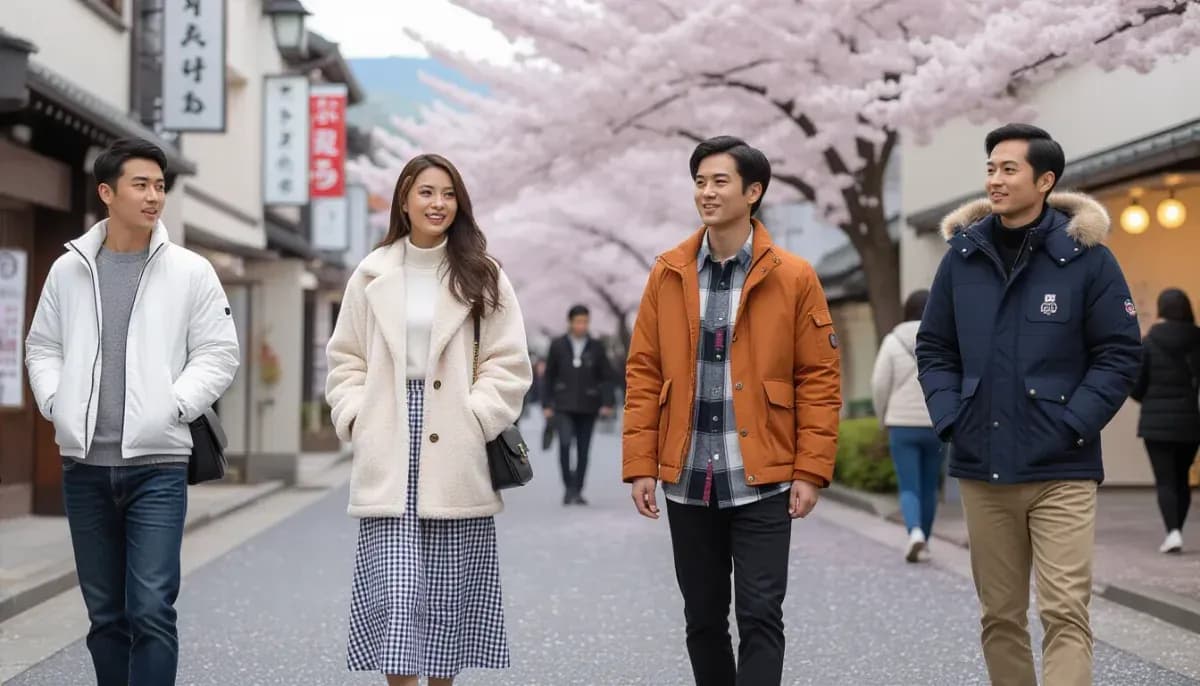
Seasonal Clothing Guide for Living in Japan
Complete seasonal clothing guide for foreigners living in Japan. Learn what to wear in spring, summer, rainy season, autumn, and winter with month-by-month tips and shopping advice.
Read more →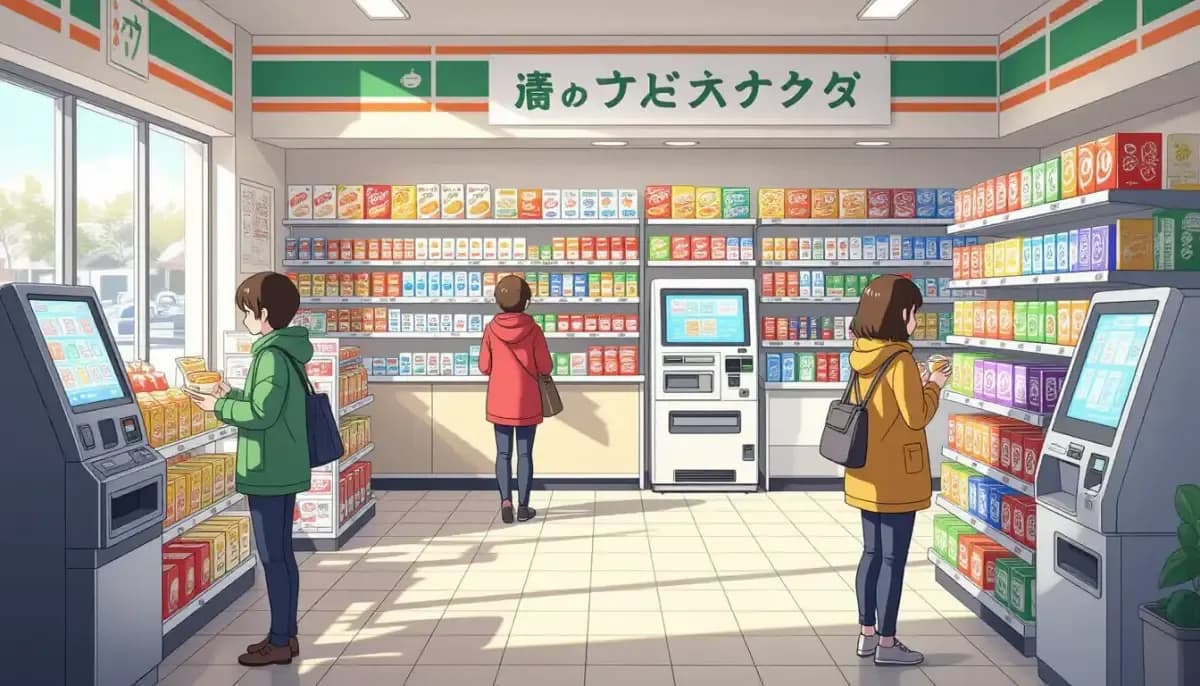
Japanese Convenience Store Life Hacks for Foreigners
Discover the best konbini life hacks for foreigners in Japan — from ATM tips and bill payments to discount food strategies, package delivery, and printing services at 7-Eleven, FamilyMart, and Lawson.
Read more →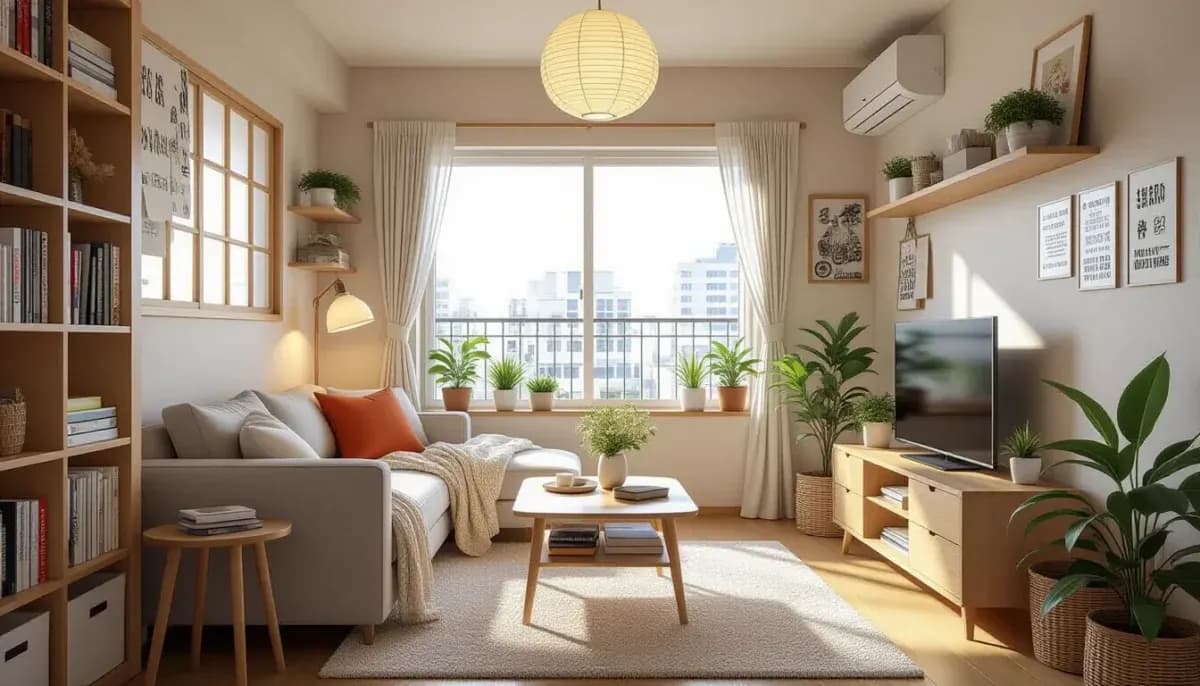
How to Furnish Your Japan Apartment on a Budget
Complete guide to furnishing your Japan apartment on a budget. Covers Nitori, IKEA, secondhand recycle shops, Sayonara Sales, and must-know tips for foreigners setting up their first Japanese apartment.
Read more →
Japanese Address System Explained for Foreigners
Learn how the Japanese address system works, how to read chome-ban-go addresses, write Japanese addresses in English, and navigate Japan as a foreigner. Full guide with examples.
Read more →
Laundry Tips and Coin Laundry Guide in Japan
Complete guide to doing laundry in Japan: how to use coin laundries, decode Japanese washing machines, understand prices, payment methods, and laundromat etiquette for foreigners and expats.
Read more →
Garbage Collection and Disposal Rules in Japan
Learn Japan garbage disposal rules for foreigners: how to sort burnable, non-burnable, and recyclable trash, collection schedules, special items, and tips for expats navigating the Japanese waste system.
Read more →