
Laundry Tips and Coin Laundry Guide in Japan

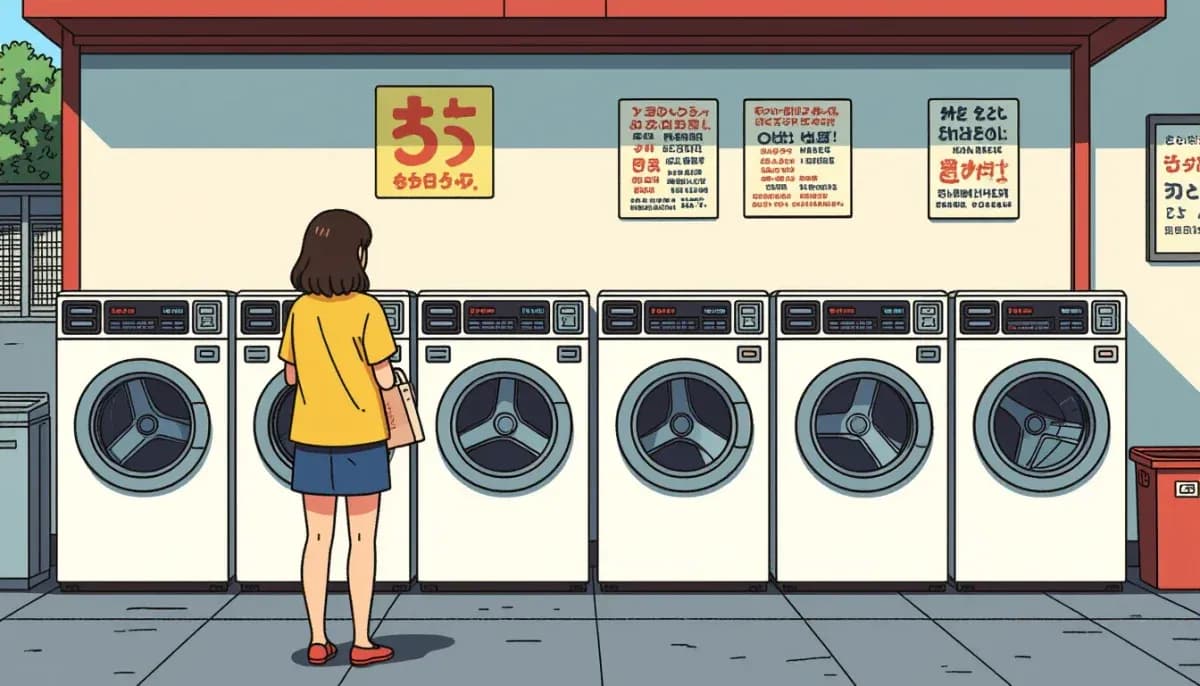
Complete guide to doing laundry in Japan: how to use coin laundries, decode Japanese washing machines, understand prices, payment methods, and laundromat etiquette for foreigners and expats.
Laundry Tips and Coin Laundry Guide in Japan
Doing laundry in Japan can be surprisingly different from what you're used to back home. From deciphering Japanese-language washing machine buttons to finding the nearest coin laundry and learning unspoken etiquette rules, there's quite a bit to navigate as a foreigner. The good news? Japan has one of the best laundromat cultures in the world — clean, well-maintained, and increasingly modern. This guide covers everything you need to know about laundry in Japan, whether you're using your apartment's washing machine or heading to the local coin laundry (コインランドリー, koin randorī).
Understanding Laundry Culture in Japan
Japan has an extraordinary relationship with coin laundromats. The country boasts around 25,000 coin laundries — more than the number of 7-Eleven convenience stores nationwide. The Japan Coin Operated Commercial Laundry Market is valued at approximately USD 1.1 billion, and the number of coin laundries increased by 16% between 2020 and 2023. Even more striking: over 62% of Japanese consumers prefer self-service laundry options, primarily for convenience.
Despite the fact that 95%+ of Japanese households own a washing machine, many residents still visit coin laundries regularly. The appeal lies in the large-capacity commercial machines that can handle futons, winter coats, and weekly laundry all at once — tasks that a home machine simply can't manage efficiently.
For foreigners moving to Japan, understanding local laundry norms can save you from accidentally damaging clothes, annoying neighbors, or wasting money. Whether you're settling into a small Tokyo apartment or a rural share house, laundry is one of those daily-life skills that matters from day one. See our guide on daily life in Japan for foreigners for more essential tips.
How to Use Your Apartment Washing Machine in Japan
If your apartment comes with a washing machine, congratulations — but be prepared for a Japanese-language control panel. Here's what you need to know.
Key Button Labels
Japanese washing machines use cold water only, which is standard throughout the country. This may shock newcomers accustomed to hot wash cycles. Here are the most common labels:
| Japanese Label | Reading | Meaning |
|---|---|---|
| 電源 | Dengen | Power on/off |
| 洗濯 / 洗い | Sentaku / Arai | Wash |
| すすぎ | Susugi | Rinse |
| 脱水 | Dassui | Spin/drain |
| 室内干し | Shitsuchiiboshi | Indoor dry setting |
| スタート | Sutāto | Start |
| コース | Kōsu | Wash course/program |
| 水量 | Suiryō | Water volume |
| 標準 | Hyōjun | Standard (default setting) |
| おまかせ | Omakase | Auto (leave it up to the machine) |
Basic operation:
- Press the power button (電源)
- Load your laundry — don't overfill
- Add liquid detergent to the dispenser drawer (liquid works best in cold water)
- Select your course (コース) — "標準" or "おまかせ" is usually fine for everyday items
- Press start (スタート)
- The machine will automatically set the water level
Drying Clothes at Home
Most Japanese apartments don't come with a dryer. Instead, residents hang clothes on the balcony or on indoor drying racks. This is completely normal practice. A few rules to keep in mind:
- Do laundry between 8am–8pm to avoid noise complaints from neighbors
- Bring clothes inside before dark — leaving laundry out overnight is frowned upon
- Check your rental agreement — some upscale or high-rise apartments prohibit visible outdoor drying
- Use a drying rack indoors during rainy season (tsuyu) — typically June to July
- Add fabric softener to reduce that musty indoor-drying smell
For more on setting up your apartment, see our article on how to set up utilities in your Japan apartment.
How to Use a Coin Laundry in Japan
Japan's coin laundries (コインランドリー) are a step above what most foreigners expect. Modern facilities are bright, well-maintained, and often open 24 hours a day. Many now offer cashless payments and even have seating areas or attached cafes.
Step-by-Step: Using a Japanese Coin Laundry
- Find a laundry nearby — Use Google Maps and search "コインランドリー" or "coin laundry" to find locations
- Choose the right machine size — Machines are labeled by kg capacity (e.g., 7kg, 10kg, 12kg); choose one that fits your load
- Load your clothes — No need to bring detergent; most modern machines dispense it automatically
- Select your cycle — Standard wash (通常洗い) for everyday clothes; special courses for delicates or wool
- Pay — Insert coins, tap your IC card, or scan a QR code
- Wait 30–60 minutes for the wash, then transfer to a dryer
- Drying: insert ¥100 coins for every 10 minutes (typically 30–40 minutes is sufficient)
- Collect your laundry promptly — leaving it unattended for long periods is poor etiquette
Special Machines to Look For
Modern Japanese coin laundries often have specialty equipment that makes them worth visiting even if you have a home washer:
- Futon washing machines — Large 20–25kg capacity machines for comforters and futons; essential since home washers can't handle these
- Sneaker washing machines — Dedicated washer/dryer combos just for shoes
- High-speed dryers — Industrial-grade dryers that can dry a full load in under 30 minutes
- Duvet drying courses — High-heat programs that eliminate dust mites
This is especially useful during rainy season or winter, when outdoor drying is impractical or impossible. Check Japan's seasonal clothing guide to understand what you'll be washing throughout the year.
Prices at Japanese Coin Laundries
Prices vary slightly by machine size and location, but here's a typical breakdown:
| Service | Price |
|---|---|
| Standard wash (7–8kg) | ¥300–¥400 |
| Large wash (10–12kg) | ¥500–¥600 |
| Futon/large item wash | ¥800–¥1,200 |
| Drying (per 10 minutes) | ¥100 |
| Full wash + dry (10kg load) | ~¥1,000 |
| Sneaker washing | ¥300–¥500 |
Dryers typically take 30–40 minutes to fully dry a standard load, so budget around ¥300–¥400 extra for drying. For a full-service wash and dry, expect to spend around ¥700–¥1,200 depending on your load size.
For tips on managing your overall expenses in Japan, see our guide on cost of living in Japan.
Coin Laundry Etiquette in Japan
Japanese etiquette extends to the laundromat. Violating these unwritten rules can cause tension — and in Japan, that matters.
- Never touch someone else's laundry — Even if a cycle has ended and you're waiting, don't move another person's clothes
- Be on time — Return to collect your laundry before the cycle ends or shortly after
- Don't monopolize folding tables — Fold your items quickly and move on; others are waiting
- Keep the machines clean — Wipe down machines after use and remove lint from dryer traps
- Arrive with coins or IC card — Not all laundries have change machines; come prepared
- Be quiet — Many laundries are open 24 hours; late-night visitors should be especially considerate
Payment Methods at Modern Coin Laundries
Coin laundries in Japan are modernizing rapidly. While older locations may only accept coins, newer facilities now offer:
- IC Transit Cards (Suica, PASMO, Icoca) — Tap and pay with your commuter card
- QR Code Payments (PayPay, Rakuten Pay, LINE Pay) — Increasingly common
- Dedicated apps — Some chains have their own apps (e.g., Mamaciao, LAUNDRICH) that allow mobile payment and machine reservation
- Credit cards — Less common but available at some high-end facilities
If you haven't set up a Japanese IC card yet, check out our transportation guide for how to get a Suica card. Also, explore the best mobile phone plans for foreigners in Japan to set up mobile payment apps.
Dry Cleaning and Other Laundry Services
For items that can't go in a washing machine — formal suits, delicate fabrics, traditional garments — Japan has an excellent dry-cleaning (ドライクリーニング, dorai kurīningu) industry.
| Service | Typical Price |
|---|---|
| Business shirt | ¥100–¥500 |
| Suit (jacket + trousers) | ¥1,000–¥2,000 |
| Winter coat | ¥1,500–¥3,000 |
| Dress/formal wear | ¥1,500–¥4,000 |
Look for クリーニング (dry cleaning) signs on shops, which are typically open on weekdays. You'll usually get items back in 3–7 days. Online laundry delivery services like Lenet and Rascal are also available, where you ship items in and receive them back cleaned — ideal for expats in rural areas.
Tips for Rainy Season and Winter Laundry
Japan's rainy season (梅雨, tsuyu) in June–July and humid winters create real challenges for air-drying clothes. Here's how to manage:
- Use coin laundry dryers heavily during rainy season — It's worth the cost to avoid mold and musty smells
- Buy an indoor drying fan — These help circulate air and dry clothes faster indoors
- Invest in a dehumidifier — Helps prevent mold in humid months, especially in sealed apartments
- Use "indoor drying" mode on your washing machine** — This extra spin cycle removes more water before hanging
- Do small loads more frequently — Smaller loads dry faster indoors
For more on adapting to Japan's seasons, see our seasonal clothing guide for living in Japan.
Additional Resources
For more practical tips on navigating daily life as a foreigner in Japan, these resources are highly recommended:
- Living in Nihon — Comprehensive guides for foreigners living in Japan
- For Work in Japan — Practical advice on working and living in Japan
- Ittenshoku — Resources for foreigners settling into Japanese life
- Japan Handbook: Laundromats and Dry Cleaning in Japan — Detailed laundromat info and costs
- Tokyo Cheapo: How to Use a Washing Machine in Japan — Step-by-step washing machine guide
Conclusion
Laundry in Japan is more straightforward than it seems once you know the basics. Whether you're decoding your apartment washing machine's Japanese buttons, loading up a coin laundry futon washer, or dropping off suits at the local dry cleaner, the infrastructure is excellent and the experience is generally pleasant. The key is understanding the local etiquette, being prepared with coins or a payment app, and knowing when to use which service.
With around 25,000 coin laundries operating across Japan — more than any convenience store chain — clean laundry is never far away, no matter where you live. Embrace the system, follow the etiquette, and you'll find laundry day in Japan to be one of the simpler parts of expat life.
For more help settling into daily life in Japan, explore our complete guide to daily life in Japan for foreigners and our guide on how to furnish your Japan apartment on a budget.

Originally from Vietnam, living in Japan for 16+ years. Graduated from Nagoya University, with 11 years of professional experience at Japanese and international companies. Sharing information about living in Japan for foreigners.
View Profile →Related Articles
Seasonal Clothing Guide for Living in Japan
Complete seasonal clothing guide for foreigners living in Japan. Learn what to wear in spring, summer, rainy season, autumn, and winter with month-by-month tips and shopping advice.
Read more →
Japanese Convenience Store Life Hacks for Foreigners
Discover the best konbini life hacks for foreigners in Japan — from ATM tips and bill payments to discount food strategies, package delivery, and printing services at 7-Eleven, FamilyMart, and Lawson.
Read more →
Neighborhood Association Chonaikai Guide for Foreigners
Everything foreigners need to know about Japan's chonaikai (neighborhood associations): fees, how to join, what happens at meetings, garbage rules, and practical tips for expats.
Read more →
How to Furnish Your Japan Apartment on a Budget
Complete guide to furnishing your Japan apartment on a budget. Covers Nitori, IKEA, secondhand recycle shops, Sayonara Sales, and must-know tips for foreigners setting up their first Japanese apartment.
Read more →
Japanese Address System Explained for Foreigners
Learn how the Japanese address system works, how to read chome-ban-go addresses, write Japanese addresses in English, and navigate Japan as a foreigner. Full guide with examples.
Read more →
Garbage Collection and Disposal Rules in Japan
Learn Japan garbage disposal rules for foreigners: how to sort burnable, non-burnable, and recyclable trash, collection schedules, special items, and tips for expats navigating the Japanese waste system.
Read more →