
Healthcare for Foreign Retirees in Japan

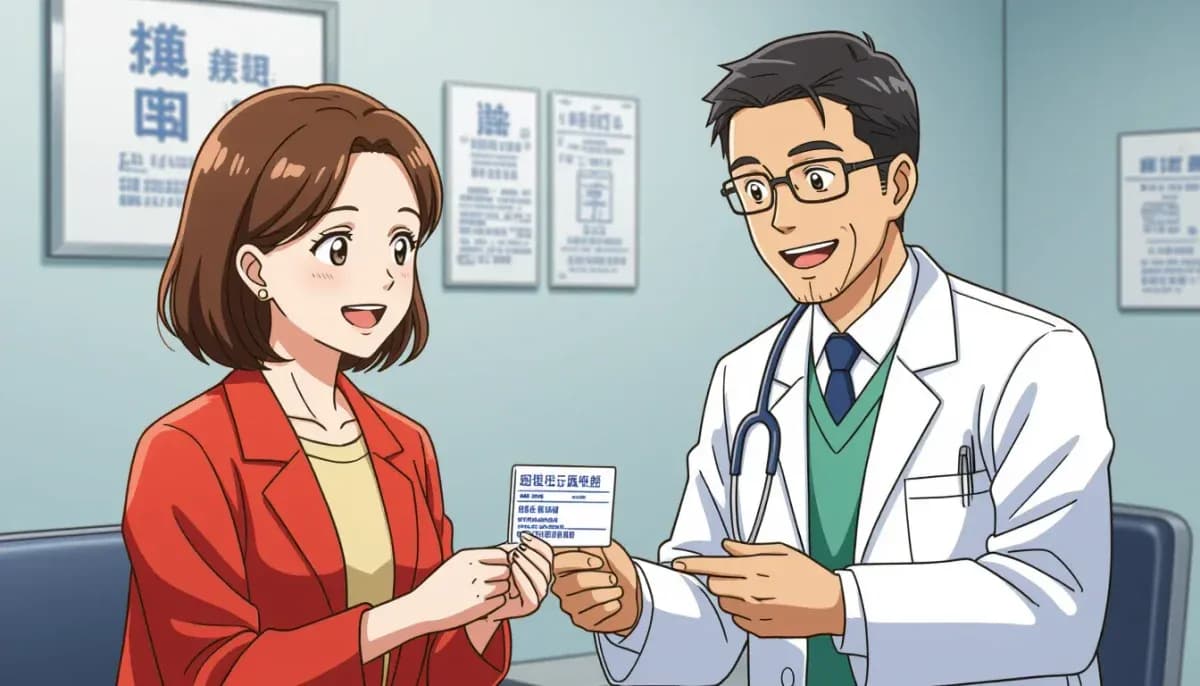
Everything foreign retirees need to know about healthcare in Japan: NHI enrollment, costs, co-payments by age, long-term care insurance, the 75+ elderly medical system, and how to find English-speaking doctors.
Healthcare for Foreign Retirees in Japan: The Complete Guide
Japan's healthcare system is widely regarded as one of the best in the world, consistently ranking among the top globally for longevity, affordability, and quality of care. For foreign retirees choosing to spend their golden years in Japan, understanding how the healthcare system works — and how to navigate it as a non-Japanese resident — is absolutely essential. This guide walks you through everything you need to know about healthcare for foreign retirees in Japan, from mandatory insurance enrollment to senior-specific coverage programs.
Why Japan's Healthcare System is Ideal for Retirees
Japan boasts an average life expectancy of 84.1 years, a testament to the quality of its universal healthcare system. Every resident — including foreign nationals staying more than three months — is required by law to enroll in national health insurance. This universal mandate means foreign retirees have access to the same hospitals, clinics, and specialists as Japanese citizens.
Key advantages of Japan's system for retirees include:
- Low out-of-pocket costs: The government covers 70% of most medical expenses. You only pay 30%, and often much less as you age.
- Extensive hospital network: Japan has one of the highest ratios of hospital beds per capita in the world.
- High-quality care: World-class medical technology, highly trained physicians, and rigorous standards make Japan's hospitals comparable to any in Europe or North America.
- Catastrophic cost protection: A monthly cap system prevents runaway medical bills even in cases of serious illness or surgery.
For a deeper look at the overall healthcare landscape for foreigners, see The Complete Guide to Healthcare in Japan for Foreigners.
National Health Insurance (NHI): The Core Coverage for Retirees
Most foreign retirees in Japan will enroll in National Health Insurance (国民健康保険 / Kokumin Kenko Hoken, often abbreviated as NHI or Kokuho). This program covers individuals who are not enrolled through an employer — including the self-employed, freelancers, students, and retirees.
Who Must Enroll
Any foreign national who:
- Holds a residence visa valid for more than three months
- Has registered their address at the local municipal office
- Is not covered by an employer's social health insurance
You must enroll within 14 days of registering your address. Failure to enroll does not exempt you from premium obligations — unpaid premiums accumulate and can affect your visa renewal.
How Premiums Are Calculated
NHI premiums are calculated based on your previous year's income and the size of your household. Each municipality sets its own rates, but the typical breakdown includes:
- Medical portion: Based on income, covers standard medical care
- Support contribution: Funds elderly care programs
- Long-term care portion: For those aged 40–64
Monthly premiums typically range from ¥20,000 to ¥40,000, depending on your income. For retirees with little or no Japan-sourced income, premiums may be significantly reduced. The annual premium cap in 2025 is approximately ¥1,060,000 (about ¥88,000/month), though most retirees pay well below this ceiling.
| Annual Income (Previous Year) | Estimated Monthly NHI Premium | Annual Premium |
|---|---|---|
| ¥0 (no income) | ¥3,000–¥7,000 | ¥36,000–¥84,000 |
| ¥1 million | ¥8,000–¥12,000 | ¥96,000–¥144,000 |
| ¥2 million | ¥15,000–¥20,000 | ¥180,000–¥240,000 |
| ¥3 million | ¥22,000–¥28,000 | ¥264,000–¥336,000 |
| ¥5 million | ¥38,000–¥45,000 | ¥456,000–¥540,000 |
Estimates vary by municipality. Consult your local ward office for exact figures.
For guidance on related financial topics, see The Complete Guide to Taxes in Japan for Foreigners and The Complete Guide to Banking and Finance in Japan.
Enrolling in NHI
To enroll, visit your local city or ward office (市区町村役場) with:
- Your residence card (在留カード / Zairyu Card)
- Your My Number card (マイナンバーカード) or notification slip
- Passport
- Any previous insurance cancellation documents (if transitioning from employer coverage)
As of December 2, 2024, Japan replaced traditional health insurance cards with the My Number health insurance card (マイナ保険証). If you do not yet have a My Number card, you will receive a temporary qualification certificate from your municipality to use at hospitals until you obtain one.
Learn more about the health insurance system at Living in Nihon's health insurance guide.
Co-Payment Rates by Age: Getting Better as You Get Older
One of the most retiree-friendly aspects of Japan's healthcare system is that your out-of-pocket responsibility actually decreases as you age.
| Age Group | Standard Co-Payment | Low-Income Rate |
|---|---|---|
| Under 6 | 20% | 20% |
| 6–69 | 30% | 30% |
| 70–74 | 20% | 10% |
| 75+ | 10% | 1–10% |
| 75+ (high income) | 30% | 30% |
"High income" is generally defined as household income equivalent to that of working individuals.
This tiered system means that as your medical needs increase with age, your financial burden decreases — a sensible design for a society with one of the oldest populations in the world.
The Late-Stage Elderly Medical System (後期高齢者医療制度) for Ages 75+
Foreign residents who reach the age of 75 automatically transition to a separate system known as the Late-Stage Elderly Medical Care System (Kouki Koureisha Iryou Seido), or the "Long Life Medical Care System." This is not optional — enrollment is automatic upon turning 75 if you are a registered resident.
Key Features
- Separate insurance card: You receive a dedicated insurance card for this program.
- Reduced co-payment: Standard co-payment drops to just 10% (versus 30% for working-age adults).
- Income-linked further reductions: Low-income households may pay as little as 1% out-of-pocket.
- Comprehensive coverage: The same broad range of services covered under NHI applies — hospital stays, surgery, prescriptions, specialist visits, dental (limited), and mental health care.
- Premiums deducted from pension: If you receive a Japanese pension, premiums for this system are automatically deducted from your monthly pension payment.
For retirees aged 65–74 with recognized disabilities, early enrollment in the Late-Stage Elderly system is also possible, providing access to the same reduced co-payment rates before age 75.
Long-Term Care Insurance (介護保険): Preparing for Future Needs
Separate from medical insurance, Japan also operates a Long-Term Care Insurance (LTCI / Kaigo Hoken) system for individuals who may need nursing or personal care assistance.
- Age 40–64: Enrolled automatically as part of your NHI or social insurance premium. Coverage applies only if you develop specific age-related conditions (e.g., stroke, dementia, certain cancers).
- Age 65+: Full eligibility. Anyone over 65 can apply for care assessment regardless of the cause of their condition.
To access long-term care services, you must undergo a care needs assessment (要介護認定) at your local ward office. Based on the assessment, you are assigned one of seven care levels (Support Level 1–2, Care Level 1–5), which determines the monthly service budget you can use.
Covered services include:
- In-home nursing visits
- Adult day services (day programs for seniors)
- Short-term residential respite care
- Institutional nursing home placement (at higher care levels)
Your co-payment is typically 10% of approved service costs, with reduced rates for lower-income households.
For more information on elder care options, see Nursing and Elder Care Options in Japan.
The High-Cost Medical Care System: Protection Against Large Bills
If you face a serious illness requiring surgery, extended hospitalization, or expensive treatments, Japan's High-Cost Medical Care System (高額療養費制度 / Kougaku Ryouyouhi Seido) caps your monthly out-of-pocket expenses.
For most non-elderly NHI enrollees (under 70), the monthly cap is approximately:
- Standard: ¥80,100 + 1% of costs exceeding ¥267,000
- Low-income (住民税非課税世帯): ¥35,400 per month
For those 70–74, the cap is ¥57,600/month (standard) or ¥24,600/month (low-income). For those 75+, the cap is even lower.
In practical terms, even if you require a multi-day hospital stay or major surgery with a bill of ¥1,000,000, you will pay no more than approximately ¥80,000–¥100,000 out of pocket in a given month. This provides enormous peace of mind for retirees.
To apply for reimbursement above the cap, submit a claim to your municipal office after the treatment month ends. Most offices process these within three months.
Finding English-Friendly Healthcare in Japan
Navigating the Japanese healthcare system is much easier in major cities. Here are strategies to find English-speaking care:
- AMDA International Medical Information Center: Offers a multilingual medical consultation helpline (03-5285-8088 in Tokyo).
- Tokyo Medical and Surgical Clinic, Hiroo Hospital, St. Luke's International Hospital: Well-known English-capable hospitals in Tokyo.
- Japanese hospitals with international departments: Many major hospitals (daigaku byoin / university hospitals) have international patient sections.
- JapanHealthInfo: An online resource listing English-speaking doctors by region.
- Symptom description cards: Many clinics offer translated cards you can point to when communicating symptoms.
In rural areas, English-speaking medical staff can be harder to find. Consider carrying a multilingual symptom card or using a translation app during appointments.
Important 2027 Policy Change: Health Insurance and Visa Renewal
Starting in June 2027, Japan will implement a major policy change affecting foreign residents: visa renewals may be denied to those who have failed to pay National Health Insurance or National Pension premiums.
This means that maintaining up-to-date insurance payments is not only a health matter but an immigration compliance requirement. The Immigration Services Agency will coordinate with municipalities to verify payment records during visa renewal reviews.
For retirees on long-term visas, this makes consistent NHI premium payment essential to maintaining legal residence status. If you are struggling with premiums, contact your municipal office to apply for a hardship reduction or exemption (保険料の減額・免除申請) before falling behind.
For more on managing your residency status and related pension rights, see Japan Pension System Explained for Foreign Residents and Social Security Agreements Between Japan and Other Countries.
Private Health Insurance: A Supplementary Option
While public insurance covers the vast majority of medical costs, some foreign retirees opt to supplement with private international health insurance. This may be useful if:
- You spend significant time outside Japan and need global coverage
- You want coverage for services not included in NHI (e.g., private rooms, elective procedures)
- You are in a transitional period before NHI enrollment takes effect
Major providers offering Japan-compatible expat health plans include Cigna Global, Pacific Prime, and AXA. Be aware that once you are enrolled in NHI, you are still obligated to pay NHI premiums — private insurance is additive, not a replacement.
For comprehensive planning advice, visit For Work in Japan's social insurance guide and see IT転職 (Ittenshoku) for broader resources on navigating life in Japan.
Summary: Healthcare Checklist for Foreign Retirees in Japan
| Step | Action | Where |
|---|---|---|
| 1 | Register address at municipal office | Local city/ward office |
| 2 | Enroll in National Health Insurance within 14 days | Local city/ward office |
| 3 | Obtain My Number card for My Number health insurance | Local city/ward office or online |
| 4 | Apply for LTCI assessment if eligible (65+) | Local city/ward office |
| 5 | Auto-enroll in Late-Stage Elderly system at age 75 | Automatic |
| 6 | Apply for high-cost medical care reimbursement as needed | Municipal office |
| 7 | Keep insurance payments current for visa renewal | Bank/convenience store |
Japan's healthcare system for foreign retirees is genuinely excellent — comprehensive, affordable, and accessible. With the right knowledge and timely enrollment, you can enjoy world-class medical care throughout your retirement years in Japan.
For more essential planning resources, see:
- How to Retire in Japan as a Foreigner
- How Much Does It Cost to Retire in Japan
- Retirement Visa Options for Living in Japan
- Complete Guide to Daily Life in Japan for Foreigners
Additional resources:

Originally from Vietnam, living in Japan for 16+ years. Graduated from Nagoya University, with 11 years of professional experience at Japanese and international companies. Sharing information about living in Japan for foreigners.
View Profile →Related Articles
Volunteer and Social Opportunities for Retirees in Japan
Discover the best volunteer opportunities and social activities for foreign retirees in Japan. From Hands On Tokyo to Fureai Kippu time banks, find your place in Japanese community life.
Read more →
Senior Discounts and Benefits Available in Japan
Discover the full range of senior discounts and benefits available in Japan for foreign residents — from museum discounts and airline fares to long-term care insurance and reduced healthcare copayments.
Read more →
Estate Planning and Inheritance in Japan for Foreigners
Complete guide to estate planning and inheritance in Japan for foreigners. Learn about inheritance tax rates, visa status rules, making a will, and strategies to protect your assets.
Read more →
Part Time Work After Retirement in Japan
A complete guide for foreigners on working part-time after retirement in Japan. Covers visa requirements, best job types, financial planning, and how to find work as a retired expat.
Read more →
Social Security Agreements Between Japan and Other Countries
Complete guide to Japan's social security agreements for foreigners: which countries are included, how to avoid double contributions, certificate of coverage, pension totalization, and lump-sum withdrawal rules.
Read more →
Nursing and Elder Care Options in Japan
A complete guide to elder care in Japan for foreigners: how Japan's Long-Term Care Insurance (Kaigo Hoken) works, types of facilities, costs, and tips for non-Japanese residents navigating the system.
Read more →