
How to Retire in Japan as a Foreigner Complete Guide


Complete guide to retiring in Japan as a foreigner: visa options, financial requirements, healthcare, costs by city, pension system, and step-by-step process. No retirement visa? Here's what to do.
How to Retire in Japan as a Foreigner: A Complete Guide
Japan is one of the most desirable retirement destinations in the world — offering world-class healthcare, exceptional safety, rich cultural experiences, and an extraordinarily high quality of life. But retiring in Japan as a foreigner is not as simple as packing your bags and booking a flight. Unlike many countries, Japan does not offer a dedicated retirement visa, so understanding your options early is essential.
This comprehensive guide covers everything you need to know about retiring in Japan as a foreigner: the visa pathways available, financial requirements, healthcare access, cost of living, and practical tips for making your dream retirement in Japan a reality.
Does Japan Have a Retirement Visa?
The short answer is no — Japan does not have a dedicated retirement visa. This is one of the most common misconceptions among people planning to retire in Japan. Unlike countries such as Thailand, Portugal, or Panama that offer specific "retirement visas," Japan requires foreign retirees to qualify under one of its existing long-term visa categories.
However, this does not mean retiring in Japan is impossible. It simply means you need to plan carefully and choose the right visa pathway for your situation.
The four main options available to foreign retirees are:
- Spouse or Family Visa — If you are married to a Japanese citizen or permanent resident
- Long-Term Resident Visa — For those with Japanese heritage (e.g., Nikkei descendants)
- Business Manager Visa — For retirees who establish a small business or investment vehicle in Japan
- Permanent Residency (PR) — Available after 10+ years of continuous legal residence in Japan
For detailed information about all visa categories, see our Complete Guide to Japan Visa and Immigration.
Financial Requirements for Retiring in Japan
Regardless of which visa pathway you pursue, Japanese immigration authorities will scrutinize your financial situation carefully. You need to demonstrate that you can support yourself without relying on public assistance.
Typical financial requirements include:
- Annual income of ¥3,000,000 to ¥4,000,000 (approximately $20,000–$27,000 USD) at minimum
- Bank statements covering 3–6 months of financial history
- Pension documentation (national pension, private pension, 401k, etc.)
- Proof of savings or investment portfolio
Those applying through the Business Manager visa route often need to demonstrate ¥5,000,000 ($33,000+) in business investment capital to establish a qualifying enterprise.
For context on the costs you'll face once you're living in Japan, check our Complete Guide to Cost of Living in Japan.
| Location | Monthly Minimum Budget | Comfortable Budget |
|---|---|---|
| Tokyo | ¥213,000 ($1,420) | ¥360,000 ($2,400) |
| Osaka | ¥160,000 ($1,067) | ¥285,000 ($1,900) |
| Fukuoka | ¥126,000 ($840) | ¥215,000 ($1,433) |
| Nagoya | ¥140,000 ($933) | ¥240,000 ($1,600) |
| Rural Areas | ¥86,000 ($573) | ¥167,000 ($1,113) |
Note: Exchange rates approximate as of 2025. The yen can fluctuate 10–20% annually, which significantly impacts expat budgets.
Visa Pathways: Which One Is Right for You?
Spouse or Family Visa
If you are married to a Japanese national or a foreign national with permanent residency in Japan, this is the most straightforward path. The Spouse Visa allows for long-term residence and can lead to permanent residency more quickly than other routes — sometimes in as few as 3 years.
Requirements:
- Valid marriage certificate (with Japanese translation)
- Proof of genuine marital relationship
- Spouse's documentation confirming Japanese nationality or PR status
Long-Term Resident Visa
This visa is primarily designed for people of Japanese descent (Nikkei), including third-generation descendants. It also covers cases where immigration authorities determine that long-term residency serves Japan's public interest — though this is rare for standard retirees.
Business Manager Visa
One of the more creative options for retirees is establishing a small company or investment vehicle in Japan. The Business Manager Visa requires:
- Minimum investment of ¥5,000,000 in a Japanese business entity
- A physical office address in Japan
- A credible business plan
- Proof of financial capacity
Many retirees use this route to establish a consulting company, small import/export business, or property management company. This visa can be renewed and eventually leads to permanent residency eligibility.
Permanent Residency
Permanent residency (永住権, eijuuken) is the most stable long-term status available to foreign retirees in Japan. It allows you to live and work without a work permit and renew your residence card every 7 years.
Standard requirements:
- 10 years of continuous legal residence in Japan (including at least 5 years on a work or activity-based visa)
- Good conduct record with no criminal history
- Demonstrated financial self-sufficiency
- Active tax payment history
Highly skilled professionals under Japan's Points-Based System can qualify in as little as 1–3 years, and spouses of Japanese nationals may qualify sooner.
For more detailed guidance on permanent residency, read our Complete Guide to Banking and Finance in Japan for financial preparation tips.
Healthcare in Japan: What Retirees Need to Know
Japan's healthcare system is consistently ranked among the best in the world. For retirees, this is one of the strongest reasons to choose Japan.
National Health Insurance (NHI)
Once you establish legal residency in Japan, you are required to enroll in the National Health Insurance (Kokumin Kenko Hoken) system. NHI covers 70% of most medical costs, meaning you pay only 30% out of pocket.
Key features:
- Low copayments even for specialist care and hospitalization
- Covers dental care (partially)
- No "pre-existing condition" exclusions
- Monthly premiums based on your previous year's income in Japan
Retirees with little or no Japan-sourced income often find their NHI premiums very affordable — sometimes as low as ¥2,000–¥5,000 per month.
Healthcare at Age 75+
Once you reach age 75, you transition to the Late-Stage Elderly Medical Care System (Kouki Koreisha Iryoseido), which reduces your co-payment rate to just 10% for most services. This makes healthcare increasingly affordable as you age.
For a full breakdown of the Japanese healthcare system, see our Complete Guide to Healthcare in Japan for Foreigners.
Japan's healthcare statistics highlight why this system matters for retirees:
- Japan has 29.3% of its population aged 65+ — the world's highest proportion
- 36.25 million people aged 65+ live in Japan
- Japan has developed world-leading elder care infrastructure as a result
Japanese Pension System for Foreign Retirees
The Japanese pension system is complex, but foreign retirees should understand both their rights and obligations.
Japan National Pension (Kokumin Nenkin)
If you have worked and contributed to the Japanese National Pension system, you may be eligible for benefits at age 65 — but only if you have contributed for at least 10 years. The full benefit requires 40 years of contributions.
The average Japanese basic pension payout is approximately ¥780,000 per year (~$5,200 USD annually) — a modest supplement rather than a living wage.
Totalization Agreements
Japan has pension totalization agreements with many countries, including the United States, the United Kingdom, Germany, South Korea, and others. These agreements allow you to combine your contribution periods in Japan and your home country to meet the minimum qualifying period, preventing double contribution.
Your Home Country Pension
Most retirees rely primarily on their home country pension or retirement savings. US Social Security benefits, UK state pension, and similar benefits can be received in Japan, though currency fluctuations can affect your actual purchasing power.
Private Retirement Savings
iDeCo (個人型確定拠出年金), Japan's individual defined contribution pension plan, is available to foreign residents under 65. Contributions are tax-deductible, making it a useful supplement to your retirement income if you have been working in Japan.
Taxes for Foreign Retirees in Japan
Understanding your tax situation is critical for foreign retirees in Japan.
Residency Tax Status
- Non-Permanent Residents (living in Japan for fewer than 5 of the past 10 years): Taxed only on Japan-sourced income plus remittances from abroad
- Permanent Residents or Long-Term Residents (5+ years in Japan): Taxed on worldwide income, including foreign pensions, dividends, and rental income
Tax Treaties
Japan has tax treaties with many countries to prevent double taxation. US citizens must still file annual IRS returns (FBAR requirements apply), but the US-Japan tax treaty generally prevents paying full taxes to both countries.
Residence Tax
In addition to national income tax, Japan levies a residence tax (juminzei) based on the prior year's income. This is typically around 10% of taxable income and is paid to your local municipality.
For comprehensive tax guidance, see our Complete Guide to Taxes in Japan for Foreigners.
Where to Retire in Japan: Best Locations
Japan offers dramatically different retirement experiences depending on where you choose to live.
Tokyo — Convenience, world-class amenities, international community, but higher costs. Areas like Yokohama, Kawasaki, and Chiba offer lower rents while maintaining metropolitan access.
Osaka/Kansai Region — Rich culture, excellent food, lower costs than Tokyo, strong expat community in Kobe and Kyoto areas.
Fukuoka — Often ranked the most livable city in Japan for foreigners. Lower costs, subtropical climate, easy access to Southeast Asia via international flights.
Rural Areas — Dramatically lower living costs, traditional Japanese lifestyle, participation in government akiya (空き家) programs that offer abandoned houses cheaply or even free. However, Japanese language proficiency is much more important.
For guidance on finding a home in your chosen location, see our Complete Guide to Finding Housing in Japan.
Practical Steps to Retire in Japan
Retiring in Japan requires careful advance planning — ideally starting 2–5 years before your intended retirement date.
Step 1: Visit Japan on tourist visas first Spend extended time in Japan to confirm your preferred location and lifestyle fit before committing.
Step 2: Determine your visa pathway Consult with a Japanese immigration lawyer (gyouseishoshi) to identify the best visa strategy for your situation.
Step 3: Build your financial documentation Organize pension records, bank statements, investment portfolios, and income proof well in advance.
Step 4: Learn Japanese While not legally required, Japanese language skills dramatically improve your quality of life, especially for healthcare and daily administration. See our Complete Guide to Learning Japanese as a Foreigner.
Step 5: Arrange health insurance If relocating before establishing legal residency, arrange international health insurance. Once registered as a resident, enroll in NHI immediately.
Step 6: Register as a resident After arriving on your long-term visa, register at your local city hall (yakusho) within 14 days to obtain your residence card (zairyu card).
Step 7: Open a Japanese bank account Essential for paying bills, enrolling in NHI, and managing daily finances. See our Complete Guide to Banking and Finance in Japan.
External Resources for Retiring in Japan
For additional guidance on retirement planning and life in Japan as a foreigner, these resources are highly recommended:
- Living in Nihon: Retirement and Aging Planning Guide for Foreigners — Comprehensive retirement planning advice for expats
- For Work in Japan: Japan Visa and Residence Status Guide — Detailed visa information and immigration guidance
- Ittenshoku: Japan Career and Life Resources — Practical resources for living and working in Japan
- MailMate: Retire in Japan Guide — Practical guide to the retirement process
- Japan Dev: Retiring in Japan — Developer-focused but comprehensive retirement guide
- BrightTax: Retiring in Japan - Taxes — US expat tax implications for retirees in Japan
Is Retiring in Japan Right for You?
Retiring in Japan offers extraordinary rewards: safety, longevity-supporting lifestyle, excellent healthcare, rich culture, and unmatched natural beauty. However, it requires genuine commitment to navigating Japan's immigration system, learning the language, and adapting to a very different cultural environment.
Japan is ranked 14th in the world for overall quality of life and first in Asia — a testament to why so many foreigners dream of spending their golden years there. With careful planning and the right visa strategy, that dream is absolutely achievable.
Key Takeaways:
- Japan has no retirement visa — plan your visa strategy early
- Demonstrate ¥3–4 million+ annual income for immigration purposes
- Enroll in National Health Insurance for affordable, world-class healthcare
- Start the process 2–5 years before your planned retirement date
- Consider location carefully — costs vary dramatically across Japan
For more guidance on building your life in Japan, explore our complete guide to Daily Life in Japan for Foreigners and our Complete Guide to Moving to Japan as a Foreigner.

Originally from Vietnam, living in Japan for 16+ years. Graduated from Nagoya University, with 11 years of professional experience at Japanese and international companies. Sharing information about living in Japan for foreigners.
View Profile →Related Articles

Volunteer and Social Opportunities for Retirees in Japan
Discover the best volunteer opportunities and social activities for foreign retirees in Japan. From Hands On Tokyo to Fureai Kippu time banks, find your place in Japanese community life.
Read more →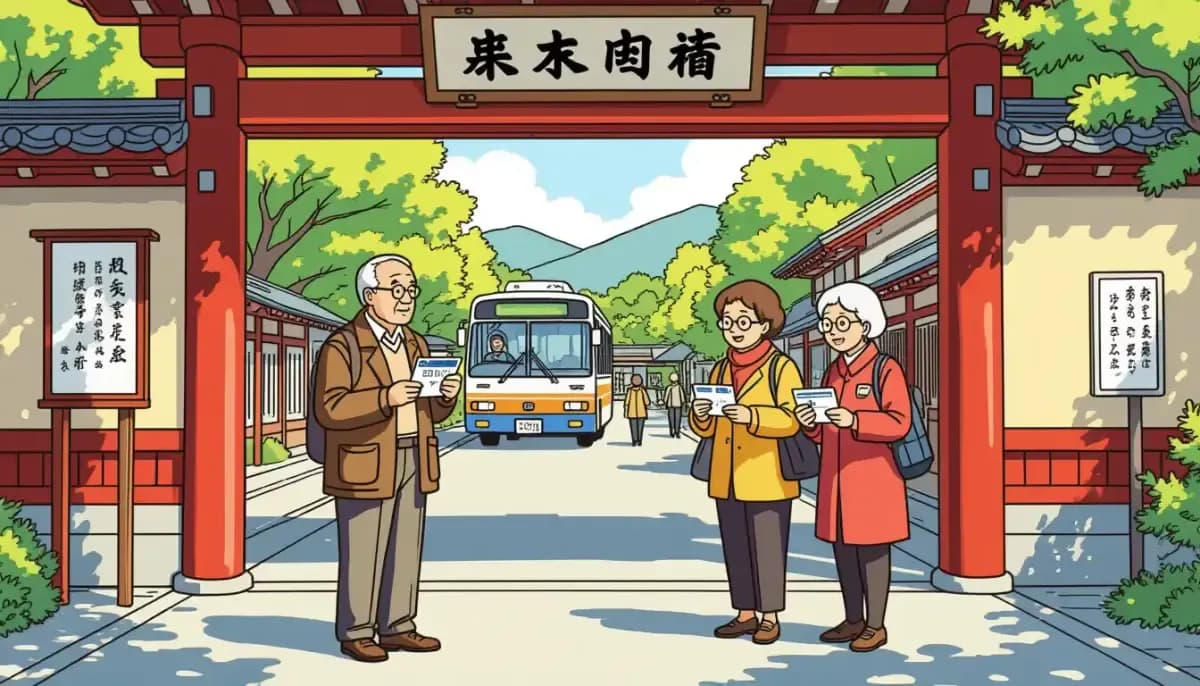
Senior Discounts and Benefits Available in Japan
Discover the full range of senior discounts and benefits available in Japan for foreign residents — from museum discounts and airline fares to long-term care insurance and reduced healthcare copayments.
Read more →
Estate Planning and Inheritance in Japan for Foreigners
Complete guide to estate planning and inheritance in Japan for foreigners. Learn about inheritance tax rates, visa status rules, making a will, and strategies to protect your assets.
Read more →
Part Time Work After Retirement in Japan
A complete guide for foreigners on working part-time after retirement in Japan. Covers visa requirements, best job types, financial planning, and how to find work as a retired expat.
Read more →
Social Security Agreements Between Japan and Other Countries
Complete guide to Japan's social security agreements for foreigners: which countries are included, how to avoid double contributions, certificate of coverage, pension totalization, and lump-sum withdrawal rules.
Read more →
Nursing and Elder Care Options in Japan
A complete guide to elder care in Japan for foreigners: how Japan's Long-Term Care Insurance (Kaigo Hoken) works, types of facilities, costs, and tips for non-Japanese residents navigating the system.
Read more →