
Senior Discounts and Benefits Available in Japan

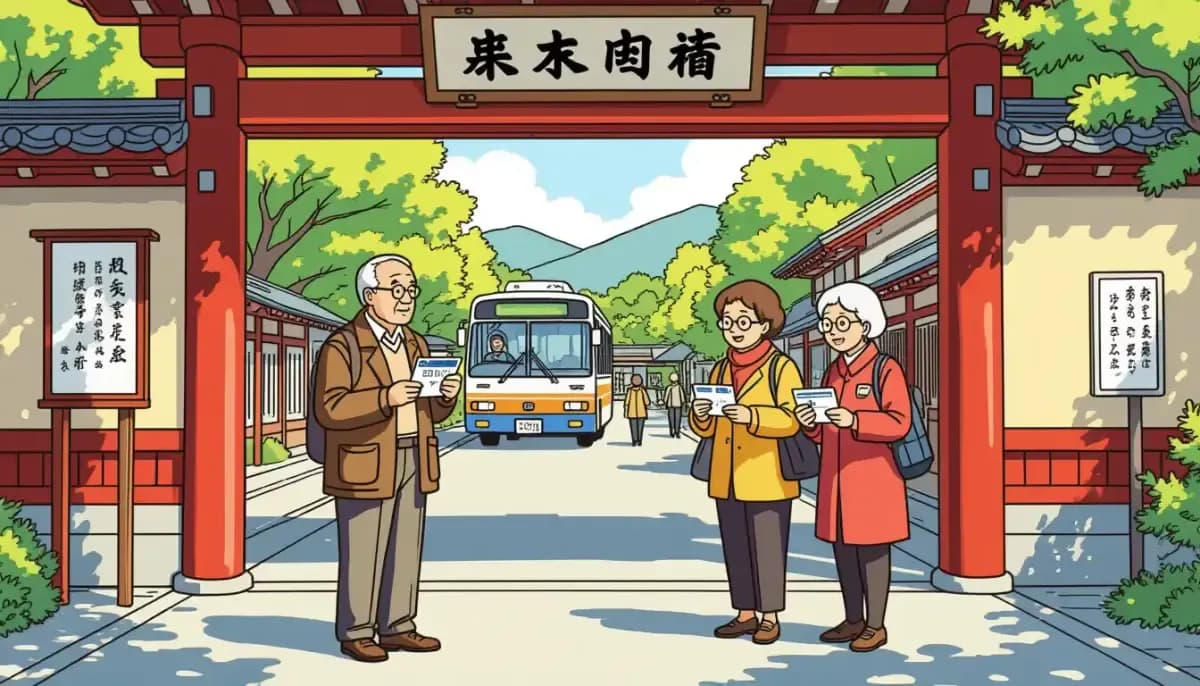
Discover the full range of senior discounts and benefits available in Japan for foreign residents — from museum discounts and airline fares to long-term care insurance and reduced healthcare copayments.
Senior Discounts and Benefits Available in Japan: A Complete Guide for Foreign Residents
Japan is one of the world's most senior-friendly countries — and not just for Japanese citizens. As a foreign resident aged 60 or older, you have access to a wide range of discounts, welfare programs, and services that can significantly improve your quality of life and reduce your cost of living. Whether you're a long-term expat planning to age in Japan or newly considering retirement here, this guide covers every major benefit available to you.
Japan's population is one of the oldest in the world: over 29% of its population is aged 65 or older. This demographic reality has pushed the government to build an extensive support system — and because most benefits are tied to residency status, not nationality, foreign residents with valid visas can access nearly all of them.
Who Qualifies for Senior Benefits in Japan?
Understanding eligibility is the first step. Most senior benefits in Japan are based on age and residency status, not nationality. Here's a general overview:
- Age 40+: Enrolled in Long-Term Care Insurance (kaigo hoken) automatically
- Age 65+: Eligible for most attraction, transportation, and cultural discounts
- Age 70+: Reduced healthcare copayments (from 30% to 20%)
- Age 75+: Further reduced healthcare copayment (10% for most; 30% for high-income)
- Permanent Residents / Long-Term Visa Holders: Full access to welfare programs
If you hold a valid residence card (zairyu card) and are registered in the municipal system, you can access municipal-level discounts and services just as a Japanese citizen would. Always carry your My Number card or residence card when claiming benefits.
For a broader understanding of Japan's social welfare systems, including pension and healthcare, see our Complete Guide to Healthcare in Japan for Foreigners.
Attraction and Cultural Discounts
Some of the most immediate and practical benefits for seniors in Japan are discounts at museums, temples, shrines, castles, and parks. These are available to everyone of eligible age, regardless of nationality — and your passport or residence card is all you need to verify your age.
Key Discount Points:
- National museums: Free or heavily discounted admission for those 65 and older (e.g., Tokyo National Museum is free for permanent residents 65+)
- Prefectural museums and art galleries: Most offer 30–50% discount for seniors
- World Heritage Sites and castles: Age-based discounts typically activate at 65 or 70
- Botanical gardens and zoos: Often free or ¥100 entry for seniors
The Tokyo Museum Grutto Pass is especially useful for those living in or visiting Tokyo. This single QR-code pass provides admission tickets and discount coupons for 102 museums and cultural facilities across the Tokyo metropolitan area. It's valid for two months from first use and is available for purchase online and at participating venues.
In Nara, seniors can enjoy free admission to all prefectural sites. The Nikko and Kinugawa areas offer special passes combining travel and admission benefits. Many cities have their own local programs worth researching at your municipal office.
Tip: Always ask "シニア割引はありますか?" (Shinia waribiki wa arimasu ka? — "Is there a senior discount?") when purchasing admission tickets. Many discounts are not prominently advertised but are available if you ask.
For a comprehensive look at culture and entertainment, check our Complete Guide to Japanese Festivals and Traditions.
Transportation Discounts for Senior Residents
Transportation discounts for seniors in Japan are primarily residence-based, meaning they apply to registered residents rather than tourists. This is good news for long-term foreign residents.
Public Transportation (Buses and Trains):
Many cities and municipalities offer senior discount passes for local public transportation. Requirements and benefits vary:
- Sapporo Keiro Pass: Residents aged 70 and older can use public buses and subways at significantly reduced fares
- Tokyo: Senior residents can apply for various public transit subsidies through their ward office
- Osaka, Kyoto, Nagoya: Similar municipal programs exist; check your local city hall for specific programs
These cards are typically applied for at your local city/ward office (shiyakusho or kuyakusho). Bring your residence card and proof of age. Processing time is usually the same day.
Airline Discounts:
Even if you don't have a Japanese transportation card, you can still save on air travel:
- ANA Senior Special: Available to ANA Mileage Club members aged 65 and older on domestic flights. Offers significant savings on last-minute travel.
- JAL Senior Citizen Fare: Available to JAL Mileage Bank members aged 65 and older on domestic routes. Discounts apply to select flights and must be booked through the JAL website.
Both programs require membership in the respective airline's loyalty program, which is free to join. Discounts can be 30–50% compared to standard fares.
For more details on getting around Japan efficiently, see our Complete Guide to Transportation in Japan.
| Benefit Type | Age Requirement | Who Qualifies | How to Access |
|---|---|---|---|
| Museum/attraction discounts | 65–70+ | All residents + tourists | Show passport/ID at entrance |
| Sapporo Keiro Pass | 70+ | Sapporo residents only | Apply at ward office |
| Tokyo public transit subsidies | Varies (65–70) | Tokyo residents | Apply at ward office |
| ANA Senior Special | 65+ | ANA Mileage Club members | Book via ANA website |
| JAL Senior Citizen Fare | 65+ | JAL Mileage Bank members | Book via JAL website |
| Healthcare reduced copay | 70–74: 20% / 75+: 10% | All insured residents | Automatic with health card |
| Long-Term Care Insurance | 40+ (enroll), 65+ (full benefits) | All residents incl. foreigners | Automatic enrollment |
Healthcare Benefits for Seniors
Healthcare is one of the most significant areas where Japan's senior support system shines — and foreign residents are included.
Reduced Copayments:
Japan's universal healthcare system (National Health Insurance or company health insurance) requires patients to pay a portion of their medical bills:
- Ages 6–69: 30% copayment
- Ages 70–74: 20% copayment (reduced from 30%)
- Ages 75 and older (Latter-Stage Elderly Medical System / Koukikoureisha Iryou Seido): 10% copayment for most; 30% for high-income earners
Once you turn 75, you are automatically moved into the Koukikoureisha Iryou Seido (Latter-Stage Elderly Medical Insurance System). Your ward office will send notification and a new insurance card before your birthday. Foreign permanent residents and long-term visa holders are included in this system.
Free Health Checkups:
Municipal governments provide free or low-cost annual health screenings (kenko shindan) for residents aged 40 and older. These typically include blood pressure, blood sugar, cholesterol, and other basic screenings. Many ward offices also offer cancer screenings, dental checkups, and vision tests at heavily subsidized rates for seniors.
For complete information on Japan's healthcare system, visit our Complete Guide to Healthcare in Japan for Foreigners and the Japan Health Policy resource at Japan Health Policy NOW.
Long-Term Care Insurance (Kaigo Hoken)
One of Japan's most important programs for elderly residents is the Long-Term Care Insurance system (kaigo hoken), which launched in 2000. All residents aged 40 and older, including foreigners, are required to enroll and pay premiums. In return, they are entitled to care services when needed.
How It Works:
- Category 1 (65+): Full access to care services regardless of cause of disability/need
- Category 2 (40–64): Access to services if the condition is caused by aging-related diseases (e.g., dementia, Parkinson's)
The insurance covers up to 90% of the cost of approved care services, including:
- Home visit nursing and personal care (houmonkaigo)
- Day service centers (day care for seniors)
- Short-stay facilities
- Specialized nursing home admission
- Assistive equipment rental (wheelchairs, hospital beds, etc.)
- Home modification subsidies
To access benefits, you must apply for a care needs assessment (yōkaigo nintei) at your local ward/city office. A care manager (keamanejaa) will help you plan and coordinate services.
Japan's long-term care expenditure has grown dramatically — from ¥3.6 trillion in 2000 to over ¥11.7 trillion in 2019, reflecting both an aging population and expanded services. This investment means the quality and availability of care services is high.
For retirement planning context, see Living in Nihon's Retirement and Aging Guide for Foreigners.
Shopping and Lifestyle Discounts
Beyond government programs, many private businesses offer senior discounts that foreign residents can take advantage of.
Common Senior Discounts at Businesses:
- Convenience stores (Lawson, FamilyMart): Some chains offer Lawson Senior Member discounts
- Supermarkets: Many chains have dedicated senior discount days (usually midweek)
- Movie theaters (Toho, Aeon Cinema): Senior tickets are typically ¥1,100–¥1,200 vs. standard ¥1,800–¥2,000
- Restaurants: Family restaurants like Denny's Japan and Royal Host often offer senior menus
- Hair salons: Many offer dedicated senior pricing
- Onsen and public baths (sento): Reduced entry fees for seniors aged 60 or 65+
The key is to always ask. Japan's discount culture often means deals aren't prominently displayed. A simple inquiry — especially if you have a senior discount card from your municipality — will often yield savings.
For smart shopping strategies in Japan, see our Complete Guide to Shopping in Japan for Foreigners.
Pension and Financial Benefits
If you have lived and worked in Japan long enough, you may be entitled to pension benefits. Japan's National Pension (Kokumin Nenkin) is available to foreign residents who:
- Were enrolled in the system for at least 10 years (from 2017 onward; previously 25 years)
- Are aged 65 and older
Even if you leave Japan before retirement, a Lump-Sum Withdrawal Payment (dattai ichijikin) can be claimed within 2 years of leaving if you haven't met the eligibility requirements for pension. The exact amount depends on how many months you contributed.
For detailed pension and financial guidance, visit our Complete Guide to Banking and Finance in Japan for Foreigners, and consult the resources available at For Work in Japan for employment and income-related matters.
For comprehensive IT career and financial planning resources in Japan, Ittenshoku provides useful career transition guides that may help you plan your retirement income strategy.
How to Access Benefits: Practical Steps
Getting started with senior benefits in Japan is straightforward once you know the process:
- Register your address at your local ward/city office (if not already done)
- Obtain a My Number card — this streamlines access to many government services
- Visit your local welfare section (fukushi madoguchi) at the ward office and explain your situation
- Apply for care needs assessment if you need long-term care support
- Get your senior discount card (where applicable) from the municipal office
- Ask at venues whether senior discounts apply before paying
Municipal offices have English support or multilingual staff in many urban areas. Organizations like Tokyo's Foreign Residents Advisory Center (FRAC) can also help navigate bureaucratic processes.
For more information on settling into Japanese daily life as a foreigner, see our Complete Guide to Daily Life in Japan for Foreigners.
Summary: Key Senior Benefits at a Glance
Japan's senior benefit system is extensive, well-funded, and fully accessible to foreign long-term residents. Here's what to prioritize:
- Attraction discounts: Start using immediately — just show ID
- Airline discounts: Join ANA/JAL loyalty programs and book through their senior fare portals
- Municipal transport cards: Apply at your ward office if you're 70+
- Healthcare copay reduction: Happens automatically at 70 and 75
- Long-term care insurance: You're already enrolled if you're over 40 — apply for assessment when needed
- Health screenings: Check your ward office's annual schedule and sign up for free checkups
- Pension: Track your enrollment years and consult a pension specialist if you plan to retire in Japan
Japan rewards long-term residents who understand the system. The combination of affordable healthcare, generous cultural discounts, and a comprehensive care system makes Japan one of the best countries in the world to grow old in — regardless of where you were born.
For the full picture of retiring and aging in Japan, visit Living in Nihon's Retirement and Aging Guide for Foreigners.

Originally from Vietnam, living in Japan for 16+ years. Graduated from Nagoya University, with 11 years of professional experience at Japanese and international companies. Sharing information about living in Japan for foreigners.
View Profile →Related Articles
Volunteer and Social Opportunities for Retirees in Japan
Discover the best volunteer opportunities and social activities for foreign retirees in Japan. From Hands On Tokyo to Fureai Kippu time banks, find your place in Japanese community life.
Read more →
Estate Planning and Inheritance in Japan for Foreigners
Complete guide to estate planning and inheritance in Japan for foreigners. Learn about inheritance tax rates, visa status rules, making a will, and strategies to protect your assets.
Read more →
Part Time Work After Retirement in Japan
A complete guide for foreigners on working part-time after retirement in Japan. Covers visa requirements, best job types, financial planning, and how to find work as a retired expat.
Read more →
Social Security Agreements Between Japan and Other Countries
Complete guide to Japan's social security agreements for foreigners: which countries are included, how to avoid double contributions, certificate of coverage, pension totalization, and lump-sum withdrawal rules.
Read more →
Nursing and Elder Care Options in Japan
A complete guide to elder care in Japan for foreigners: how Japan's Long-Term Care Insurance (Kaigo Hoken) works, types of facilities, costs, and tips for non-Japanese residents navigating the system.
Read more →
Senior Activity and Community Centers in Japan
Discover Japan's senior activity centers including kominkan, rojin fukushi centers, and international centers. A practical guide for foreign residents aged 60+ in Japan.
Read more →