
Volunteer and Social Opportunities for Retirees in Japan

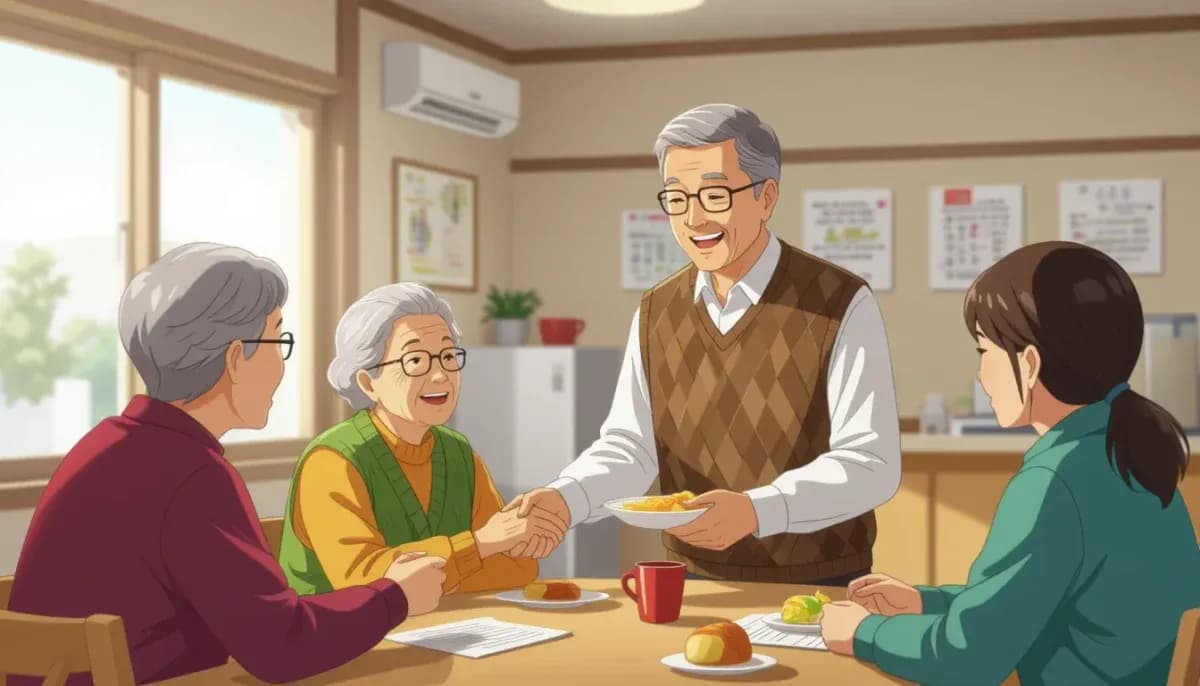
Discover the best volunteer opportunities and social activities for foreign retirees in Japan. From Hands On Tokyo to Fureai Kippu time banks, find your place in Japanese community life.
Volunteer and Social Opportunities for Retirees in Japan
Retiring in Japan offers much more than quiet contemplation and beautiful scenery. For foreign retirees, the country presents a rich landscape of volunteer work, community engagement, and social activities that can transform your golden years into a deeply meaningful chapter of life. With Japan's rapidly aging society and a longstanding culture of community service, retirees — including foreigners — are welcomed and even needed as active participants in local life.
Whether you want to teach English to local children, help with disaster relief, tend a community garden, or simply connect with like-minded people over shared hobbies, Japan's vibrant volunteer and social scene has something for everyone. This guide walks you through everything you need to know about finding your place in Japanese community life as a foreign retiree.
Why Volunteering Matters for Retirees in Japan
Japan is home to the world's most aged population — approximately 27.7% of Japanese residents are over 65 years old, a figure that continues to grow. This demographic reality has created both a need and an opportunity: local governments, NPOs, and community organizations are actively seeking volunteers to fill gaps in social welfare, elder care, disaster preparedness, and international exchange.
For foreign retirees, volunteering offers unique rewards beyond civic contribution. It provides:
- Social connection in a country where making friends can feel challenging as an outsider
- Language immersion — real-life Japanese practice that no textbook can replicate
- Purpose and structure to daily retirement life
- Community belonging — a feeling of being part of Japan, not just living in it
Research published in Japanese academic journals confirms that volunteering is associated with significantly reduced rates of depression and loneliness among older adults in Japan. For foreign retirees who may feel isolated by language or cultural barriers, this social benefit is particularly important.
Japan's NPO Law, enacted in 1998, formally integrated volunteerism into Japanese society, and today thousands of NPOs operate across the country — many actively welcoming English-speaking volunteers. The nation's community volunteer infrastructure is robust, well-organized, and increasingly bilingual.
Top Volunteer Organizations for Foreigners in Japan
Finding the right volunteer fit starts with knowing where to look. Here are the most foreigner-friendly organizations operating across Japan:
Hands On Tokyo
One of the most accessible entry points for English-speaking volunteers, **Hands On Tokyo** is a bilingual NPO that connects volunteers with diverse opportunities across the city. Projects range from supporting children's homes and special needs programs to elderly care facilities, environmental activities, and disaster relief. Their website is fully in English, and volunteer shifts are designed to be flexible — ideal for retirees who want to contribute without overcommitting.
Tokyo Voluntary Action Center (TVAC)
The Tokyo Voluntary Action Center serves as the city's central hub for volunteer matching. You can find a comprehensive list of Tokyo volunteer opportunities at Japan Living Guide. TVAC maintains a comprehensive directory of opportunities organized into categories: social welfare, health, international exchange, environment, disaster relief, and more. English-speaking staff are available to help match your skills and schedule with appropriate placements.
Second Harvest Japan
If hunger and food insecurity concern you, Second Harvest Japan is worth exploring. Volunteers typically commit to 2.5-hour shifts covering food pickup, delivery, and packaging. The work is physical but deeply rewarding, and the organization has a strong English-language presence.
Japan Association for Refugees (JAR)
The Japan Association for Refugees supports asylum-seekers and refugees living in Japan. English-speaking volunteers are welcomed and can apply directly via email. This is a particularly meaningful option for retirees with backgrounds in legal work, counseling, social services, or translation.
Tokyo River Friends
Environmental volunteers will find a natural home with Tokyo River Friends, which organizes regular river and waterway cleanup events throughout Tokyo. The events are social, outdoor, and require no Japanese language skills.
TELL Japan
For retirees with backgrounds in psychology, counseling, or social work, TELL Japan provides mental health support and crisis counseling services. Volunteers receive training and work in a structured, professional environment.
Volunteer Opportunities by Category
| Category | Typical Organizations | Language Skills Needed | Time Commitment |
|---|---|---|---|
| Elder Care | Hands On Tokyo, local nursing homes | Basic Japanese helpful | Flexible, weekly |
| Food Relief | Second Harvest Japan | Minimal | 2.5-hour shifts |
| Environmental | Tokyo River Friends, NACS-J | Minimal | Monthly events |
| Refugee Support | Japan Association for Refugees (JAR) | English sufficient | Varies |
| Child Welfare | Mirai no Mori, YouMeWe | English helpful | Weekly/biweekly |
| Crisis Support | TELL Japan | English required | Trained shifts |
| Disaster Relief | Hands On Tokyo, TVAC network | Minimal | Event-based |
| International Exchange | Local international centers | English sufficient | Weekly |
Social Activities and Community Groups for Retirees
Volunteering is one path to connection — but Japan also offers a thriving social scene for retirees that extends well beyond formal service work.
International Community Centers
Most major cities and many mid-sized towns operate International Community Centers (国際交流センター, Kokusai Kōryū Sentā). These centers host language exchange events, cultural workshops, international friendship clubs, and social gatherings specifically designed to connect foreigners with local Japanese residents. Entry fees are typically very low or free.
Hobby Circles (サークル, Sākuru)
Japan's culture of organized hobby groups — called sākuru — is legendary. From calligraphy and ikebana (flower arranging) to hiking clubs, photography groups, and choir societies, these circles are genuinely welcoming of foreigners. Many local community centers maintain bulletin boards listing active groups, and prefectural international associations often maintain English-language directories.
Meetup and Online Communities
Digital platforms like Meetup.com and Facebook groups such as "Foreign Volunteers Japan" (14,500+ members) offer a constant stream of social events, volunteer drives, and hobby meetups across Japan's major cities. Searching for "volunteer Tokyo" or "expat community Osaka" yields dozens of active groups.
The Fureai Kippu Time Bank
One of Japan's most innovative social programs, the Fureai Kippu (ふれあいきっぷ) is a time-banking system developed in the 1970s. Participants earn time credits by helping elderly or disabled community members, which can be saved for their own future care or donated to family members in need. For retirees, this program offers a structured, reciprocal form of community engagement with long-term benefits.
For more information on building your social network as a foreigner, see our guide on making friends and social life in Japan.
Getting Started: A Practical Step-by-Step Guide
Jumping into volunteer life in Japan is easier than many retirees expect. Here's how to begin:
Step 1: Visit Your Local Volunteer Center Most cities and wards have a borantia sentā (ボランティアセンター, volunteer center), often located inside community buildings or social welfare offices. Staff can match you with opportunities based on your interests, schedule, and language level.
Step 2: Contact TVAC or a Bilingual NPO If you're in Tokyo, contact the Tokyo Voluntary Action Center directly. In other cities, search for your city name + "volunteer center" + "foreigner-friendly" or "英語対応" (eigo taiō, English-supported).
Step 3: Join Hands On Tokyo or a Similar Bilingual Platform For a broader search, GoOverseas lists volunteer programs in Japan including senior-friendly options. Register on platforms like Hands On Tokyo's website to browse upcoming events, filter by interest area, and sign up for one-off shifts before committing to a regular role.
Step 4: Start Small Many volunteers start with a single event — a cleanup day, a food distribution shift, or an international exchange party — before deciding where they want to invest regular time.
Step 5: Learn Some Basic Japanese While many organizations operate in English, learning even basic greetings and volunteer-specific vocabulary makes a significant difference. Check out our Complete Guide to Learning Japanese for resources tailored to adult learners.
For more on navigating daily life as a foreign retiree, the resources at Living in Nihon offer detailed guides on retirement planning and community life in Japan.
Volunteering and Your Visa Status
An important practical consideration: can foreigners legally volunteer in Japan?
The answer is generally yes, but with some nuance. Most short-term volunteer activities — cleanup events, one-off charity drives, cultural exchanges — are permissible for visitors and residents alike. However, there are situations where visa status matters:
- If your volunteer work could be classified as labor (regular, compensated, or commercially competitive work), it may conflict with your visa conditions
- Long-term, structured volunteer programs may require a specific visa category
- Retirees on a Long-Term Resident visa or Permanent Residency have the most flexibility
Always clarify with the volunteer organization and, if uncertain, consult Japan's immigration authorities or an immigration lawyer. For more on visa options as a retiree, see our Complete Guide to Japan Visa and Immigration and explore tips on Permanent Residency in Japan.
For employer and community support resources in Japan, For Work in Japan maintains an excellent directory of NPO services available to foreign residents.
Mental Health and Wellbeing Through Community Engagement
Retirement in a foreign country can be isolating. Language barriers, distance from family, and the challenge of building new social networks later in life are real obstacles many expat retirees face.
This is where volunteer work and social participation become more than nice-to-haves — they become essential for wellbeing.
Studies conducted in Japan consistently show that community participation significantly reduces rates of depression and cognitive decline among older adults. Structured volunteering provides:
- Regular social contact with both Japanese locals and other expats
- A sense of purpose and contribution beyond oneself
- Physical activity (many volunteer roles involve being outdoors or on your feet)
- Cognitive stimulation from learning new tasks and navigating cross-cultural interactions
For retirees struggling with the psychological adjustment to life in Japan, our guide on Mental Health and Wellbeing in Japan provides additional resources and support options.
Additional guidance on volunteering and community involvement in Japan is also available through Ittenshoku, which covers career and life transitions for foreigners in Japan.
Regional Opportunities Beyond Tokyo
While Tokyo offers the most comprehensive bilingual volunteer infrastructure, opportunities exist throughout Japan:
- Osaka and Kansai: YMCA International, Kansai Volunteer Association, Osaka International House Foundation
- Kyoto: Kyoto Multicultural Coexistence Promotion Desk, local temple and heritage conservation projects
- Rural Japan: Agricultural volunteer programs (like WWOOF Japan — Willing Workers on Organic Farms), regional disaster preparedness teams, rural English education programs
- Tohoku Region: Ongoing disaster recovery volunteer opportunities remain available in the areas affected by the 2011 earthquake and tsunami
The further from major urban centers you live, the more Japanese language skills matter — but the more deeply you'll integrate into local community life. Rural volunteer coordinators often go out of their way to accommodate foreigners who make the effort.
Conclusion: Making Japan Your Home Through Giving Back
Japan rewards those who invest in their community. For foreign retirees, volunteering and active social participation aren't just ways to fill time — they're pathways to genuine belonging in a country that can initially feel closed to outsiders.
The organizations listed in this guide, from Hands On Tokyo to TVAC and Second Harvest Japan, are actively seeking committed, compassionate volunteers. The social circles, time banks, and international centers described here are open doors waiting to be walked through.
Your retirement in Japan can be as rich and connected as you make it. Start with one event, one shift, or one meeting — and let community pull you in.
For more guidance on building a fulfilling life in Japan, explore our complete guide to Daily Life in Japan for Foreigners and our resources on Retirement in Japan.

Originally from Vietnam, living in Japan for 16+ years. Graduated from Nagoya University, with 11 years of professional experience at Japanese and international companies. Sharing information about living in Japan for foreigners.
View Profile →Related Articles
Senior Discounts and Benefits Available in Japan
Discover the full range of senior discounts and benefits available in Japan for foreign residents — from museum discounts and airline fares to long-term care insurance and reduced healthcare copayments.
Read more →
Estate Planning and Inheritance in Japan for Foreigners
Complete guide to estate planning and inheritance in Japan for foreigners. Learn about inheritance tax rates, visa status rules, making a will, and strategies to protect your assets.
Read more →
Part Time Work After Retirement in Japan
A complete guide for foreigners on working part-time after retirement in Japan. Covers visa requirements, best job types, financial planning, and how to find work as a retired expat.
Read more →
Social Security Agreements Between Japan and Other Countries
Complete guide to Japan's social security agreements for foreigners: which countries are included, how to avoid double contributions, certificate of coverage, pension totalization, and lump-sum withdrawal rules.
Read more →
Nursing and Elder Care Options in Japan
A complete guide to elder care in Japan for foreigners: how Japan's Long-Term Care Insurance (Kaigo Hoken) works, types of facilities, costs, and tips for non-Japanese residents navigating the system.
Read more →
Senior Activity and Community Centers in Japan
Discover Japan's senior activity centers including kominkan, rojin fukushi centers, and international centers. A practical guide for foreign residents aged 60+ in Japan.
Read more →