
Part Time Work After Retirement in Japan


A complete guide for foreigners on working part-time after retirement in Japan. Covers visa requirements, best job types, financial planning, and how to find work as a retired expat.
Part Time Work After Retirement in Japan: A Complete Guide for Foreigners
Retirement doesn't have to mean the end of your working life — especially in Japan. With one of the world's most rapidly aging populations, Japan actively encourages older workers to stay employed, and foreigners are no exception. Whether you're looking to supplement your pension, stay socially active, or simply continue doing meaningful work, part-time employment after retirement in Japan is a realistic and increasingly common path for expats.
This guide covers everything you need to know: the legal framework, visa requirements, the best types of work available, and practical tips to help you navigate the Japanese job market as a retired foreigner.
Understanding Japan's Retirement and Reemployment System
Japan's approach to retirement is unique. While many countries set a fixed retirement age, Japan's legal framework is far more flexible — and worker-friendly.
By law, companies cannot set a mandatory retirement age below 60. As of 2021, businesses are legally required to provide employment opportunities for workers up to age 65, and must make "best efforts" to extend opportunities to age 70. This means that in practice, many workers — both Japanese and foreign — continue working well past 60.
The statistics tell the story clearly: the average effective retirement age in Japan is 69.5 years for men and 66.5 years for women, far above the statutory minimum. A full 96.1% of companies in Japan maintain a mandatory retirement system, but the vast majority pair this with reemployment schemes designed to keep experienced workers engaged.
The most common path is rehiring retirees as shokutaku shain (嘱託社員), or contract employees on one-year fixed-term contracts. This typically involves similar job duties but at significantly reduced pay, with fewer benefits. It's a transition, not a cliff — and for many expats, it serves as an ideal bridge into a more flexible semi-retirement lifestyle.
For more about working in Japan's broader employment landscape, see our Complete Guide to Working in Japan as a Foreigner.
Visa Status: The Most Important Factor for Retired Foreigners
Before considering what kind of part-time work you want, you need to understand your visa situation. This is the single most important factor governing what you can and cannot legally do.
Japan has no retirement visa. Unlike some countries that offer dedicated visas for retirees, Japan requires all long-term residents to maintain a valid status of residence tied to specific activities.
Here's how visa status affects your work options:
| Visa Type | Part-Time Work Allowed? | Notes |
|---|---|---|
| Permanent Resident (永住者) | Yes, unrestricted | Most flexible — work any job, any hours |
| Long-Term Resident (定住者) | Yes, unrestricted | Similar to PR for work purposes |
| Spouse of Japanese National | Yes, unrestricted | Must maintain marital status |
| Work Visa (specific type) | Only within visa category | Requires employer sponsorship |
| Designated Activities | Restricted or none | Check permit conditions carefully |
| Tourist / Short-Term Stay | No work permitted | Violations can result in deportation |
If you currently hold a work visa and retire from your sponsoring employer, you typically have three months to secure new employment under the same visa category — or to change your status. Failing to do so may result in your visa becoming invalid.
The safest path for long-term retired expats is to hold Permanent Residency, which allows completely unrestricted employment, including part-time, freelance, and self-employed work. For guidance on navigating immigration and visa changes, see our Complete Guide to Japan Visa and Immigration.
Best Part-Time Jobs for Retired Foreigners in Japan
The Japanese job market has several areas where retired expats — particularly those with English fluency and overseas professional experience — are in high demand.
1. English Teaching and Language Education
English teaching remains the most accessible entry point for many retired expats. Language schools, universities, and private tutoring clients actively recruit experienced speakers, and age is rarely a disadvantage. Many retired professionals find part-time teaching at the rate of 2-4 days per week both financially rewarding and socially stimulating.
Options include:
- Eikaiwa schools (conversation schools): evening and weekend classes
- University part-time lectureships: typically 90-minute classes a few days a week
- Private tutoring: flexible hours, set your own schedule
- Business English coaching: particularly valued if you have corporate experience
A teaching position at a university typically pays ¥3,000–¥8,000 per 90-minute class, while private tutoring can fetch ¥4,000–¥10,000 per hour depending on your specialization. For a deep dive into teaching as a career path, see our Complete Guide to Teaching English in Japan.
2. Consulting and Expert Advisory Work
If you had a professional career in finance, engineering, IT, law, or international business, your expertise may be in high demand from Japanese companies seeking global perspectives. Consulting work is particularly attractive because it can be done on your own terms — a few projects a month, or more intensive engagements when you choose.
Japan's consulting market increasingly values senior foreign professionals who can bridge cultural gaps, and many opportunities come through word-of-mouth networking or platforms like LinkedIn.
3. Remote Work and Freelancing
For those with skills in writing, coding, design, or digital marketing, remote work offers the ultimate flexibility. You can work from home, a café, or a co-working space on projects from clients around the world — all while enjoying the benefits of living in Japan.
Since 2020, remote work has become far more normalized in Japan. Freelancers are generally required to register as individual proprietors (個人事業主) with the local tax office and file annual tax returns. For details on managing your tax obligations, see our Complete Guide to Taxes in Japan for Foreigners.
4. Hospitality and Tourism
Japan's thriving tourism industry is always looking for multilingual staff, especially as inbound tourism continues to grow. Part-time roles at hotels, ryokan, tourist information centers, or guided tour operations are a great fit for retired expats who enjoy meeting people.
These positions tend to pay less than professional roles (¥1,100–¥1,500 per hour), but the social dimension and connection to Japan's rich culture often make them deeply rewarding.
5. Agricultural and Rural Work (Local Revitalization)
An often-overlooked option is participating in Japan's local revitalization (地方創生) initiatives. Some rural municipalities actively welcome foreign residents willing to contribute to community farming, cultural preservation, or eco-tourism projects. These are typically low-paid or volunteer-based but may come with housing subsidies and strong community ties.
Financial Planning: Making the Numbers Work
Working part-time in retirement means balancing your income from multiple sources. Here's a framework for planning:
| Income Source | What to Expect |
|---|---|
| Japanese public pension (厚生年金/国民年金) | Eligibility from age 65; requires 10+ years of contributions |
| Home country pension | Depends on your nationality and bilateral agreements with Japan |
| Part-time employment income | ¥50,000–¥200,000+/month depending on type of work |
| Investment income | Dividends, rental income, etc. |
| Savings drawdown | Match to monthly expense gap |
Monthly living costs vary significantly by region:
- Tokyo: ¥213,000–¥360,000 per month
- Fukuoka: ¥126,000–¥215,000 per month
- Rural areas: ¥86,000–¥167,000 per month
If your pension income doesn't cover your target lifestyle, part-time work filling a gap of ¥50,000–¥150,000 per month is very achievable, even working just 2-3 days per week.
Note that income earned in Japan is subject to Japanese income tax. Part-time income from employment is typically taxed at source by the employer. Freelance and consulting income must be reported on your annual tax return (確定申告). Japan has bilateral tax treaties with many countries to avoid double taxation — check whether your home country has one with Japan.
For comprehensive information on managing your finances in Japan, read our Complete Guide to Banking and Finance in Japan and Complete Guide to Taxes in Japan for Foreigners.
Practical Steps to Finding Part-Time Work in Retirement
Step 1: Confirm Your Visa Status
Before applying for any work, verify that your current visa or residence status permits the work you have in mind. Visit your local Immigration Services Agency office or consult an immigration lawyer if you're uncertain.
Step 2: Update Your Japanese Skills
Even basic Japanese goes a long way in the job market. Many part-time roles require at least conversational ability, and demonstrating cultural effort is valued by Japanese employers. See our Complete Guide to Learning Japanese as a Foreigner for study strategies.
Step 3: Build Your Network
In Japan, many opportunities — especially consulting and teaching roles — come through personal connections rather than formal job listings. Join expat professional networks, attend industry events, and connect with other long-term foreign residents.
Step 4: Use the Right Job Platforms
Several platforms cater specifically to English-speaking workers in Japan:
- GaijinPot Jobs — large listings for English speakers
- Daijob — bilingual jobs
- Hello Work (ハローワーク) — Japan's public employment service, also open to foreigners
- LinkedIn — effective for consulting and professional roles
Step 5: Understand Your Tax and Social Insurance Obligations
Depending on your hours and employer, you may be required to enroll in health insurance and pension even in a part-time role. Generally, working 30+ hours per week at a company triggers social insurance enrollment. Part-time workers below this threshold typically join the National Health Insurance system independently. For a full overview of healthcare coverage, see our Complete Guide to Healthcare in Japan for Foreigners.
Additional Resources
For further guidance from experts in the expat Japan space, these resources are invaluable:
- Retirement Planning Guide for Foreigners in Japan — Living in Nihon
- Freelancing and Self-Employment in Japan — For Work in Japan
- IT転職・フリーランスガイド — Ittenshoku
- Working Past 60 in Japan: Retirement Age and Reemployment — Japan Handbook
- How to Retire in Japan as a Foreigner — MailMate
Conclusion: Retirement in Japan Can Include Meaningful Work
Japan's legal framework, aging workforce dynamics, and high demand for international talent make it one of the more welcoming environments in Asia for foreigners who want to work part-time after retirement. The key is aligning your work choices with your visa status, understanding your tax obligations, and tapping into the networks and job platforms that cater to English-speaking residents.
Whether you're tutoring English students on a quiet afternoon, consulting for a Japanese firm on global expansion, or running a freelance writing business from a Kyoto café, post-retirement work in Japan can be genuinely fulfilling — financially and personally. Start with your visa, plan your finances, and take it one step at a time.
For a broader view of life in Japan as a long-term resident, explore our Complete Guide to Daily Life in Japan for Foreigners.

Originally from Vietnam, living in Japan for 16+ years. Graduated from Nagoya University, with 11 years of professional experience at Japanese and international companies. Sharing information about living in Japan for foreigners.
View Profile →Related Articles
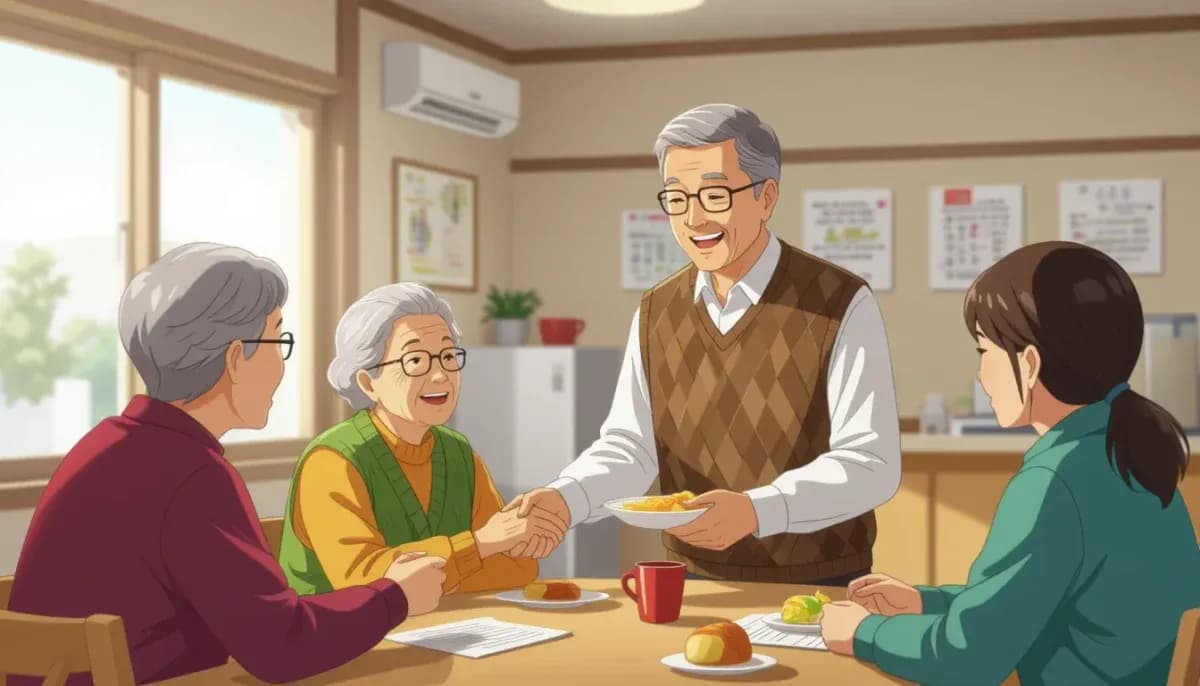
Volunteer and Social Opportunities for Retirees in Japan
Discover the best volunteer opportunities and social activities for foreign retirees in Japan. From Hands On Tokyo to Fureai Kippu time banks, find your place in Japanese community life.
Read more →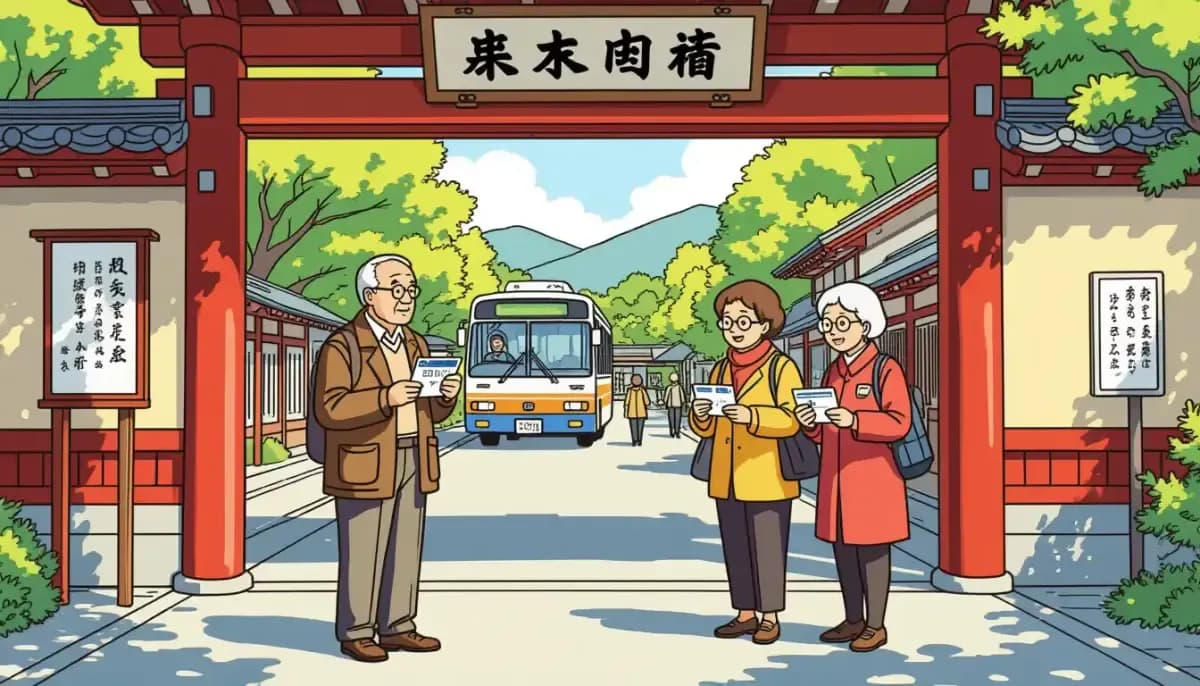
Senior Discounts and Benefits Available in Japan
Discover the full range of senior discounts and benefits available in Japan for foreign residents — from museum discounts and airline fares to long-term care insurance and reduced healthcare copayments.
Read more →
Estate Planning and Inheritance in Japan for Foreigners
Complete guide to estate planning and inheritance in Japan for foreigners. Learn about inheritance tax rates, visa status rules, making a will, and strategies to protect your assets.
Read more →
Social Security Agreements Between Japan and Other Countries
Complete guide to Japan's social security agreements for foreigners: which countries are included, how to avoid double contributions, certificate of coverage, pension totalization, and lump-sum withdrawal rules.
Read more →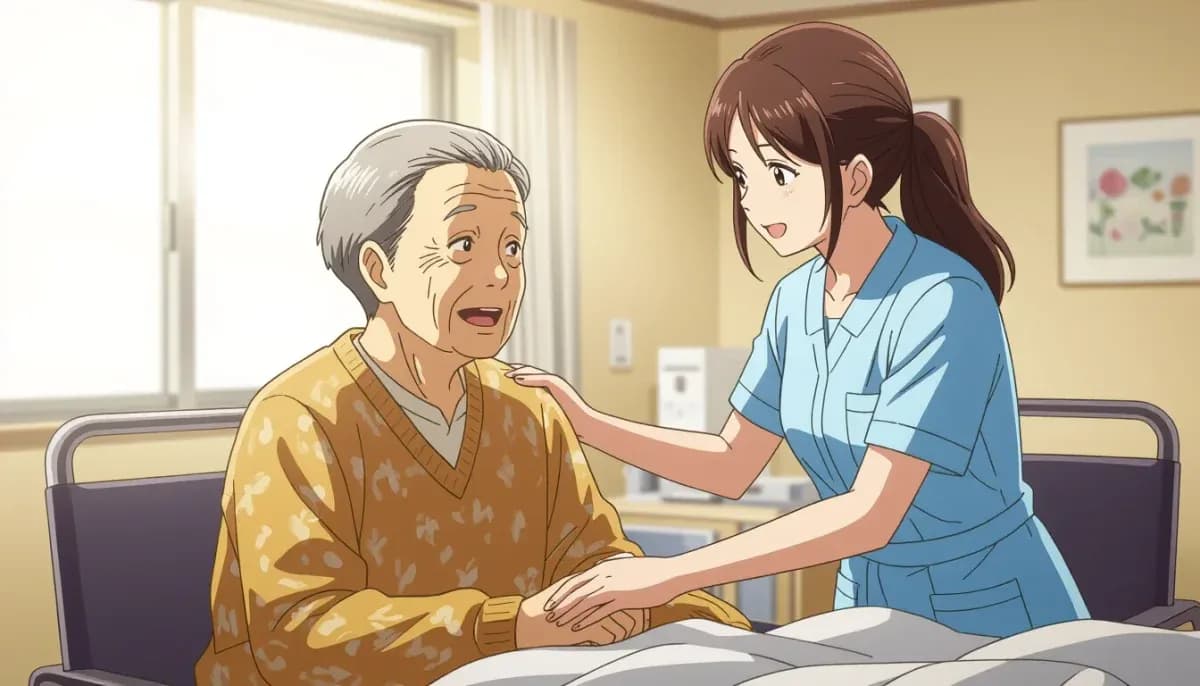
Nursing and Elder Care Options in Japan
A complete guide to elder care in Japan for foreigners: how Japan's Long-Term Care Insurance (Kaigo Hoken) works, types of facilities, costs, and tips for non-Japanese residents navigating the system.
Read more →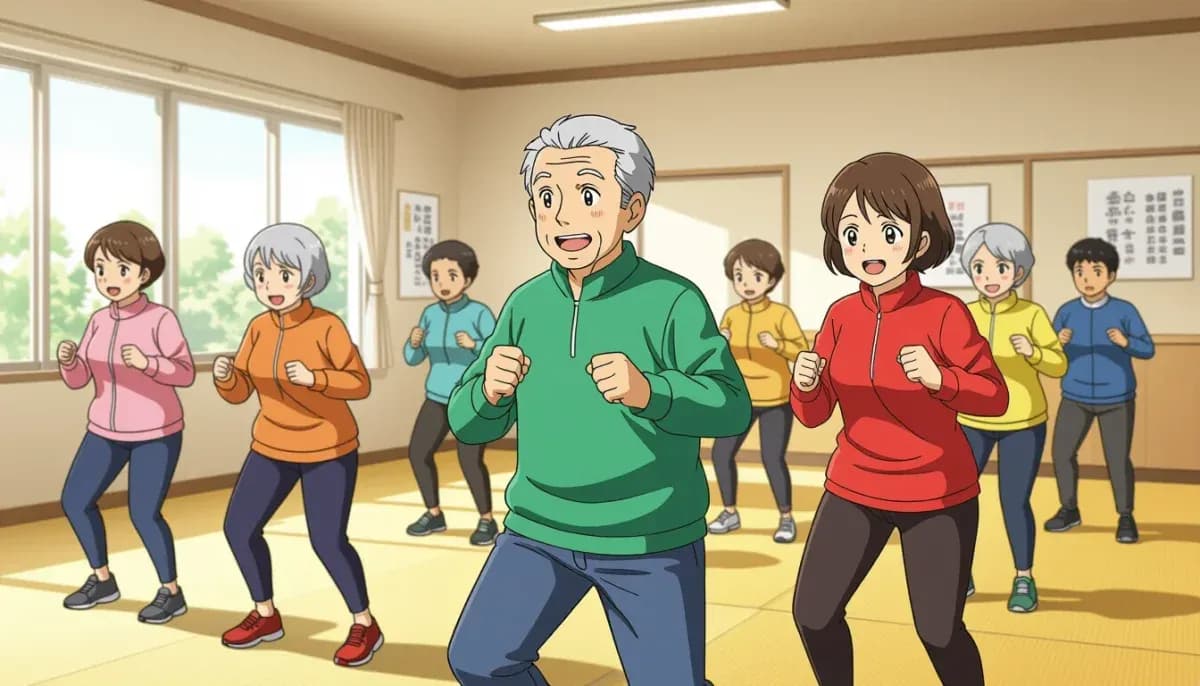
Senior Activity and Community Centers in Japan
Discover Japan's senior activity centers including kominkan, rojin fukushi centers, and international centers. A practical guide for foreign residents aged 60+ in Japan.
Read more →