
Senior Activity and Community Centers in Japan

Discover Japan's senior activity centers including kominkan, rojin fukushi centers, and international centers. A practical guide for foreign residents aged 60+ in Japan.
Senior Activity and Community Centers in Japan: A Complete Guide for Foreigners
Japan is home to one of the world's oldest populations — with over 36 million people aged 65 and above making up nearly 30% of the total population. For foreign residents aging in Japan, or those helping elderly family members navigate life here, understanding the country's robust network of senior activity and community centers is essential. These facilities offer not just recreation, but a gateway to social connection, health maintenance, and a sense of belonging in Japanese society.
Whether you're a retiree settling in Japan, an expat curious about senior services, or a younger foreigner supporting an elderly loved one, this guide covers everything you need to know about Japan's senior centers — from traditional kominkan to specialized rojin fukushi centers.
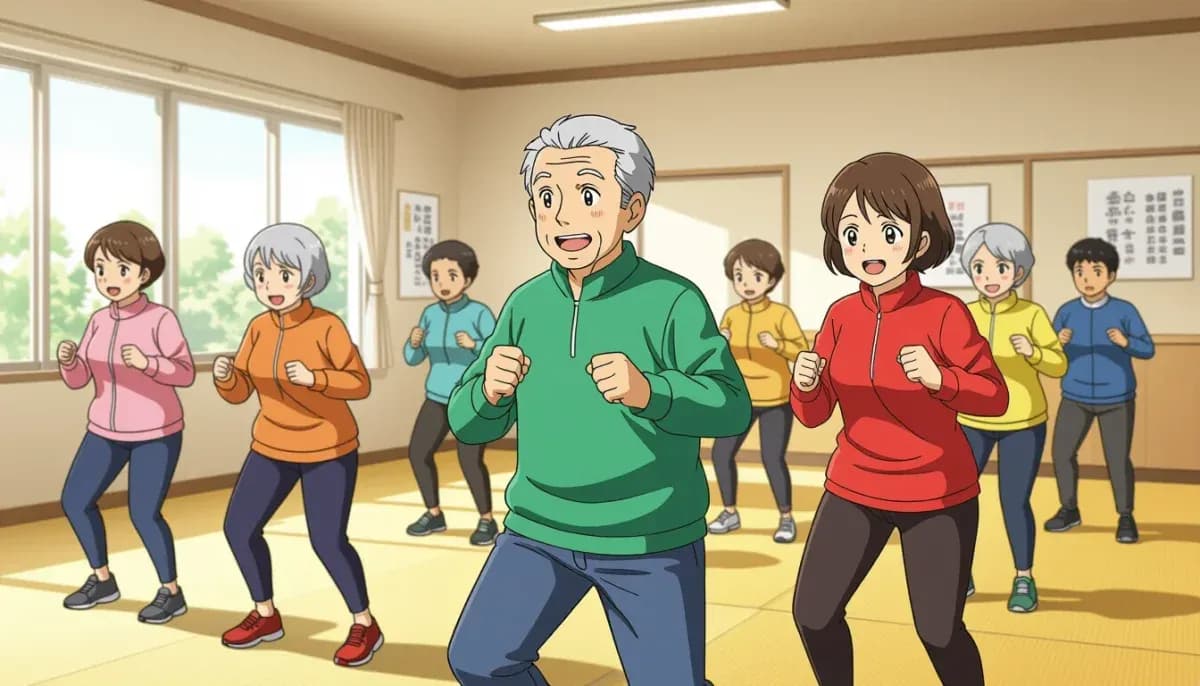
!Elderly people doing group activities at a Japanese community center

Understanding Japan's Senior Center System
Japan has developed one of the most comprehensive elderly welfare systems in the world, driven by decades of policy-making in response to its rapidly aging society. The foundation was laid by the 1963 Welfare Law for the Elderly (Rōjin Fukushi Hō), which established national funding for senior clubs, senior centers, and care hostels throughout the country.
Today, three main types of centers serve elderly residents:
| Facility Type | Japanese Name | Who Can Use It | Cost |
|---|---|---|---|
| Community Center | 公民館 (Kominkan) | All residents | Free or very low |
| Senior Welfare Center | 老人福祉センター (Rojin Fukushi Center) | Ages 60+ | Free or very low |
| Senior Resting Place | いこいの家 (Ikoi no Ie) | Ages 60+ | Free |
| International Center | 国際交流センター | All (multilingual) | Free or low |
| Day Service Center | デイサービスセンター | Care insurance users | Covered by insurance |
These facilities are administered at the city or ward level, meaning services and access policies vary somewhat by location. However, most welcome foreign residents who hold a valid residence card (zairyu card).
Kominkan: Japan's All-Purpose Community Centers
The kominkan (公民館) is the backbone of community life in Japan. With over 16,000 kominkan nationwide — more than the total number of secondary schools in the country — these centers are accessible to virtually everyone. Approximately 50,000 staff members work across these facilities, and they are present in cities, towns, and even small rural villages.
Originally established in 1940 and revitalized after World War II, kominkan serve residents of all ages but have become particularly popular among seniors who have more free time after retirement.
What Activities Are Offered?
Kominkan offer a remarkably broad range of activities, including:
- Arts and crafts: calligraphy (shodo), origami, pottery, ikebana (flower arranging), watercolor painting
- Music and performance: koto, shamisen, traditional dance, karaoke
- Exercise and sports: yoga, stretching, tai chi, walking groups
- Educational programs: local history lectures, computer classes, cooking workshops
- Cultural exchange: some kominkan offer Japanese language classes and welcome international residents for cross-cultural programming
Activities are typically organized through clubs (circles) that meet weekly or monthly. Many programs are free or cost just a few hundred yen per session.
How Foreigners Can Join
Most kominkan are open to all residents regardless of nationality. To join:
- Visit your local kominkan — find it by searching "[your city name] 公民館" or asking at the city hall
- Show your residence card — you'll need to prove you're a local resident
- Pick up a program schedule — usually available in a printed monthly or quarterly booklet
- Sign up for a class or club — some are open enrollment, others require registration
- Bring a small fee if required — most activities cost ¥100–¥500 per session
Language can be a barrier, but many longtime members are patient and welcoming. Bringing a Japanese-speaking friend the first time can help you get settled in.
Rojin Fukushi Centers: Senior-Specific Welfare Hubs
Rojin Fukushi Centers (老人福祉センター) are dedicated senior centers for people aged 60 and above. They are funded by municipal governments and designed specifically to promote the health, social engagement, and welfare of elderly residents.
There are two main scales of these facilities:
- Rojin Fukushi Sentaa: larger facilities with more comprehensive programming
- Ikoi no Ie (いこいの家): smaller "resting place" centers for more casual drop-in visits
Programs and Services
At a typical Rojin Fukushi Center, you can expect:
- Group exercise classes: gate ball (a Japanese lawn sport), ground golf, qigong, stretching routines
- Social games: shogi (Japanese chess), go, mahjong, hanafuda card games
- Hobby clubs: woodworking, sewing, calligraphy, singing groups
- Health screenings: basic blood pressure checks, health consultations
- Counseling services: some centers offer welfare consultations and referrals
- Seasonal events: New Year's celebrations, summer festivals, autumn outings
Importantly, many centers also facilitate volunteer activities — from cleaning local parks to assisting school children at crossings to visiting homebound elderly neighbors. These activities are deeply tied to the Japanese concept of ikigai (生き甲斐) — a sense of purpose and meaning in daily life.
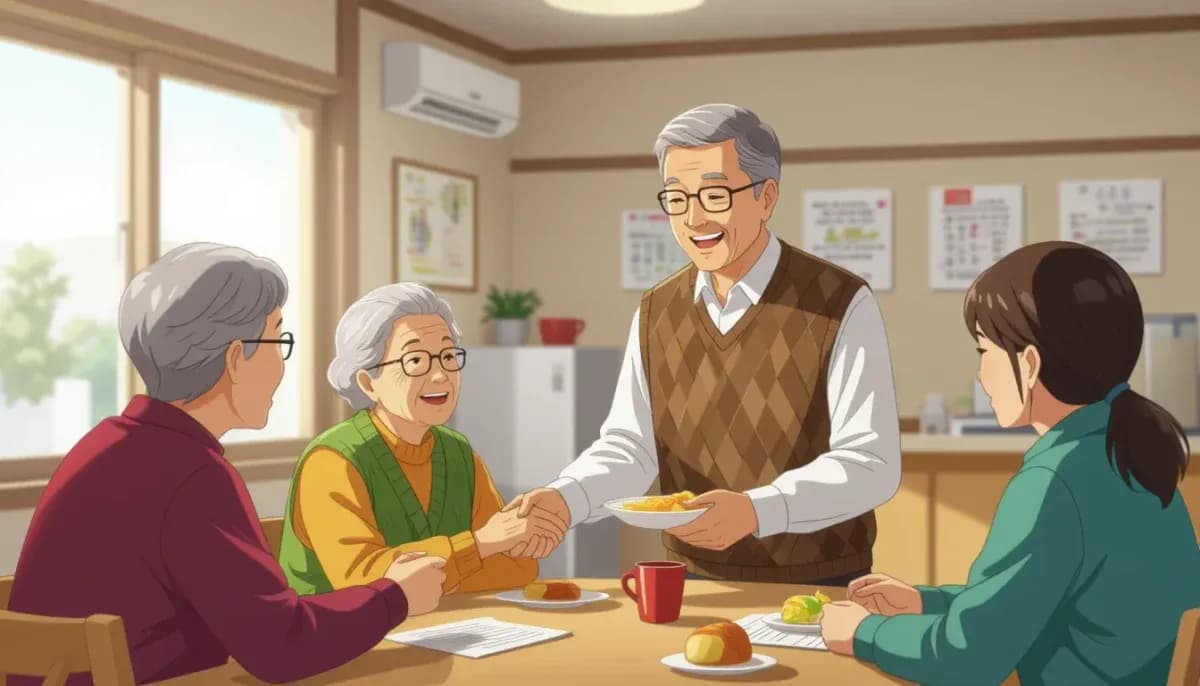
!Senior activity programs and recreational facilities at a Japanese welfare center

Access for Foreign Residents
Foreign residents aged 60+ are generally eligible to use Rojin Fukushi Centers. You will typically need:
- A valid residence card (zairyu card)
- Proof of residence in the municipality (juminhyo)
- In some cases, a registration form completed at the ward or city office
While staff at these centers may have limited English ability, the activities themselves are often non-verbal or simple enough to participate in without advanced Japanese. Many seniors at these centers are curious and welcoming toward foreign participants.
International Centers: Multilingual Support for Expat Seniors
For foreign residents who need language support or are new to navigating Japanese systems, international centers (kokusai koryu center) are invaluable. Major cities have established dedicated centers providing multilingual assistance:
| City | Center | Services |
|---|---|---|
| Tokyo | FRESC (Foreign Residents Support Center) | Visa, labor, legal, life consultation |
| Osaka | OFIX (Osaka International House) | Multilingual advice, cultural events |
| Kobe | KICC (Kobe International Community Center) | Immigration consultation, living support |
| Nagoya | NIC (Nagoya International Center) | Event calendars, volunteer opportunities |
| Yokohama | Kanagawa International Foundation | Cultural exchange, Japanese lessons |
These centers often maintain bulletin boards listing local clubs, senior programs, and volunteer opportunities that welcome international residents. They are an excellent first stop when you arrive in Japan or when looking to connect with the community.
For a comprehensive guide to navigating Japanese bureaucracy and support systems, see our Complete Guide to Daily Life in Japan for Foreigners.
Finding Your Local Senior Center: Practical Steps
Locating and connecting with senior centers in Japan is straightforward once you know where to look.
Step 1: Contact Your City Hall or Ward Office
Your municipal office (shiyakusho or kuyakusho) is the best starting point. They maintain lists of all kominkan, senior centers, and social welfare facilities in the area. Many city offices have international desks with multilingual staff.
Step 2: Use the Social Welfare Council
Each municipality has a Social Welfare Council (shakai fukushi kyogikai) that coordinates community welfare activities, including senior programs. They can connect you with volunteer opportunities and local senior clubs.
Step 3: Search Online
Search for your city + the following terms:
公民館(kominkan) — community center老人福祉センター(rojin fukushi sentaa) — senior welfare centerいこいの家(ikoi no ie) — senior resting place高齢者センター(koreisha sentaa) — elderly center
Step 4: Ask Neighbors and Local Residents
Japanese neighbors are often a goldmine of local knowledge. If you have a friendly relationship with your neighbors, asking about local senior activities is a great conversation starter that can also help you build community ties.
For more on building social connections as a foreigner in Japan, see our Complete Guide to Making Friends and Social Life in Japan.
Health Benefits and the Role of Senior Centers in Japan's Aging Society
Japan's government actively promotes senior center participation as a public health strategy. Research consistently shows that social engagement delays cognitive decline, reduces depression, and improves physical health outcomes among the elderly. With Japan's elderly population projected to reach 34.8% of the total population by 2040, the role of these centers will only grow.
Key health and welfare data:
- Over 9 million single-person elderly households exist in Japan as of 2024, making social centers critical for combating isolation
- Seniors living alone face heightened risks including delayed illness detection and increased dementia risk
- Government subsidies of nearly 30 billion yen were allocated in the 2025 budget for elderly care technology
- Japan's long-term care insurance (kaigo hoken), introduced in 2000, covers day service centers and some care-integrated activity programs
The combination of welfare centers, community programming, and cultural values around respecting elders (as celebrated on Respect for the Aged Day each September) creates a unique environment where senior participation in community life is actively encouraged.
For more on Japan's healthcare system and insurance, see our Complete Guide to Healthcare in Japan for Foreigners.
Tips for Foreign Seniors Getting Started
Adjusting to senior life in Japan as a foreigner comes with unique challenges, but also unique rewards. Here are practical tips:
Start with an international center: If you're new or language is a barrier, your city's international center is the safest, most welcoming first step.
Bring a Japanese-speaking friend or interpreter: For your first visit to a kominkan or rojin center, having someone who can communicate smoothly will reduce stress and help you get registered faster.
Learn a few Japanese phrases: Even basic greetings and phrases like "yoroshiku onegaishimasu" (pleased to meet you) go a long way in building rapport with Japanese seniors.
Try a physical activity first: Exercise-based activities like yoga, stretching, or gate ball are easy to participate in without language fluency and are great for meeting people naturally.
Be patient and consistent: Japanese social circles take time to open up. Attending regularly for a few months is the key to being genuinely welcomed into the group.
Ask about subsidies: As a resident of Japan, you may be eligible for subsidized fitness programs or health screenings through your municipality, especially if you're enrolled in the national health insurance.
For broader guidance on adapting to life in Japan, see our Complete Guide to Moving to Japan as a Foreigner.
External Resources and Further Reading
For more information about senior life and community in Japan, these resources are highly recommended:
- Living in Nihon — Retirement and Aging in Japan Guide: A comprehensive resource for foreigners planning their retirement in Japan, covering finances, lifestyle, and community.
- For Work in Japan: Resources for foreigners navigating life and work in Japan, with insights into local services and community.
- Ittenshoku: Career and lifestyle guidance for people living and working in Japan.
- Japan Handbook — Expat Communities: A guide to finding expat communities and social groups throughout Japan.
- Ayako Yamaguchi — Finding Community in Japan for Mature Expats: Practical advice for mature expats building social lives in Japan.
Conclusion
Japan's network of senior activity centers — from the ubiquitous kominkan to specialized rojin fukushi centers and multilingual international centers — offers a rich tapestry of opportunities for elderly residents, including foreigners. With over 16,000 community centers and a deeply ingrained cultural ethic of respecting and including seniors, Japan provides an environment where aging can be active, purposeful, and socially connected.
The key is knowing where to look and being willing to engage. Start with your local city hall or international center, attend a few drop-in sessions, and let the community come to you. In a country where seniors are celebrated rather than sidelined, you may find that these centers become one of the most rewarding aspects of life in Japan.

Originally from Vietnam, living in Japan for 16+ years. Graduated from Nagoya University, with 11 years of professional experience at Japanese and international companies. Sharing information about living in Japan for foreigners.
View Profile →Related Articles
Volunteer and Social Opportunities for Retirees in Japan
Discover the best volunteer opportunities and social activities for foreign retirees in Japan. From Hands On Tokyo to Fureai Kippu time banks, find your place in Japanese community life.
Read more →
Senior Discounts and Benefits Available in Japan
Discover the full range of senior discounts and benefits available in Japan for foreign residents — from museum discounts and airline fares to long-term care insurance and reduced healthcare copayments.
Read more →
Estate Planning and Inheritance in Japan for Foreigners
Complete guide to estate planning and inheritance in Japan for foreigners. Learn about inheritance tax rates, visa status rules, making a will, and strategies to protect your assets.
Read more →
Part Time Work After Retirement in Japan
A complete guide for foreigners on working part-time after retirement in Japan. Covers visa requirements, best job types, financial planning, and how to find work as a retired expat.
Read more →
Social Security Agreements Between Japan and Other Countries
Complete guide to Japan's social security agreements for foreigners: which countries are included, how to avoid double contributions, certificate of coverage, pension totalization, and lump-sum withdrawal rules.
Read more →
Nursing and Elder Care Options in Japan
A complete guide to elder care in Japan for foreigners: how Japan's Long-Term Care Insurance (Kaigo Hoken) works, types of facilities, costs, and tips for non-Japanese residents navigating the system.
Read more →