
Japan Pension System Explained for Foreign Residents

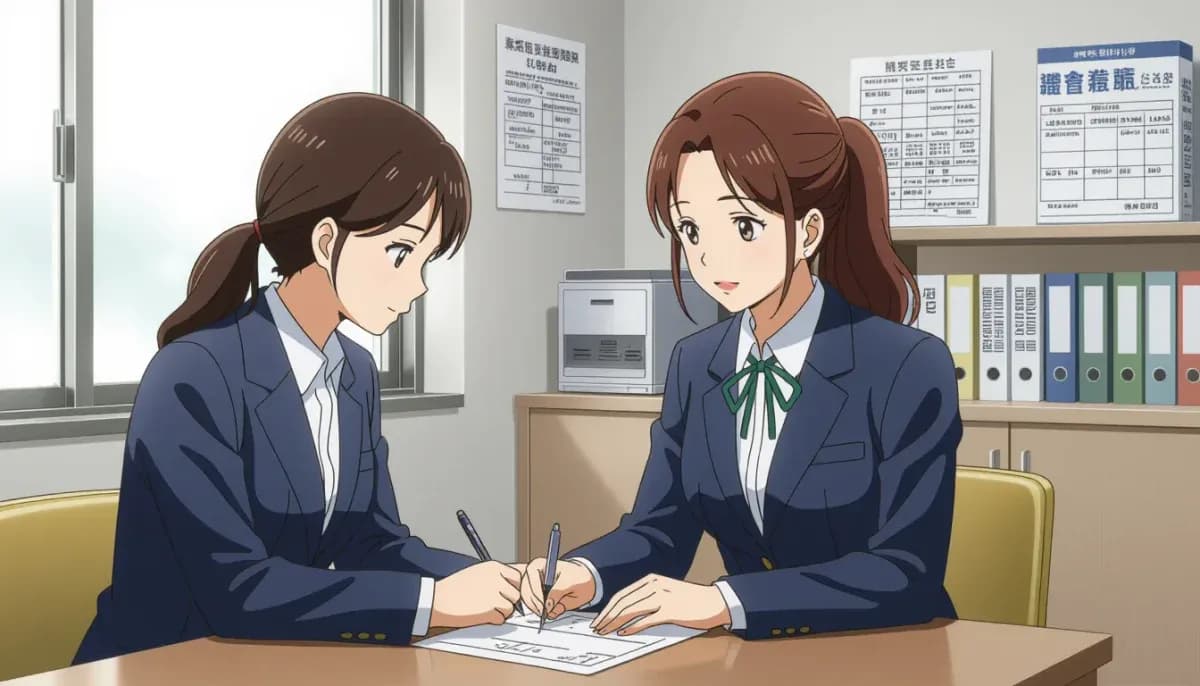
Everything foreign residents need to know about Japan's pension system: Kokumin Nenkin vs Kosei Nenkin, how to enroll, contribution amounts, exemptions, and the lump-sum withdrawal for expats leaving Japan.
Japan Pension System Explained for Foreign Residents
If you are living and working in Japan as a foreigner, you are legally required to participate in Japan's pension system — known as Nenkin (年金). Many expats are surprised to discover that pension enrollment is mandatory regardless of nationality, visa type, or how long you plan to stay. Understanding how the system works, what you pay, and what you can get back when you leave is essential for managing your finances in Japan.
This guide breaks down everything foreign residents need to know about the Japan pension system: the two main pension types, how to enroll, contribution amounts, exemptions, and the all-important lump-sum withdrawal option for those who leave Japan before qualifying for benefits.
What Is Japan's Pension System (Nenkin)?
Japan's public pension system — officially called Nenkin (年金) — is a government-managed social insurance program that provides retirement income to participants. All residents of Japan aged 20 to 59, regardless of nationality, are legally obligated to enroll.
The system is built on two main tiers:
- Kokumin Nenkin (国民年金) — National Pension: The universal base pension for all residents
- Kosei Nenkin (厚生年金) — Employees' Pension Insurance: An additional layer for company employees
Foreign residents are not exempt from this requirement. Even if you are on a work visa, engineer visa, spouse visa, or even a working holiday visa, you must enroll if you are registered as a resident in Japan and fall within the 20–59 age range.
For a broader overview of financial life in Japan, see our guide on banking and finance in Japan.
Kokumin Nenkin vs. Kosei Nenkin: Which One Applies to You?
Your pension type depends on your employment status. Here is a clear comparison:
| Category | Pension Type | Monthly Premium (2025) | Who Pays |
|---|---|---|---|
| Company employees (full-time) | Kosei Nenkin | 18.3% of salary | Split 50/50 with employer |
| Part-time employees (certain thresholds) | Kosei Nenkin | Based on salary | Split 50/50 with employer |
| Self-employed / freelancers | Kokumin Nenkin | ¥17,510 flat | You pay 100% |
| Students (Japanese university) | Kokumin Nenkin | ¥17,510 (deferrable) | You (deferment available) |
| Spouses of Kosei Nenkin enrollees | Kokumin Nenkin (Category 3) | ¥0 | Covered via spouse |
Kokumin Nenkin (National Pension)
If you are self-employed, a freelancer, a student, or not covered by an employer pension plan, you enroll directly in the National Pension at a flat monthly premium of ¥17,510 (2025). You receive a pension payment book in the mail and can pay at banks, post offices, or convenience stores.
Paying in advance offers a small discount — for example, prepaying a full year saves roughly ¥3,000 to ¥4,000 depending on the year.
Kosei Nenkin (Employees' Pension Insurance)
If you are a full-time or eligible part-time employee, your employer enrolls you automatically. The contribution is 18.3% of your standard monthly salary, and your employer pays half of this. Your contribution is deducted directly from your paycheck each month.
Kosei Nenkin provides significantly higher future pension benefits than Kokumin Nenkin because payouts are income-linked. For most company employees, this is the pension system they interact with, often without realizing it.
For more about working rights and employment contracts in Japan, visit For Work in Japan's complete guide on taxes, social insurance, and pensions.
How to Enroll in Japan's Pension System
For Company Employees
Your employer handles the enrollment process automatically when you join as a full-time employee. You do not need to visit any government office. Your pension contributions will appear on your monthly pay stub deducted from your gross salary.
For Self-Employed, Freelancers, and Others
You must register yourself at your local City Hall or Ward Office (市区町村役場). Bring the following:
- Your Residence Card (在留カード)
- Your Passport
- Your My Number Card or My Number notification letter
- Bank account information (for direct debit payment setup, optional)
After registration, you will receive a Nenkin Techo (年金手帳) — a pension booklet — and payment slips by mail. Keep this booklet safe, as it contains your pension number and contribution record.
You can also set up automatic bank debit to avoid forgetting payments. Non-payment has serious consequences: it can affect your visa renewal and lead to forced collection by the pension authority.
How Much Will You Receive at Retirement?
To receive any pension benefits from Japan, you must have contributed for a minimum of 10 years (the eligibility threshold was reduced from 25 years to 10 years in 2017). Standard retirement age is 65, though you can begin receiving benefits as early as 60 or defer up to 75 for higher monthly amounts.
2025 Benefit Estimates:
- Full Kokumin Nenkin (40 years of contribution): approximately ¥831,700/year (~¥69,300/month)
- Partial Kokumin Nenkin (20 years): approximately ¥415,000/year
- Kosei Nenkin benefits: Variable — higher earners receive significantly more
For most foreigners who spend only a few years in Japan, reaching the 10-year threshold is unlikely unless they combine periods under a bilateral Social Security Agreement.
For more context on retirement planning and costs in Japan, see our guide on cost of living in Japan.
Social Security Agreements: Avoid Paying Twice
Japan has signed bilateral Social Security Agreements with 24 countries (as of 2025) to prevent workers from paying into two pension systems simultaneously. These agreements also allow contribution periods from both countries to be combined when determining pension eligibility.
Countries with active agreements include:
Germany, United Kingdom, United States, South Korea, France, Canada, Australia, Netherlands, Czech Republic, Spain, Ireland, Brazil, Switzerland, Hungary, India, Luxembourg, Philippines, Slovakia, China, Finland, Sweden, Italy, and others.
If you are from one of these countries on a temporary assignment (typically up to 5 years), you may be exempt from Japanese pension contributions while continuing to contribute in your home country. Check with your employer's HR department and your home country's pension authority to confirm eligibility.
For more information on social security agreements, the Japan Pension Service official site has detailed country-by-country guidance.
Lump-Sum Withdrawal: Getting Your Pension Back When You Leave Japan
One of the most important things foreign residents should know is that if you leave Japan before accumulating 10 years of contributions, you can claim a Lump-Sum Withdrawal Payment (脱退一時金, Dattai Ichijikin) — essentially a partial refund of your pension contributions.
Eligibility Requirements
To qualify for the lump-sum withdrawal, you must:
- Be a non-Japanese national
- Have contributed to Kokumin Nenkin or Kosei Nenkin for at least 6 months
- No longer have a registered address in Japan
- Apply within 2 years of leaving Japan
- Have never received Japanese pension benefits (including disability pension)
How Much Will You Get Back?
The refund amount is calculated based on your contribution period, capped at 60 months (5 years). Contributions beyond 5 years do not increase the payout. Approximate amounts:
| Contribution Period | Approximate Refund |
|---|---|
| 6–11 months | ~¥50,000 |
| 12–17 months | ~¥100,000 |
| 18–23 months | ~¥150,000 |
| 36–47 months | ~¥250,000 |
| 48–59 months | ~¥320,000 |
| 60 months | ~¥400,000 |
Important: A 20% income tax is withheld at source, but this tax is refundable. To claim the refund, you must appoint a tax representative in Japan before departure to file on your behalf.
How to Apply
- Before leaving Japan: Submit your Moving-Out Notification (転出届) at city hall. This cancels your residence registration.
- After leaving Japan: Submit your lump-sum withdrawal application by mail to the Japan Pension Service. Required documents include:
- Passport copy (name, photo, nationality, departure stamp pages) - Pension handbook or documents showing your pension number - Bank account details (international bank account, including SWIFT/BIC code) - If you reported moving out, the certificate is included automatically
Processing time is typically 3 to 6 months. You can also apply for the 20% tax refund simultaneously.
For a step-by-step guide on the process, Japan Visa Guide's pension refund article is an excellent resource.
⚠️ Warning: Claiming the lump-sum withdrawal permanently erases your Japan contribution history. If you ever return to Japan and re-enroll in the pension system, you start from zero. Do not withdraw if you plan to return and work toward the 10-year threshold, or if you can combine periods via a social security agreement.
Pension Exemptions and Reductions for Low-Income Residents
If your income is too low to afford pension contributions, you can apply for an exemption or reduction at your local city hall. Options include:
- Full Exemption — No payment required; 50% of the period is credited toward future benefits
- 75% Reduction — Pay 25% of the standard amount; 62.5% credited
- 50% Reduction — Pay 50%; 75% credited
- 25% Reduction — Pay 75%; 87.5% credited
- Student Deferment — No payment while studying; the period is NOT credited (repayable later)
To apply, you will need income documentation, your residence card, and your My Number. Applications must be renewed each year.
For students and those on tight budgets, taking advantage of exemptions is far better than simply not paying — unpaid contributions accrue penalties and can affect visa renewals.
Common Questions from Foreign Residents
Do I have to pay pension even if I'm only in Japan for one year? Yes. Any foreign resident registered in Japan and aged 20–59 is legally required to enroll, even for short stays. However, if you leave after contributing, you can apply for the lump-sum withdrawal within 2 years.
What if my employer is not enrolling me in Kosei Nenkin? Full-time employees should automatically be enrolled. If your employer is not doing this, it may be illegal. Contact the Japan Pension Service or consult a labor attorney.
Can I combine my Japan pension years with my home country's years? Only if your home country has a bilateral Social Security Agreement with Japan. Check the Japan Pension Service website for the current list of 24 agreement countries.
I already left Japan. Can I still claim the lump-sum withdrawal? Yes, as long as you apply within 2 years of your departure date and you no longer have a registered address in Japan.
For a comprehensive guide to social security and health insurance alongside the pension system, visit Living in Nihon's pension and social security guide.
Final Thoughts
Japan's pension system can feel bureaucratic and confusing for foreign residents, but the core rules are straightforward: enroll, pay your contributions, and understand your options when you leave. Whether you are building toward long-term retirement benefits or planning to claim a lump-sum withdrawal when you depart, knowing the system puts you in control of your finances.
If you are new to life in Japan, our complete guide to working in Japan as a foreigner covers employment rights, taxes, and other essential topics to help you get settled. You can also find career-related insights on social insurance changes at Ittenshoku's social insurance guide.
For official, up-to-date contribution rates and application forms, always refer directly to the Japan Pension Service (nenkin.go.jp) — the authoritative source on all pension matters in Japan.

Originally from Vietnam, living in Japan for 16+ years. Graduated from Nagoya University, with 11 years of professional experience at Japanese and international companies. Sharing information about living in Japan for foreigners.
View Profile →Related Articles

Volunteer and Social Opportunities for Retirees in Japan
Discover the best volunteer opportunities and social activities for foreign retirees in Japan. From Hands On Tokyo to Fureai Kippu time banks, find your place in Japanese community life.
Read more →
Senior Discounts and Benefits Available in Japan
Discover the full range of senior discounts and benefits available in Japan for foreign residents — from museum discounts and airline fares to long-term care insurance and reduced healthcare copayments.
Read more →
Estate Planning and Inheritance in Japan for Foreigners
Complete guide to estate planning and inheritance in Japan for foreigners. Learn about inheritance tax rates, visa status rules, making a will, and strategies to protect your assets.
Read more →
Part Time Work After Retirement in Japan
A complete guide for foreigners on working part-time after retirement in Japan. Covers visa requirements, best job types, financial planning, and how to find work as a retired expat.
Read more →
Social Security Agreements Between Japan and Other Countries
Complete guide to Japan's social security agreements for foreigners: which countries are included, how to avoid double contributions, certificate of coverage, pension totalization, and lump-sum withdrawal rules.
Read more →
Nursing and Elder Care Options in Japan
A complete guide to elder care in Japan for foreigners: how Japan's Long-Term Care Insurance (Kaigo Hoken) works, types of facilities, costs, and tips for non-Japanese residents navigating the system.
Read more →