
Nursing and Elder Care Options in Japan

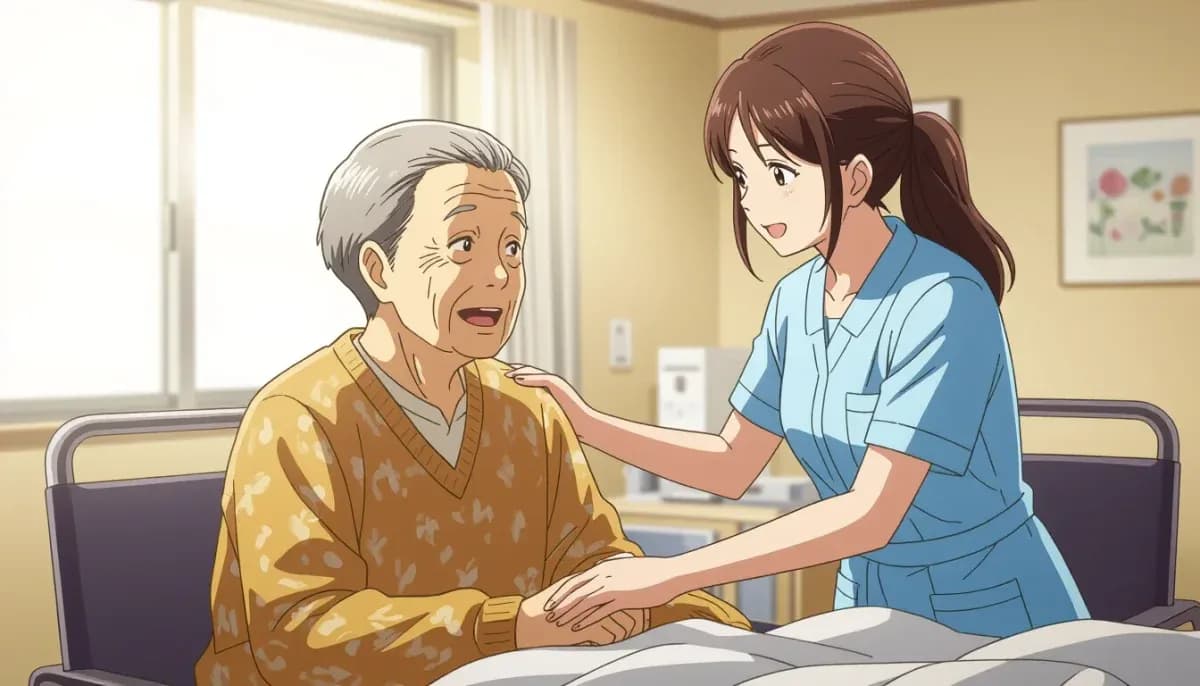
A complete guide to elder care in Japan for foreigners: how Japan's Long-Term Care Insurance (Kaigo Hoken) works, types of facilities, costs, and tips for non-Japanese residents navigating the system.
Nursing and Elder Care Options in Japan: A Complete Guide for Foreigners
Japan's rapidly aging society has created one of the world's most comprehensive elder care systems. For foreigners living in Japan — whether caring for an elderly parent, planning for their own future, or navigating the system unexpectedly — understanding what's available is crucial. With 36.25 million people aged 65 and over (29.3% of the total population as of 2024), Japan has invested heavily in senior care infrastructure, and most of it is accessible to long-term foreign residents.
This guide explains Japan's elder care options, how the insurance system works, what costs to expect, and the specific challenges foreigners face navigating the system.

Understanding Japan's Long-Term Care Insurance (Kaigo Hoken)
Japan's Long-Term Care Insurance system (介護保険 / Kaigo Hoken) was established in 2000 and is the backbone of all elder care services in the country. Unlike many other countries where elder care is either fully private or means-tested welfare, Japan uses a mandatory social insurance model that covers everyone.
Who Is Covered?
All residents of Japan aged 40 and over are required to enroll and pay premiums — this includes foreign nationals who have stayed in Japan for 3 or more months and are registered at their local municipal office. Coverage kicks in at age 65 (Category 1 insured), though those aged 40–64 with one of 16 designated age-related illnesses (Category 2 insured) may also qualify.
Notable exclusions: U.S. military personnel and diplomatic visa holders may have different coverage arrangements.
How Premiums Are Paid
- Ages 40–64: Premiums are collected as part of health insurance (either through an employer or national health insurance)
- Ages 65+: Premiums are deducted directly from pension payments or paid separately
The system's total cost has grown dramatically: from ¥3.6 trillion in 2000 to ¥11.7 trillion in 2019, and projected to exceed ¥15 trillion by 2025. Half is funded by premiums, half by taxes from national and local governments.
For more information on Japan's overall healthcare system, see our Complete Guide to Healthcare in Japan for Foreigners.
How to Apply for Care Services
Navigating Japan's care system requires several steps, but the process is structured and manageable once you know what to expect.
Step 1: Contact Your Municipal Office
Begin at your local city or ward office (市区町村). They will guide you through the application process, which is free to initiate.
Step 2: Care Level Assessment
Japan assigns one of seven care levels based on a standardized assessment:
- Support Level 1–2 (要支援1・2): Mild functional decline; preventive services
- Care Level 1–5 (要介護1–5): Increasing levels of care need, from mild to complete dependence
The assessment involves:
- A home visit by a local government assessor
- A doctor's written medical opinion (主治医意見書)
- A computer-based primary assessment
- A secondary assessment review panel decision
Results typically take about 30 days after application.
Step 3: Work with a Care Manager
Once your care level is determined, a care manager (ケアマネジャー) is assigned to help design a personalized care plan. They coordinate services, facilities, and adjustments over time, providing monthly monitoring and formal six-month reviews.
For foreigners without Japanese language ability, having a bilingual advocate or family member present during assessments is strongly recommended.
Types of Elder Care Facilities and Services in Japan
Japan offers a wide spectrum of care options, from in-home support to full residential facilities. Here's an overview:
| Care Type | Japanese Name | Best For | Monthly Cost (Approx.) |
|---|---|---|---|
| In-Home Care | 訪問介護 | Those who want to stay at home | ¥30,000–¥100,000 after subsidies |
| Day Services | デイサービス | Socialization + daytime care | ¥10,000–¥30,000 after subsidies |
| Short-Stay (Respite) | ショートステイ | Temporary relief for family | ¥40,000–¥80,000 |
| Group Home | グループホーム | Mild dementia care | ¥120,000–¥180,000 |
| Assisted Living (Serviced Senior Housing) | サービス付き高齢者向け住宅 | Independent seniors needing light support | ¥130,000–¥250,000 |
| Public Special Nursing Home | 特別養護老人ホーム | High care needs, budget-conscious | ¥100,000–¥200,000 |
| Geriatric Health Facility | 老人保健施設 | Post-hospital rehabilitation | ¥100,000–¥180,000 |
| Private Nursing Home | 有料老人ホーム | Those preferring more comfort/services | ¥150,000–¥300,000+ |
In-Home Care Services
Many seniors prefer to remain in their own homes and receive scheduled support. Covered services include:
- Visiting caregivers for bathing, meals, medication management, and housework
- Visiting nurses for medical care and monitoring
- Day service centers for meals, rehabilitation exercises, and social activities
- Equipment rental (wheelchairs, hospital beds) subsidized under LTCI
- Home modification subsidies (up to ¥200,000 once) for safety improvements like grab bars and ramps
Group Homes for Dementia
For seniors with mild to moderate dementia, group homes (グループホーム) offer small-scale residential living — typically 5–10 residents — with a family-like atmosphere and personalized attention. These are considered some of the most humane settings for dementia care and are often preferred by families who want closer monitoring than a large institution provides.
Public vs. Private Nursing Homes
Public special nursing homes (特養 / Tokuyō) are subsidized and affordable but have notoriously long waitlists — sometimes 3–5 years or more in urban areas. They are only available to those with Care Level 3 or higher.
Private nursing homes (有料老人ホーム) offer shorter wait times and often better amenities, but come with significant costs. Admission fees alone can range from zero to ¥22 million for premium facilities, with monthly costs of ¥150,000–¥300,000+.

Costs and Copayments Explained
Japan's LTCI system significantly reduces the out-of-pocket burden for care recipients. Under the current system:
- Most people pay 10% of certified care service costs; LTCI covers the remaining 90%
- Higher-income individuals pay 20–30% depending on income level
- There are monthly cost caps — once you exceed a set amount, excess costs are reimbursed
Estimated Monthly Costs After Insurance
- In-home care package: ¥30,000–¥100,000 per month (after subsidies)
- Public facilities (shared rooms): ¥100,000–¥200,000 per month
- Private facilities: ¥150,000–¥300,000+ per month (plus potential admission fees)
Note that room and board (food, accommodation) at facilities is NOT covered by LTCI — only the certified care services are covered. Residents pay for accommodation costs separately, which are income-tested.
For context on Japan's overall cost structure, see our Complete Guide to Cost of Living in Japan.
Specific Challenges for Foreign Residents
Foreigners face additional obstacles when navigating Japan's elder care system. Being aware of them in advance helps enormously.
Language Barriers
The biggest challenge for non-Japanese speakers is that virtually all paperwork, assessments, and daily care communication is in Japanese. Most care staff speak only Japanese. Practical strategies include:
- Bringing a bilingual Japanese friend or interpreter to all assessments and facility tours
- Using translation apps during daily interactions (care staff are often willing to use these)
- Requesting multilingual care managers from your municipal office — some cities (especially Tokyo and Yokohama) have bilingual care coordinators available
- Preparing illustrated cards for common medical complaints or needs
Dietary Differences
Japanese care facilities serve traditional Japanese meals. While staff can accommodate allergies and some dietary restrictions (halal, vegetarian) with advance notice, Western food options are rare outside of international or luxury facilities.
Family Involvement Expectations
Japanese elder care culture expects significant family involvement — regular visits, participation in care plan meetings, and handling medical decisions and hospital transfers. For foreigners whose family lives overseas, this expectation can be a challenge. In such cases:
- Choose facilities that provide more comprehensive in-house support
- Hire a care advocate or professional care manager for additional coordination
- Establish a legal guardian or representative if needed for medical decisions
Residency Status Considerations
Foreign nationals must maintain valid residency status to remain enrolled in LTCI. If residency status changes, coverage may be affected. Check with your municipal office if you're unsure about your eligibility.
For visa and residency questions, see our Complete Guide to Japan Visa and Immigration.
Finding English-Friendly Facilities
While most facilities operate entirely in Japanese, there are options — particularly in major cities — that cater to or accommodate English speakers:
- Tokyo and Yokohama have several facilities with multilingual staff or English-speaking care managers
- International retirement communities (a growing segment) specifically target foreign residents and expatriates
- Some NPOs and community organizations (like UMENOKI Gardens) provide English-language support
When touring facilities, ask specifically about:
- Any staff who speak English (or your language)
- Whether the facility has experience with non-Japanese residents
- How dietary needs are accommodated
- Communication policies with overseas family members
For comprehensive guidance on working in healthcare and nursing care in Japan, For Work in Japan offers detailed information on the sector from a worker's perspective.
Government Support and Innovations in Elder Care
Japan is actively investing in solving its elder care crisis. With 63.5% of households where a senior receives care having another senior as the caregiver, innovation is urgently needed.
Technology Integration
The government allocated nearly ¥30 billion ($203.5 million) in the 2025 budget for care technology subsidies, including:
- Care robots for mobility assistance, bathing support, and monitoring
- AI-based monitoring systems for fall detection and health tracking
- Translation technology like VUEVO Display, offering real-time translation in 100+ languages — a game-changer for foreign residents
Foreign Care Workers
Japan has actively recruited foreign care workers under the Technical Intern Training Program and the Specified Skilled Worker (SSW) visa. As of recent years, foreign workers have become essential to staffing Japan's elder care facilities, making some facilities more comfortable environments for non-Japanese residents.
Learn more about working and living in Japan in our Complete Guide to Working in Japan as a Foreigner.
Practical Steps for Foreign Residents
Here's a practical checklist for foreigners navigating elder care in Japan:
If You're Planning Ahead (Ages 40–60)
- Confirm you are enrolled in Kaigo Hoken through your health insurance
- Understand your local ward office's elder care services department contact
- Research facilities in your area — waitlists for public facilities can be 3–5 years
- Consider whether family members overseas understand Japanese legal/medical consent processes
If You Need Care Now
- Contact your municipal office immediately to begin the care level assessment
- Request a bilingual care manager if available
- Get your primary physician to prepare a medical opinion letter (主治医意見書)
- Start the public facility waitlist application even if you're using private care in the meantime
For Families Supporting Elderly Parents in Japan
- Establish power of attorney (成年後見制度) for decision-making if your parent cannot make decisions
- Build relationships with your parent's care manager and facility staff
- Use video calls to "attend" care plan meetings remotely
- Budget for accommodation costs beyond what LTCI covers
For in-depth guidance on daily life management including dealing with government offices and understanding paperwork, see our Complete Guide to Daily Life in Japan for Foreigners.
Additional Resources
For authoritative information, consult these resources:
- Japan Health Policy NOW – Long-term Care Insurance: Comprehensive English explanation of the LTCI system
- Navigator Japan – Senior Care Guide: Practical guide for foreigners navigating senior care choices
- Living in Nihon: Broader resources for foreigners living and settling in Japan
- Ittenshoku: Career transition resources for those considering work in Japan's healthcare and elder care sectors
- Long-Term Care System in Japan (PMC Research): Academic overview of the LTCI system
Conclusion
Japan's elder care system is sophisticated, well-funded, and genuinely accessible to long-term foreign residents. The challenges are real — language barriers, cultural differences in family involvement, and the complexity of navigating bureaucracy in Japanese — but they are manageable with preparation.
The most important step is to start early. Contact your ward office, confirm your LTCI enrollment, and if you anticipate needing care or supporting an elderly family member, begin researching options now. Public facilities have long waiting lists, and understanding your care level options ahead of time gives you the best chance of accessing the care you need, when you need it.
Japan's investment in elder care technology and its growing acceptance of foreign care workers also signal a future where non-Japanese residents will find increasingly supportive environments. The system isn't perfect, but it is one of the most comprehensive in the world — and with the right preparation, foreigners can fully benefit from it.

Originally from Vietnam, living in Japan for 16+ years. Graduated from Nagoya University, with 11 years of professional experience at Japanese and international companies. Sharing information about living in Japan for foreigners.
View Profile →Related Articles
Volunteer and Social Opportunities for Retirees in Japan
Discover the best volunteer opportunities and social activities for foreign retirees in Japan. From Hands On Tokyo to Fureai Kippu time banks, find your place in Japanese community life.
Read more →
Senior Discounts and Benefits Available in Japan
Discover the full range of senior discounts and benefits available in Japan for foreign residents — from museum discounts and airline fares to long-term care insurance and reduced healthcare copayments.
Read more →
Estate Planning and Inheritance in Japan for Foreigners
Complete guide to estate planning and inheritance in Japan for foreigners. Learn about inheritance tax rates, visa status rules, making a will, and strategies to protect your assets.
Read more →
Part Time Work After Retirement in Japan
A complete guide for foreigners on working part-time after retirement in Japan. Covers visa requirements, best job types, financial planning, and how to find work as a retired expat.
Read more →
Social Security Agreements Between Japan and Other Countries
Complete guide to Japan's social security agreements for foreigners: which countries are included, how to avoid double contributions, certificate of coverage, pension totalization, and lump-sum withdrawal rules.
Read more →
Senior Activity and Community Centers in Japan
Discover Japan's senior activity centers including kominkan, rojin fukushi centers, and international centers. A practical guide for foreign residents aged 60+ in Japan.
Read more →