
Gift Giving Etiquette in Japan Complete Guide

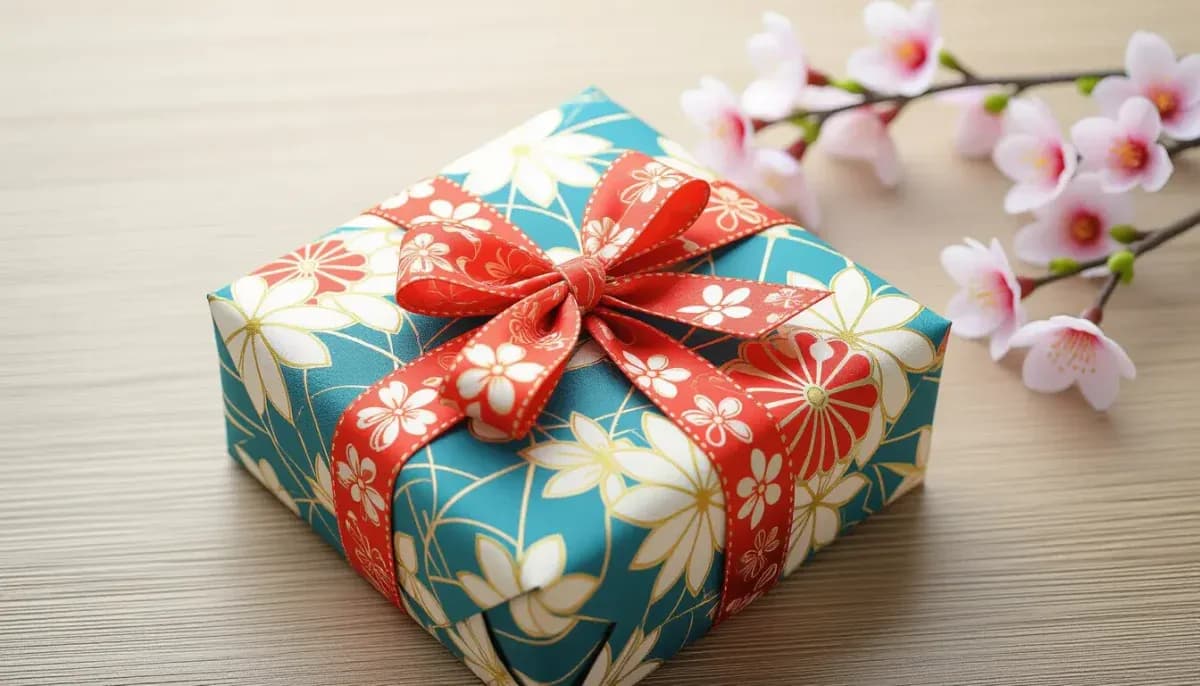
Master Japanese gift giving etiquette with this complete guide for foreigners. Learn about Ochugen, Oseibo, omiyage customs, what to avoid, business gifts, and essential phrases.
Gift Giving Etiquette in Japan: A Complete Guide for Foreigners
Gift giving in Japan is far more than a simple exchange of presents — it is a deeply meaningful social ritual that reflects respect, gratitude, and the strength of relationships. Whether you are navigating a business setting, visiting a Japanese friend's home, or returning from a trip, understanding gift-giving etiquette will help you make a lasting positive impression and avoid unintentional mistakes. This comprehensive guide explains everything you need to know about Japanese gift-giving customs as a foreigner.
Why Gift Giving Matters in Japanese Culture
In Japan, gifts carry significant social weight. The tradition is rooted in concepts like giri (義理), which translates roughly as social obligation or duty, and on (恩), meaning a sense of reciprocal gratitude. These values emphasize maintaining harmony and showing respect within relationships — both personal and professional.
Gift giving is not simply about the item itself; the thought, timing, and presentation are equally or even more important. A beautifully wrapped gift presented with the right words says far more than the object inside. For foreigners, learning this cultural dimension opens the door to deeper connections with Japanese colleagues, friends, and neighbors.
Japan has a long history of formalized gift-giving that predates Western holiday influences. Two traditional seasonal gift-giving periods — Ochugen in summer and Oseibo in December — remain important to this day, though their practice is gradually evolving among younger generations.
The Two Main Gift-Giving Seasons: Ochugen and Oseibo
Understanding Japan's two primary gift-giving seasons is essential for anyone living or working in Japan.
Ochugen (お中元) occurs in mid-summer, typically from July 1 to July 15 in the Kanto region (including Tokyo) and around August 15 in the Kansai region (including Osaka and Kyoto). Ochugen gifts are given to express gratitude to those who have helped you over the first half of the year — such as supervisors, mentors, clients, and teachers. The timing coincides with summer bonuses paid to company employees.
Oseibo (お歳暮) takes place in early December, wrapping up the year on a note of thanks. Like Ochugen, Oseibo gifts are sent to people who have supported you throughout the year. The tradition involves recognizing ongoing relationships and showing appreciation before the new year begins.
| Season | Timing | Purpose | Typical Value |
|---|---|---|---|
| Ochugen (お中元) | July–August | Mid-year gratitude | ¥3,000–¥5,000 |
| Oseibo (お歳暮) | December | Year-end thanks | ¥3,000–¥5,000 |
| Omiyage (お土産) | After travel | Souvenirs from trips | ¥500–¥3,000 |
| Temiyage (手土産) | Visiting someone | Thank-you gift for hosts | ¥1,000–¥3,000 |
| Birthday/Christmas | Varies | Personal celebration | ¥2,000–¥10,000+ |
Typical gifts for Ochugen and Oseibo include food products (sweets, snacks, fruits), beverages (beer, sake, juices), and household items. Average gift values are around ¥5,000, though the amount varies by the closeness of the relationship.
For more context on how these gift-giving customs fit into broader Japanese seasonal traditions, see our Complete Guide to Japanese Festivals and Traditions.
Essential Gift-Giving Rules and Etiquette
How to Present a Gift
The physical act of giving a gift is as important as the gift itself in Japan:
- Use both hands: Always present and receive gifts with both hands. Offering a gift with one hand is considered disrespectful.
- Bow slightly: Accompany the exchange with a small bow to show respect.
- Use humble language: When presenting your gift, say "Tsumaranai mono desu ga..." (つまらないものですが…), which means "this is a humble/worthless thing, but..." This phrase shows modesty and respect, even if the gift is actually quite valuable.
- Don't open immediately: In Japan, it is generally impolite to open a gift in front of the giver. Doing so could embarrass the giver if the gift doesn't match expectations. Wait until you are in private unless you are explicitly invited to open it.
Wrapping and Presentation
Gift wrapping in Japan is an art form. The aesthetic presentation of a gift is part of the respect you show to the recipient:
- Professional wrapping: Rather than wrapping gifts yourself, have them professionally wrapped at the store where you purchase them. Simply ask, "Gift wrapping please" or "Purezento-yo ni tsutsunde itadakemasu ka?" (プレゼント用に包んでいただけますか?)
- Quality matters: Use clean, high-quality wrapping paper or place items in elegant shopping bags.
- Paper bags: Department store (depato) bags are often used for presenting gifts and are themselves considered a mark of quality.
- Furoshiki (風呂敷): Traditional cloth wrapping is an eco-friendly and beautiful alternative, especially appreciated for traditional gifts.
For more guidance on shopping and navigating department stores in Japan, visit our Complete Guide to Shopping in Japan.
Numbers and Items to Avoid
Choosing the wrong gift — or the wrong quantity — can send unintended negative messages in Japan. Here is what to avoid:
Unlucky Numbers
| Number | Japanese Word | Meaning/Association | What to Avoid |
|---|---|---|---|
| 4 (四) | Shi | Sounds like "death" (死) | Never give 4 of anything |
| 9 (九) | Ku | Sounds like "suffering" (苦) | Avoid 9-piece sets |
| 43 | Shisan | Sounds like "stillbirth" | Avoid for baby-related gifts |
Pairs and even numbers are generally considered lucky and positive.
Items to Avoid Giving
- Sharp objects (scissors, knives, letter openers): Symbolize cutting a relationship. Never give these as gifts without a coin (so the recipient can "purchase" the item, breaking the symbolic bad luck).
- Potted plants: When visiting someone who is ill, avoid potted plants, as they suggest illness "taking root." Cut flowers are safer.
- Combs (kushi): The word sounds similar to "suffering" and "death."
- Footwear and socks: Gifting these to superiors or bosses suggests you are looking down on them (stepping on someone).
- Handkerchiefs (in some contexts): Associated with funerals and tears.
- White flowers only: White is associated with mourning; avoid all-white floral arrangements.
- Overly personal items: In business contexts, avoid perfume, cologne, clothing, or intimate accessories.
Omiyage and Temiyage: Everyday Gift Customs
Beyond the formal seasonal gifts, two casual gift customs are central to daily life in Japan:
Omiyage (お土産) — Souvenirs from Travel
Omiyage refers to local souvenirs that you bring back from a trip to give to coworkers, friends, and family. This is not optional — returning from a trip without omiyage for your workplace colleagues is considered thoughtless.
The most popular omiyage items are individually wrapped sweets and snacks from the region you visited. Examples include:
- Tokyo Banana from Tokyo
- Yatsuhashi (八ツ橋) from Kyoto
- Shiroi Koibito (white chocolate biscuits) from Hokkaido
- Momiji Manju from Hiroshima
Aim to bring enough for everyone in your office or social group. Individually wrapped items are best because they can be distributed easily.
Temiyage (手土産) — Bringing a Gift When Visiting
When you are invited to someone's home in Japan, bringing a temiyage — a small gift for the host — is expected and appreciated. Common choices include:
- Sweets or cakes from a well-known patisserie or confectionery
- Seasonal fruits
- Local specialties from your region or home country
- Tea or coffee
A good price range for temiyage is ¥1,000–¥3,000, depending on the relationship. For closer relationships or more formal visits, spending more is appropriate.
For more on navigating social situations and building friendships in Japan, see our Guide to Making Friends and Social Life in Japan.
Business Gift Giving in Japan
Gift giving in the Japanese workplace follows stricter protocols. As an expat or foreigner, you have more flexibility than native Japanese employees, but knowing the rules will set you apart positively.
When to Give Business Gifts
- First meeting with a client or partner: A gift from your home country or region makes an excellent first impression.
- After receiving help or favors: Show appreciation when a colleague or client goes above and beyond.
- Ochugen and Oseibo seasons: These are the primary times to give gifts to superiors and important business contacts.
- After a business trip: Bring back omiyage for your team.
What Makes a Good Business Gift
Ideal business gifts include:
- High-quality food or confectionery
- Regional specialties or products from your home country
- Premium tea or coffee
- Quality writing instruments (pens) or stationery
- Sake, wine, or whisky (confirm recipient drinks alcohol first)
Avoid: overly personal items, cheap novelty products, and anything that could be seen as a bribe in formal contexts.
Presentation in Business Settings
In business, timing matters. Present gifts to superiors when you first arrive at a meeting. For peers and colleagues, give gifts at a natural break or after discussions conclude. Always present with both hands and explain the gift humbly.
For more on navigating Japanese work culture, visit our Complete Guide to Working in Japan as a Foreigner.
Gift Giving for Special Occasions
Japan has adopted Western holidays alongside traditional customs, creating a unique blend of gift-giving occasions:
| Occasion | Japanese Name | Custom |
|---|---|---|
| New Year | Otoshidama (お年玉) | Money in special envelopes given to children |
| Valentine's Day | バレンタインデー | Women give chocolate to men (honmei vs. giri choco) |
| White Day | ホワイトデー | Men return gifts on March 14 |
| Birthday | 誕生日 | Increasingly common; casual, fun gifts |
| Wedding | 結婚式 | Monetary gifts (goshugi) in special envelopes |
| Funeral | 葬儀 | Monetary gifts (koden) in white/black envelopes |
Valentine's Day in Japan has an interesting twist: women give chocolate to men, not the other way around. Two types exist — honmei choco (true feelings chocolate) for romantic partners, and giri choco (obligation chocolate) for male colleagues and friends. On White Day (March 14), men are expected to return gifts to those who gave them chocolate.
Tips for Foreigners: Navigating Gift Giving in Japan
As a foreigner, you will not be held to the same strict standards as Japanese nationals, but a few key tips will help you navigate gracefully:
- When in doubt, bring food: Sweets, snacks, and confectionery are almost universally appreciated and avoids most potential pitfalls.
- Bring something from your home country: Japanese people genuinely appreciate specialty items from overseas — local chocolates, jams, teas, or regional specialties make excellent gifts.
- Ask a Japanese friend or colleague: If you are unsure what to give in a specific situation, asking a trusted Japanese contact is always appropriate.
- Don't stress too much: Japanese people understand that foreigners are still learning. Your effort and thought will be noticed and appreciated.
- Reciprocate when you receive gifts: Gift-giving in Japan involves reciprocity. If someone gives you a gift, expect to return the gesture eventually.
For deeper understanding of Japanese cultural norms and social etiquette, we highly recommend reading Living in Nihon's Complete Guide to Japanese Culture and Etiquette and For Work in Japan's Japanese Business Culture Guide for professional settings. Additional resources on job transitions and Japanese workplace culture are available at Ittenshoku.
For a broader overview of Japanese cultural customs including festivals, traditions, and daily etiquette, see our Complete Guide to Japanese Culture and Etiquette for Foreigners. And if you are just starting your life in Japan, our Complete Guide to Moving to Japan covers all the essentials.
Common Mistakes Foreigners Make with Japanese Gift Giving
Learning what NOT to do is just as important as knowing the rules. Here are the most frequent missteps:
- Opening gifts immediately: Waiting to open a gift in private is standard unless told otherwise.
- Giving practical items to superiors: Items like socks or kitchen tools can imply looking down on someone in a hierarchical relationship.
- Forgetting omiyage after travel: Skipping office souvenirs is noticed and considered inconsiderate.
- Skipping the humble phrase: Not saying "tsumaranai mono desu ga" when presenting a gift misses an important social cue.
- Poor or cheap wrapping: The presentation reflects the care you put into the gift; a beautifully wrapped ¥2,000 gift can be more impactful than a poorly wrapped ¥5,000 one.
- Giving cash casually: In Japan, cash gifts are appropriate for weddings and funerals but not for casual occasions. And they must be placed in specific ceremonial envelopes (noshi bukuro for weddings, or koden bukuro for funerals).
More detailed guidance on wedding and funeral customs in Japan can be found in our Complete Guide to Marriage and Relationships in Japan.
Useful Japanese Gift-Giving Phrases
Knowing a few key phrases will impress your Japanese contacts and show genuine effort:
| Situation | Japanese Phrase | Meaning |
|---|---|---|
| Presenting a gift | Tsumaranai mono desu ga... (つまらないものですが) | "It's a small/humble thing, but..." |
| Receiving a gift | Arigatou gozaimasu (ありがとうございます) | "Thank you very much" |
| This is from my travels | Omiyage desu (お土産です) | "This is a souvenir" |
| Please accept this | Yoroshikereba... (よろしければ) | "If you don't mind..." |
| Can I open it? | Akete mo ii desu ka? (開けてもいいですか?) | "May I open it?" |
Conclusion
Japanese gift-giving etiquette is a rich, multilayered practice that reflects core cultural values of respect, gratitude, and harmony. While the rules may initially seem complex, the underlying principle is simple: show care and thoughtfulness through your gift's selection, presentation, and timing.
As a foreigner in Japan, you are not expected to be perfect, but making the effort to understand and follow these customs will open doors and deepen your relationships with Japanese people in ways that go beyond words. Whether you are navigating seasonal gift seasons, business interactions, or casual social visits, the knowledge in this guide will help you give and receive gifts with confidence and cultural sensitivity.
For a comprehensive overview of Japanese cultural life, explore our Complete Guide to Daily Life in Japan for Foreigners.
External Resources:

Originally from Vietnam, living in Japan for 16+ years. Graduated from Nagoya University, with 11 years of professional experience at Japanese and international companies. Sharing information about living in Japan for foreigners.
View Profile →Related Articles
Japanese Seasonal Customs and Greeting Traditions
Discover Japan's seasonal customs and greeting traditions across all four seasons. From hanami and Tanabata to nengajo and oseibo—your complete guide to navigating Japanese seasonal culture as a foreigner.
Read more →
Common Cultural Misunderstandings Foreigners Make in Japan
Avoid embarrassing cultural mistakes in Japan. Learn about shoe etiquette, tipping, indirect communication, chopstick taboos, onsen rules, and business card customs that trip up most foreigners.
Read more →
Japanese Business Card Meishi Exchange Guide
Learn the complete meishi exchange etiquette for Japan: how to present and receive business cards correctly, bilingual card design tips, common mistakes to avoid, and why this ritual matters so much in Japanese professional culture.
Read more →
Public Bath Sento Etiquette Guide for Foreigners
Complete sento etiquette guide for foreigners in Japan. Learn how to use a Japanese public bathhouse, what to bring, tattoo policies, and essential dos and don'ts for a respectful experience.
Read more →
Japanese Noise Etiquette and Quiet Hours Guide
Learn Japanese noise etiquette, quiet hours rules, and how to avoid noise complaints in Japan apartments. Essential guide for foreigners and expats living in Japan.
Read more →
Chopstick Etiquette in Japan Rules You Must Know
Master chopstick etiquette in Japan with this complete guide. Learn the major taboos, how to hold chopsticks correctly, and the unwritten rules that every foreigner should know before dining in Japan.
Read more →