
Fire Safety and Prevention in Japan for Residents

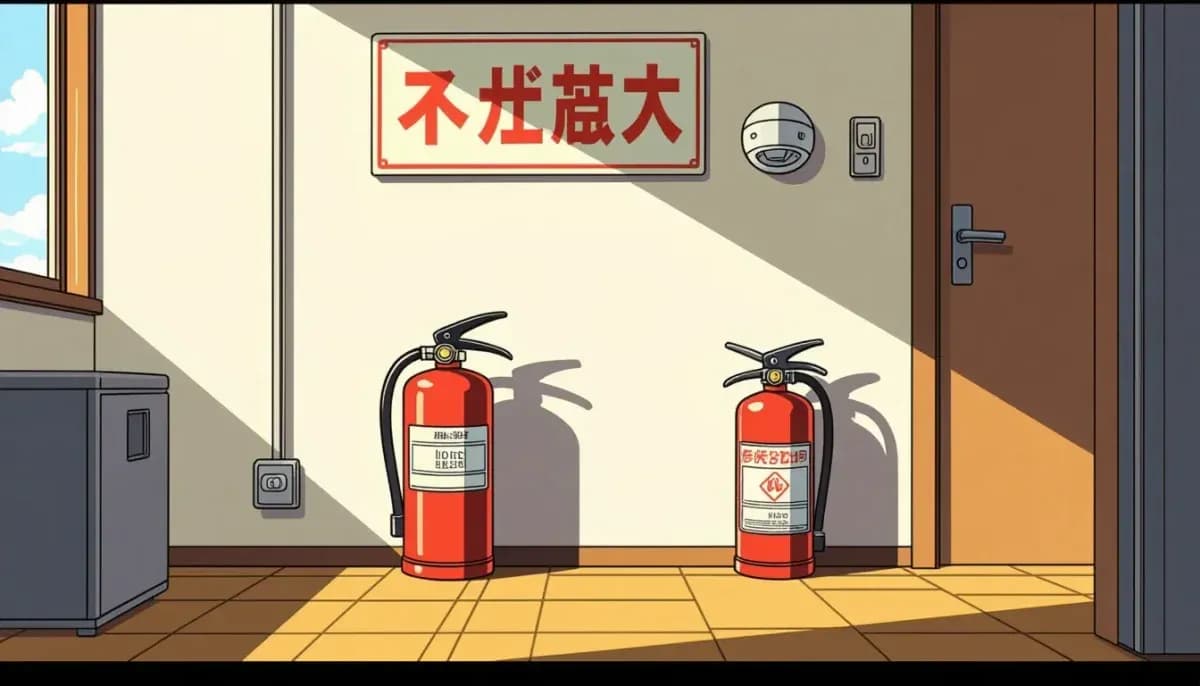
Learn essential fire safety tips for living in Japan — from emergency number 119 and smoke detector laws to apartment evacuation routes and fire insurance. A complete guide for foreigners.
Fire Safety and Prevention in Japan for Residents
Living in Japan offers an incredible experience, but like any country, it comes with specific safety considerations. Fire safety is one of the most important topics for foreign residents to understand — Japan's dense urban housing, traditional wooden structures, and dry winter climate all contribute to fire risk. Whether you're renting an apartment in Tokyo or living in a rural area, knowing how to prevent fires, what to do when one starts, and how to communicate with emergency services is essential for your safety and peace of mind.
This guide covers everything foreign residents need to know about fire safety in Japan: the legal requirements, how to prevent fires at home, what to do in an emergency, and how to navigate the Japanese fire safety system as a non-Japanese speaker.
Understanding Fire Risk in Japan
Japan experiences thousands of residential fires each year. In 2024, Tokyo alone recorded 82 deaths from house fires, with 30 of those occurring in November and December — the coldest and driest months. The dry air characteristic of Japan's Pacific Ocean side (kantoku) plays a significant role in how quickly fires spread once started.
The main causes of residential fires in Japan include:
- Electrical appliance malfunctions and faulty wiring — one of the leading causes nationwide
- Cooking fires — unattended stoves or oil fires
- Heating devices — kerosene heaters (sekiyu sutōbu) and electric space heaters are common in winter
- Cigarette-related fires — improperly discarded cigarettes
- Arson — though statistically less common
Japan's older wooden housing stock (particularly machiya townhouses and older danchi apartment blocks) is especially vulnerable. Even modern concrete apartment buildings have flammable interior elements that can make fires dangerous. Understanding these risks is the first step toward prevention.
For a broader overview of staying safe in Japan, including natural disasters and emergencies, see our guide on Safety and Emergency Preparedness in Japan.
Japan's Fire Safety Laws and Requirements for Residents
Japan's fire safety framework is governed by the Fire Service Act (消防法, Shōbōhō). Here's what this means for residents:
Smoke Detectors (住宅用火災警報器)
Since 2006, smoke detectors are legally required in all residential buildings in Japan. Landlords are responsible for installing them in new properties, but residents may be required to maintain or replace them. If your apartment doesn't have working smoke detectors, notify your landlord immediately.
Smoke detectors should be placed:
- In every bedroom
- In hallways leading to sleeping areas
- In kitchens (heat detectors may be used in kitchens instead)
High-Rise Building Requirements
Buildings over 31 meters tall (approximately 10+ floors) are classified as high-rises and face additional requirements under the Fire Service Act:
- Mandatory sprinkler systems on floors 11 and above
- Emergency stairwells must be pressurized to prevent smoke entry
- Regular fire inspections by the local fire department
Fire Extinguishers (消火器)
While not always legally required in individual apartments, fire extinguishers are common in apartment common areas, hallways, and required in rental properties used for short-term stays (Minpaku). It's highly recommended to keep a small household fire extinguisher in your kitchen.
You can purchase portable fire extinguishers at home improvement stores (DIY stores like Cainz or Komeri), and some municipalities offer subsidized extinguishers for residents.
Fire Prevention Tips for Your Japanese Home
Prevention is the best strategy. Here are practical steps every resident in Japan should take:
Kitchen Safety
- Never leave cooking unattended, especially when frying with oil
- Keep flammable items (paper towels, dish cloths) away from the stove
- Most modern Japanese gas stoves have auto-shutoff features — use them
- Clean grease buildup from exhaust fans and stove hoods regularly
Electrical Safety
- Don't overload power strips (タコ足配線 — "octopus wiring" — is a leading fire cause)
- Replace frayed or damaged power cords immediately
- Unplug appliances when not in use, especially space heaters
- Have an electrician inspect older wiring if you live in an older building
Heating Device Safety
- Keep kerosene heaters (sekiyu sutōbu) at least 1 meter from curtains and furniture
- Never leave kerosene heaters running while sleeping
- Ensure adequate ventilation when using gas or kerosene heaters to prevent both fire and carbon monoxide risks
- Use automatic shutoff-equipped heaters whenever possible
General Household Safety
- Don't block hallways, emergency exits, or stairwells with furniture or belongings
- Know where your building's fire extinguishers are located
- Keep your balcony clear — many Japanese apartments have emergency evacuation hatches in balcony floors
- Check smoke detector batteries at least once a year (press the test button)
What to Do When a Fire Starts
If you discover a fire in your home, act quickly and systematically. Japanese fire safety guidelines recommend the following approach:
Small Fires: Initial Extinguishing (初期消火, Shoki Shōka)
For fires that are still small (roughly no larger than waist height):
- Call out loudly to alert others in the building
- Close the door of the room where the fire is burning to cut oxygen supply and prevent spread
- Use a fire extinguisher if available and you know how to operate it
- Use water or a wet cloth for small flames on cookware
When to Evacuate Immediately
If any of the following apply, do not attempt to fight the fire — evacuate immediately:
- The fire has grown beyond initial stages
- Smoke is filling the room
- You don't have access to a fire extinguisher
- You are alone or unable to fight the fire safely
When evacuating:
- Close doors behind you — closed doors slow fire and smoke spread significantly
- Stay low if there is smoke — breathable air is near the floor
- Use stairs, not elevators
- Do not re-enter the building for any reason
Calling Emergency Services: 119
Japan's fire and ambulance emergency number is 119. This number is:
- Free of charge from any phone, including public phones and mobile phones
- Available 24 hours a day, 7 days a week
- Connected to multilingual interpretation services for non-Japanese speakers
When you call 119, a dispatcher will answer. If you don't speak Japanese, say:
- "Eigo ga hanasemasu ka?" (Do you speak English?)
- Or simply say "English" and they will connect you with an interpreter
You can report:
- Kaji desu (火事です) — "There is a fire"
- Kyūkyū desu (救急です) — "I need an ambulance"
Be prepared to give your address. In Japan, addresses can be complex — it helps to know your city (市), ward (区), district (丁目), and block number (番地). Having your address written down and easily accessible is a good habit.
| Emergency Number | Purpose | Available |
|---|---|---|
| 119 | Fire and Ambulance | 24/7, Free |
| 110 | Police | 24/7, Free |
| #7119 | Medical Consultation (unsure if ambulance needed) | By prefecture |
| 03-3503-8484 | Police English Consultation Line | Weekdays 8:30am-5:15pm |
For more information on emergency preparedness including earthquakes and typhoons, visit expatsguide.jp.
Fire Safety in Japanese Apartments: What Foreigners Often Miss
Many foreign residents in Japan are surprised by fire safety features unique to Japanese housing:
Evacuation Hatches in Balconies
Many Japanese apartments — especially in multi-story buildings — have evacuation hatches (避難ハッチ, Hinan Hatch) built into balcony floors. These allow residents to climb down to the floor below in an emergency. You'll recognize them by the red handle or hatch cover on the balcony floor.
Important: Never place heavy furniture, flowerpots, or storage boxes on top of these hatches. Blocking them is a safety violation and could cost lives in an emergency.
Building Fire Drills (防火訓練)
Many Japanese apartment complexes and condominiums conduct annual or semi-annual fire drills, usually in autumn or spring. These are announced via notices posted in communal areas. Participating is strongly encouraged — you'll learn your building's specific evacuation routes, where fire extinguishers are located, and how to use them.
The Role of the Building Manager (管理人)
In managed apartments and condominiums, the kanrinin (building manager) plays an important role in fire safety. They typically:
- Conduct annual fire safety inspections
- Ensure common areas are clear of obstruction
- Post notices about fire drills and equipment checks
Building fire safety rules are also often outlined in your lease agreement (賃貸借契約書). Read these rules carefully when you move in.
For tips on finding safe and well-managed housing in Japan, see our guide on Finding Housing in Japan.
Fire Insurance in Japan (火災保険)
One topic many new residents overlook is fire insurance (kaisan hoken, 火災保険). In Japan:
- Renters are strongly encouraged (and often required by landlords) to purchase renters' fire insurance
- Insurance typically covers damage to your belongings from fire, as well as water damage and theft
- Premiums are generally affordable — often ¥10,000–¥20,000 per year for a typical apartment
- Many real estate agencies will arrange insurance when you sign your lease
Important: Standard fire insurance does NOT cover earthquake damage. You'll need a separate earthquake insurance policy (地震保険, jishin hoken) for that.
For more information about managing finances as a foreign resident, including insurance options, visit our Banking and Finance in Japan guide.
For additional guidance on daily life in Japan as a foreigner, the team at Living in Nihon offers comprehensive resources on disaster preparedness and emergency procedures. If you're working in Japan and want to understand workplace safety regulations, For Work in Japan provides extensive guides on Japanese labor laws and working conditions. For those navigating career transitions in Japan's tech sector, Ittenshoku is a valuable resource for IT professionals.
Seasonal Fire Safety Tips
Japan's fire risk changes throughout the year, with winter posing the greatest danger:
| Season | Key Risks | Prevention Focus |
|---|---|---|
| Winter (Dec–Feb) | Dry air, heating devices, kerosene heaters | Keep heaters away from flammable items; ventilate rooms |
| Spring (Mar–May) | Outdoor fires, agricultural burning | Avoid outdoor burning on windy days |
| Summer (Jun–Aug) | Air conditioner overloads, BBQ fires | Don't overload AC circuits; monitor BBQ grills |
| Autumn (Sep–Nov) | Dry conditions returning, harvest burning | Check smoke detector batteries; review evacuation plans |
The Tokyo Fire Department specifically notes that the dry conditions of winter — with relative humidity sometimes dropping below 40% — dramatically increase how quickly fires spread. This is why checking your heating equipment and electrical appliances before winter begins every year is so important.
Conclusion: Fire Safety as Part of Life in Japan
Japan is one of the safest countries in the world in many respects, but fire safety requires active awareness and preparation from all residents. The good news is that Japan has a robust fire safety infrastructure, excellent emergency services, and clear guidelines for residents.
As a foreign resident, your key responsibilities are:
- Know your emergency number (119) and how to communicate in an emergency
- Maintain smoke detectors in your home
- Learn your building's evacuation routes and don't block emergency hatches or exits
- Practice safe habits with cooking, heating, and electrical appliances
- Get fire insurance if you haven't already
For more comprehensive guidance on living safely in Japan, explore our Daily Life in Japan Guide for Foreigners and the Safety and Emergency Preparedness in Japan guide.
You can also find official fire statistics and safety updates from CTIF International Fire Services and from the Japan Handbook emergency resources.
Stay informed, stay prepared, and enjoy your life in Japan safely.

Originally from Vietnam, living in Japan for 16+ years. Graduated from Nagoya University, with 11 years of professional experience at Japanese and international companies. Sharing information about living in Japan for foreigners.
View Profile →Related Articles

Winter Safety Tips and Cold Weather Guide for Japan
Essential winter safety guide for foreigners in Japan: heating safety, hypothermia prevention, heat shock risks, layering tips, and emergency preparedness for cold weather.
Read more →
Heat Stroke Prevention in Japan Summer Safety Guide
Learn how to prevent heat stroke in Japan's brutal summer heat and humidity. Essential tips on hydration, symptoms, emergency numbers (119, #7119), and Japanese-specific heat prevention strategies for foreigners.
Read more →
How to Prepare for Volcanic Eruptions in Japan
Complete guide for foreigners on volcanic eruption preparedness in Japan. Learn the JMA 5-level alert system, build your emergency kit, and know what to do during an eruption or ash fall.
Read more →
Japan Emergency Alert System How It Works
Everything foreigners need to know about Japan's J-Alert emergency alert system: how it works, what the sounds mean, why your foreign phone may not receive it, and which apps to install for English alerts.
Read more →
Flood and Landslide Safety in Japan Guide
Everything foreigners need to know about flood and landslide safety in Japan: understanding the 5-level warning system, reading hazard maps, essential apps, evacuation steps, and building a disaster kit.
Read more →
How to Interact with Japanese Police as a Foreigner
Complete guide for foreigners on interacting with Japanese police: what ID to carry, your rights during stops, what happens if arrested, how to contact your embassy, and practical tips to stay safe in Japan.
Read more →