
Winter Safety Tips and Cold Weather Guide for Japan

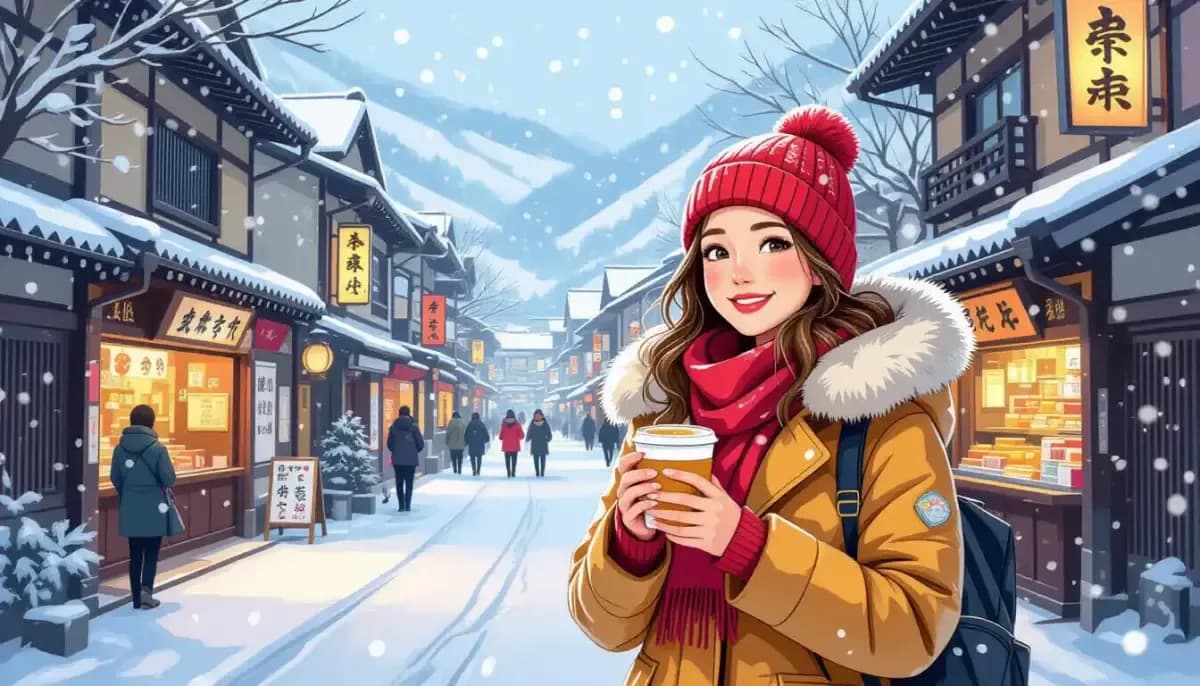
Essential winter safety guide for foreigners in Japan: heating safety, hypothermia prevention, heat shock risks, layering tips, and emergency preparedness for cold weather.
Winter Safety Tips and Cold Weather Guide for Japan
Japan's winters can catch foreigners off guard. Unlike many Western countries, most Japanese homes lack central heating, and the combination of poorly insulated houses, sudden temperature drops, and unfamiliar heating appliances creates real risks for newcomers. This guide covers everything you need to stay safe, warm, and healthy during the cold months in Japan — whether you're in snowy Hokkaido or the milder but still chilly Tokyo winters.
If you're new to Japan, also check out our complete guide to daily life in Japan and our safety and emergency preparedness guide for broader context on staying safe year-round.
Understanding Japan's Winter Climate
Japan spans a wide range of latitudes, so "winter" means very different things depending on where you live.
| Region | Winter Temperature Range | Snow Level | Key Risks |
|---|---|---|---|
| Hokkaido | -8°C to -1°C (Jan–Feb) | Heavy snow | Frostbite, ice falls, hypothermia |
| Tohoku | -5°C to 5°C | Moderate-heavy snow | Icy roads, heating costs |
| Tokyo / Kanto | 2°C to 10°C | Rare snow | Heat shock, poor insulation |
| Osaka / Kansai | 3°C to 10°C | Rarely | Indoor cold, humidity |
| Kyushu / Okinawa | 8°C to 15°C | Very rare | Mild but damp cold |
One of the most alarming statistics for newcomers: hypothermia kills approximately 1,000 people every winter in Japan — that's 1.5 times the number who die from heatstroke in summer. More shockingly, over 70% of these hypothermia cases occur indoors, not outside. This is largely due to Japan's poorly insulated housing stock and the habit of heating only occupied rooms.
The Japanese Home Heating System (And Its Dangers)
If you've just moved into a Japanese apartment, you may have noticed the lack of central heating. Japan's residential heating is done room by room, primarily using wall-mounted air conditioners set to heat mode. Understanding your options — and their risks — is essential.
Air Conditioners (エアコン / Eakon)
The most common and safest heating method. Your apartment's wall-mounted unit almost certainly doubles as a heater. Set it between 20–22°C and use timer modes to pre-warm your room 15–20 minutes before you wake up.
Safety tips:
- Clean the filters monthly for efficiency
- Don't set the temperature too high — it dries out the air and increases fire risk from nearby items
- Use a humidifier alongside your AC to combat winter dryness
Kerosene Heaters (石油ストーブ / Sekiyu Stove)
These are common in older homes and rural areas. They provide excellent warmth but require strict safety practices. Many foreigners underestimate the risks.
Critical safety rules for kerosene heaters:
- Ventilate once or twice per hour — open a window briefly to prevent carbon monoxide buildup
- Never run while sleeping — carbon monoxide poisoning during sleep is fatal
- Use only 1-K grade kerosene (white pump at gas stations)
- Refuel only when the heater is completely cool and do it outdoors or in a well-ventilated space
- Keep flammable materials (curtains, clothing, paper) at least 1 meter away
- Never use to dry clothes or towels
For a detailed guide on kerosene heater use, see H&R Consultants' kerosene heater safety guide.
Gas Heaters (ガスファンヒーター)
Similar risks to kerosene. Require regular ventilation. Typically safer than kerosene if properly maintained, but always check for gas leaks and ensure the unit has a modern auto-shutoff feature.
Kotatsu (こたつ)
A low table with a built-in heater and a thick blanket draped over it — one of Japan's most beloved winter traditions. Perfectly safe, highly efficient, and a great way to heat yourself without heating the whole room. The danger? Falling asleep under one can lead to dehydration. Drink water regularly if you use a kotatsu for long periods.
For more on Japanese cultural traditions including kotatsu, see our guide to Japanese festivals and traditions.
Heat Shock: Japan's Hidden Winter Killer
"Heat shock" (ヒートショック / hiitoshokku) is responsible for thousands of deaths in Japan every year. It occurs when your body moves suddenly between very different temperatures — most commonly, stepping from a cold room into a very hot bath.
Japan's traditional bathing culture involves soaking in extremely hot water (42–44°C), and when the bathroom and dressing area are cold (as they often are in older homes), the sudden temperature swing causes dangerous blood pressure spikes.
How to prevent heat shock:
- Pre-warm your bathroom before bathing — use a space heater or turn on the hot water to steam up the room
- Keep bath water at 40°C or below (most modern tubs have a temperature setting)
- Avoid bathing immediately after drinking alcohol
- Elderly family members are at much higher risk — be especially careful with grandparents or elderly housemates
- Install a bathroom heater (浴室暖房) if possible, especially in older homes
Protecting Yourself Outdoors: Layering and Gear
Japan winters require smart layering. Here's a practical system:
Base layer: Thermal underwear is essential. Uniqlo's Heattech line is widely available, affordable, and extremely popular — available in regular, extra warm, and ultra warm versions. Merino wool is also excellent for moisture management.
Mid layer: Fleece or a down gilet for insulation. Down jackets compress easily and are sold everywhere in Japan from October.
Outer layer: A windproof, waterproof jacket is critical in Hokkaido and Tohoku. In Tokyo, a wool coat usually suffices.
Accessories:
- Gloves with smartphone-compatible fingertips
- Warm hat or beanie (ears lose heat quickly)
- Neck gaiter or scarf
- Waterproof boots with non-slip soles for icy conditions (Hokkaido, Tohoku, and mountainous areas)
Kairo (カイロ) — Disposable Heat Packs: These small disposable warmers are sold at every convenience store in Japan for about ¥100–200 each. Place them in coat pockets, inside gloves, or in shoe insoles. Rechargeable electric hand warmers are also widely available and more economical for daily commuters.
Preventing and Recognizing Hypothermia
Despite the majority of hypothermia deaths occurring indoors, outdoor exposure is also a real risk — especially for those hiking, doing winter sports, or caught unprepared in bad weather.
Warning signs of hypothermia:
- Uncontrollable shivering (early stage)
- Slurred speech and confusion
- Slow, shallow breathing
- Weak pulse
- Loss of coordination — stumbling or difficulty walking
- In severe cases: shivering stops (dangerous sign), unconsciousness
What to do:
- Move the person indoors immediately
- Remove wet clothing
- Wrap in dry blankets, starting with the core (torso)
- Give warm (not hot) drinks if conscious
- Call 119 (emergency services) immediately for severe cases
- Do NOT rub the skin vigorously — this can cause dangerous heart arrhythmias
Over 90% of Japanese households have indoor temperatures below 18°C in winter — the WHO's recommended minimum. If your apartment is very cold, prioritize heating the bedroom and living area, even if it increases your electricity bill. As the saying goes: a hospital bill costs far more than heating costs.
Winter Safety in the Home: Preventing Fires and Carbon Monoxide
Winter is peak season for residential fires and carbon monoxide poisoning in Japan. Here's how to protect yourself:
Fire prevention:
- Install smoke detectors (required by law in Japan since 2011 — check your apartment has one)
- Keep a small fire extinguisher in your kitchen
- Never leave heating appliances unattended when sleeping
- Keep extension cords and electrical systems from overloading — space heaters draw significant power
Carbon monoxide prevention:
- CO detectors are inexpensive and available at home improvement stores (ホームセンター) — consider buying one if you use gas or kerosene appliances
- Japan's post-2003 buildings have mandatory 24-hour mechanical ventilation systems — don't block or tape over ventilation outlets
Condensation and mold: Japan's winters create significant condensation on poorly insulated windows. Wipe down windows daily during cold snaps. Use moisture-absorbing products (除湿剤) in closets and corners. Open windows briefly in the morning to exchange air and reduce indoor humidity.
For more on housing safety and maintenance in Japan, visit Living in Nihon for expat housing guidance, and For Work in Japan for advice on work-life balance during winter months.
Emergency Preparedness for Winter
Japan is earthquake-prone, and earthquakes in winter create additional challenges. The 2024 Noto Peninsula earthquake struck on January 1, affecting thousands of people who then faced hypothermia risk in damaged structures without power.
Winter emergency kit essentials:
- Emergency blankets (アルミ保温シート) — compact, lightweight, effective
- Portable battery pack for your phone
- Hand warmers (kairo) — chemical warmers don't require power
- Extra warm clothing and socks in your emergency bag
- A battery-powered or solar radio for emergency broadcasts in English (follow NHK World)
- Several days' worth of non-perishable food that can be eaten cold
For broader emergency preparedness guidance, see Japan's safety and emergency resources and NHK World's disaster preparedness resources.
Winter Health Tips for Foreigners in Japan
Cold weather affects health beyond just body temperature. Here are key health considerations for the winter months:
Dry air and respiratory health: Japanese winters are very dry, especially in Tokyo. Use a humidifier and stay well-hydrated. Dry nasal passages are more susceptible to viruses — wearing a mask (standard practice in Japan) helps.
Vitamin D: Japan's winters mean less sunlight, especially in northern regions. Consider a Vitamin D supplement — many foreigners are deficient, and it affects immunity and mood.
Flu season: Japan's flu season typically peaks December–February. Get a flu vaccination (インフルエンザ予防接種) at your local clinic — they are affordable and widely available without a Japanese health insurance card, though having health insurance makes it even cheaper.
Winter depression: Seasonal Affective Disorder (SAD) is real. If you find yourself feeling persistently low during Japan's grey winter months, speak with a doctor. Light therapy lamps are available online in Japan.
For more on navigating Japanese healthcare, see our complete healthcare guide for foreigners in Japan.
Quick Reference: Japan Winter Safety Checklist
Use this checklist when preparing for winter in Japan:
- [ ] Confirm your apartment has working heating (test AC heat mode before winter)
- [ ] Buy smoke detector and CO detector if not already installed
- [ ] Stock kairo hand warmers for cold commutes
- [ ] Purchase thermal base layers (Uniqlo Heattech or similar)
- [ ] Pre-warm bathroom before bathing, especially if elderly people in household
- [ ] Learn to properly ventilate kerosene/gas heaters
- [ ] Prepare winter emergency kit with blankets, kairo, and portable battery
- [ ] Register for local emergency alerts (many municipal offices offer English email alerts)
- [ ] Book flu vaccination at local clinic in October/November
- [ ] Add moisture absorbers to closets and wipe down windows regularly
Japan's winters are manageable and often beautiful — from snow festivals in Hokkaido to illuminations in Tokyo. With the right preparation, you'll stay safe, warm, and healthy throughout the cold season. For additional resources on living in Japan year-round, explore Ittenshoku for career and lifestyle guides, and our full guide to moving to Japan for broader living advice.

Originally from Vietnam, living in Japan for 16+ years. Graduated from Nagoya University, with 11 years of professional experience at Japanese and international companies. Sharing information about living in Japan for foreigners.
View Profile →Related Articles
Heat Stroke Prevention in Japan Summer Safety Guide
Learn how to prevent heat stroke in Japan's brutal summer heat and humidity. Essential tips on hydration, symptoms, emergency numbers (119, #7119), and Japanese-specific heat prevention strategies for foreigners.
Read more →
How to Prepare for Volcanic Eruptions in Japan
Complete guide for foreigners on volcanic eruption preparedness in Japan. Learn the JMA 5-level alert system, build your emergency kit, and know what to do during an eruption or ash fall.
Read more →
Fire Safety and Prevention in Japan for Residents
Learn essential fire safety tips for living in Japan — from emergency number 119 and smoke detector laws to apartment evacuation routes and fire insurance. A complete guide for foreigners.
Read more →
Japan Emergency Alert System How It Works
Everything foreigners need to know about Japan's J-Alert emergency alert system: how it works, what the sounds mean, why your foreign phone may not receive it, and which apps to install for English alerts.
Read more →
Flood and Landslide Safety in Japan Guide
Everything foreigners need to know about flood and landslide safety in Japan: understanding the 5-level warning system, reading hazard maps, essential apps, evacuation steps, and building a disaster kit.
Read more →
How to Interact with Japanese Police as a Foreigner
Complete guide for foreigners on interacting with Japanese police: what ID to carry, your rights during stops, what happens if arrested, how to contact your embassy, and practical tips to stay safe in Japan.
Read more →