
Heat Stroke Prevention in Japan Summer Safety Guide

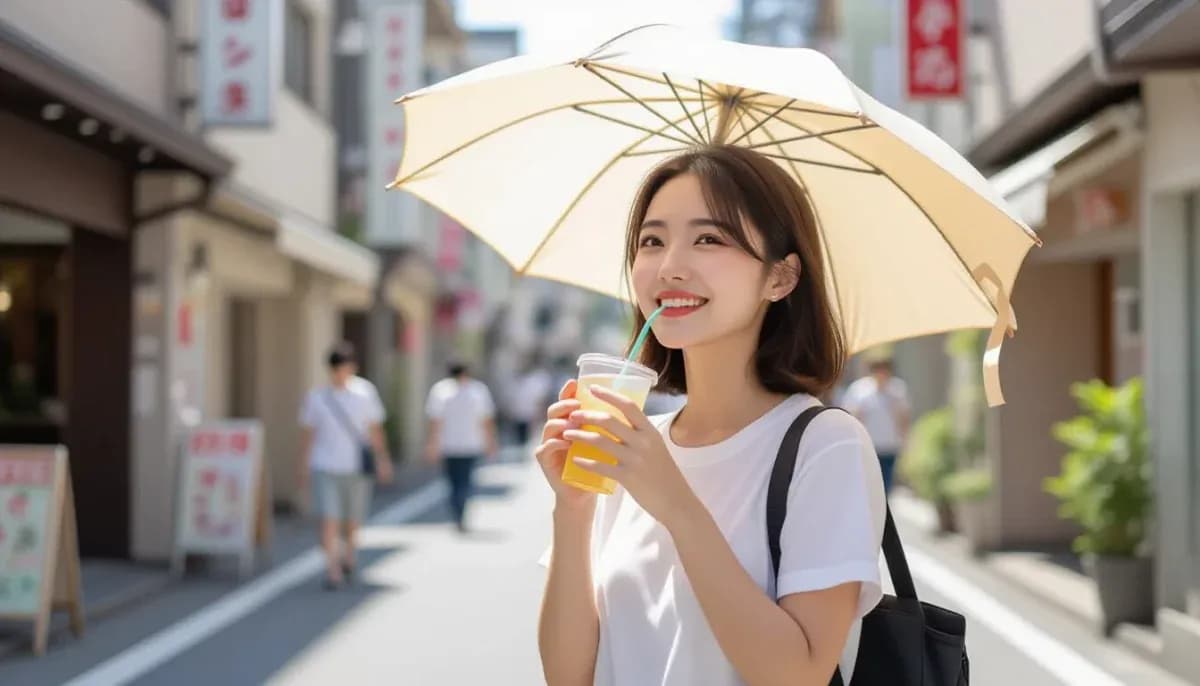
Learn how to prevent heat stroke in Japan's brutal summer heat and humidity. Essential tips on hydration, symptoms, emergency numbers (119, #7119), and Japanese-specific heat prevention strategies for foreigners.
Heat Stroke Prevention in Japan: A Summer Safety Guide for Foreigners
Japan's summer is breathtaking — fireworks festivals, yukata-clad crowds, and the buzzing of cicadas. But the heat and humidity can be genuinely dangerous, even life-threatening. If you're new to Japan or visiting for the first time in summer, understanding heat stroke prevention is not optional — it's essential.
In June 2025 alone, Japan recorded 17,229 heat stroke cases — double the numbers from June 2024. Between June and September 2024, heat-related fatalities reached 2,033 nationwide. Japan's combination of extreme heat (regularly 33–37°C) and humidity above 70% creates conditions where the body struggles to cool itself, making heat stroke a real and serious risk for everyone, especially foreigners not yet acclimatized.
This guide covers everything you need to stay safe during a Japanese summer: recognizing symptoms, prevention strategies, Japanese-specific tips, and what to do in an emergency.
Understanding Japan's Summer Climate: Why It's So Dangerous
Japan's summer heat is not just hot — it's brutally humid. Unlike dry desert heat, Japan's muggy air prevents sweat from evaporating efficiently, which is your body's primary cooling mechanism. This is why even temperatures that seem manageable can quickly lead to heat exhaustion or heat stroke.
Key climate facts:
- Tokyo, Osaka, Nagoya: Daytime highs routinely reach 33–37°C from mid-July through August
- Humidity: Regularly exceeds 70%, often reaching 80–90%
- Tropical nights: Temperatures often stay above 25°C overnight, preventing the body from recovering
- Rainy season (tsuyu): June brings heavy rainfall and oppressive humidity before the peak summer heat
The Japan Meteorological Agency issues heatstroke alerts when the Wet Bulb Globe Temperature (WBGT) heat index reaches 33 or above. These alerts are issued across 58 forecast areas nationwide. Check NHK or the Yahoo! Weather App for daily heat stroke risk levels in your area.
For a broader overview of staying healthy in Japan, see our Complete Guide to Healthcare in Japan for Foreigners.
Heat Stroke Symptoms: Three Levels of Severity
Japanese health authorities classify heat stroke (熱中症 / necchusho) into three levels of severity. Knowing these can help you act quickly — for yourself or someone around you.
| Level | Severity | Symptoms | Action Required |
|---|---|---|---|
| Level 1 (Mild) | Mild | Dizziness, muscle cramps, fainting feeling, excessive sweating | Move to cool area, hydrate, rest |
| Level 2 (Moderate) | Moderate | Headache, nausea, fatigue, weakness, inability to walk steadily | Seek medical attention, call doctor |
| Level 3 (Severe) | Severe | Convulsions, confusion, loss of consciousness, skin flushing, no sweating | Call 119 immediately, emergency |
Important: A sudden stop in sweating is a serious warning sign. The body has lost its ability to cool itself, and this is a medical emergency.
Children may simply appear unusually flushed, listless, or unresponsive. Elderly people — who comprise the majority of heat stroke fatalities in Japan — may not recognize their own symptoms. Look out for vulnerable people around you.
Emergency Numbers and Japanese Phrases You Must Know
If you or someone around you experiences severe heat stroke symptoms, act immediately.
Emergency contacts:
- 119 — Ambulance (救急車 / kyukyu-sha) — nationwide
- #7119 — Tokyo Emergency Medical Service (EMS) consultation line — guidance on whether to call an ambulance or visit a clinic
- 110 — Police (if needed)
Essential Japanese phrases:
- Heat stroke: 熱中症 (necchusho)
- "Call an ambulance!": 救急車を呼んで! (Kyukyusha o yonde!)
- "I feel sick from the heat": 熱中症かもしれません (Necchusho kamoshiremasen)
- "Please help me": 助けてください (Tasukete kudasai)
Most emergency operators speak some English, but having these phrases ready can save precious time. The #7119 line in Tokyo also has English-language support.
For more on navigating Japan's healthcare system, read our Complete Healthcare Guide for Foreigners in Japan.
Top Heat Stroke Prevention Strategies for Foreigners
1. Hydration Is Your First Defense
In Japan's humid climate, you lose both water and essential electrolytes through sweat — sometimes without even realizing it because the humidity keeps you feeling damp. Simply drinking water isn't always enough.
What to drink:
- Sports drinks (Pocari Sweat, Aquarius) — widely available and effective for replacing electrolytes
- OS-1 — an oral rehydration solution available at Japanese pharmacies (yakkyoku), ideal for moderate dehydration
- Water — always keep a bottle with you, but pair with salty snacks or sports drinks during heavy exertion
How much to drink: Aim for at least 2–3 liters per day in summer, more if you're active outdoors. Don't wait until you're thirsty — by the time you feel thirst, you're already mildly dehydrated.
Avoid: Alcohol and caffeinated beverages increase dehydration. If you drink alcohol at a summer festival, alternate with water.
2. Dress Smart for the Heat
Japan has developed a sophisticated culture of summer clothing specifically designed to manage heat.
- Light, breathable fabrics: Look for UV-cut, moisture-wicking clothing marketed as "cool biz" (クールビズ) or "cool touch" (接触冷感)
- Light colors: White and light pastel colors reflect sunlight; dark colors absorb heat
- Parasols (日傘 / *higasa*): A parasol can reduce felt temperature by 5–10°C. Men using parasols is becoming increasingly normalized in Japan — don't hesitate
- Cooling towels: Wet and wrap around your neck for instant relief
- Portable fans: Battery-operated handheld fans are cheap and ubiquitous at convenience stores and 100-yen shops
3. Plan Your Day Around the Heat
The most dangerous hours are typically 11:00 AM to 4:00 PM. Structure outdoor activities accordingly.
- Go out early morning (before 10 AM) or evening (after 5 PM)
- Take shelter in air-conditioned spaces (コンビニ/convenience stores, shopping malls, libraries, train stations) during peak hours
- Rest regularly — don't push yourself. Japan's summer heat is not like anything in many temperate countries
- Keep curtains closed at home to prevent heat buildup, and use air conditioning without guilt
4. Salt and Electrolytes Matter
Japan's summer dietary culture includes salt tablets (enshobunhojuzai) sold at pharmacies and convenience stores, specifically for heat stroke prevention. These small tablets help replace sodium lost through sweat.
You can also get electrolytes from:
- Umeboshi (pickled plum) — a traditional Japanese remedy for heat and fatigue
- Miso soup — rich in sodium and electrolytes
- Sports drinks and rehydration snacks
5. Monitor Heat Alerts Daily
Before heading out, check the heat stroke alert level for your area:
- NHK World: Updates regional heat stroke risk hourly
- Yahoo! Weather Japan App: Shows heat stroke alerts and WBGT index (available in Japanese)
- Ministry of the Environment's Heat Illness Prevention Information website: Official government resource
For general tips on navigating daily life in Japan, see our Complete Guide to Daily Life in Japan for Foreigners.
High-Risk Situations and Locations
Knowing where and when heat stroke most commonly occurs helps you stay vigilant.
Japan's Fire and Disaster Management Agency data shows that in 2024:
| Location | % of Heat Stroke Cases |
|---|---|
| Private residences | 38% |
| Roads / Outdoors | 19% |
| Public outdoor spaces | 13% |
| Workplaces | ~10% |
| Other | ~20% |
What this means for you:
- At home: Keep air conditioning running, even at night. Many people (especially elderly) get heat stroke at home because they avoid using AC to save on electricity
- Commuting: Crowded trains with poor ventilation are dangerous. Stay hydrated and get off the train if you feel unwell
- Outdoor events: Matsuri (festivals), outdoor concerts, baseball games — take regular breaks in shade, drink frequently
- Exercising outdoors: Avoid running or cycling during peak hours; always carry water
People most at risk: elderly individuals (65+ account for over half of Tokyo heat stroke transport cases), young children, people who recently arrived in Japan and haven't acclimatized, and outdoor workers.
What to Do If Someone Has Heat Stroke
If you witness someone suffering from apparent heat stroke:
1. Move them immediately to a cool, shaded location — ideally indoors with air conditioning.
2. Cool the body rapidly:
- Apply ice packs or cold wet towels to the neck, armpits, and groin (where major blood vessels are close to the surface)
- Fan them vigorously while misting with water
- If possible, immerse limbs in cool water
3. Encourage hydration:
- If conscious and able to swallow, give sports drinks or OS-1 slowly
- Do NOT give anything to drink if unconscious
4. Call 119 immediately if:
- The person is unconscious or unresponsive
- They have convulsions
- Symptoms don't improve after moving to a cool area
- You're unsure about severity — err on the side of caution
Do not leave the person alone. While waiting for the ambulance, continue cooling efforts.
Japan's Heat Stroke Response Culture: What Foreigners Should Know
Japan has developed a remarkable national infrastructure around heat stroke prevention that foreigners can tap into:
- Convenience stores (コンビニ) are air-conditioned refuges — you're welcome to cool down without purchasing anything (though buying a drink is good manners)
- Cooling stations (冷房所): Many municipalities set up dedicated free cooling stations during heat emergencies. Check your local city website or bulletin board
- Heat stroke alert apps: Japan's government has invested in public health apps and alerts specifically for heat stroke during summer
- Corporate "Cool Biz" culture: Japan's government-promoted Cool Biz initiative encourages workers to wear casual, heat-appropriate clothing from June to September, including no ties and short sleeves
For more on Japanese workplace culture and seasonal norms, read our Complete Guide to Japanese Workplace Culture.
Essential Heat Stroke Prevention Products Available in Japan
Japan's drugstores (薬局 / yakkyoku) and convenience stores stock a wide range of heat prevention products:
| Product | Japanese Name | Use |
|---|---|---|
| Oral rehydration solution | OS-1 (オーエスワン) | Moderate dehydration recovery |
| Pocari Sweat | ポカリスエット | Everyday hydration/electrolytes |
| Salt tablets | 塩分補給タブレット | Replace sodium lost through sweat |
| Cooling towel | 冷却タオル | Instant neck/body cooling |
| UV parasol | 日傘 | Sun and heat protection |
| Cooling undershirt | 接触冷感インナー | Reduces body heat while wearing |
| Portable fan | 携帯扇風機 | On-the-go cooling |
These products are available at stores like Matsumoto Kiyoshi, Sundrug, and any 7-Eleven, FamilyMart, or Lawson convenience store.
External Resources for Heat Stroke Safety in Japan
For comprehensive guidance on living safely in Japan, these resources are invaluable:
- Living in Nihon — Japan Life Guide for Foreigners covers practical daily life topics including health and safety for foreigners
- For Work in Japan — Work and Life Resources has guidance on workplace safety and life in Japan for foreign workers, including summer health risks
- Ittenshoku — Japan Career and Life Guide provides resources for foreigners navigating life in Japan
- GaijinPot: Heat Stroke in Japan — What To Do and How to Avoid It — excellent English-language resource with practical advice
- MATCHA Japan: Heatstroke Prevention Guide for Tourists — tourist-focused prevention strategies
Summary: Your Heat Stroke Prevention Checklist for Japan Summer
Print this out or save it to your phone before heading out on a hot day:
- [ ] Check the heat stroke alert level for your area (NHK or Yahoo Weather Japan)
- [ ] Carry at least 500ml of water or sports drink
- [ ] Wear light, breathable, UV-protective clothing
- [ ] Bring a parasol or hat for sun protection
- [ ] Plan outdoor activities before 10 AM or after 5 PM
- [ ] Take regular breaks in air-conditioned spaces
- [ ] Know the symptoms: dizziness, nausea, headache, confusion
- [ ] Know the emergency number: 119 (ambulance) or #7119 (Tokyo EMS)
- [ ] Know the Japanese word: 熱中症 (necchusho)
- [ ] Have OS-1 or sports drinks at home for recovery
Japan's summer is beautiful and worth experiencing — but respect the heat. With the right preparation, you can enjoy every festival, beach, and outdoor adventure while staying safe.
For more on safety and emergency preparedness in Japan, see our Complete Safety and Emergency Preparedness Guide for Japan.

Originally from Vietnam, living in Japan for 16+ years. Graduated from Nagoya University, with 11 years of professional experience at Japanese and international companies. Sharing information about living in Japan for foreigners.
View Profile →Related Articles

Winter Safety Tips and Cold Weather Guide for Japan
Essential winter safety guide for foreigners in Japan: heating safety, hypothermia prevention, heat shock risks, layering tips, and emergency preparedness for cold weather.
Read more →
How to Prepare for Volcanic Eruptions in Japan
Complete guide for foreigners on volcanic eruption preparedness in Japan. Learn the JMA 5-level alert system, build your emergency kit, and know what to do during an eruption or ash fall.
Read more →
Fire Safety and Prevention in Japan for Residents
Learn essential fire safety tips for living in Japan — from emergency number 119 and smoke detector laws to apartment evacuation routes and fire insurance. A complete guide for foreigners.
Read more →
Japan Emergency Alert System How It Works
Everything foreigners need to know about Japan's J-Alert emergency alert system: how it works, what the sounds mean, why your foreign phone may not receive it, and which apps to install for English alerts.
Read more →
Flood and Landslide Safety in Japan Guide
Everything foreigners need to know about flood and landslide safety in Japan: understanding the 5-level warning system, reading hazard maps, essential apps, evacuation steps, and building a disaster kit.
Read more →
How to Interact with Japanese Police as a Foreigner
Complete guide for foreigners on interacting with Japanese police: what ID to carry, your rights during stops, what happens if arrested, how to contact your embassy, and practical tips to stay safe in Japan.
Read more →