
Building an Emergency Kit for Japan Essential Items

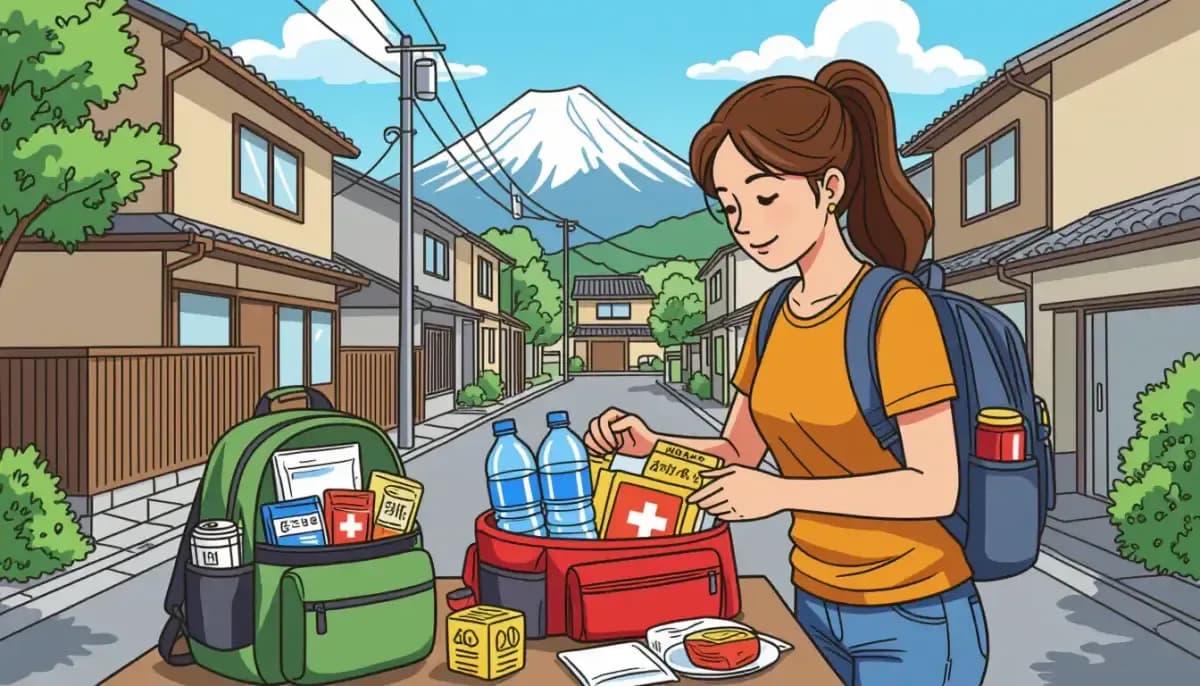
Build a complete emergency kit for Japan with this guide for foreigners. Covers essential items, water, food, documents, Japan-specific supplies, and where to buy everything.
Building an Emergency Kit for Japan: Essential Items Every Foreigner Needs
Living in Japan comes with incredible perks — world-class infrastructure, low crime, amazing food, and a unique culture that rewards patience and curiosity. But Japan is also one of the most disaster-prone countries on Earth. Approximately 1,500 earthquakes occur annually, and Japan receives about 10% of all earthquakes worldwide. Add typhoons, tsunamis, volcanic eruptions, and flooding into the mix, and you quickly realize that being prepared isn't optional — it's a basic responsibility of living here.
The problem? A surprising number of foreigners in Japan are underprepared. Research shows that only about 30% of international residents have prepared an emergency evacuation bag. If you're reading this, you have the chance to be in that minority — and this guide will walk you through everything you need to build a solid emergency kit tailored for life in Japan.
Why Japan Requires Its Own Emergency Preparedness Approach
Japan's disaster landscape is unique. Unlike some countries where you might prepare mainly for severe storms or power outages, Japan residents need to plan for a combination of threats:
- Earthquakes — Japan sits on multiple tectonic plates. The 2024 Noto Peninsula earthquake (magnitude 7.0) evacuated over 50,000 people in a single day.
- Tsunamis — Coastal regions require rapid evacuation, often within minutes.
- Typhoons — Seasonal storms bring heavy rainfall and flooding between June and October.
- Volcanic activity — Japan has 83 active volcanoes, one-tenth of the world's total.
- Landslides and flooding — Especially common in mountainous and rural regions after heavy rain.
For foreigners, there's an additional layer of challenge: language barriers can make it difficult to understand evacuation instructions, emergency broadcasts, and shelter information. Your emergency kit needs to address not just physical survival, but also communication and documentation needs specific to non-Japanese residents.
The Japanese government recommends a minimum 3-day supply of essentials, but many disaster experts now advise preparing for at least 7 days of self-sufficiency. This is especially important for areas far from major cities where aid may take longer to arrive.
For a broader overview of staying safe in Japan, see our Complete Guide to Safety and Emergency Preparedness in Japan.
The Core Emergency Kit: What to Pack (The Essential Checklist)
Your emergency kit — called a 非常用持ち出し袋 (hijōyō mochiidashi bukuro) in Japanese — should be a backpack that you can grab within seconds. Here's what to include:
Water and Food
| Item | Recommended Amount | Notes |
|---|---|---|
| Drinking water | 3–4 liters per person per day | Replace every 3–6 months |
| Non-perishable food | 3–7 day supply | Instant ramen, canned goods, energy bars |
| Calorie Mate bars | 2–4 boxes | Compact, calorie-dense, widely available |
| Foldable water containers | 1–2 per person | For collecting water at shelters |
| Manual can opener | 1 | Essential if packing canned food |
Water is your single most critical resource. Store a minimum of 3 liters per person per day, though 4 liters is the recommended amount if you have the space. For food, prioritize items that require no cooking or minimal water: protein bars, crackers, canned fish, dried fruit, and dehydrated meals. Instant noodles are popular, but they require boiling water — have a backup plan.
Communication and Power
When earthquakes hit, cell networks often become overloaded or go down entirely. You need backup communication:
- Portable FM radio — Japanese emergency broadcasts air on FM frequencies. A hand-crank or battery-powered radio is essential.
- Portable battery bank (powerbank) — Choose a high-capacity option (20,000 mAh+) to charge your phone multiple times.
- Solar-powered charger — A long-term option if an emergency extends beyond a few days.
- Whistle — Simple, effective for signaling rescuers if you're trapped under rubble.
- Flashlight or headlamp — LED versions with extra batteries, or a hand-crank model. LED beanies that integrate a light are popular for hands-free use.
Safety and Protection
- Helmet or hard hat — Falling objects are the primary injury risk in earthquakes. Japanese government shelters often distribute these, but having your own is far safer.
- Work gloves (cut-resistant) — Broken glass and debris are everywhere after a major quake.
- Dust masks (N95 or equivalent) — Useful in dusty post-quake conditions and during typhoon cleanup.
- Rain poncho — Compact, packable protection during evacuations in wet weather.
- Emergency foil blanket — Lightweight thermal protection, far more compact than a standard blanket.
- Hand warmers — Japan's winters are cold; pocket warmers (カイロ, kairo) are inexpensive and widely available at convenience stores.
First Aid Supplies
A basic first aid kit should include:
- Bandages and adhesive dressings
- Antiseptic wipes and disinfectant
- Gauze and medical tape
- Scissors and tweezers
- Over-the-counter medications (pain relievers, anti-diarrheal, allergy medication)
- Your prescription medications — Keep at least a 7-day backup supply
- Medical information sheet — Translated into Japanese, listing your blood type, allergies, and current medications
Blood type is taken seriously in Japan's medical culture, so make sure you know yours and have it documented. Learn more about navigating Japan's healthcare system in our Complete Guide to Healthcare in Japan.
Documents and Financial Essentials
One area where foreigners are particularly vulnerable is documentation. In a major disaster, you may be separated from your home, your belongings, and potentially your family. Here's what to prepare:
Document Copies (in a waterproof bag or container)
- Passport (copy of photo page)
- Residence card (在留カード, zairyu card) — This is your legal proof of residency in Japan
- My Number card (マイナンバーカード) — Japan's national identification
- Health insurance card (健康保険証)
- Proof of residence (住民票)
- Bank account information — Account numbers, branch info
- Emergency contact list — Family, friends, your country's embassy or consulate
Store physical copies in a waterproof envelope or zip-lock bag. Consider keeping scanned copies in a secure cloud service accessible from your phone.
Emergency Cash
Electronic payments — IC cards, credit cards, and QR pay — are convenient until they aren't. After major disasters, power outages make digital payments impossible. Keep ¥10,000–¥50,000 in physical cash in your emergency kit, with a mix of small and large denominations. ¥1,000 and ¥500 coins are particularly useful for vending machines that may still be operating.
Find your country's embassy in Japan at your government's official website. For example, US citizens can access emergency support through the U.S. Embassy & Consulates in Japan.
Japan-Specific Items You Might Not Think Of
Living in Japan means encountering a few unique disaster considerations that foreign disaster prep guides often miss:
Personal seal (hanko/印鑑): If you have a registered seal for banking and official documents in Japan, include it or a copy of the registration. Many administrative processes still require a seal.
Prescription medications with Japanese labels: If you take prescription medicine in Japan, keep a backup supply in your emergency bag. Also carry the original prescription in Japanese for refilling at a shelter-area pharmacy.
Japanese-language emergency app (Safety tips / NHK World): Download "Safety tips" (セーフティーチップス), the official Japanese government disaster alert app for foreigners. It delivers alerts in multiple languages, including earthquake early warnings and evacuation orders.
Offline maps: Download offline maps of your area using Google Maps or Maps.me. When cell networks are down, GPS can still function to help you navigate to your nearest evacuation center (避難場所, hinanbasho).
Portable toilet supplies: Japanese disaster shelters often become overwhelmed. Portable toilet waste bags are compact, practical, and frequently listed in Japanese government emergency guides as essential items.
Kairo (hand warmers): Japan's cold winter months (especially December–February) make these small, affordable warmers genuinely important for outdoor evacuation scenarios. Stock up at convenience stores or 100-yen shops.
Where to Buy Emergency Kit Items in Japan
The good news: Japan is exceptionally well-supplied for disaster preparedness. Here's where to shop:
| Store | What to Buy | Price Range |
|---|---|---|
| Daiso (100-yen shop) | Flashlights, bandages, gloves, bags, kairo | ¥110–¥330 |
| Don Quijote | Pre-made disaster kits, full-kit packages | ¥3,000–¥15,000 |
| Amazon Japan | Comprehensive kits, specific items, power banks | ¥2,000–¥30,000+ |
| 7-Eleven / Lawson / FamilyMart | Water, food, basic supplies | Variable |
| Home centers (Cainz, Komeri) | Tools, storage containers, tarps | ¥500–¥5,000 |
| Yodobashi Camera / Bic Camera | Electronics, radios, power banks | ¥2,000–¥20,000 |
Pro tip from the community: Visit Daiso and shop as if you're packing for a week-long camping trip. You can assemble a basic emergency kit for under ¥5,000. For a more comprehensive setup, consider purchasing a pre-packaged disaster kit and supplementing it with your personal items.
Pre-made disaster kits (防災グッズセット, bosai goods set) are widely available on Amazon Japan in 1-person, 2-person, and family configurations. They typically include a backpack, food rations, flashlight, radio, and basic supplies.
For more shopping tips and where to find things in Japan, visit our Complete Guide to Shopping in Japan.
How to Store and Maintain Your Emergency Kit
Building the kit is the first step. Maintaining it matters just as much:
Location matters: Store your emergency bag near your front door or bedroom. You may have seconds, not minutes, to grab it during a sudden earthquake or nighttime fire.
Rotate food and water: Non-perishable food still has expiration dates. Check your kit every 6 months and replace expired items. Water stored in plastic containers should be replaced every 3–6 months.
Seasonal updates: Swap out thermal layers for summer cooling gear (cooling towels, portable fans) and back again for winter. Japan's climate varies dramatically.
Work kit: Consider keeping a smaller secondary kit at your workplace. Disasters don't follow your schedule, and you may be unable to return home.
Digitize and backup: Keep phone photos of your documents. Store them in a password-protected folder on cloud storage.
Practice the evacuation route: Walk from your home to your nearest designated evacuation center (避難場所) before you need to use it. Check your local ward office (区役所 / 市役所) for maps of disaster shelters in your area.
Living in Japan long-term means integrating disaster readiness into your regular routine. For guidance on adapting to everyday life in Japan, see our Complete Guide to Daily Life in Japan.
Emergency Kit for Families, Seniors, and Pets
Families with children: Add formula, diapers, baby food, a comfort toy, and entertainment items to help children manage stress during evacuations. Children's medications and a written note about any allergies or medical needs (in Japanese) are also essential.
Seniors or those with chronic health conditions: Consult with your doctor in advance about maintaining an emergency supply of prescriptions. Keep medical devices (hearing aids, blood pressure monitors) stocked with backup batteries or charging cables.
Pet owners: Japan's evacuation shelters generally do not accommodate pets. Plan ahead by identifying pet-friendly evacuation options, and pack 3–7 days of pet food, water, a leash, and any medications your pet needs.
For advice on navigating family life in Japan, including healthcare and schools, see our Complete Guide to Raising Children in Japan.
Additional Resources for Emergency Preparedness in Japan
Building your kit is just the start. Stay informed and connected through these resources:
- Living in Nihon's Disaster Preparedness Guide: Comprehensive guide for foreigners on disaster preparedness in Japan
- For Work in Japan: General guidance for foreigners navigating life in Japan at forworkinjapan.com
- Ittenshoku: Career and life transition resources for those in Japan at ittenshoku.com
- Japan Living Guide's Emergency Bag Article: Step-by-step emergency bag guide for expats
- Japan Today Survival Kit Guide: How to make a survival kit for emergencies in Japan
- Safety Tips App: Available on iOS and Android, provides multilingual disaster alerts from the Japanese government
Being prepared doesn't mean living in fear — it means living in Japan with confidence, knowing you've done the sensible thing. The best time to build your emergency kit was the day you arrived. The second-best time is today.

Originally from Vietnam, living in Japan for 16+ years. Graduated from Nagoya University, with 11 years of professional experience at Japanese and international companies. Sharing information about living in Japan for foreigners.
View Profile →Related Articles

Winter Safety Tips and Cold Weather Guide for Japan
Essential winter safety guide for foreigners in Japan: heating safety, hypothermia prevention, heat shock risks, layering tips, and emergency preparedness for cold weather.
Read more →
Heat Stroke Prevention in Japan Summer Safety Guide
Learn how to prevent heat stroke in Japan's brutal summer heat and humidity. Essential tips on hydration, symptoms, emergency numbers (119, #7119), and Japanese-specific heat prevention strategies for foreigners.
Read more →
How to Prepare for Volcanic Eruptions in Japan
Complete guide for foreigners on volcanic eruption preparedness in Japan. Learn the JMA 5-level alert system, build your emergency kit, and know what to do during an eruption or ash fall.
Read more →
Fire Safety and Prevention in Japan for Residents
Learn essential fire safety tips for living in Japan — from emergency number 119 and smoke detector laws to apartment evacuation routes and fire insurance. A complete guide for foreigners.
Read more →
Japan Emergency Alert System How It Works
Everything foreigners need to know about Japan's J-Alert emergency alert system: how it works, what the sounds mean, why your foreign phone may not receive it, and which apps to install for English alerts.
Read more →
Flood and Landslide Safety in Japan Guide
Everything foreigners need to know about flood and landslide safety in Japan: understanding the 5-level warning system, reading hazard maps, essential apps, evacuation steps, and building a disaster kit.
Read more →