The Complete Guide to Leaving Japan as a Foreigner
Leaving Japan is a significant life transition — and one that involves a surprising amount of paperwork. Whether you're heading home after a work contract, moving to another country, or simply wrapping up your Japan adventure, there are dozens of administrative tasks to complete before you board that final flight. Miss any of them, and you could face unexpected bills, tax complications, or problems with future visa applications.
This comprehensive guide walks you through everything you need to do before leaving Japan as a foreigner — from notifying your ward office to claiming your pension refund. We've organized it into a step-by-step timeline so you can tackle each task in the right order, without missing anything important.
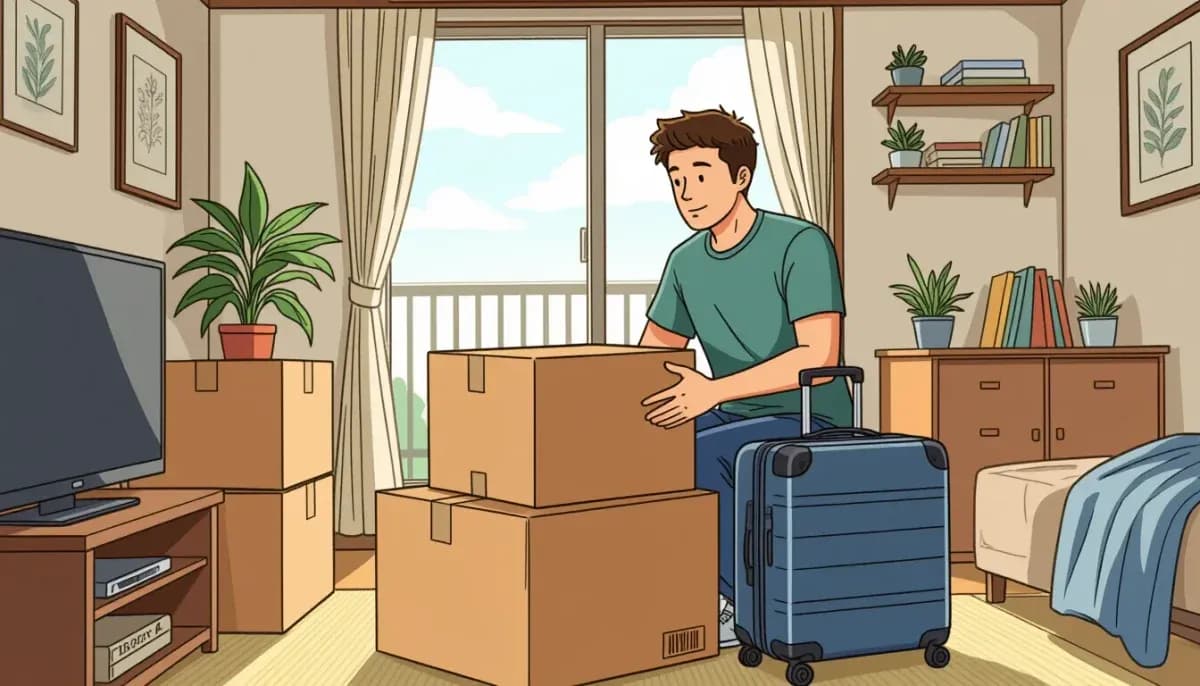
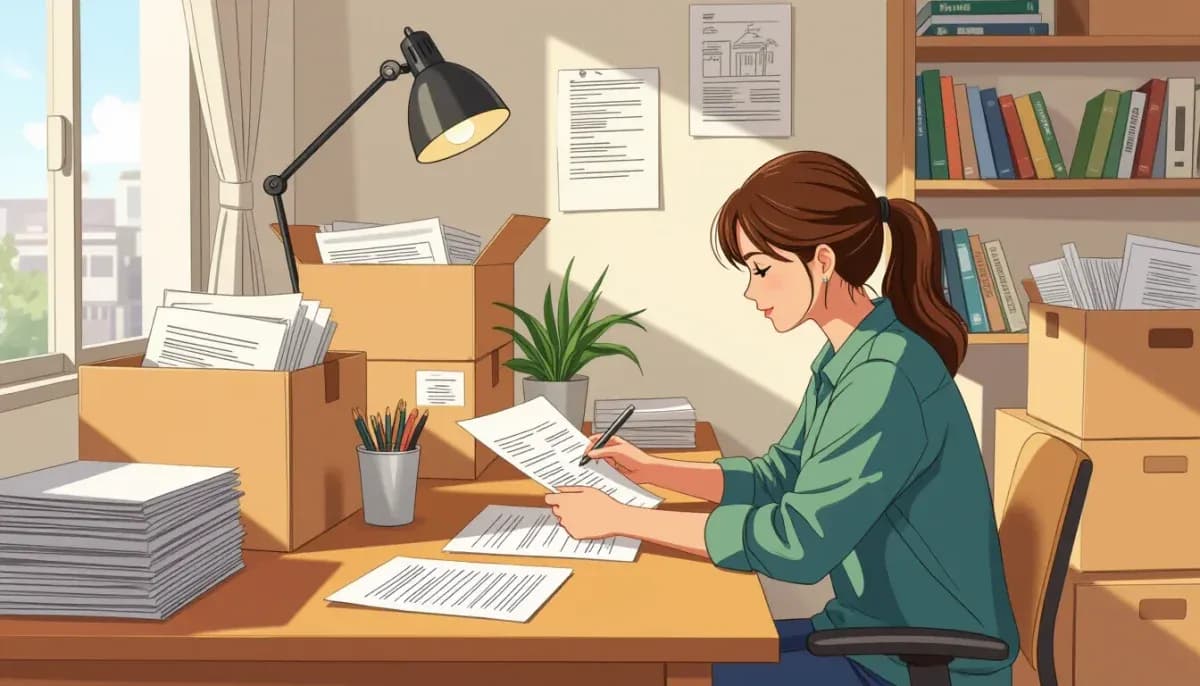
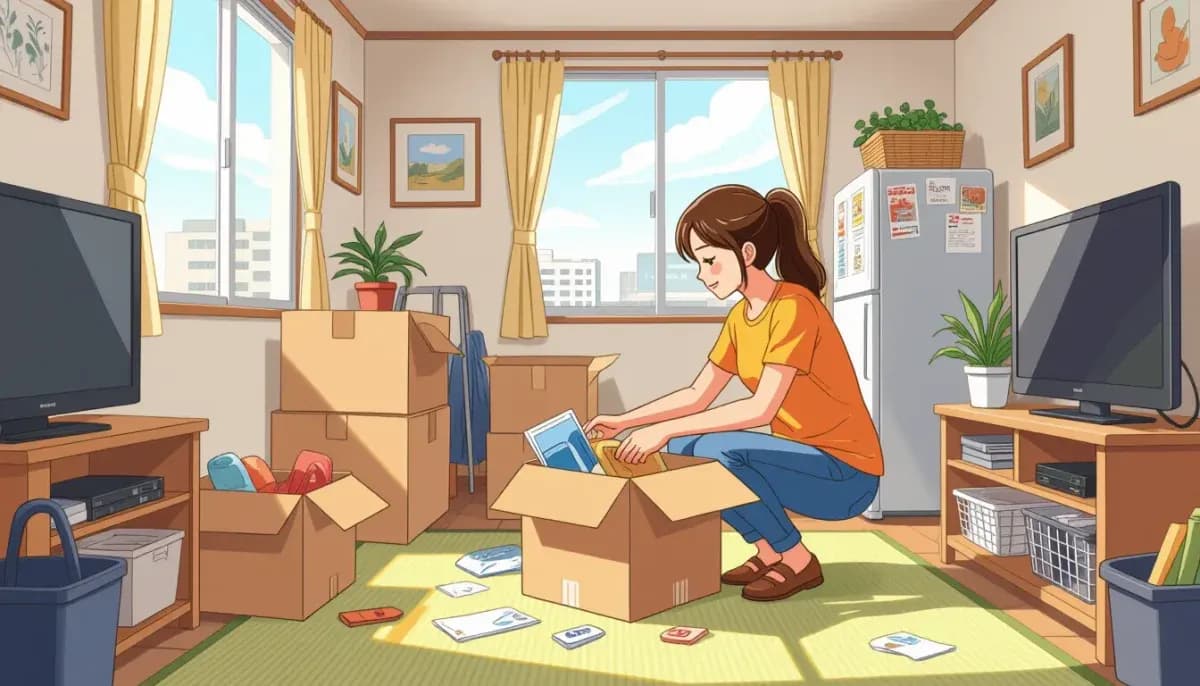
!Foreigner packing boxes in a Japanese apartment preparing to leave Japan
The Master Leaving Japan Checklist: Overview
Before diving into the details, here's a high-level overview of everything you need to handle. We'll cover each section in depth below.
| Category | Key Tasks | Timeline |
|---|
| Housing | Notify landlord, clean apartment, cancel utilities | 1–2 months before |
| Phone & Internet | Cancel contracts or switch to international plan | 1–2 months before |
| Financial | Close bank account, settle residence tax | 2–4 weeks before |
| Government | File tenshutsu todoke (moving-out form), cancel health insurance | 2 weeks before |
| Pension | Apply for lump-sum withdrawal refund | After departure |
| Mail | Set up forwarding, appoint tax representative | 2–4 weeks before |
| Departure | Return residence card at airport | Day of departure |
Bookmark this page and work through each section systematically. Start at least 2 months before your planned departure date to avoid any last-minute scrambles.
For general tips on expat life in Japan, Living in Nihon is an excellent resource with guides covering everything from renting to daily life essentials.
Step 1: Housing — Notifying Your Landlord and Vacating Your Apartment
Your apartment is one of the first things to address, as most Japanese rental contracts require 1 to 2 months' notice before moving out. Check your lease agreement carefully — breaking this requirement can mean forfeiting part of your deposit.
Timeline and Notice Requirements
In Japan, rental agreements typically include a notice clause requiring you to inform your landlord (through your real estate agent) in writing at least one month in advance, though two months is common. Contact your agent as soon as you have a confirmed departure date.
Apartment Cleaning and Key Handover
Japan has strict standards for apartment condition upon return. You'll typically need to:
- Thoroughly clean every room, including appliances and fixtures
- Remove all belongings — Japanese landlords will charge for disposal of any items left behind
- Repair minor damage not covered by normal wear and tear
- Return all keys and keycards to the real estate agent
Many expats hire a professional cleaning service (引越しクリーニング, hikkoshi cleaning) for a few hundred dollars to ensure the apartment passes inspection and maximize deposit return.
Canceling Utilities
Once you have a move-out date, contact each utility provider to schedule cancellation:
- Electricity (電気): Call your electricity company to stop service and provide your final meter reading
- Gas (ガス): Schedule a gas meter reading appointment — technicians typically visit in person
- Water (水道): Contact your city/ward office water department
- Internet: Most ISPs require 1 month's notice and may charge an early termination fee
Keep records of your final bills and cancellation confirmations. Some providers only accept cancellations via phone in Japanese, so ask a bilingual friend or use an interpreter service if needed.
Disposing of Belongings
Japan has strict waste disposal rules. Large items (粗大ごみ, sodai gomi or "oversized garbage") cannot simply be left on the curb — you must purchase disposal stickers from your ward office or a convenience store and schedule a pickup date.
Options for getting rid of items include:
- Selling: Mercari, Yahoo Auctions, Facebook Marketplace Japan, or second-hand shops (リサイクルショップ)
- Donating: Some charities and churches accept gently used items
- Shipping home: Japan Post offers SAL, Economy Air, and EMS services for international parcels
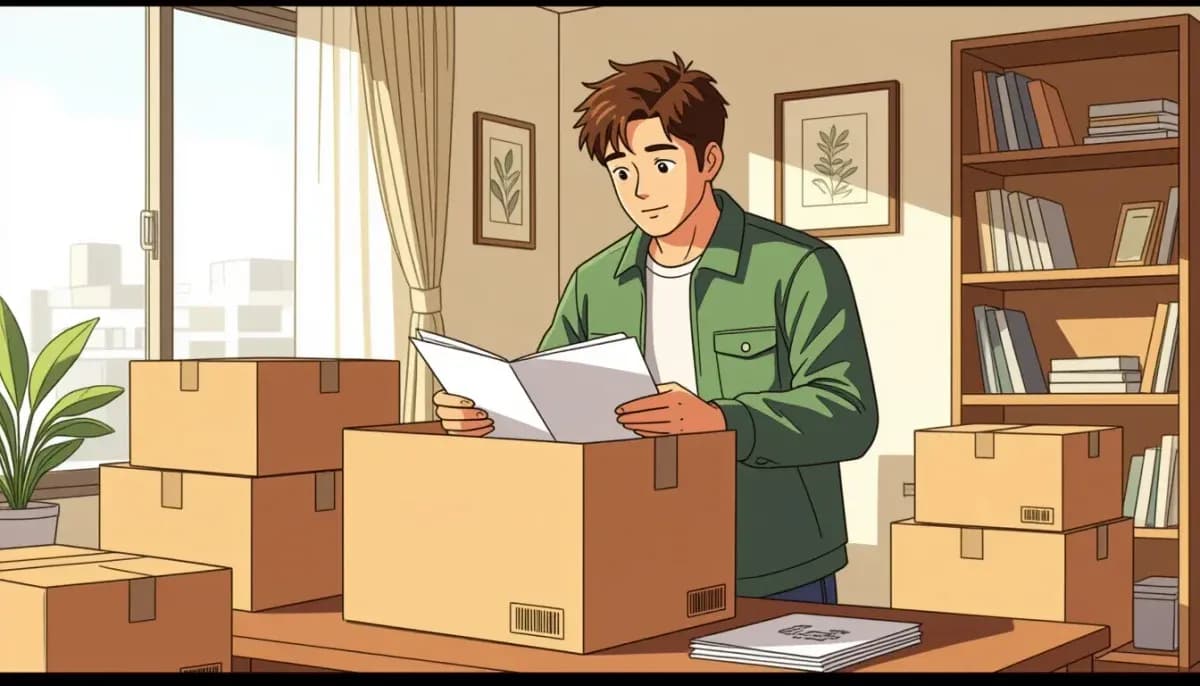
!Expat organizing belongings and packing for departure from Japan
Step 2: Phone, Internet, and Subscriptions
Japan's subscription economy can trap unprepared expats. Many services use auto-renewal by default, and some require in-person or mailed cancellations — meaning they'll keep billing you even after you leave the country.
Canceling Your Mobile Phone Contract
Major Japanese carriers (docomo, au, SoftBank) and MVNOs typically require you to visit a store in person to cancel. Bring your residence card, passport, and phone. Cancellation may also require payment of an early termination fee depending on your contract term.
If you want to keep a Japanese number temporarily (useful for authentication apps), some carriers offer international roaming plans or allow you to downgrade to a basic SIM. However, most expats find it easier to cancel entirely.
Two-Factor Authentication Warning
Before canceling your Japanese phone number, audit every online account that uses your Japanese number for two-factor authentication (2FA). This includes:
- Online banking and investment accounts
- Shopping sites (Amazon Japan, Rakuten, etc.)
- Social media and email accounts
- Work-related tools and VPNs
Update 2FA to your international number or an authenticator app before your number goes inactive. Missing this step can permanently lock you out of important accounts.
Other Subscriptions to Cancel
Go through your credit card and bank statements to find all active subscriptions:
- Streaming services (Netflix, Amazon Prime, Disney+)
- Gym memberships (most require in-person cancellation with advance notice)
- Language apps and online courses
- Delivery services (Oisix, Coop, etc.)
- Private health insurance plans
- NHK (public broadcaster) fee
For more guidance on managing finances in Japan, check out our Complete Guide to Banking and Finance in Japan.
Step 3: Government Procedures — The Essential Paperwork
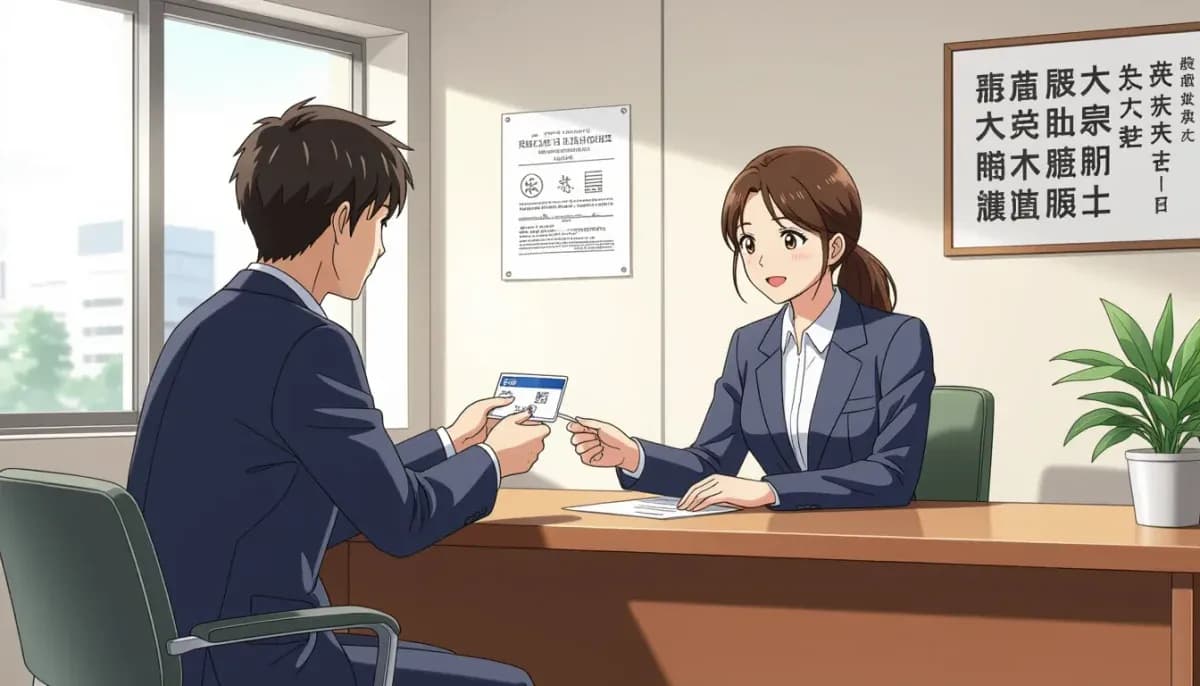
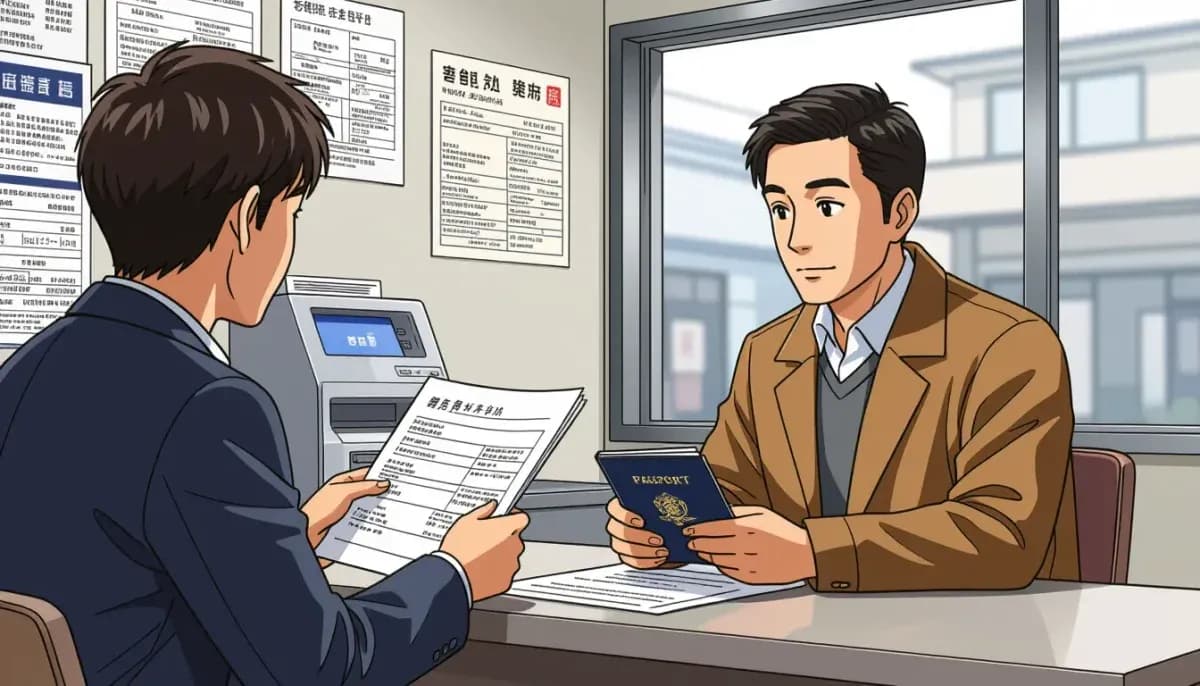
The most critical official step when leaving Japan is filing your moving-out notification (転出届, tenshutsu todoke) at your local city or ward office. This single document triggers a cascade of related procedures.
Filing the Tenshutsu Todoke (Moving-Out Notification)
You must file the tenshutsu todoke at your local ward or city office within 14 days before your departure date. Bring:
- Your residence card (在留カード, zairyu card)
- Your passport
- Your My Number card (if you have one)
- Your personal seal (hanko), if used for official documents
The form itself is straightforward — staff at ward offices are accustomed to helping foreigners, and English-language forms are often available. After filing, you'll receive a tenshutsu shomei (certificate of moving out) which you'll need for certain follow-up procedures.
⚠️ Important: Do NOT skip this step. If you leave Japan without filing, your residence registration remains active. This means you'll continue to be billed for:
- National Health Insurance (国民健康保険)
- Residence tax (住民税)
- Possible complications with future visa applications
Canceling National Health Insurance
After filing your tenshutsu todoke, take your National Health Insurance card to the same ward office and formally cancel your enrollment. Pay any outstanding premiums before you leave — unpaid NHI premiums are tracked and could cause complications if you return to Japan later.
If you're covered by employer health insurance (社会保険, shakai hoken), your employer will handle the cancellation when you leave the company.
Residence Tax (住民税)
Residence tax is a common source of confusion — and unexpected bills — for departing foreigners. Here's how it works:
- Residence tax is based on your prior year's income
- It's calculated on January 1st each year based on where you were registered
- If you leave Japan mid-year, bills for the current year (covering last year's income) will arrive in June–July
Before leaving, either:
- Pay in full at the ward office
- Appoint a tax representative to handle payments and correspondence on your behalf
If you receive a tax bill after departure, your appointed tax representative can pay it from an account you've left funded, or you can wire money from overseas.
For a full explanation of Japan's tax system, see our Complete Guide to Taxes in Japan for Foreigners.
Returning Your Residence Card
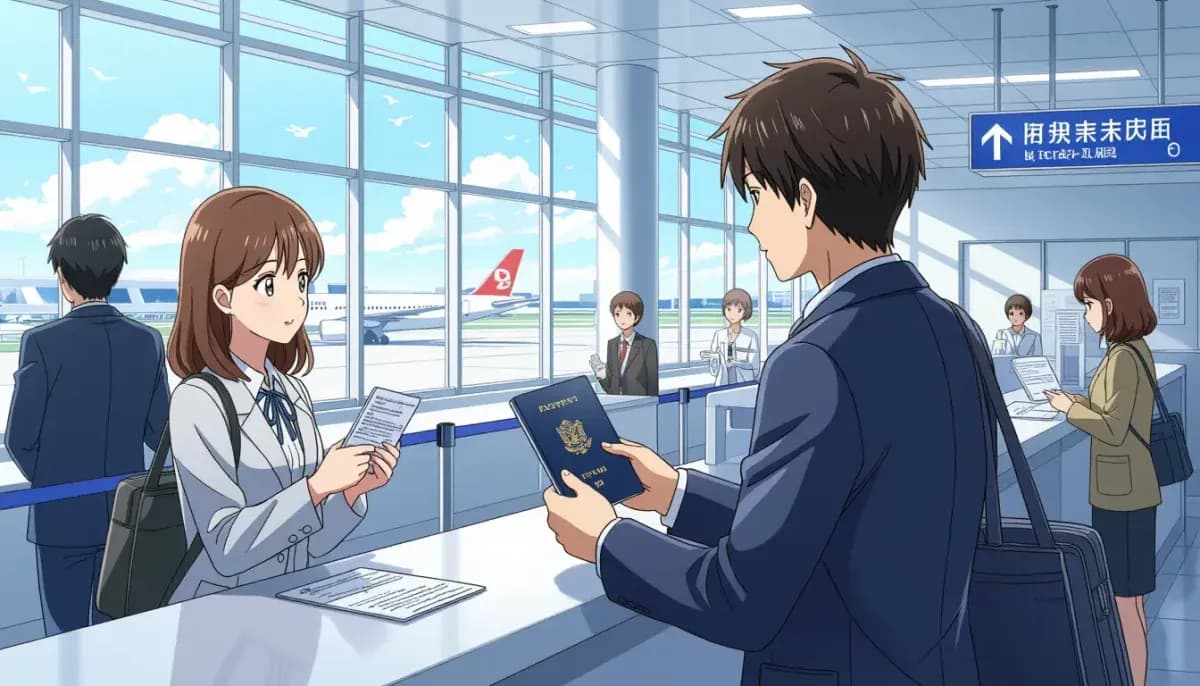
On the day you leave Japan, hand your residence card to immigration officers at the departure gate. They will punch a hole through it and return it — keep this card. You'll need it when applying for your pension refund (the hole indicates official departure from Japan).
If you're a permanent resident planning to return to Japan, you must apply for a Special Re-entry Permit before departure to preserve your PR status for up to 5 years. Without it, your permanent residency will be revoked the moment you leave.
Step 4: Banking — Closing Your Japanese Bank Account
Most Japanese banks request that you close your account when leaving Japan permanently. Japan's Financial Services Agency (FSA) recommends this, and most bank Terms of Use include a clause about it.
How to Close Your Account
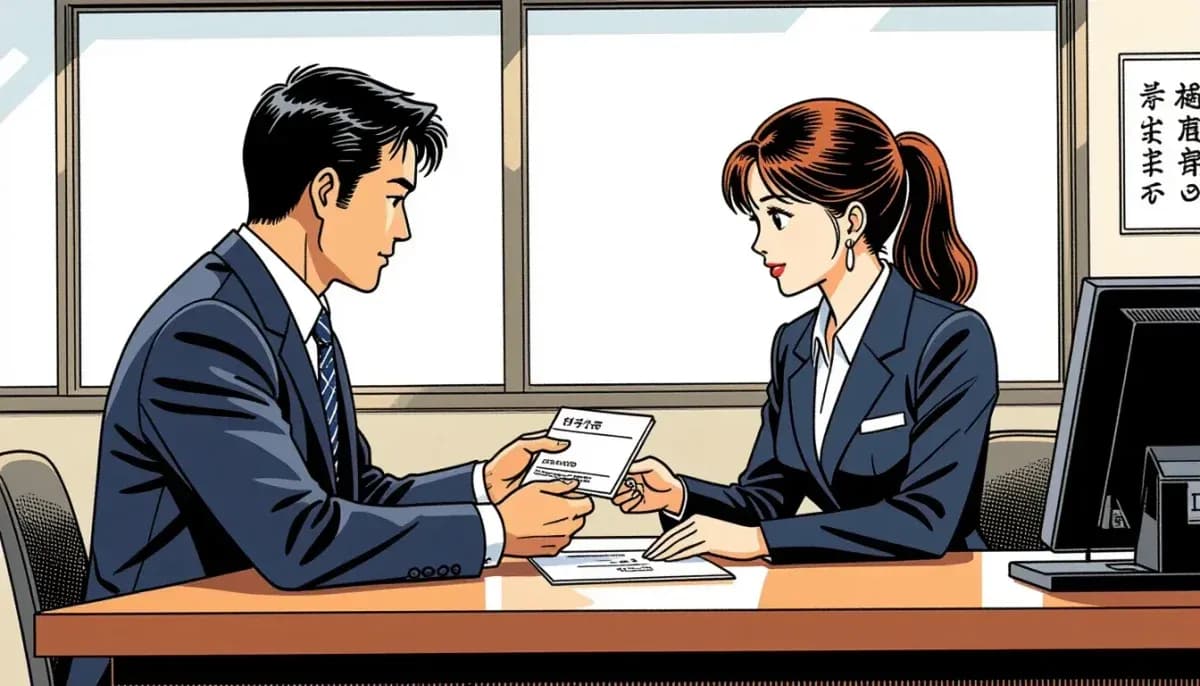
Closing a Japanese bank account almost always requires an in-person visit to a branch. Bring:
- Your bank passbook (通帳, tsuchou)
- Your cash card (キャッシュカード)
- Your personal seal (印鑑, inkan), if registered with the bank
- Your residence card or passport
- Any linked credit cards
The teller will process the closure and issue a final withdrawal of your balance in cash. Allow extra time for this visit — it can take 30–60 minutes.
Should You Keep Your Account Open?
Some expats choose to keep their Japanese bank account open rather than closing it, especially if they:
- Plan to return to Japan in the future
- Have outstanding invoices or regular payments coming in
- Need an account to receive their pension refund (though overseas bank accounts are also accepted)
If you keep your account, ensure you have a way to manage it remotely (internet banking set up, app downloaded) and that you won't lose access due to 2FA changes.
For more information on Japan's banking system, visit For Work in Japan, which covers financial matters for foreign workers in Japan.
Step 5: Japan Pension Refund (Lump-Sum Withdrawal)
One of the most financially significant tasks when leaving Japan is claiming your pension lump-sum withdrawal (脱退一時金, dattai ichijikin). If you've contributed to Japan's pension system for 6 months or more, you're entitled to a partial refund of your contributions.
Who Qualifies?
You qualify for the lump-sum withdrawal if you:
- Are a non-Japanese national
- Have contributed to Japan's pension (National Pension or Employees' Pension Insurance) for at least 6 months
- Have permanently left Japan and cancelled your residence registration
- Have never received a Japanese pension payment
How Much Can You Receive?
The refund amount depends on how long you contributed and your average monthly income (for Employees' Pension). For National Pension, the amounts are fixed:
| Contribution Period | Refund Amount (National Pension) |
|---|
| 6–11 months | ¥50,940 |
| 12–17 months | ¥101,880 |
| 18–23 months | ¥152,820 |
| 24–29 months | ¥203,760 |
| 36–47 months | ¥305,640 |
| 60+ months (maximum) | ¥509,400 |
Note: These figures are for National Pension only. Employees' Pension (厚生年金) refunds are calculated separately based on your salary, and are typically much larger for higher earners.
The 20% Tax Withholding
Japan automatically withholds 20% income tax from your pension refund. However, you can reclaim this money by:
- Appointing a tax representative (nouzei kanrinin) in Japan before you leave
- Having them file a final tax return on your behalf
- The refunded tax is then transferred to your overseas bank account
The entire process — pension refund plus tax reclaim — typically takes 6 to 12 months from the date you apply.
How to Apply
Apply after you leave Japan (you must be outside Japan for the application to be processed):
- Download the lump-sum withdrawal claim form from the Japan Pension Service website
- Complete the form and attach: passport copy, copy of residence card with departure stamp, pension number, and overseas bank account details (including SWIFT/IBAN)
- Mail the application to your designated regional Japan Pension Service office
You have 2 years from the date you leave Japan to submit your application — don't wait too long.
The Japan Pension Service provides official guidance at nenkin.go.jp.
For broader guidance on managing your finances when relocating, Ittenshoku offers resources for people transitioning their careers and lives in Japan.
Step 6: Handling Mail, Forwarding, and Documentation
After you leave Japan, various official documents will continue to arrive at your former address — tax bills, pension notices, bank statements, and more. Plan ahead for mail management.
Setting Up Mail Forwarding
Japan Post offers a mail forwarding service (転送, tensou) that redirects all your mail for up to 12 months. You can set this up at your local post office before departure. However, this forwards mail to a domestic Japanese address, not overseas — so you'll need someone in Japan (a friend, colleague, or professional tax representative) to receive and forward important documents to you.
Appointing a Tax Representative
If you have any ongoing Japanese tax obligations — residence tax bills, pension refund paperwork, or a final tax return — you must appoint a tax representative (納税管理人, nouzei kanrinin) before leaving Japan. This can be any resident in Japan, paid or unpaid, but they should ideally have good Japanese language skills to handle official correspondence.
Your tax representative can:
- File your final income tax return
- Receive and pay residence tax bills
- Submit your pension lump-sum withdrawal application
- Handle any correspondence from tax authorities
Important Documents to Keep
Before leaving, gather digital and physical copies of:
| Document | Why You Need It |
|---|
| Final pay stubs | For tax returns and pension application |
| Pension number / blue pension booklet | For lump-sum withdrawal application |
| Residence card (with departure hole) | Required for pension refund application |
| Health insurance payment records | To confirm no outstanding premiums |
| Bank closure confirmation | Proof of account status |
| Utility cancellation confirmations | In case of disputed final bills |
| Apartment inspection report | For deposit dispute resolution |
Step 7: Shipping Belongings and Final Logistics
International Shipping Options
For sending belongings home, you have several options:
- Japan Post (EMS, Economy Air, SAL): Reliable but can be expensive for heavy items
- Yamato Transport (Kuroneko): Offers international shipping through Yamato Global Express
- Shipping containers: For large volumes — companies like OCS or Nippon Express offer door-to-door container services
- Excess baggage: Some airlines allow additional checked bags for reasonable fees
Start shipping non-essential items well in advance. International shipping from Japan can take 2–8 weeks depending on the destination and service.
Selling or Donating Remaining Items
Give yourself at least a month to sell unwanted items:
- Mercari: Japan's most popular C2C marketplace, great for electronics, clothes, and household goods
- Hard Off / Book Off / Mode Off: Second-hand chains that buy items on the spot
- Facebook Marketplace Japan / local expat groups: Good for furniture and larger items
Plan for items that can't be sold — book a sodai gomi pickup for large items well in advance, as some wards have limited pickup slots.
Step 8: Final Days Checklist
In your final week in Japan, work through this checklist:
- [ ] Confirm flight details and check-in requirements
- [ ] Pack your residence card (to hand to immigration at the airport)
- [ ] Withdraw remaining cash from your bank account (or arrange final closure)
- [ ] Cancel any remaining automatic payment methods (credit cards, direct debit)
- [ ] Update your address with important institutions (home country government, employer, contacts)
- [ ] Say your goodbyes — and take plenty of photos of your favorite places!
At the Airport
At Japanese international airports, after clearing security and before reaching your departure gate:
- Proceed to the immigration departure counter
- Hand over your residence card
- The officer will punch a hole in it and return it — this is your proof of departure for the pension refund
Keep this punched residence card in a safe place; you'll need a copy of it when applying for your pension refund from overseas.
Frequently Asked Questions About Leaving Japan
Can I leave Japan without filing the tenshutsu todoke? Technically yes, but it's a serious mistake. Your residence registration remains active, meaning you'll continue to be billed for health insurance and residence tax. These bills will follow you, and unpaid taxes can complicate future visits or visa applications.
How long does the pension refund take? The standard processing time is 3–6 months from application. If you also file for the 20% tax refund, add another 1–3 months. Start the process as soon as possible after leaving.
Can I keep my Japanese bank account from overseas? Some banks allow it, but managing it remotely becomes increasingly difficult. ATM card access may be limited, and customer service is almost entirely in Japanese. Many expats close their accounts before leaving to avoid complications.
What happens to my My Number (個人番号) card? You should return your My Number card to the ward office when filing your tenshutsu todoke. It's no longer valid once your residence registration is cancelled.
What if I want to return to Japan later? Leaving Japan doesn't prevent future visits or residence. Your departure will be recorded, and any outstanding taxes or fees could affect future visa applications. Ensure all financial obligations are settled before you go.
Leaving Japan thoughtfully — with every checkbox ticked — means you can close this chapter with peace of mind and keep the door open for any future return. For more guidance on life in Japan, explore our Complete Guide to Daily Life in Japan and our Complete Guide to Japan Visa and Immigration.
For practical guidance on working life in Japan, For Work in Japan offers detailed resources for foreign professionals navigating Japanese workplace culture and procedures.