
Transferring Money Out of Japan Before You Leave

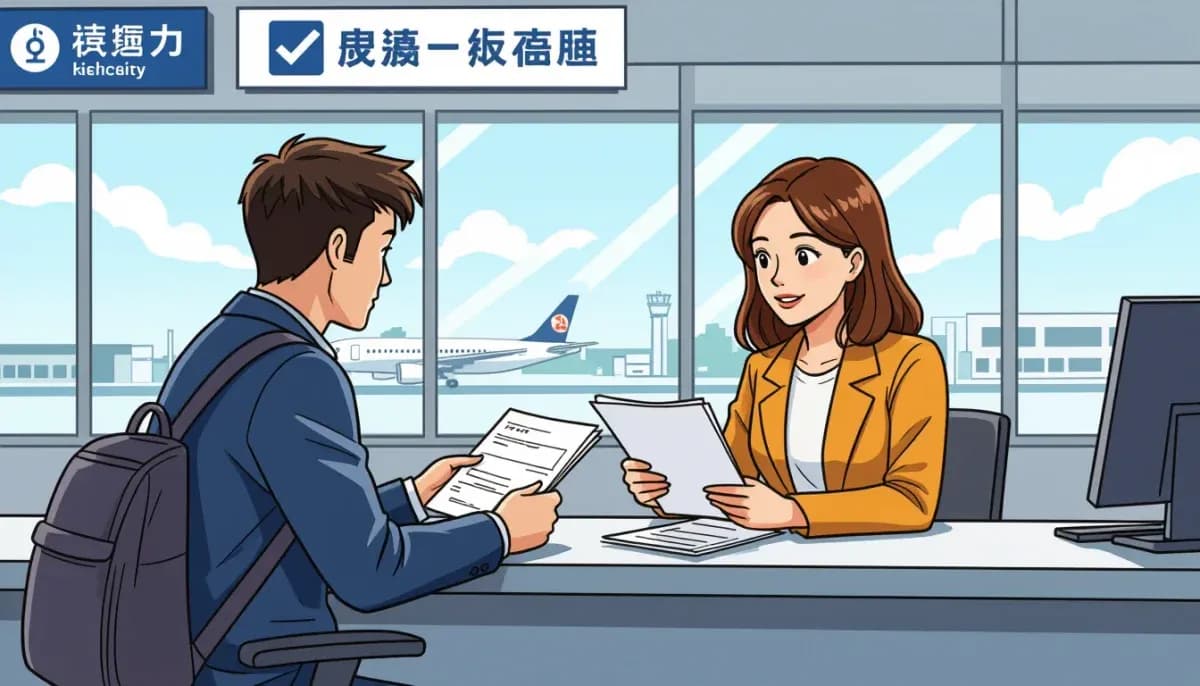
Complete guide to transferring money out of Japan before leaving. Compare Wise, Western Union, Seven Bank, fees, customs rules, exit tax, and pension refund tips for foreigners.
Transferring Money Out of Japan Before You Leave: The Complete Guide
Leaving Japan is an exciting milestone, but before you board that flight, one of the most important financial tasks you'll face is transferring your savings and remaining funds back home. Whether you've been living in Japan for one year or ten, moving money internationally requires some planning — especially since the rules, fees, and available services have changed significantly in recent years.
This guide covers everything you need to know: which transfer services to use, what fees to expect, Japan's customs declaration rules, tax considerations, and the smartest strategies for getting your money home safely and cheaply.
For a broader overview of everything involved in departing Japan, see our Complete Guide to Leaving Japan as a Foreigner. And for ongoing remittance strategies during your time in Japan, check out our Complete Guide to Sending Money from Japan.
Understanding Your Options: Transfer Services Compared
Not all money transfer services are created equal. The fees, exchange rates, and transfer limits vary dramatically between providers. Here's a breakdown of the most commonly used services for foreigners leaving Japan:
| Service | Fee (100,000 JPY → USD) | Exchange Rate | Transfer Limit | Best For |
|---|---|---|---|---|
| Wise | ~¥987 | Near mid-market | Up to 150M JPY | Most transfers |
| Western Union | ~¥1,480 | Below mid-market | ¥1,000,000 (JP-US) | Cash pick-ups |
| Seven Bank | ~¥1,950 | Below mid-market | Varies | Convenience |
| SBI Remit | Low flat fee | Competitive | High | Asia corridors |
| Traditional Banks | Up to ¥4,000 | Poor | No cap | Avoid if possible |
| PayPal | 3-4% conversion | Poor | Varies | Avoid |
Wise (Recommended for Most People)
Wise (formerly TransferWise) is the top pick for most foreigners leaving Japan. It uses the real mid-market exchange rate — the same rate you see on Google or XE.com — and charges a small, transparent fee. For a 10,000 JPY transfer, you'll pay around ¥336 in fees; for 100,000 JPY, around ¥987.
Key advantages:
- Transfer limit of up to 150 million yen per transaction — more than enough for most departures
- Transfers typically arrive in 1-4 business days
- App and web interface are user-friendly and available in English
- You'll need to upload a My Number notification or photo ID to verify your account
To set up Wise, visit Wise's guide on sending money overseas from Japan for step-by-step instructions.
Western Union
Western Union is a viable option if your recipient needs cash pick-up rather than a bank deposit. Available at Lawson convenience stores across Japan, the base fee is ¥400 for cash pick-ups. However, the transfer cap for Japan-US transfers is ¥1,000,000, making it less practical if you're sending larger sums.
Seven Bank
Seven Bank (affiliated with 7-Eleven) offers international transfers with fees that scale with the amount. For 100,000 JPY, expect around ¥1,950 in fees. It's convenient if you're already using their ATM services, but Wise typically offers better rates.
Traditional Japanese Banks (Avoid These)
SMBC, MUFG, and Mizuho are the household names in Japanese banking, but they're the worst option for international transfers. Fees can reach ¥4,000 per transfer, and their exchange rates include significant hidden markups. For large final transfers before leaving Japan, stick with Wise or a specialist remittance service.
Important note: GoRemit ceased operations in October 2025, so if you were using that service, you'll need to switch to an alternative.
For more on managing your finances in Japan, see our Complete Guide to Banking and Finance in Japan.
Japan's Rules: What You Can (and Can't) Take Out
Before you transfer or carry money out of Japan, it's essential to understand the legal framework. Japan has specific rules under the Foreign Exchange and Foreign Trade Act (FEFTA) that govern large international money movements.
Customs Declaration Requirements
If you are physically carrying cash or cash-equivalent instruments when you leave Japan, you must declare to customs if the total exceeds ¥1,000,000 (approximately USD 6,500–7,000 depending on exchange rates). This includes:
- Banknotes and coins
- Traveler's checks
- Bearer securities
Additionally, if you are carrying high-purity gold (over 90% purity) weighing more than 1 kilogram, you must also declare it at departure.
Note for North Korea travelers: The declaration threshold drops to ¥100,000 for travel to North Korea.
Reporting Requirements for Large Wire Transfers
For bank wire transfers of ¥30,000,000 or more between residents and non-residents, reporting requirements are triggered under FEFTA. Your bank will typically request:
- The stated purpose of payment
- Source of funds documentation
- Supporting invoices or agreements
For most foreigners leaving Japan with savings under this threshold, wire transfers via Wise or similar services can be done without special reporting — though you should always keep records for tax purposes.
What's Prohibited
Mailing physical currency overseas from Japan is prohibited under international mail regulations. Don't attempt to mail cash in envelopes or packages — it's illegal and you risk losing your money with no legal recourse.
For more information on legal requirements when departing, see Japan Handbook's guide on taking money out of Japan.
Tax Considerations Before Transferring Money
Transferring your own savings out of Japan is generally not a taxable event — you're simply moving money you've already paid taxes on. However, there are important nuances depending on your residency status and the nature of the funds.
Resident Tax (Jūminzei)
Even if you leave Japan mid-year, you may still owe resident tax for the entire previous fiscal year. The tax is levied based on your income in the previous year, and your city office may send bills overseas if you don't settle before leaving. Make sure to:
- Check your resident tax status with your local city office
- Arrange payment before departure or set up a tax agent
- Keep your Japanese bank account open until all tax bills are settled
Exit Tax on Unrealized Capital Gains
Japan's exit tax applies to unrealized capital gains on financial assets (stocks, bonds, etc.) if you:
- Have resided in Japan for more than 5 years within the 10-year period before your departure date
If this applies to you, the gains are treated as if you sold all qualifying assets on the day you leave Japan. This is a complex area — consult a tax professional before departing. Read more at Japan Dev's guide on the Japanese exit tax.
Non-Permanent Residents
If you were a non-permanent resident (in Japan for 5 years or less out of the last 10), Japan's tax treatment of foreign-source income is different. Money remitted to Japan from abroad is taxable, but your own savings being repatriated home are generally not. Keep clear records distinguishing income from savings.
For a complete breakdown of Japanese tax rules, see our Complete Guide to Taxes in Japan for Foreigners.
Living in Nihon also has a helpful guide to leaving Japan procedures for foreigners covering tax and administrative steps when departing.
Practical Strategy: How to Transfer Large Sums Before Leaving
If you're transferring a large amount — your entire savings account, for example — here's the smartest approach:
Step 1: Start Early
Don't wait until the week before your flight. Start the transfer process 2-4 weeks before your departure to:
- Allow time for account verification on Wise or your chosen service
- Handle any issues with source-of-funds documentation
- Avoid rushed decisions during a stressful move
Step 2: Verify Your Wise Account in Advance
If you haven't used Wise before, create and verify your account while you're still in Japan. You'll need:
- A valid government-issued ID (passport works)
- Your My Number card or notification letter
- Proof of your Japanese bank account details
Step 3: Break Up Very Large Transfers if Needed
For amounts approaching ¥30,000,000, consult with your bank about reporting requirements. For most people sending amounts under this threshold, a single Wise transfer is fine. For larger amounts, consider:
- Using a licensed Type 1 remittance provider (highest compliance level)
- Consulting a financial advisor familiar with Japan's FEFTA requirements
Step 4: Keep Your Japanese Bank Account Open Temporarily
Don't close your Japanese bank account immediately after transferring funds. You may receive:
- Pension lump-sum refund (if applicable — see below)
- Final salary payments
- Tax refund checks
- Security deposits from your landlord
Keep the account active for at least 3-6 months after departure if possible.
For Work in Japan also covers the important topic of social insurance and pension rules for foreigners, which is relevant when planning your financial exit. For IT professionals making a career change in Japan, Ittenshoku offers resources on financial and legal considerations for career transitions.
The Pension Lump-Sum Refund: Don't Leave Money on the Table
If you've paid into Japan's National Pension (国民年金) or Employee's Pension (厚生年金) and you're leaving Japan without plans to return for permanent residency, you may be eligible for a lump-sum withdrawal payment (脱退一時金).
Key points:
- You can claim within 2 years of leaving Japan
- You must have paid into the pension for at least 6 months
- The payment is made in JPY to a foreign bank account
- It's subject to a 20% withholding tax in Japan (refundable in some cases via tax treaty)
This can be a significant sum depending on how long you worked in Japan, so don't overlook it. Your employer's HR department or the Japan Pension Service website can provide the relevant forms.
Japan Post Bank Changes: What You Need to Know
Japan Post Bank discontinued over-the-counter international remittances as of August 29, 2025. If you previously relied on Japan Post Bank branches or post offices for international transfers, that option is no longer available at the counter. The service has shifted entirely online.
If you have a Japan Post Bank account and want to use it for a final transfer before leaving, you'll need to apply and submit documents online through their new system. Consider switching to Wise for simplicity.
Checklist: Before You Transfer and Leave
Use this checklist to make sure you haven't missed anything:
- [ ] Verify Wise account (or chosen transfer service) in advance
- [ ] Check and settle any outstanding resident tax (jūminzei)
- [ ] Check if exit tax applies to your financial assets
- [ ] Apply for pension lump-sum withdrawal if eligible
- [ ] Notify your Japanese bank of your planned account closure timeline
- [ ] Collect security deposit from landlord (and make sure it's returned to your bank)
- [ ] Keep Japanese bank account open for 3-6 months post-departure
- [ ] Ensure you're not physically carrying more than ¥1,000,000 (or declare at customs)
- [ ] Make copies of all transfer receipts for tax records
For the full departure checklist, see our Complete Guide to Leaving Japan as a Foreigner and The Complete Guide to Banking and Finance in Japan.
Conclusion
Transferring money out of Japan before you leave doesn't have to be complicated, but it does require some planning. The clear winner for most foreigners is Wise — it offers the best exchange rates, reasonable fees, and a transfer limit high enough to handle most departures. Avoid traditional Japanese banks, which charge excessive fees for international transfers.
Make sure you understand Japan's customs declaration rules (declare if carrying over ¥1,000,000 in cash), check your tax obligations including any pending resident tax or exit tax, and don't forget to apply for your pension lump-sum withdrawal if you're eligible.
Start the process early, keep your documentation organized, and you'll arrive home with more of your hard-earned money intact.
For more resources on navigating life as a foreigner in Japan, explore our Complete Guide to Taxes in Japan for Foreigners and our Complete Guide to Permanent Residency and Citizenship in Japan.
Information in this article is current as of early 2026. Exchange rates, fees, and regulations can change — always check the latest information directly with your chosen transfer service before making large transactions.

Originally from Vietnam, living in Japan for 16+ years. Graduated from Nagoya University, with 11 years of professional experience at Japanese and international companies. Sharing information about living in Japan for foreigners.
View Profile →Related Articles

How to Stay Connected to Japan After Leaving: The Complete Expat Guide
Moved away from Japan? Learn the best apps, communities, and strategies to stay connected to Japan after leaving — from LINE tips to rebuilding your expat network abroad.
Read more →
Japanese Farewell Customs and Saying Goodbye
Learn Japanese farewell customs and how to say goodbye correctly in different situations. From casual 'mata ne' to workplace 'otsukaresama', master the art of Japanese goodbyes as a foreigner.
Read more →
What Happens to Your Health Insurance When Leaving Japan
Everything foreigners need to know about health insurance when leaving Japan: how to cancel NHI or Shakai Hoken, get premium refunds, required documents, and avoid costly billing mistakes after departure.
Read more →
Japan Re-Entry Permit What You Need Before Leaving
Everything foreigners need to know about Japan re-entry permits before leaving the country. Covers special vs standard permits, airport procedures, permanent resident rules, fees, and consequences of forgetting.
Read more →
How to Sell Your Belongings Before Leaving Japan
Complete guide to selling your belongings before leaving Japan. Learn which platforms, recycle shops, and Sayonara Sale groups work best for expats clearing out their apartments.
Read more →
Canceling Services and Subscriptions Before Leaving Japan
Complete guide to canceling all services and subscriptions before leaving Japan: utilities, mobile phone, internet, NHK, streaming, gym memberships, and more. Includes cancellation timelines and checklist.
Read more →