
What Happens to Your Health Insurance When Leaving Japan

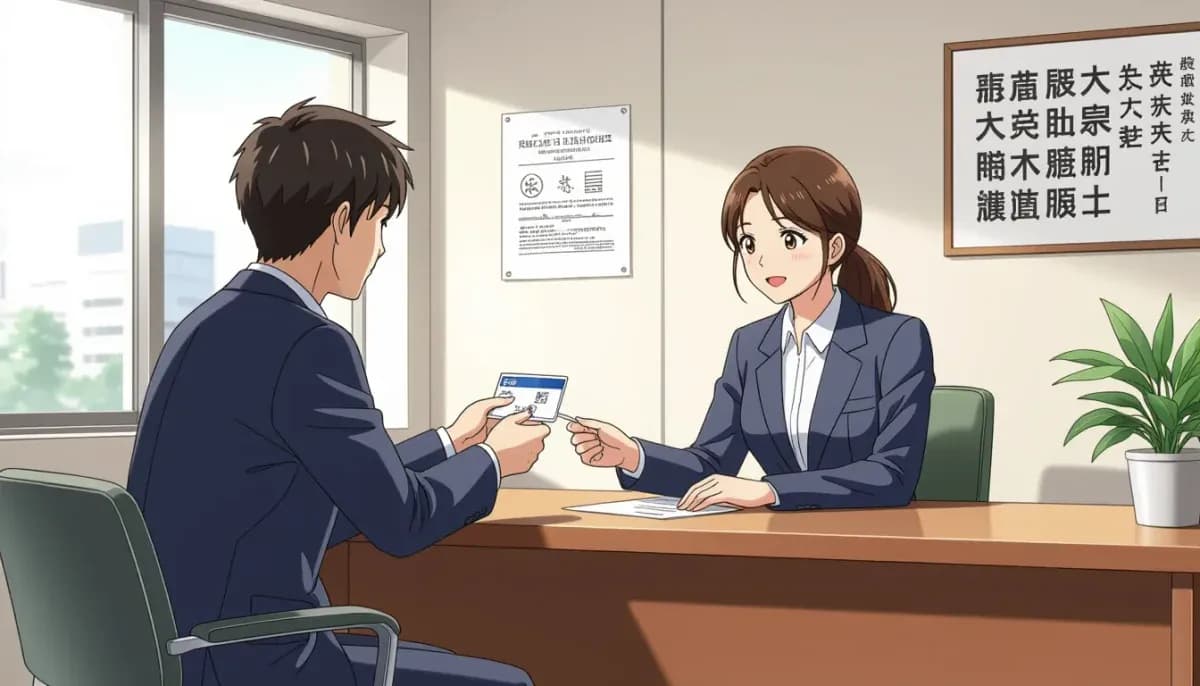
Everything foreigners need to know about health insurance when leaving Japan: how to cancel NHI or Shakai Hoken, get premium refunds, required documents, and avoid costly billing mistakes after departure.
What Happens to Your Health Insurance When Leaving Japan
Leaving Japan involves far more paperwork than most foreigners expect — and your health insurance is one of the most important pieces to handle correctly before you go. Whether you've been enrolled in Japan's National Health Insurance (国民健康保険, Kokumin Kenko Hoken) or your company's Employee Health Insurance (社会保険, Shakai Hoken), failing to properly cancel your coverage can result in continued billing long after you've boarded your flight home.
This guide walks you through everything you need to know: what happens to your insurance when you leave, how to cancel each type, what documents you need, and how to claim any premium refunds you may be owed. If you're in the middle of planning your departure, our Complete Guide to Healthcare in Japan for Foreigners provides broader context on how Japan's health system works.
Japan's Two Main Health Insurance Systems
Before understanding how to exit the system, it helps to know which type of insurance you're enrolled in.
1. National Health Insurance (NHI / 国民健康保険) Managed by local municipal governments, NHI covers self-employed individuals, students, part-time workers, unemployed residents, and anyone not covered through an employer. If you've been living in Japan for more than three months, you're legally required to be enrolled in one of Japan's public insurance systems.
2. Employee Health Insurance (社会保険 / Shakai Hoken) If you worked for a company that employed five or more full-time employees, you were likely enrolled in Kenko Hoken (健康保険) under your company. Your employer covered half your premium, and the other half was deducted from your salary each month.
Both systems cover approximately 70% of eligible medical expenses, leaving the insured person responsible for 30%. Some municipalities and employers offer additional subsidies for low-income residents or children.
Important 2024 Update: As of December 2, 2024, Japan stopped issuing traditional health insurance cards. All residents must now use the My Number Card (マイナンバーカード) as their health insurance identification. If you're leaving Japan and haven't yet linked your My Number Card to your insurance, this process still needs to be completed — or at minimum, you need to surrender your current insurance documentation when departing.
What Happens If You Don't Cancel Before Leaving
This is the most common and costly mistake foreigners make: leaving Japan without formally canceling their health insurance.
If you don't submit the proper cancellation paperwork, your local municipal government will continue to treat you as a Japanese resident. That means:
- Continued premium billing: You'll keep receiving invoices for insurance premiums even from overseas.
- Debt accumulation: Unpaid premiums become a formal debt to the municipality.
- Re-entry complications: Outstanding debts can complicate future visa applications or re-entry to Japan.
- Retroactive charges: In some cases, municipalities have charged returning foreigners for the full period they were technically still "enrolled."
A survey of 150 municipal governments in Japan found that foreign residents had paid an average of only 63% of their assessed health insurance premiums before departure — a significant issue that local governments are actively addressing. Don't become part of that statistic.
For a broader overview of the administrative paperwork required when leaving Japan, see our guide on Japanese Bureaucracy and Paperwork for Foreigners.
How to Cancel National Health Insurance (NHI)
Canceling NHI requires an in-person visit to your local ward office (区役所, kuyakusho) or city/town hall (市役所/町役場). You'll do this at the same time as submitting your Move-Out Notification (転出届, tenshu-todoke).
Timeline
You can submit your move-out notice as early as 14 days before your departure date, and you should do so no later than the day you leave. Most people aim to visit the municipal office about two weeks before their flight.
Required Documents for NHI Cancellation
| Document | Notes |
|---|---|
| Health Insurance Card (保険証) | Return this to the office; as of Dec 2024, may be the My Number Card |
| Passport | Required for identity verification |
| Residency Card (在留カード) | You'll surrender this at the airport on departure day |
| Proof of Departure | Copy of airline ticket or e-ticket printout |
| My Number Card (if applicable) | Required if linked to insurance |
| Seal (印鑑) | Sometimes requested, though not always mandatory |
The Cancellation Process Step by Step
- Visit the municipal office — Go to the Residents' Affairs section (住民課 or 市民課).
- Submit your move-out notice (転出届) — This deregisters you from the residents' registry.
- Request NHI withdrawal — Ask specifically to cancel your National Health Insurance enrollment.
- Settle outstanding premiums — Any unpaid premiums must be paid on the spot.
- Receive premium refund calculation — If you've overpaid, you'll be told how the refund will be processed. Refunds typically arrive within 3–4 business days to your Japanese bank account.
For more details on managing finances and banking during your departure, check our Complete Guide to Banking and Finance in Japan.
The comprehensive departure procedures guide on Living in Nihon provides a detailed timeline of all the administrative steps to complete before leaving Japan.
How to Cancel Employee Health Insurance (Shakai Hoken)
If you were enrolled in Employee Health Insurance through your employer, the cancellation process is handled differently — mostly by your employer on your behalf.
What Your Employer Handles
When you resign or your employment contract ends, your company will:
- File a loss of eligibility notification with the relevant health insurance association (健康保険組合 or 協会けんぽ).
- Issue a Certificate of Loss of Eligibility (健康保険資格喪失証明書) — Keep this document. You may need it for tax purposes or if you enroll in insurance in your home country.
- Collect your health insurance card — Return it to your employer or HR department on your last working day.
Important Notes for Employee Insurance Holders
- Your coverage ends on the day after your employment ends, not on the day you submit your notice.
- If there's a gap between your employment end date and your departure from Japan, you may technically need to enroll in NHI for that brief period. In practice, if the gap is very short and you have no medical expenses, many people skip this — but technically speaking, you're required to be covered.
- The Certificate of Loss of Eligibility is important for your home country taxes and may be required when applying for health insurance in your next country of residence.
For context on how employment and taxes interact when leaving Japan, see our guide on Taxes in Japan for Foreigners.
For Work in Japan has additional resources on managing your professional and administrative affairs after departing Japan.
Premium Refunds and Final Payments
One of the questions foreigners most frequently ask is: "Will I get any money back when I cancel?"
NHI Premium Refunds
NHI premiums in Japan are calculated on an annual fiscal year basis (April to March). If you've paid premiums in advance for months you won't be in Japan, you're entitled to a refund for the unused portion.
- If you overpaid: The municipality will calculate the exact refund and transfer it to your registered Japanese bank account within approximately 3–4 business days. Make sure your bank account is still active at the time of cancellation, or arrange for the refund to be sent to an overseas account (this varies by municipality).
- If you underpaid: You'll receive a final invoice for the outstanding amount. This must be paid before you leave to avoid debt issues.
- Premiums already paid by bank transfer: If you paid annually or in advance, the overpaid portion is refunded automatically after your cancellation is processed.
Shakai Hoken Premiums
For employee health insurance, premiums are collected monthly through payroll. Since they're deducted in arrears (the previous month's premium is deducted in the current month's paycheck), there's typically no overpayment situation. However, check your final payslip carefully to ensure the correct amount was deducted.
Don't Forget the Japan Pension Lump-Sum Refund
While not strictly health insurance, most foreigners leaving Japan permanently are eligible for a lump-sum pension withdrawal (脱退一時金, dattai ichijikin) — and it's worth significant money.
If you've paid into Japan's pension system (厚生年金 or 国民年金) for at least 6 months, you can apply for a refund of a portion of your contributions after leaving Japan. The application must be submitted within 2 years of your departure date.
Key details:
- Apply to the Japan Pension Service (日本年金機構) from overseas after departure
- The refund amount is calculated based on your contribution period (capped at 5 years / 60 months)
- A 20.42% withholding tax is applied, but you can reclaim most of it through your tax representative in Japan
- You must have already deregistered from Japan's resident registry (completed the tenshu-todoke)
For more information about pension and financial planning in Japan, our Complete Guide to Taxes in Japan for Foreigners covers this in detail.
The Ittenshoku career guide also covers important resignation and departure procedures for those leaving employment in Japan.
Complete Pre-Departure Health Insurance Checklist
Use this checklist to make sure you've covered all your bases before leaving Japan:
| Task | Deadline | Location |
|---|---|---|
| Confirm your insurance type (NHI or Shakai Hoken) | ASAP | Check pay stub or insurance card |
| Notify employer of resignation | As per contract | Workplace |
| Receive Certificate of Loss of Eligibility | On last working day | From employer (Shakai Hoken) |
| Visit municipal office for move-out notice + NHI cancellation | 14 days before departure | Ward/City Hall |
| Bring proof of departure (flight ticket) | Same day as municipal visit | Prepared in advance |
| Settle any outstanding NHI premiums | At municipal office | Pay on the spot |
| Confirm refund bank account details | Before closing account | Municipal office |
| Return My Number Card / insurance card | At municipal office | Ward/City Hall |
| Return residency card | Day of departure | Airport immigration |
| Apply for pension lump-sum refund | Within 2 years | Japan Pension Service (online/mail) |
Key Takeaways
Dealing with health insurance when leaving Japan doesn't have to be stressful — but it does require proactive planning. The key points to remember:
- Visit your municipal office 2 weeks before departure to submit your move-out notice and cancel NHI simultaneously.
- Employee insurance is handled by your employer — make sure you receive your Certificate of Loss of Eligibility.
- Don't skip the cancellation — continued billing after departure is a real and common problem for foreigners.
- Check for premium refunds — you may be owed money if you've overpaid.
- Apply for the pension lump-sum refund within 2 years of departure — it's free money many foreigners leave behind.
Japan's healthcare system is genuinely excellent, and the process for exiting it is straightforward once you know the steps. Give yourself enough time, gather the right documents, and you'll be able to close out your insurance obligations cleanly before you move on to your next chapter.
For a comprehensive overview of everything you need to handle before your departure, visit Japan Living Guide's health insurance section and review our Complete Guide to Healthcare in Japan for Foreigners for full system details. Pacific Prime's guide to Japanese health insurance for foreigners also provides useful information on private insurance alternatives if you're temporarily between coverage.

Originally from Vietnam, living in Japan for 16+ years. Graduated from Nagoya University, with 11 years of professional experience at Japanese and international companies. Sharing information about living in Japan for foreigners.
View Profile →Related Articles

How to Stay Connected to Japan After Leaving: The Complete Expat Guide
Moved away from Japan? Learn the best apps, communities, and strategies to stay connected to Japan after leaving — from LINE tips to rebuilding your expat network abroad.
Read more →
Japanese Farewell Customs and Saying Goodbye
Learn Japanese farewell customs and how to say goodbye correctly in different situations. From casual 'mata ne' to workplace 'otsukaresama', master the art of Japanese goodbyes as a foreigner.
Read more →
Japan Re-Entry Permit What You Need Before Leaving
Everything foreigners need to know about Japan re-entry permits before leaving the country. Covers special vs standard permits, airport procedures, permanent resident rules, fees, and consequences of forgetting.
Read more →
How to Sell Your Belongings Before Leaving Japan
Complete guide to selling your belongings before leaving Japan. Learn which platforms, recycle shops, and Sayonara Sale groups work best for expats clearing out their apartments.
Read more →
Transferring Money Out of Japan Before You Leave
Complete guide to transferring money out of Japan before leaving. Compare Wise, Western Union, Seven Bank, fees, customs rules, exit tax, and pension refund tips for foreigners.
Read more →
Canceling Services and Subscriptions Before Leaving Japan
Complete guide to canceling all services and subscriptions before leaving Japan: utilities, mobile phone, internet, NHK, streaming, gym memberships, and more. Includes cancellation timelines and checklist.
Read more →