
How to Sell Your Belongings Before Leaving Japan

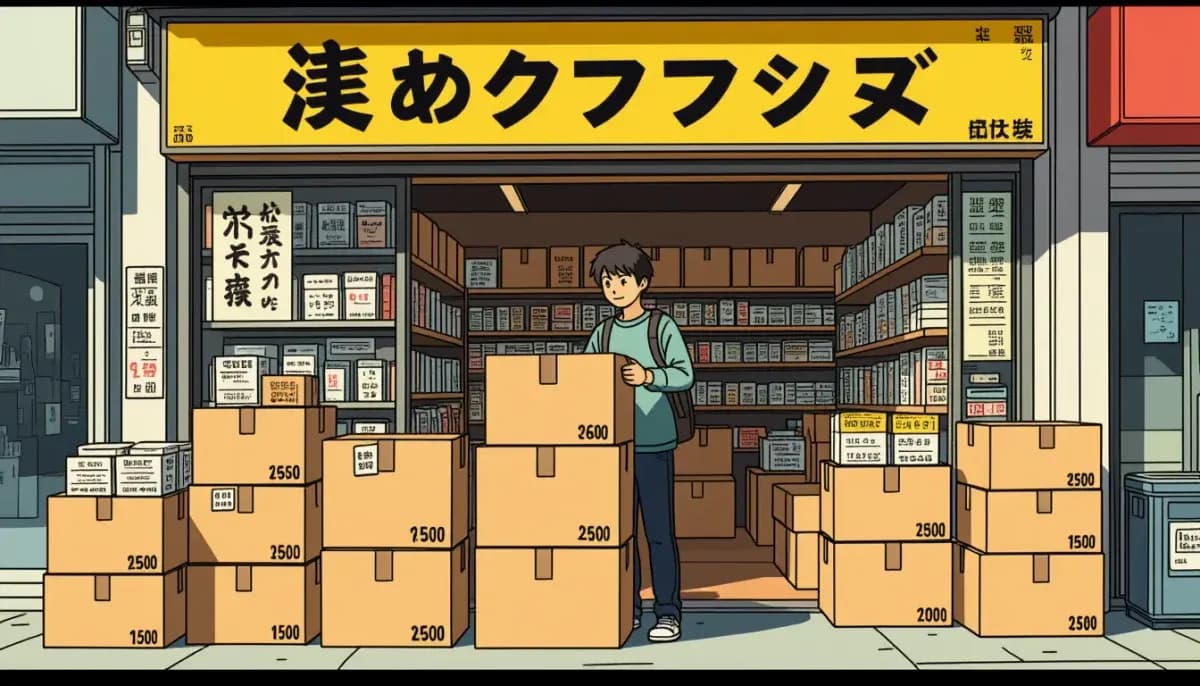
Complete guide to selling your belongings before leaving Japan. Learn which platforms, recycle shops, and Sayonara Sale groups work best for expats clearing out their apartments.
How to Sell Your Belongings Before Leaving Japan: The Complete Expat Guide
Leaving Japan is an exciting but stressful transition. One of the biggest challenges foreigners face is figuring out what to do with all their accumulated possessions. Whether you have a studio apartment full of IKEA furniture or years of collected goods, selling, donating, or disposing of your belongings properly is essential before you hand over your keys. This guide covers every method available to foreigners in Japan — from online platforms to recycle shops to community groups — so you can clear out your home without stress (and maybe even make some money in the process).
Why Selling Your Belongings in Japan Is Different
Japan has strict rules about disposing of household items. Unlike many countries where you can leave furniture on the sidewalk for free pickup, abandoning large items on the street is illegal in Japan and can result in fines. Large items — called sodai gomi (粗大ごみ) — require scheduled municipal pickup, which usually involves buying a special sticker and paying a fee before the item is collected.
This creates both a challenge and an opportunity for departing foreigners. Because disposal costs money and effort, many residents prefer to sell or give away items rather than throw them out. This means buyers actively look for departing expat sales, giving you a built-in market for nearly everything you own.
The key is to start early. Most experienced expats recommend beginning the selling process at least 2–3 months before your departure date. This gives you time to list items, negotiate with buyers, arrange pickups, and deal with whatever does not sell before your final move-out day.
Online Platforms: Mercari, Rakuma, and Jimoty
Online marketplaces are the most popular way to sell belongings in Japan, and they work well even if your Japanese is limited.
Mercari
Mercari is Japan's largest online flea market app, similar to eBay or Facebook Marketplace. You take photos of your items, set a price, and ship them when they sell. The app is available in English, making it foreigner-friendly.
- Seller fee: 10% of the sale price
- Shipping: Integration with Yamato Transport allows you to print labels at convenience stores
- Payment: Credit card, convenience store payment, or PayPay
Mercari works best for smaller items like clothing, electronics, books, kitchenware, and hobby goods. Furniture is harder to sell because of shipping logistics, but not impossible if you offer local pickup.
Rakuma
Operated by Rakuten, Rakuma is nearly identical to Mercari in function but charges a lower seller fee of around 3.5%. If you have time to list items on multiple platforms, putting your listings on both Mercari and Rakuma can help you sell faster and keep more of the proceeds.
Jimoty
Jimoty is a free local classifieds board — think Japanese Craigslist. You can search by area or train station and arrange local pickup, making it ideal for large items like furniture, appliances, bicycles, and gym equipment.
- Fee: Free to list and sell
- Payment: Cash on pickup (negotiate directly with buyer)
- Safety: Includes a peer review system for buyers and sellers
Jimoty is particularly popular for bulky items that cannot be easily shipped. Many departing foreigners use it to offload large furniture for free or at very low prices, which is completely normal — buyers know they are getting a deal, and sellers avoid paying disposal fees.
| Platform | Best For | Seller Fee | Language |
|---|---|---|---|
| Mercari | Clothing, electronics, small items | 10% | English available |
| Rakuma | Any items, lower fee | 3.5% | Japanese mainly |
| Jimoty | Large furniture, local pickup | Free | Japanese mainly |
| Facebook Groups | Expat community, quick sales | Free | English |
| Tokyo Noticeboard | English-speaking community | Free | English |
Sayonara Sales: The Expat Tradition
If you are part of Japan's expat community, you have probably heard of the Sayonara Sale. This is an informal tradition where departing foreigners sell off their possessions — often at significantly reduced prices — to other expats or locals.
Facebook Groups
Several popular Facebook groups host Sayonara Sales:
- Tokyo Sayonara Sales — the most active group for Tokyo expats
- Osaka/Kobe/Nagoya Sayonara Sales — regional equivalents in other cities
- Mottainai Japan — a group focused on giving items away for free (mottainai means "what a waste" in Japanese)
These groups are gold for buyers looking for deals, and for sellers who need to move items quickly. People genuinely expect to pay far less than retail — that is the whole point. But if you need everything gone within two weeks, it is far better to sell cheaply than to pay for disposal.
GaijinPot Classifieds and Tokyo Noticeboard
The GaijinPot classifieds section and the Tokyo Noticeboard are long-standing English-language bulletin boards for the Japan expat community. Both have sections for buying and selling household goods. They attract an English-speaking audience, which makes communication easier if your Japanese is limited.
For more tips on navigating expat community resources in Japan, see Making Friends and Social Life in Japan.
Recycle Shops: Quick Cash with Realistic Expectations
Japan has a well-developed network of recycle shops (リサイクルショップ) — second-hand stores that buy your used goods on the spot. This is the fastest way to clear out your apartment, though you should not expect high prices.
Major Recycle Shop Chains
Hard Off and Off House
Hard Off is one of Japan's most well-known recycle shop chains. Hard Off focuses on electronics, instruments, and hardware, while its sister store Off House handles clothing, furniture, kitchenware, and general household goods.
- Bring valid Japanese ID (Residence Card or My Number Card)
- Staff evaluate your items on the spot and make an offer
- Prices tend to be very low — think 100–500 yen per item for most things
- Some locations offer home pickup for large furniture (may charge a fee)
Second Street
Second Street is a popular chain accepting clothing, furniture, and appliances. They have hundreds of locations across Japan and are generally foreigner-friendly if you bring proper ID.
Treasure Factory
Similar to Second Street, Treasure Factory accepts a wide variety of goods including furniture and appliances. They also offer home pickup service for large items, which saves you the hassle of transporting heavy furniture.
BOOKOFF
BOOKOFF specializes in books, manga, DVDs, CDs, games, and clothing. It is one of the easiest recycle shops for foreigners because the process is straightforward — bring your items, receive an evaluation, and get paid in cash. For 50 or more items, they offer a free home pickup service.
For more on understanding Japanese shopping culture and consumer norms, see Shopping in Japan Guide for Foreigners.
Flea Markets and Community Events
Physical flea markets are another excellent option, especially if you enjoy a more social selling experience. Markets are held regularly at parks, temple grounds, and public spaces throughout Japan.
Mottainai Flea Market
The Mottainai Flea Market is held at multiple locations in the Tokyo Metropolitan Area and emphasizes reducing waste. It is popular with both foreigners and Japanese locals, and you can rent a table to sell your goods directly.
Event-Based Markets
Apps like Mercari Shops and local community boards often advertise weekend flea markets. Check your city's official website or local Facebook groups for schedules. Osaka's Temma Tenjin flea market and Tokyo's Yoyogi Park markets are well-known examples.
Donating Your Belongings
Not everything needs to be sold. For items that do not sell or are not worth the time to list, donation is a responsible alternative.
- Salvation Army Japan — accepts furniture, clothing, and household goods
- Second Harvest Japan — focuses on food but also accepts some household items
- Local NPOs and shelters — many accept furniture and clothing; check local community boards
Some donation organizations will even arrange home pickup for large items. This can be a lifesaver in the final days before your departure when you need everything gone quickly.
Disposing of Items That Cannot Be Sold
Some items — particularly old electronics, broken furniture, and mattresses — may not sell regardless of how low you price them. In that case, you have two main legal options.
Sodai Gomi (Large Waste Pickup)
Most Japanese municipalities offer large waste pickup services. The process typically involves contacting your local ward or city office to schedule pickup, purchasing the appropriate sticker from a convenience store, attaching the sticker to the item, and leaving it outside on the scheduled day.
Fees vary by city and item type. A mattress costs approximately 1,000 yen in Fukuoka and 1,300 yen in Setagaya, Tokyo. A washing machine or refrigerator may cost more. Check your municipality's official website for the current fee schedule.
Junk Removal Companies
For those short on time, private junk removal companies will come to your home and take everything in one trip. Services like Nishida Service offer English-language support. Prices vary widely — expect to pay 10,000–30,000 yen or more depending on the volume of items. This is not cheap, but if you are leaving in a hurry and need to vacate immediately, it may be worth the cost.
For a full overview of what to do before leaving Japan — including administrative tasks, canceling services, and pension claims — see The Complete Guide to Moving to Japan as a Foreigner.
Useful External Resources
For additional guidance on departure preparation from Japan, including administrative procedures and financial steps, Living in Nihon's Leaving Japan Guide provides a thorough overview of everything foreigners need to complete before departure.
For information on housing contracts and living arrangements in Japan, For Work in Japan's Housing and Living Guide covers lease termination and related topics.
For IT professionals planning a career change before or after leaving Japan, Ittenshoku offers guidance on IT job transitions in Japan.
For a comprehensive look at Japan's best online resale platforms, Tokyo Cheapo's Japan Resale Sites guide is an excellent resource with updated information.
For guidance on getting rid of furniture specifically, the MailMate Furniture Disposal Guide covers sodai gomi, recycle shops, and free alternatives in detail.
Your Selling Timeline: A Month-by-Month Plan
Here is a suggested timeline to help you clear out your belongings without last-minute panic.
3 Months Before Departure
Start by taking inventory of everything you own. Decide what you will ship home, sell, donate, or dispose of. List high-value items on Mercari and Rakuma immediately — these platforms take time to gain traction. Post in Sayonara Sale Facebook groups to generate early interest.
2 Months Before Departure
Lower prices on any items that have not sold. List furniture and large appliances on Jimoty for local pickup. Contact recycle shops about home pickup services for bulky items. Schedule sodai gomi pickup for items you cannot sell.
1 Month Before Departure
Run a final Sayonara Sale at your apartment or online. Donate remaining items to local charities. Confirm all pickup and disposal appointments. Begin packing items you plan to ship home.
Final Week
Hand off last items to buyers. Clean your apartment thoroughly. Return any rental furniture if applicable. Handle any final administrative tasks related to your departure.
For more on managing daily life logistics in Japan, see Daily Life in Japan Guide for Foreigners.
Final Tips for a Smooth Sale
- Price items fairly from the start. Expat buyers know they are getting a deal. Overpricing leads to no sales and last-minute panic.
- Take clear photos. Japanese buyers expect high-quality product photos, especially on Mercari. Good photos lead to faster sales.
- Be honest about condition. Describe any defects clearly. This builds trust and prevents disputes.
- Offer bundle deals. Selling kitchen items as a set or offering a discount for buyers who take multiple pieces is a great way to move inventory quickly.
- Start with the largest items. Furniture takes the longest to sell. List beds, sofas, washing machines, and refrigerators first.
- Keep receipts for electronics. Recycle shops and buyers on Mercari will ask about the condition and original purchase date of electronics.
Selling your belongings before leaving Japan takes planning and patience, but it is absolutely doable. With the right platforms and a realistic timeline, you can clear out your apartment, recover some of your investment, and leave Japan on a positive note.

Originally from Vietnam, living in Japan for 16+ years. Graduated from Nagoya University, with 11 years of professional experience at Japanese and international companies. Sharing information about living in Japan for foreigners.
View Profile →Related Articles

How to Stay Connected to Japan After Leaving: The Complete Expat Guide
Moved away from Japan? Learn the best apps, communities, and strategies to stay connected to Japan after leaving — from LINE tips to rebuilding your expat network abroad.
Read more →
Japanese Farewell Customs and Saying Goodbye
Learn Japanese farewell customs and how to say goodbye correctly in different situations. From casual 'mata ne' to workplace 'otsukaresama', master the art of Japanese goodbyes as a foreigner.
Read more →
What Happens to Your Health Insurance When Leaving Japan
Everything foreigners need to know about health insurance when leaving Japan: how to cancel NHI or Shakai Hoken, get premium refunds, required documents, and avoid costly billing mistakes after departure.
Read more →
Japan Re-Entry Permit What You Need Before Leaving
Everything foreigners need to know about Japan re-entry permits before leaving the country. Covers special vs standard permits, airport procedures, permanent resident rules, fees, and consequences of forgetting.
Read more →
Transferring Money Out of Japan Before You Leave
Complete guide to transferring money out of Japan before leaving. Compare Wise, Western Union, Seven Bank, fees, customs rules, exit tax, and pension refund tips for foreigners.
Read more →
Canceling Services and Subscriptions Before Leaving Japan
Complete guide to canceling all services and subscriptions before leaving Japan: utilities, mobile phone, internet, NHK, streaming, gym memberships, and more. Includes cancellation timelines and checklist.
Read more →