
Tax Obligations You Must Handle Before Leaving Japan

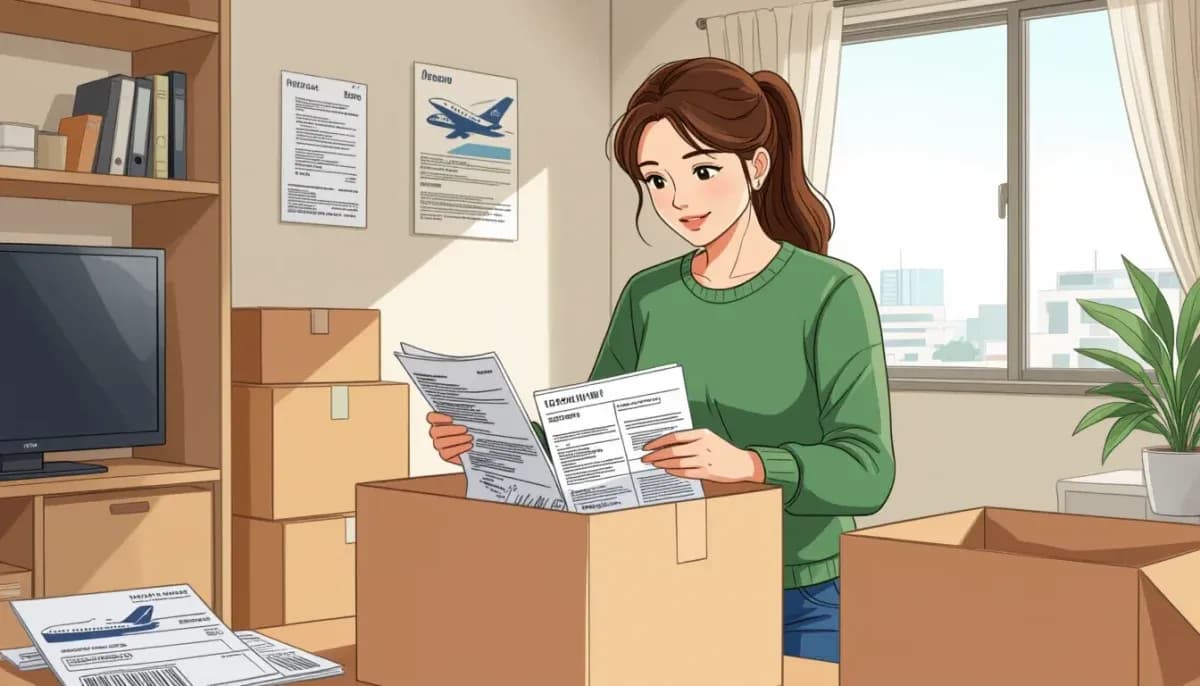
A complete guide to tax obligations foreigners must handle before leaving Japan—covering departure tax return, resident tax, pension withdrawal, exit tax, and more.
Tax Obligations You Must Handle Before Leaving Japan
Leaving Japan is an exciting milestone—whether you're heading home, moving to a new country, or starting the next chapter of your life. But before you pack your bags and head to the airport, there are some critical tax and financial obligations you need to take care of. Failing to handle these properly can result in unexpected bills chasing you overseas, loss of pension refunds, or complications if you ever return to Japan.
This guide covers everything foreigners need to know about tax obligations when leaving Japan, from filing your final tax return to claiming your pension refund and understanding Japan's exit tax rules.
1. File Your Departure Tax Return (確定申告)
If you earn income in Japan, you must file a tax return for the portion of the year you were a resident—even if you're leaving before the standard tax filing season (February 16 to March 15).
Two scenarios depending on your situation:
- Without a tax representative: You must file your final tax return by the day of your departure. Visit your local tax office (税務署, zeimusho) to do this in person.
- With an appointed tax representative: You can file by March 15 of the year following your departure, just like a regular resident.
Appointing a tax representative (zeimu dairi-nin, 税務代理人) is strongly recommended if you have any outstanding tax obligations. This person—usually a family member, friend, or professional tax accountant (zeirishi)—will handle your tax matters in Japan after you leave.
For a broader overview of how Japan's tax system works, check out our guide on taxes in Japan for foreigners.
2. Understand Your Resident Tax Liability (住民税)
Resident tax (jūminzei, 住民税) is one of the most commonly misunderstood obligations when leaving Japan. Here's the key rule:
If you were living in Japan on January 1 of a given year, you owe resident tax for the entire previous fiscal year.
For example, if you leave Japan in February 2026, you will still receive resident tax bills in June 2026 for your 2025 income. The rate is approximately 10% of your previous year's income (4% prefectural + 6% municipal).
Your options:
- Pay the full outstanding amount before you leave
- Appoint a tax representative to handle future bills on your behalf
- Contact your municipal office to arrange a payment plan
If you don't designate a representative and leave without paying, your municipality may pursue you for unpaid taxes—which can cause complications if you return to Japan in the future.
| Resident Tax Detail | Information |
|---|---|
| Tax Rate | ~10% of previous year's income |
| Prefectural Portion | 4% |
| Municipal Portion | 6% |
| Billing Period | Billed in June, payable June–March |
| Liability Date | Determined by residency status on January 1 |
| Payment Options | Lump sum, installments, or via tax representative |
3. Claim Your Pension Lump-Sum Withdrawal (脱退一時金)
If you've been contributing to Japan's public pension system (nenkin, 年金), you may be eligible for a lump-sum withdrawal payment after leaving the country.
Eligibility requirements:
- You are not a Japanese national
- You contributed to the Japanese pension system for at least 6 months
- You apply within 2 years of leaving Japan
- You no longer have an address in Japan
The withdrawal amount is based on how long you contributed, up to a maximum of 60 months (5 years). Note that contributions beyond 60 months are not refunded through this system—they only count if you have a social security agreement between Japan and your home country.
Tax on the withdrawal: A 20.42% withholding tax (including the Special Income Tax for Reconstruction) is automatically deducted from your lump-sum payment. However, you can apply for a partial refund of this withheld tax through a tax representative within 5 years of receiving the payment.
How to apply:
- Leave Japan and deregister your address
- Wait for your pension contributions to be processed
- Submit a claim form to the Japan Pension Service (Nihon Nenkin Kikō)
- Receive payment to your overseas bank account (processing takes 3–6 months)
For more details on the pension system in Japan, visit the official Japan Pension Service website.
For more comprehensive information on pensions and financial planning, Japan's Pension Refund Guide at MailMate is an excellent resource.
4. Japan's Exit Tax: Are You Affected? (国外転出時課税)
Japan's exit tax (kokugai tenshutsu ji kazei) was introduced in 2015 and applies to certain high-net-worth individuals leaving the country. Understanding whether it applies to you is essential.
Who is subject to Japan's exit tax?
You are subject to the exit tax if you meet both of the following conditions:
- You held financial assets worth JPY 100 million or more (~$700,000 USD) at the time of departure
- You maintained a principal residence (jusho) or temporary abode (kyosho) in Japan on a Table 2 visa (permanent resident, spouse of Japanese national, long-term resident, etc.) for 5 or more years in the 10 years immediately before departure
Important: Time spent in Japan on a Table 1 visa (work visas such as engineer/specialist, skilled labor, professor, etc., or student visas) is not counted toward the 5-year threshold. Most working foreigners on standard work visas are therefore not subject to the exit tax, regardless of how much they hold in financial assets.
What assets are taxed?
| Asset Type | Subject to Exit Tax? |
|---|---|
| Stocks & ETFs | ✅ Yes |
| Mutual funds | ✅ Yes |
| Bonds | ✅ Yes |
| Derivatives & options | ✅ Yes |
| Cash & bank deposits | ❌ No |
| Real estate | ❌ No |
| Cryptocurrency | ❌ No |
The exit tax rate is 15.315% on the deemed capital gains from your financial assets, calculated as if you sold everything on the day of your departure.
Payment options:
- Pay immediately before leaving
- Defer payment by providing security equal to the tax amount (interest may apply)
For comprehensive information about the exit tax, Japan Dev's Exit Tax Guide provides an excellent breakdown. The RSM Japan Shiodome guide also covers exit tax implications for foreign executives.
5. Administrative Steps: Deregister Your Residence
Beyond tax filings, there are important administrative steps tied to your tax obligations.
Submit your move-out certificate (転出届, tenshutsu-todoke)
You must submit a move-out notification at your local municipal office (ward office, city hall, or town hall) before leaving Japan. This officially ends your status as a resident and:
- Stops further residence tax assessments
- Makes you eligible for the pension lump-sum withdrawal
- Prevents ongoing national health insurance premium notices
Timing: You can submit this up to 14 days before your departure date or shortly after. Once submitted, you'll receive a move-out certificate that you'll need for pension withdrawal applications.
Close or manage your bank accounts
Decide whether to close your Japanese bank accounts or keep them open. If you're expecting a pension refund or tax refund through a representative, you may want to maintain an account temporarily. Note that some Japanese banks restrict non-resident account management, so check your bank's policy before leaving.
For a complete checklist of what to do before leaving Japan, Living in Nihon's Leaving Japan Guide is a helpful resource.
6. Working with a Tax Representative and Professional Help
Given the complexity of Japanese tax procedures, many foreigners choose to work with a professional tax accountant (zeirishi) when leaving Japan.
A tax representative can:
- File your departure tax return on your behalf
- Handle ongoing resident tax payments after you leave
- Apply for pension tax refunds on your behalf
- Manage your Japanese bank account for refund receipt
- Respond to any inquiries from Japanese tax authorities
Finding a zeirishi who handles international cases is important. Many are listed through the Japan Federation of Certified Public Tax Accountants' Associations.
For detailed guidance on tax and financial procedures for foreigners, For Work in Japan's Tax and Social Insurance Guide covers the essential processes you need to understand.
If you're not yet sure about your visa status and how it affects your tax obligations, our guide on Japan visas and immigration covers the different visa categories in detail.
Also see our overview of Japanese bureaucracy and paperwork for more on navigating official procedures in Japan.
For IT professionals leaving Japan and considering career transitions, Ittenshoku.com offers resources on IT career planning and financial considerations.
7. Complete Pre-Departure Tax Checklist
Use this checklist to make sure you've handled all your tax obligations before leaving Japan:
| Task | Who Needs to Do This | Deadline |
|---|---|---|
| File departure tax return | Anyone with Japanese income | Day of departure (or March 15 with tax rep) |
| Appoint a tax representative | Anyone with ongoing tax obligations | Before departure |
| Pay outstanding resident tax | Anyone who was resident on Jan 1 | Before departure or via representative |
| Submit move-out certificate (転出届) | All departing residents | Up to 14 days before departure |
| Apply for pension lump-sum withdrawal | Those with 6+ months of contributions | Within 2 years of departure |
| Apply for pension tax refund | Those who received lump-sum | Within 5 years of receiving payment |
| Close or manage bank accounts | All departing residents | Before or after departure |
| Assess exit tax liability | Those on Table 2 visas with 100M+ JPY in assets | Before departure |
| Return My Number notification card | All departing residents | At municipal office before departure |
Frequently Asked Questions
Do I need to pay resident tax even if I leave Japan in January? If you were living in Japan on January 1, yes—you owe resident tax for the previous year's income, billed starting in June.
Can I claim my pension refund after returning to my home country? Yes. You apply to the Japan Pension Service from overseas and receive payment to a foreign bank account.
What happens if I don't pay my Japanese taxes before leaving? Outstanding taxes can cause problems if you return to Japan and may affect your ability to renew visas or obtain permanent residency in the future.
Is cryptocurrency subject to Japan's exit tax? No. Cryptocurrency is not included in the financial assets subject to the exit tax.
Leaving Japan involves more paperwork than many people expect, but handling your tax obligations properly protects you from headaches down the road. If in doubt, consult a qualified tax professional experienced in international taxation. For more on managing your finances in Japan, see our guide on banking and finance in Japan for foreigners.

Originally from Vietnam, living in Japan for 16+ years. Graduated from Nagoya University, with 11 years of professional experience at Japanese and international companies. Sharing information about living in Japan for foreigners.
View Profile →Related Articles

How to Stay Connected to Japan After Leaving: The Complete Expat Guide
Moved away from Japan? Learn the best apps, communities, and strategies to stay connected to Japan after leaving — from LINE tips to rebuilding your expat network abroad.
Read more →
Japanese Farewell Customs and Saying Goodbye
Learn Japanese farewell customs and how to say goodbye correctly in different situations. From casual 'mata ne' to workplace 'otsukaresama', master the art of Japanese goodbyes as a foreigner.
Read more →
What Happens to Your Health Insurance When Leaving Japan
Everything foreigners need to know about health insurance when leaving Japan: how to cancel NHI or Shakai Hoken, get premium refunds, required documents, and avoid costly billing mistakes after departure.
Read more →
Japan Re-Entry Permit What You Need Before Leaving
Everything foreigners need to know about Japan re-entry permits before leaving the country. Covers special vs standard permits, airport procedures, permanent resident rules, fees, and consequences of forgetting.
Read more →
How to Sell Your Belongings Before Leaving Japan
Complete guide to selling your belongings before leaving Japan. Learn which platforms, recycle shops, and Sayonara Sale groups work best for expats clearing out their apartments.
Read more →
Transferring Money Out of Japan Before You Leave
Complete guide to transferring money out of Japan before leaving. Compare Wise, Western Union, Seven Bank, fees, customs rules, exit tax, and pension refund tips for foreigners.
Read more →