
Reverse Culture Shock After Living in Japan

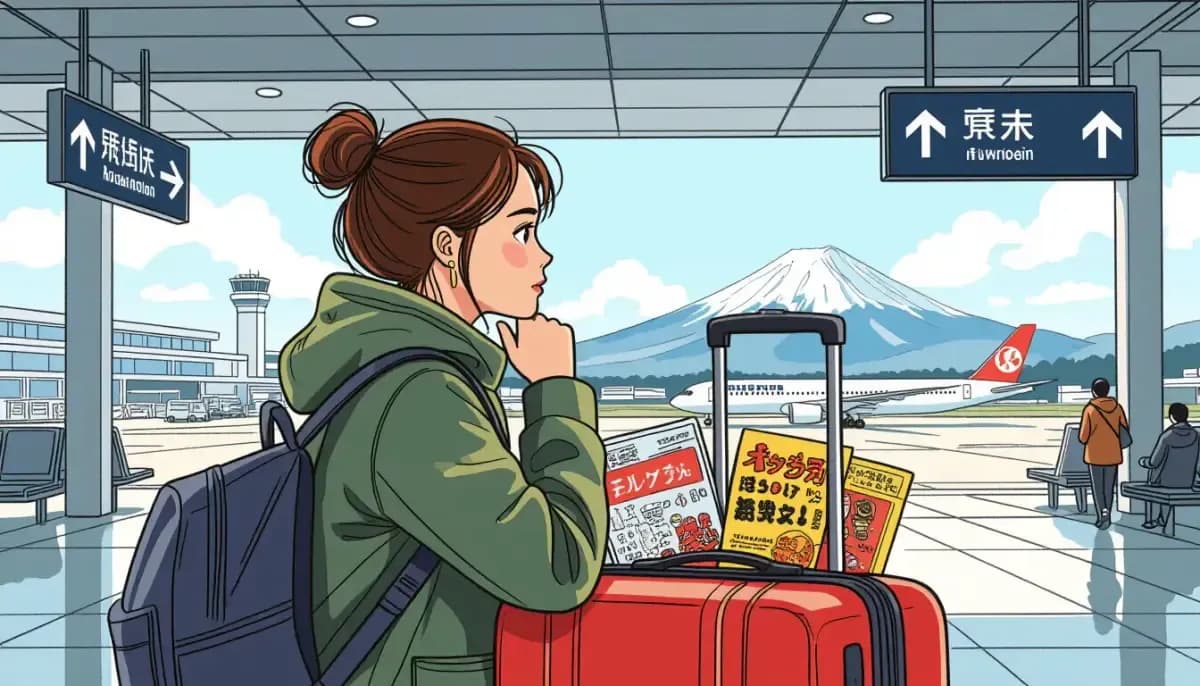
Experiencing reverse culture shock after leaving Japan? Learn what causes it, the 5 stages, common symptoms, and proven coping strategies for returning expats.
Reverse Culture Shock After Living in Japan: A Complete Guide for Returning Expats
Coming home after living in Japan is supposed to feel like a relief. You speak the language, you know the customs, and everything should feel natural again. Yet thousands of expats and returnees find themselves disoriented, frustrated, and longing for life in Japan — often more intensely than they ever struggled with adjusting to Japan in the first place. This phenomenon is called reverse culture shock, and it affects the vast majority of people who return home after extended time abroad.
This guide covers everything you need to know about reverse culture shock after living in Japan: what it is, why it happens, what to expect, and — most importantly — how to navigate the transition back to life in your home country.
What Is Reverse Culture Shock?
Reverse culture shock is the psychological and emotional disorientation that occurs when you return to your home culture after an extended period abroad. Unlike regular culture shock — which you likely worked through during your first months in Japan — reverse culture shock catches most people completely off guard.
The reason it hits so hard is simple: you never expected to feel like a stranger at home. But after months or years of adapting to Japanese norms — the punctuality, the cleanliness, the social rituals, the cuisine, the rhythm of daily life — your home country can feel jarring, chaotic, or even disappointing by comparison.
According to a survey by CLAIR (the Council of Local Authorities for International Relations), approximately 66% of JET Programme participants experienced reverse culture shock to some degree after returning home. Researchers have also found that reverse culture shock often lasts longer and proves more difficult to overcome than the initial shock of moving to Japan.
Cultural anthropologist Dr. Bruce La Brack of the University of the Pacific identified the top 10 re-entry challenges for returning expats:
- Fear of losing the experience
- Inability to apply new knowledge or skills
- Feeling of alienation
- Others misunderstand your changes
- People see the "wrong" changes
- Relationships have shifted
- Reverse homesickness (missing Japan)
- Difficulty explaining the experience
- "No one wants to hear about it"
- Boredom with home life
If any of these sound familiar, you are far from alone.
The Stages of Reverse Culture Shock
Reverse culture shock typically unfolds in recognizable stages. Understanding these stages can help you identify where you are and plan accordingly.
Stage 1: Anticipation (Still in Japan)
The adjustment process begins before you even board the plane home. During your final weeks or months in Japan, you may feel a mix of excitement about returning and anxiety about leaving. You might start mentally preparing for re-entry — imagining reunions with family, familiar foods, and the comforts of home.
Stage 2: The Honeymoon Phase
Your first days or weeks back home often feel exhilarating. Everything familiar feels warm and comforting. You enjoy long conversations in your native language, reconnect with friends and family, and relish the things you missed most. This phase can last anywhere from a few days to a few weeks.
Stage 3: The Crash
This is where reverse culture shock truly sets in. The novelty fades, old routines feel hollow, and you begin to notice everything that feels worse than Japan — the noise, the inefficiency, the social dynamics, the food. Friends and family may seem indifferent to your experiences. You might feel lonely despite being surrounded by familiar people.
Stage 4: Readjustment
Gradually, you begin to find your footing again. You stop comparing everything to Japan and start integrating both experiences into a broader sense of self. This stage can take months or even years, and it does not happen in a straight line.
Stage 5: Integration
In the final stage, you develop what some researchers call a "bicultural identity." You carry your Japan experience with you as a genuine part of who you are, without needing to constantly compare or contrast. Both lives feel real and meaningful.
Most Common Reverse Culture Shock Experiences
Every returnee's experience is unique, but certain themes come up again and again among people who have left Japan. Here are the most frequently reported challenges:
Missing Japanese Efficiency and Cleanliness
Japan's trains run on time — to the minute. Public spaces are immaculate. Customer service is attentive and professional. Returning to a country with less punctual transit, messier streets, or inconsistent service standards can feel deeply frustrating. Many returnees describe airports, grocery stores, and restaurants back home as feeling chaotic or even dirty by comparison.
Social Interaction Differences
Japan has very clear social scripts. Conversations with strangers are minimal; politeness is formal and structured. Many returnees are surprised to find themselves overwhelmed by the casual friendliness of their home culture — cashiers making small talk, strangers striking up conversations on public transport, people speaking loudly in shared spaces.
Conversely, some people miss the ease and unspoken understanding of Japanese social norms, where public etiquette is second nature and everyone follows the same implicit rules.
Food Culture and Cravings
Japanese food culture is arguably the hardest thing to leave behind. After years of convenience store onigiri, perfectly seasoned ramen, seasonal menus, and pristine presentation standards, home country food can feel heavy, inconsistent, or just... less exciting. Many returnees spend months hunting for adequate Japanese restaurants or cooking Japanese food at home.
The "No One Wants to Hear About Japan" Problem
This is one of the most universally reported frustrations. You have lived through something genuinely transformative, and you naturally want to share it — but people's interest tends to fade quickly. Friends listen politely once or twice, then pivot to their own lives. This can leave returnees feeling invisible and misunderstood, leading to social withdrawal.
Language and Cognitive Shifts
People who lived in Japan long enough to become conversational or fluent in Japanese often find themselves accidentally code-switching, thinking in Japanese, or struggling to find the right words in their native language. Some report saying certain words or phrases with a Japanese accent for months after returning. This is a normal — if disorienting — sign of genuine language integration.
Reverse Culture Shock by the Numbers
| Experience | Percentage of Returnees Affected |
|---|---|
| Feeling like a "stranger" at home | ~70% |
| Missing Japanese food and daily life | ~80% |
| Struggling to explain Japan experience | ~75% |
| Relationship difficulties after return | ~50% |
| Reverse homesickness (missing Japan) | ~65% |
| JET participants reporting reverse culture shock | ~66% |
| Experienced harder than initial culture shock | ~40% |
Sources: CLAIR JET Survey, academic research on repatriation psychology
How to Cope With Reverse Culture Shock
The good news: reverse culture shock is temporary, and there are concrete strategies that genuinely help.
Before You Leave Japan
Preparation makes a significant difference. While still in Japan:
- Make a list of things you want to do and people you want to reconnect with when you return
- Start journaling about your Japan experience so you can process and preserve it
- Set realistic expectations — returning home will require adjustment, not just celebration
- Connect with returnee communities online before you leave
After You Return
Give yourself time. Most returnees underestimate how long readjustment takes. Experts suggest allowing at least three to six months before expecting to feel fully settled.
Stay connected to Japan. Join local Japan-related groups, attend cultural events, find a language exchange partner, or continue studying Japanese. Keeping Japan as an active part of your life — rather than treating it as a closed chapter — dramatically eases the transition.
Find your community. Seek out other people who have lived abroad, especially those who lived in Japan. Simply having someone who understands your experience is enormously comforting.
Talk about it — strategically. Rather than sharing everything with one friend who may not fully understand, find the right contexts. Japan-interest groups, online communities, or expat forums are ideal spaces.
Embrace what was good about home. Reverse culture shock often involves a highly selective memory that idealizes Japan. Actively look for things about your home country that you genuinely appreciate — things Japan does not offer.
Take care of your mental health. For some returnees, reverse culture shock crosses into depression or anxiety. There is no shame in seeking professional support. For guidance on mental well-being as an expat navigating cultural transitions, see the Mental Health & Wellbeing Guide for Foreigners in Japan from Living in Nihon.
Maintaining Connections After Leaving Japan
One of the most effective ways to ease reverse culture shock is to actively maintain the professional and personal networks you built in Japan. Your time there is not erased when you board the plane home — those relationships are an asset.
For practical strategies on maintaining your network after leaving Japan, including LinkedIn tips, SNS usage, and building a bridge between your Japan career and your home career, For Work in Japan has excellent resources specifically for returnees navigating this transition.
If you are considering returning to Japan in a professional capacity — through transfers, remote work, or IT sector roles — Ittenshoku is a useful resource for understanding the current job market landscape.
When Reverse Culture Shock Becomes More Serious
For most people, reverse culture shock is uncomfortable but manageable. However, for some returnees — particularly those who lived in Japan for five or more years, those who left involuntarily, or those without a strong social network at home — the adjustment can become genuinely difficult.
Signs that you may need additional support include:
- Persistent feelings of hopelessness or worthlessness
- Inability to function in daily life for extended periods
- Complete social withdrawal
- Substance use as a coping mechanism
- Intrusive thoughts or inability to sleep
If you experience these symptoms, please reach out to a mental health professional. Savvy Tokyo has a helpful overview of reverse culture shock experiences with firsthand accounts that may help you feel less alone.
The JETAA DC Returnee Handbook is also an excellent free resource with practical re-entry advice for JET alumni and other Japan returnees.
Preparing for a Healthy Return
Before your final departure from Japan, it helps to get the practical side of your return organized. Make sure you have:
- Formally deregistered from your local ward office
- Returned your residence card
- Closed or transferred your Japanese bank accounts
- Filed any final tax obligations
- Organized pension withdrawal paperwork if applicable
Being prepared on the logistics front gives you mental space to focus on the emotional adjustment. For a detailed checklist, see our guide to moving to Japan — the reverse process applies when leaving.
Understanding Japanese culture and etiquette also helps you appreciate why re-entry is hard: the depth of integration you achieved is directly proportional to the difficulty of leaving.
Reverse Culture Shock vs. Repatriation Grief
There is an important distinction worth drawing: reverse culture shock is a normal psychological process. Repatriation grief — a deeper, more sustained sense of loss around leaving Japan permanently — is something different.
Many long-term Japan residents describe the experience of leaving not just as returning home, but as losing a second home. The friends, the neighborhood izakaya, the seasonal rhythms, the language — these become part of your identity. Leaving them behind is a genuine loss, and it deserves to be treated as one.
If you find yourself cycling through emotions that feel more like grief than adjustment, give yourself permission to mourn. That is not weakness — it reflects the depth of the life you built in Japan.
Final Thoughts: You Are Bicultural Now
Living in Japan changes you in ways that are difficult to fully articulate — and that is precisely why reverse culture shock is so disorienting. You are not the same person who first arrived in Japan with a suitcase and a pocket phrasebook.
You carry Japan with you now: in your patience, your attention to detail, your appreciation for craftsmanship and quiet, your ability to navigate ambiguity, your palate. These are not things that disappear when you step off the plane.
Reverse culture shock is not a sign that something went wrong. It is evidence that something went profoundly right — that you were fully present for your time in Japan, that you allowed it to reshape you.
The adjustment back is real, it takes time, and it is entirely survivable. Be patient with yourself. Stay connected to Japan. Build community. And trust that both worlds can, eventually, coexist inside you.
For more on navigating life in Japan and beyond, explore our guides to daily life in Japan for foreigners and making friends and social life in Japan.

Originally from Vietnam, living in Japan for 16+ years. Graduated from Nagoya University, with 11 years of professional experience at Japanese and international companies. Sharing information about living in Japan for foreigners.
View Profile →Related Articles
How to Stay Connected to Japan After Leaving: The Complete Expat Guide
Moved away from Japan? Learn the best apps, communities, and strategies to stay connected to Japan after leaving — from LINE tips to rebuilding your expat network abroad.
Read more →
Japanese Farewell Customs and Saying Goodbye
Learn Japanese farewell customs and how to say goodbye correctly in different situations. From casual 'mata ne' to workplace 'otsukaresama', master the art of Japanese goodbyes as a foreigner.
Read more →
What Happens to Your Health Insurance When Leaving Japan
Everything foreigners need to know about health insurance when leaving Japan: how to cancel NHI or Shakai Hoken, get premium refunds, required documents, and avoid costly billing mistakes after departure.
Read more →
Japan Re-Entry Permit What You Need Before Leaving
Everything foreigners need to know about Japan re-entry permits before leaving the country. Covers special vs standard permits, airport procedures, permanent resident rules, fees, and consequences of forgetting.
Read more →
How to Sell Your Belongings Before Leaving Japan
Complete guide to selling your belongings before leaving Japan. Learn which platforms, recycle shops, and Sayonara Sale groups work best for expats clearing out their apartments.
Read more →
Transferring Money Out of Japan Before You Leave
Complete guide to transferring money out of Japan before leaving. Compare Wise, Western Union, Seven Bank, fees, customs rules, exit tax, and pension refund tips for foreigners.
Read more →