
Japanese Seasonal Foods Calendar and Guide

Discover Japan's seasonal food calendar month by month. Learn about shun (旬), what to eat each season, cultural food traditions, and practical tips for expats living in Japan.
Japanese Seasonal Foods Calendar and Guide for Foreigners
Japan's relationship with food is deeply intertwined with the seasons. The Japanese concept of shun (旬) — eating ingredients at their seasonal peak — is central to understanding why food in Japan tastes so extraordinary. Whether you're shopping at a neighborhood supermarket, dining at a local izakaya, or visiting a high-end restaurant, the seasonality of ingredients shapes every meal.
This guide gives you a complete month-by-month breakdown of Japanese seasonal foods, the cultural traditions around them, and practical tips for experiencing the best flavors Japan has to offer throughout the year.
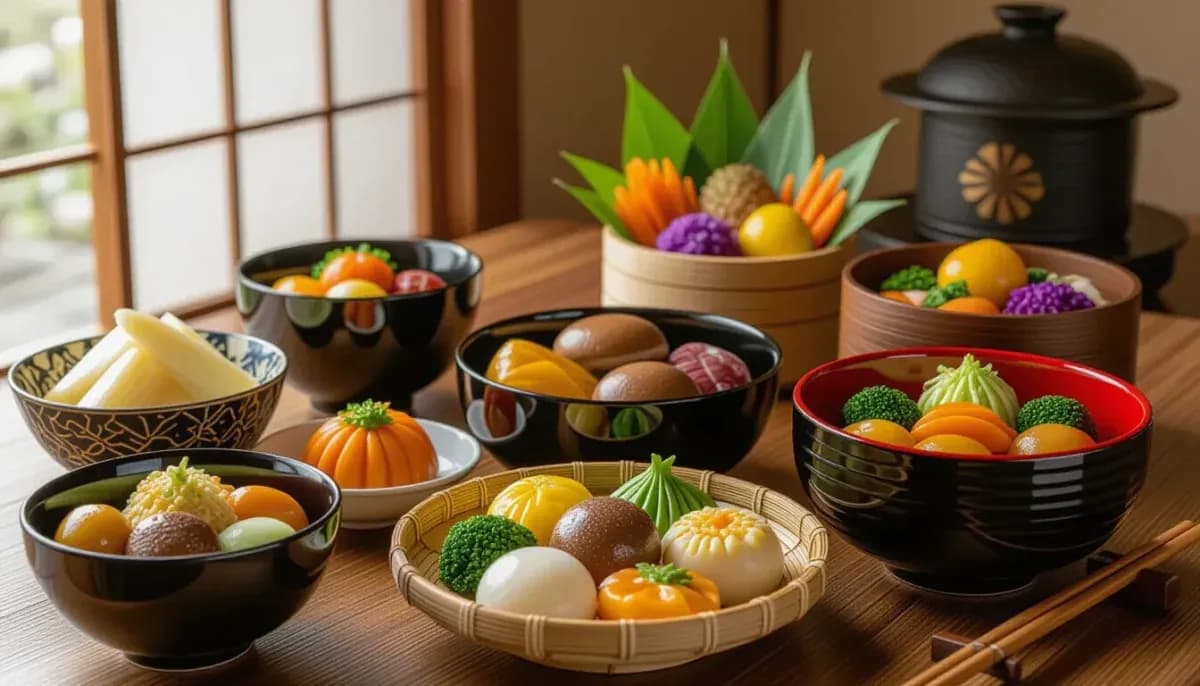
!Japanese seasonal foods spread with colorful ingredients arranged in traditional style

Understanding Shun: Japan's Seasonal Food Philosophy
The word shun (旬) refers to the brief period when a food is at its most flavorful, nutritious, and abundant. In Japan, eating seasonally isn't just a food trend — it's a cultural philosophy embedded in everyday life.
Japanese cuisine, known as washoku (和食), was registered as a UNESCO Intangible Cultural Heritage in December 2013. One of the defining characteristics cited by UNESCO is the use of fresh seasonal ingredients and the expression of the beauty of nature at the table. This includes decorating dishes with seasonal flowers and leaves, and using cookware and tableware that reflects the current season.
What makes Japan's approach to seasonal eating unique is that ingredients are enjoyed not just at their peak, but across the full arc of their season. Early-season bamboo shoots are prized for their delicate tenderness; late-season ones are valued for their deeper, earthier flavor. Experienced Japanese diners appreciate these subtle shifts in texture and taste.
For foreigners living in Japan, understanding shun unlocks a whole new dimension of the country's culinary culture. You'll start to notice seasonal sections in supermarkets, special menus at restaurants, and themed confections at convenience stores — all changing with the seasons.
Spring Seasonal Foods in Japan (March to May)
Spring is one of the most exciting times for food in Japan. As cherry blossoms bloom, a wave of seasonal ingredients appears in markets and restaurants.
Key spring ingredients:
- Takenoko (bamboo shoots) — Fresh bamboo shoots are the quintessential spring ingredient. They appear from March and are eaten simmered, grilled, or in rice dishes. The fresh variety found in local markets is incomparably better than canned.
- Shirasu (baby sardines) — Tiny translucent fish served raw or dried, often on top of rice. A springtime staple in coastal regions.
- Sansai (wild mountain vegetables) — Edible ferns, butterbur sprouts, and other foraged greens that add a distinctive bitterness. Often served as tempura.
- Asari clams — Spring is peak clam season. Used in miso soup, pasta (wafu style), and steamers.
- Strawberries (ichigo) — Japan's strawberry season runs from winter through spring, peaking in February to April. Varieties like Tochiotome and Amaou are exceptionally sweet.
Cultural highlights:
- Hanami bentos — Cherry blossom viewing parties (hanami) are accompanied by elaborate packed lunches featuring seasonal ingredients, sakura-flavored mochi, and pink-hued sweets.
- Hina Matsuri (March 3) — Girls' Day brings chirashizushi (scattered sushi), clam soup, and diamond-shaped mochi in seasonal colors.
For a deeper understanding of Japanese food culture and cooking at home, check out this comprehensive guide on Living in Nihon.
Summer Seasonal Foods in Japan (June to August)
Japanese summers are hot and humid, and the food culture reflects this with cooling dishes and energy-boosting ingredients.
Key summer ingredients:
- Unagi (eel) — Grilled eel is synonymous with Japanese summer. On Doyo no Ushi no Hi (the Day of the Ox in midsummer, usually late July), it's traditional to eat unagi to gain stamina for the heat. Supermarkets sell out quickly on this day.
- Edamame — Young soybeans in the pod, boiled with salt. A ubiquitous summer beer snack and appetizer.
- Watermelon (suika) — Chilled whole watermelons appear in supermarkets and are often given as gifts.
- Goya (bitter melon) — Especially popular in Okinawa, used in the iconic dish goya champuru.
- Ayu (sweetfish) — A small river fish with a distinctly sweet flavor. Often salt-grilled whole and served at summer festivals and riverside restaurants.
- Peaches (momo) — Japanese peaches are large, incredibly sweet, and sold at premium prices as gifts.
Cooling summer dishes:
- Kakigori (shaved ice) — Fluffy shaved ice with flavored syrups or condensed milk toppings, sold at summer festivals and specialty shops.
- Hiyashi chuka — Cold ramen-style noodles topped with cucumber, egg strips, and ham in a tangy sesame or soy dressing. Only available in summer at most restaurants.
- Somen — Very thin wheat noodles served cold in dipping broth, perfect for hot days.
!Summer seasonal foods in Japan including kakigori shaved ice and fresh edamame

Autumn Seasonal Foods in Japan (September to November)
Autumn in Japan is celebrated as shokuyoku no aki (食欲の秋) — the "season of appetite." The combination of cool air and abundant harvests makes this many people's favorite food season.
Key autumn ingredients:
- Sanma (Pacific saury) — The most iconic autumn fish. Salt-grilled sanma served with grated daikon radish is a must-eat from September through October. Look for it at fish markets, izakayas, and even convenience store bento.
- Matsutake mushrooms — Japan's most prized (and expensive) mushrooms. Domestic matsutake are harvested in September and October; their earthy, piney fragrance is incomparable. Often served in rice (matsutake gohan) or clear soup.
- Kuri (chestnuts) — Used in sweets (Mont Blanc, kuri kinton), cooked with rice, or roasted whole at street stalls.
- Kabocha pumpkin — Sweet Japanese pumpkin used in simmered dishes, tempura, and soups.
- Persimmon (kaki) — Two varieties are common: astringent types (hachiya-style) dried into hoshigaki, and sweet types eaten fresh.
- Salmon (sake) — Autumn salmon returning upstream is the peak of the season. Salmon roe (ikura) is also at its best.
Cultural highlights:
- Tsukimi (moon viewing) — The mid-autumn moon viewing festival features tsukimi dango (round rice dumplings) and seasonal ingredients like taro and chestnuts.
- Autumn harvest festivals — Many regional festivals celebrate the rice harvest with special foods and sake.
Winter Seasonal Foods in Japan (December to February)
Winter in Japan is the season of warmth, comfort food, and elaborate year-end and New Year celebrations.
Key winter ingredients:
- Crab (kani) — Peak crab season in Japan runs November through March. Hokkaido snow crab (zuwaigani) and Kanazawa are famous for their premium varieties.
- Fugu (pufferfish) — The famous (and potentially dangerous) delicacy is eaten in winter, primarily as hot pot or sashimi. Only licensed chefs can prepare it.
- Yuzu — This fragrant Japanese citrus is used in hot baths on the winter solstice and in countless dishes, drinks, and sweets.
- Nabe (hot pot) — The category of Japanese hot pots explodes in winter. From shabu-shabu and sukiyaki to oden and chanko nabe (sumo wrestler stew), these communal dishes warm both body and spirit.
- Hakusai (napa cabbage) — Essential for winter hot pots, also pickled as tsukemono.
- Daikon radish — At its sweetest in winter; used in oden, simmered dishes, and grated as a condiment.
New Year (Osechi Ryori): The most important seasonal food event in Japan is New Year's, centered around osechi ryori — elaborately prepared dishes packed in stacked lacquer boxes. Each item has symbolic meaning:
- Kuromame (black beans) — health
- Kazunoko (herring roe) — prosperity
- Tazukuri (dried sardines) — good harvest
- Kohaku namasu (daikon and carrot) — celebration
Supermarkets and department stores take advance orders for osechi starting in November, with premium sets costing tens of thousands of yen.
Month-by-Month Japanese Seasonal Food Calendar
| Month | Vegetables & Fruits | Seafood | Special Foods & Events |
|---|---|---|---|
| January | Daikon, hakusai, yuzu | Fugu, flounder, buri (yellowtail) | Osechi ryori, ozoni (New Year soup) |
| February | Strawberries, cabbage | Snow crab, oysters, clam | Setsubun (ehomaki sushi roll) |
| March | Takenoko, sansai, clams | Shirasu, spring sardines | Hina Matsuri dishes, hanami bentos |
| April | Bamboo shoots, new onions, peas | Baby sardines, cuttlefish | Hanami season |
| May | Broad beans, new cabbage | Bonito (katsuo), squid | First katsuo of the season (hatsu-gatsuo) |
| June | Plums, new ginger | Ayu (sweetfish), octopus | Umeshu (plum wine) making season |
| July | Edamame, cucumber, corn | Eel, sea bass, sea urchin | Doyo no Ushi no Hi (eel day) |
| August | Watermelon, peach, goya | Squid, flounder | Obon festivals, shaved ice (kakigori) |
| September | Kabocha, eggplant, grapes | Sanma (saury), salmon | Tsukimi moon viewing, sanma festivals |
| October | Sweet potato, persimmon, pear | Salmon, octopus, yellowtail | Autumn harvest festivals |
| November | Matsutake, apple, Chinese cabbage | Crab, oyster | Nabe season begins |
| December | Yuzu, spinach, lotus root | Crab, yellowtail, fugu | Toshikoshi soba (New Year's Eve noodles) |
How to Experience Seasonal Foods as a Foreigner in Japan
At the supermarket: Japanese supermarkets clearly mark seasonal produce and seafood. Look for signs with the kanji 旬 (shun) or seasonal section displays near the entrance. Prices for in-season ingredients are often lower than off-season, while the quality is dramatically higher.
At restaurants: Many restaurants — from family restaurants to high-end kaiseki — rotate menus seasonally. Look for "osusume" (おすすめ, today's recommendations) boards, which often highlight seasonal specials. At conveyor belt sushi (kaiten-zushi), look for seasonal fish notices.
At convenience stores: Even Japan's convenience stores embrace seasonality. Seasonal limited-edition products (oden in autumn/winter, cold noodles in summer) are a big deal. Following convenience store seasonal releases is practically a hobby among food lovers.
At festivals and markets: Farmers' markets (nousan butchoku-jo), especially in rural areas, are the best place to find ultra-fresh seasonal produce. Autumn harvest festivals in particular offer incredible seasonal specialties. Learn more about Japanese festivals and traditions to time your visits for the best seasonal food experiences.
Practical tips for food budgeting: Understanding seasonality can significantly reduce your grocery bill. Home cooking with seasonal ingredients costs approximately ¥15,000–¥25,000 per month for one person, compared to ¥60,000–¥100,000 for those eating out exclusively. Check our complete guide to cost of living in Japan for more budgeting insights.
Regional Variations in Seasonal Foods
Japan's geography — spanning from subtropical Okinawa to sub-arctic Hokkaido — means that seasonal foods vary dramatically by region.
Hokkaido (North): Famous for exceptional seafood — snow crab, salmon, sea urchin, scallops — due to cold, nutrient-rich waters. Dairy products, potatoes, and corn are also outstanding in summer.
Tohoku: Excellent autumn foods including walnuts, apples (Aomori is Japan's apple capital), and mountain vegetables.
Tokyo/Kanto: Access to a broad variety, but particularly known for Tokyo Bay clams in spring and early summer.
Kyoto/Kansai: Famous for kyo-yasai (Kyoto vegetables) — ancient heirloom varieties of eggplant, turnip, and bamboo shoots with protected designation.
Okinawa: A completely different seasonal calendar with tropical fruits, goya (bitter melon), and year-round warmth. Seasonal patterns here are reversed compared to mainland Japan.
For expats interested in food industry opportunities in Japan, For Work in Japan has an excellent guide on working in food service and hospitality.
If you're considering a career change or seeking employment in Japan, Ittenshoku offers resources on job transitions and career development that can help you navigate the Japanese job market while you enjoy living in Japan.
For a month-by-month breakdown of seasonal foods across Japan, Tunex Travels' Japan Seasonal Food Calendar is a great reference guide.
Connecting Seasonal Food to Japanese Daily Life
Understanding seasonal food is a gateway to understanding Japanese culture more broadly. When you share in the excitement of the first bonito of spring (hatsu-gatsuo), the urgency to try fresh sanma in autumn, or the ritual of eating toshikoshi soba on New Year's Eve, you're participating in a shared cultural experience that connects you to Japanese people across generations.
The concept of ichiju sansai (一汁三菜) — one soup, three dishes, and rice — is the backbone of Japanese home cooking, and is designed to naturally incorporate seasonal ingredients. Following this structure with whatever's in season at your local market is the simplest way to eat well and economically in Japan.
For more on Japanese food culture, cooking at home, and navigating Japanese supermarkets, see our complete guide to Japanese food and cooking. And for a broader introduction to daily life in Japan, including food shopping tips, check our daily life guide for foreigners.
For official information on washoku's UNESCO recognition and the cultural significance of Japanese traditional cuisine, visit the Japan External Trade Organization's washoku page.
You can also find seasonal food guides at Expat's Guide to Japan for more in-depth coverage of what to eat each season.
Embracing Japan's seasonal food culture is one of the great joys of living in this country. Each season brings something to look forward to — a fresh taste, a cultural ritual, a communal excitement around food that never gets old. Start with whatever's in season when you arrive, and let Japan's culinary calendar guide your dining throughout the year.

Originally from Vietnam, living in Japan for 16+ years. Graduated from Nagoya University, with 11 years of professional experience at Japanese and international companies. Sharing information about living in Japan for foreigners.
View Profile →Related Articles

Japanese National Holidays Calendar and Guide
Complete guide to Japan's 16 national holidays including Golden Week, Silver Week, and New Year. Essential calendar and practical tips for foreigners living in Japan.
Read more →
Japanese Gift Giving Seasons Ochugen and Oseibo Guide
Learn everything about Japanese gift giving seasons ochugen and oseibo. Timing, etiquette, gift ideas, and practical tips for foreigners living and working in Japan.
Read more →
Shichi Go San Children Festival Explained for Foreign Parents
Everything foreign parents need to know about Japan's Shichi-Go-San festival: which ages celebrate, kimono rental costs, shrine visits, chitose-ame candy, and participation tips.
Read more →
Setsubun Bean Throwing Festival Guide
Complete guide to Setsubun, Japan's February bean-throwing festival. Learn about mamemaki, eho-maki, where to watch public events, and how foreigners can participate in this beloved tradition.
Read more →
Tanabata Star Festival in Japan Explained
Everything you need to know about Tanabata — Japan's Star Festival. Discover the legend of Orihime and Hikoboshi, how to write tanzaku wishes, the best festivals to attend (Sendai, Hiratsuka), and practical tips for foreigners joining the celebration.
Read more →
Halloween in Japan How It Has Become a Major Event
Halloween in Japan has grown from a single theme park event in 2000 into a nationwide cosplay and celebration phenomenon. Learn about the history, top events, and tips for foreigners participating in Japanese Halloween.
Read more →