
Working Holiday Visa Japan Complete Guide

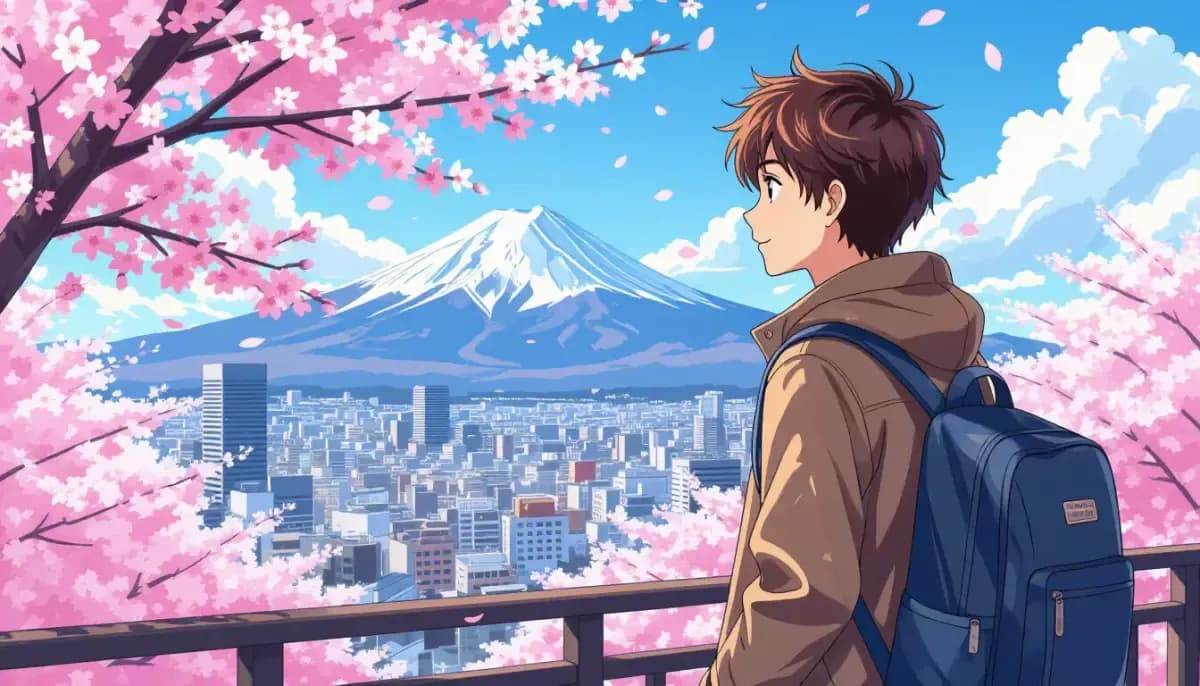
Everything you need to know about Japan's Working Holiday Visa: eligible countries, age requirements, application process, work rules, costs, and tips for making the most of your WHV experience.
Working Holiday Visa Japan: The Complete Guide for 2025
Dreaming of spending a year working and traveling across Japan? The Working Holiday Visa (WHV) is one of the best ways for young people to experience life in Japan without committing to a full work visa. Whether you want to pick up part-time jobs in Tokyo, teach English in a rural town, or simply explore the country at your own pace, this guide covers everything you need to know about Japan's Working Holiday Programme.
For a broader overview of all visa categories available to foreigners, check out our complete Japan visa and immigration guide.
What Is the Working Holiday Visa in Japan?
The Working Holiday Visa is a special visa category that allows young people from eligible countries to live in Japan for up to 12 months. Unlike a standard work visa, the WHV is designed primarily for cultural exchange and travel, with employment permitted as a secondary activity to fund your stay.
Japan's Ministry of Foreign Affairs manages the programme, which has been running since 1980 when the first agreement was signed with Australia. Since then, Japan has expanded the programme to include 30 countries and regions, making it one of the most accessible ways for young foreigners to experience Japan firsthand.
The key difference between a WHV and a regular work visa is flexibility. With a working holiday visa, you are not tied to a single employer, you can change jobs freely, and there is no minimum work requirement. Your primary purpose is supposed to be "holidaying" in Japan, with work being incidental. For more information on working in Japan generally, see our guide to working in Japan as a foreigner.
Eligible Countries and Age Requirements
Japan has bilateral working holiday agreements with 30 countries. Here is the complete list of eligible countries along with their specific age limits and annual quotas:
| Country | Age Limit | Annual Quota | Special Notes |
|---|---|---|---|
| Australia | 18-30 | No limit | Can extend to 2nd year |
| New Zealand | 18-30 | No limit | Can apply twice |
| Canada | 18-30 | ~6,500 | High demand, apply early |
| United Kingdom | 18-30 | ~6,000 | Can apply for 2nd year |
| France | 18-30 | 1,500 | - |
| Germany | 18-30 | No limit | Can apply twice (from Jan 2025) |
| Ireland | 18-30 | 800 | Can apply twice (from Jan 2025) |
| South Korea | 18-25 | 10,000 | - |
| Taiwan | 18-30 | 10,000 | - |
| Hong Kong | 18-30 | 1,500 | - |
| Denmark | 18-30 | No limit | Can apply for 2nd year |
| Norway | 18-30 | No limit | - |
| Sweden | 18-30 | No limit | - |
| Spain | 18-30 | 500 | - |
| Portugal | 18-30 | No limit | - |
| Poland | 18-30 | 500 | - |
| Austria | 18-30 | 200 | Can apply for 2nd year |
| Slovakia | 18-30 | 400 | Can apply twice (from Jan 2025) |
| Hungary | 18-30 | 200 | - |
| Czech Republic | 18-30 | No limit | - |
| Argentina | 18-30 | 200 | - |
| Chile | 18-30 | 200 | - |
| Iceland | 18-26 | 30 | Lower age limit |
| Lithuania | 18-30 | 100 | - |
| Estonia | 18-30 | No limit | - |
| Netherlands | 18-30 | 200 | - |
| Uruguay | 18-30 | 100 | - |
| Finland | 18-30 | No limit | - |
| Latvia | 18-30 | 100 | - |
| Luxembourg | 18-30 | 50 | - |
A notable change starting January 2025 is that nationals of Germany, Ireland, and Slovakia are now allowed to participate in the programme twice in their lifetime, meaning two separate one-year stays. Several other countries including Canada, the UK, New Zealand, Denmark, and Austria already had provisions for second-year extensions.
You can find the official list and detailed bilateral agreements on the Ministry of Foreign Affairs website. For country-specific details, Japan Guide also offers a helpful overview.
How to Apply: Step-by-Step Process
Applying for a Working Holiday Visa in Japan requires submitting your application in person at the Japanese embassy or consulate in your home country. Here is the step-by-step process:
Step 1: Check Your Eligibility Confirm you meet all basic requirements: correct age, citizenship of an eligible country, no dependents accompanying you, valid passport, and no previous WHV issued (unless your country allows a second application).
Step 2: Gather Required Documents The standard documents required include:
- Valid passport (must cover the entire duration of your planned stay)
- Completed WHV application form (downloadable from your local Japanese embassy website)
- Recent passport-sized photograph (typically 4.5cm x 3.5cm)
- Curriculum Vitae (CV) or resume
- Detailed travel itinerary or plan of activities in Japan
- A personal statement or essay explaining why you want a working holiday in Japan
- Proof of sufficient funds (typically around $2,500-$4,000 USD equivalent in bank statements)
- Return flight ticket or proof of funds to purchase one
- Health certificate (required by some embassies)
Step 3: Book an Appointment Most embassies require you to book an appointment for visa submission. Do this well in advance, especially during peak application periods from May to August.
Step 4: Submit Your Application Visit the embassy in person to submit your documents. Processing typically takes 5-10 business days, though this varies by country.
Step 5: Collect Your Visa Once approved, return to the embassy to collect your passport with the visa sticker. Your WHV must be activated by entering Japan within a specified period (usually 3-12 months from issuance).
The best time to apply is 1-3 months before your intended departure. For countries with limited quotas like Canada or the UK, applying as early as possible in the application window is strongly recommended.
For a comprehensive understanding of Japan's visa system, visit Living in Nihon's visa and residency guide or For Work in Japan's residence status guide.
Work Rules and Restrictions
While the Working Holiday Visa allows you to work in Japan, there are important rules and restrictions to be aware of:
What you CAN do:
- Work part-time or full-time jobs to supplement your travel funds
- Change employers freely without notifying immigration
- Work in most industries including hospitality, retail, teaching, and office work
- Freelance or do contract work
What you CANNOT do:
- Work at bars, cabarets, nightclubs, or adult entertainment venues
- Work at gambling establishments (pachinko parlors, casinos)
- Work at any establishment that affects "public morals"
- Use the visa primarily for work (it should be primarily for travel/cultural exchange)
Popular jobs among working holiday visa holders include English teaching at conversation schools (eikaiwa), hotel and hostel staff, restaurant work, farm labor (especially during harvest seasons), ski resort staff in winter, and translation or interpretation work.
If you are interested in teaching English specifically, our teaching English in Japan guide covers everything from qualifications to expected salaries. For those considering a career change into Japan's IT industry, Ittenshoku's career change guide offers valuable resources.
Cost of Living and Financial Planning
Before heading to Japan on a working holiday, it is essential to budget carefully. Here is a breakdown of typical monthly costs:
| Expense | Tokyo (¥) | Regional City (¥) | Rural Area (¥) |
|---|---|---|---|
| Rent (shared house) | 50,000-80,000 | 30,000-50,000 | 20,000-35,000 |
| Food | 30,000-50,000 | 25,000-40,000 | 20,000-30,000 |
| Transportation | 10,000-15,000 | 5,000-10,000 | 3,000-8,000 |
| Phone/Internet | 3,000-5,000 | 3,000-5,000 | 3,000-5,000 |
| Health Insurance | 15,000-20,000 | 15,000-20,000 | 15,000-20,000 |
| Entertainment | 10,000-20,000 | 5,000-15,000 | 5,000-10,000 |
| Total | 118,000-190,000 | 83,000-140,000 | 66,000-108,000 |
Most WHV holders earn between ¥900 and ¥1,200 per hour for part-time work, with Tokyo offering the highest minimum wages. Working 20-30 hours per week at ¥1,100/hour would earn roughly ¥88,000-132,000 per month, which can cover living costs in regional areas but may be tight in Tokyo.
Shared houses and guesthouses are the most popular accommodation options for WHV holders, as they do not require the hefty key money and guarantor deposits associated with regular Japanese apartments. Services like Borderless House offer foreigner-friendly shared housing options.
For more details on expenses, check our cost of living in Japan guide. If you are looking for housing tips, our finding housing in Japan guide has you covered.
Health Insurance and Practical Matters
Health Insurance Working holiday visa holders are generally required to enroll in Japan's National Health Insurance (NHI) system. This costs roughly ¥15,000-20,000 per month but covers 70% of medical expenses. Having travel insurance as a backup is also strongly recommended. Our healthcare in Japan guide explains the system in detail.
Bank Account Opening a Japanese bank account can be challenging for short-term residents, but some banks like Japan Post Bank (Yucho) and Shinsei Bank are more foreigner-friendly. Read our banking and finance guide for step-by-step instructions.
Residence Card and Registration Upon arriving in Japan, you will receive a Residence Card (Zairyu Card) at the airport. You must register your address at your local ward office within 14 days of moving in. This registration is essential for accessing health insurance, opening a bank account, and getting a mobile phone.
Mobile Phone Getting a SIM card or phone plan is one of your first priorities. Sakura Mobile and other providers offer foreigner-friendly plans without the usual two-year contracts.
Taxes If you work in Japan, your employer will withhold income tax from your pay. Depending on your country of origin, you may be eligible for tax treaty benefits. Our taxes in Japan guide breaks down everything you need to know.
Tips for Making the Most of Your Working Holiday
Before You Go:
- Start learning basic Japanese. Even hiragana and katakana will make daily life much easier. See our learning Japanese guide.
- Save at least ¥300,000-500,000 beyond the visa requirement as an emergency buffer.
- Research job opportunities in advance through Facebook groups like "Working Holiday Japan" and subreddits like r/JapanJobs.
- Get an international driving license if you plan to explore rural areas.
During Your Stay:
- Join local community events and international exchange meetups to build connections. Our making friends in Japan guide has great tips.
- Travel during the shoulder seasons (spring and autumn) when weather is best and crowds are manageable.
- Consider working at ski resorts in winter (Niseko, Hakuba) or beach towns in summer for unique experiences.
- Keep copies of all important documents digitally and physically.
- Understand Japanese culture and etiquette to make a good impression at work and in daily life.
Extending Your Stay: If you fall in love with Japan and want to stay beyond your WHV, you may be able to switch to a different visa status. Common transitions include changing to a work visa (if you find a sponsoring employer), a student visa (if you enroll in a language school or university), or applying for the Specified Skilled Worker visa if you qualify. However, you cannot simply extend a WHV beyond its maximum duration.
Frequently Asked Questions
Can I bring my partner or family? No. The WHV does not allow dependents. Your partner would need to apply for their own visa separately.
Can I re-enter Japan after leaving during my WHV? Yes. As long as your visa is still valid, you can leave and re-enter Japan. Make sure to obtain a re-entry permit or use the special re-entry system.
What happens if I overstay my visa? Overstaying is a serious immigration offense in Japan. It can result in detention, deportation, and a ban from re-entering Japan for 5-10 years. Always leave before your visa expires.
Do I need to speak Japanese to get a job? Not necessarily, but it helps enormously. English teaching positions usually do not require Japanese, but most other jobs will require at least basic conversational Japanese (N4-N3 level on the JLPT).
Can I study while on a WHV? Yes, you can attend language schools or take courses while on a WHV, as long as your primary purpose remains travel and cultural exchange.
The Working Holiday Visa is truly one of the best opportunities for young people to experience Japan beyond being a tourist. With proper planning and realistic expectations, your year in Japan can be a life-changing adventure. Start your application today and take the first step toward your Japanese working holiday!

Originally from Vietnam, living in Japan for 16+ years. Graduated from Nagoya University, with 11 years of professional experience at Japanese and international companies. Sharing information about living in Japan for foreigners.
View Profile →Related Articles

Japan Designated Activities Visa Guide
Complete guide to Japan's Designated Activities visa covering job hunting, No. 46, J-FIND, digital nomad, and working holiday categories with requirements and application steps for foreigners.
Read more →
Japan Long Term Resident Visa Explained
Everything you need to know about Japan's Long-Term Resident Visa (teijusha): eligibility categories, application process, required documents, and how it compares to permanent residency.
Read more →
How to Change Your Visa Status in Japan
Complete guide to changing your visa status of residence in Japan. Learn the step-by-step application process, required documents, fees, processing timeline, and 2025-2026 immigration updates for foreigners.
Read more →
Common Japan Visa Application Mistakes to Avoid
Discover the most common Japan visa application mistakes that lead to rejection. Learn how to avoid documentation errors, wrong visa categories, and weak financial proof to get approved.
Read more →
Japan Business Manager Visa Requirements and Process
Complete guide to Japan's Business Manager Visa in 2026. Learn about the new 30 million yen capital requirement, application process, documents needed, and tips for approval as a foreign entrepreneur.
Read more →
Japan Dependent Visa for Family Members Guide
Complete guide to Japan's Dependent Visa for family members. Learn about eligibility, required documents, financial requirements, application process, work restrictions, and renewal procedures for bringing your spouse and children to Japan.
Read more →