
Common Japan Visa Application Mistakes to Avoid

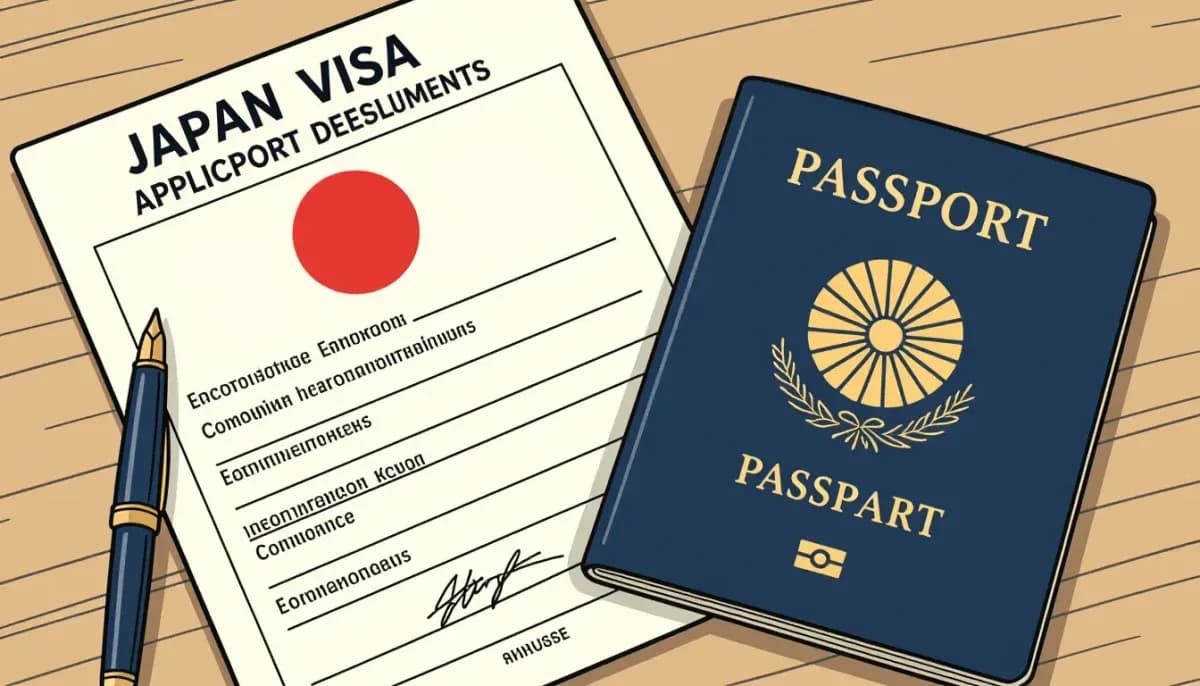
Discover the most common Japan visa application mistakes that lead to rejection. Learn how to avoid documentation errors, wrong visa categories, and weak financial proof to get approved.
Common Japan Visa Application Mistakes to Avoid
Applying for a Japan visa can feel overwhelming, especially when you realize that even small errors can lead to rejection. With approximately 3.96 million foreigners currently residing in Japan, competition for visa approvals is high, and immigration authorities scrutinize every detail of your application. Whether you are applying for a tourist visa, work visa, or student visa, understanding the most common pitfalls will dramatically improve your chances of approval.
This guide covers the critical mistakes that applicants make when applying for a Japanese visa and provides actionable tips to help you submit a flawless application. For a comprehensive overview of all visa types available, check out our complete guide to Japan visa and immigration.
Incomplete or Inconsistent Documentation
The number one reason for Japan visa rejection is submitting incomplete or inconsistent paperwork. Japanese immigration authorities are extremely thorough, and missing even a single required document can result in immediate denial.
Common documentation mistakes include:
- Missing bank statements or providing statements older than 3 months
- Omitting employment verification letters or tax certificates
- Failing to include flight itineraries or hotel booking confirmations
- Submitting photocopies instead of original documents when originals are required
Every document you submit must be consistent with the others. If your application form states one employer but your tax documents show another, your application will likely be flagged. Always cross-reference all your documents before submission to ensure names, dates, and figures match perfectly.
For those planning to work in Japan, the documentation requirements are even more stringent. Learn more about work visa requirements in our guide to working in Japan. You can also find detailed information about residence status categories at For Work in Japan's visa guide.
Choosing the Wrong Visa Category
Japan offers 29 distinct residency statuses organized into four main categories: employment-based, non-employment, ministerial designation, and status-based. Selecting the wrong category is a surprisingly common mistake that leads to automatic rejection.
For example, applying for a tourist visa when you plan to attend business meetings or conferences will raise red flags. Similarly, applying for a general work visa when your activities fall under the "Specified Skills" category will result in denial.
| Visa Category | Purpose | Common Mistake |
|---|---|---|
| Tourist (Short-term Stay) | Sightseeing, visiting friends | Using it for business activities or job hunting |
| Engineer/Specialist in Humanities | Office work, IT, translation | Applying without matching educational qualifications |
| Student | Full-time study at Japanese institution | Not disclosing plans for part-time work |
| Specified Skills | Designated industry labor (16 sectors) | Confusing with technical intern training program |
| Working Holiday | Travel with part-time work | Treating it as a full-time work visa |
| Dependent | Spouse or child of visa holder | Working more than 28 hours per week without permission |
The Technology/Humanities/International Services visa is the most common work visa, with 458,109 holders as of June 2025. However, a frequent cause of rejection is the misalignment between your educational background and the job duties listed in your application. Make sure your degree or professional experience clearly relates to the position you have been offered.
Passport and Photo Specification Errors
Your passport and application photo must meet strict Japanese requirements. These seem like minor details, but they cause a surprising number of rejections.
Passport requirements:
- Must be valid for at least 6 months beyond your intended return date
- Must have at least two blank pages for visa stamps
- Must not be damaged, torn, or have missing pages
Photo specifications:
- Size: 45mm x 45mm (some consulates accept 2x2 inches)
- White background only
- Taken within the last 6 months
- No glasses, hats, or accessories covering your face
- No shadows or filters
- Must be a high-quality print, not a selfie or phone photo
One critical mistake is using photos with incorrect dimensions or backgrounds. Japanese consulates follow these specifications strictly, and even a slightly off-center photo or a light blue background instead of white can trigger rejection.
If you are moving to Japan for the first time, our guide to moving to Japan covers all the preparation steps you need beyond the visa application itself.
Weak Financial Documentation
Japanese embassies carefully evaluate your financial documents to confirm you can support yourself during your stay. Insufficient or suspicious financial evidence is one of the top reasons for visa denial.
What constitutes strong financial proof:
- Bank statements from the last 3 months showing consistent balance
- Employment certificate with salary information
- Tax return documents from the current or previous year
- Sponsorship letter with the sponsor's financial documents (if applicable)
Common financial documentation mistakes:
- Showing a sudden large deposit right before applying (this looks suspicious)
- Having a bank balance that does not match your stated income level
- Providing statements from accounts that have been inactive for months
- Forgetting to include your sponsor's financial proof when being sponsored
For tourist visa applications, a general guideline is to show at least JPY 50,000-100,000 per day of your planned stay. For work and student visas, you need to demonstrate stable ongoing income or sufficient savings to cover your initial months in Japan.
Understanding how banking and finance work in Japan can also help you prepare better financial documentation for your application.
Vague or Unconvincing Travel Itinerary
The Japanese Ministry of Foreign Affairs explicitly states that vague descriptions such as "tourism" or "visiting friends" are NOT acceptable as a purpose of visit. Your itinerary must be detailed and specific.
A strong itinerary should include:
- Day-by-day plans with specific locations and activities
- Hotel reservations matching your stated travel dates
- Round-trip flight bookings (or clear explanation for one-way tickets)
- Contact information for anyone you plan to visit in Japan
For work visa applications, your Certificate of Eligibility (COE) serves a similar purpose by documenting your employer, position, and planned activities. Make sure your COE details match your visa application exactly.
The embassy will NOT accept visa applications more than 3 months before your departure date, so time your application carefully. Standard processing takes around 5-10 business days, though the average can extend to approximately 18 days depending on your nationality and visa type.
For more information on what to expect when you arrive, see our guide to daily life in Japan.
Form Completion and Submission Errors
Even with perfect supporting documents, errors on the application form itself can derail your visa application. These mistakes are entirely preventable with careful attention to detail.
Critical form errors to avoid:
- Spelling your name differently than it appears on your passport
- Leaving any fields blank (write "N/A" if a question does not apply)
- Using outdated application forms downloaded from unofficial websites
- Making handwritten corrections, overwriting, or using different ink colors
- Hole-punching, stapling, or paper-clipping documents together (Japanese embassies specifically prohibit this)
Tips for error-free form completion:
- Download the latest application form directly from the official Japanese embassy website for your country
- Fill out the form digitally if possible, then print and sign
- Have someone else review your completed form before submission
- Keep a photocopy of your entire application package for your records
Check the Japan Ministry of Foreign Affairs FAQ page for the most current form requirements and submission guidelines.
Hiding Past Immigration Issues
If you have had a previous visa rejection, overstayed a visa in any country, or faced any immigration violations, attempting to hide this information is one of the worst mistakes you can make. Japanese immigration conducts thorough background checks and shares data with other countries' immigration systems.
What you should disclose:
- Any previous visa rejections for Japan or other countries
- Past immigration violations, including overstays
- Criminal records, even minor ones
- Previous deportation orders from any country
Being honest about your history, combined with an explanation of what has changed since then, demonstrates good faith. Attempting to conceal past issues, on the other hand, can result in immediate rejection and potentially a long-term ban from applying.
If your visa application was previously rejected, you generally cannot reapply for the same purpose within 6 months unless your circumstances have substantially changed. Use this waiting period to strengthen your application by addressing whatever weakness may have caused the initial rejection.
For more context on visa-related topics, you can explore resources at Atlys's guide to Japan visa rejections and Teleport's visa rejection prevention guide.
Fraudulent or Falsified Documents
This should go without saying, but submitting forged, edited, or falsified documents is the fastest way to not only get rejected but to receive a permanent ban from entering Japan. Japanese embassies use sophisticated verification methods.
Documents that are commonly falsified and always caught:
- Edited bank statements with inflated balances
- Fake employment letters from non-existent companies
- Forged invitation letters
- Doctored academic transcripts or diplomas
The consequences of fraud extend far beyond a simple rejection. You may be blacklisted from future visa applications, reported to your home country's authorities, and face legal penalties. There is no shortcut, so always submit authentic documents, even if your financial situation or employment history is not ideal.
If you are looking for career opportunities in Japan's IT industry to strengthen your work visa application, IT Tenshoku provides resources for career transitions in the technology sector.
What to Do If Your Visa Is Rejected
If your Japan visa application is rejected, do not panic. The Ministry of Foreign Affairs does not officially disclose specific rejection reasons to protect applicant confidentiality, but you can take steps to improve your next application.
Action plan after rejection:
| Step | Action | Timeline |
|---|---|---|
| 1 | Review your entire application for errors or weak points | Immediately |
| 2 | Gather stronger supporting documents | 1-3 months |
| 3 | Consider consulting an immigration lawyer or visa agent | Within 1 month |
| 4 | Wait the required period before reapplying | 6 months minimum |
| 5 | Resubmit with improved documentation and a cover letter explaining changes | After waiting period |
For student visa applications, the rejection rate is relatively low at 2-5%, which suggests that most rejections are preventable with proper preparation. Work visa rejections tend to be higher, often due to employer-side documentation issues rather than applicant errors.
If you plan to study in Japan, our guide to learning Japanese can help you prepare for language school applications, which significantly strengthens student visa applications.
Conclusion
Avoiding these common Japan visa application mistakes comes down to three principles: be thorough with your documentation, be honest about your history, and be precise with every detail on your application. Japan's immigration system is strict but fair, and a well-prepared application has an excellent chance of approval.
Start preparing your documents well in advance, double-check everything before submission, and do not hesitate to seek professional help if your situation is complex. With careful preparation, you can avoid the frustration of rejection and begin your journey to Japan with confidence.

Originally from Vietnam, living in Japan for 16+ years. Graduated from Nagoya University, with 11 years of professional experience at Japanese and international companies. Sharing information about living in Japan for foreigners.
View Profile →Related Articles

Japan Designated Activities Visa Guide
Complete guide to Japan's Designated Activities visa covering job hunting, No. 46, J-FIND, digital nomad, and working holiday categories with requirements and application steps for foreigners.
Read more →
Japan Long Term Resident Visa Explained
Everything you need to know about Japan's Long-Term Resident Visa (teijusha): eligibility categories, application process, required documents, and how it compares to permanent residency.
Read more →
How to Change Your Visa Status in Japan
Complete guide to changing your visa status of residence in Japan. Learn the step-by-step application process, required documents, fees, processing timeline, and 2025-2026 immigration updates for foreigners.
Read more →
Japan Business Manager Visa Requirements and Process
Complete guide to Japan's Business Manager Visa in 2026. Learn about the new 30 million yen capital requirement, application process, documents needed, and tips for approval as a foreign entrepreneur.
Read more →
Japan Dependent Visa for Family Members Guide
Complete guide to Japan's Dependent Visa for family members. Learn about eligibility, required documents, financial requirements, application process, work restrictions, and renewal procedures for bringing your spouse and children to Japan.
Read more →
Working Holiday Visa Japan Complete Guide
Everything you need to know about Japan's Working Holiday Visa: eligible countries, age requirements, application process, work rules, costs, and tips for making the most of your WHV experience.
Read more →