
Water Conservation Tips for Living in Japan

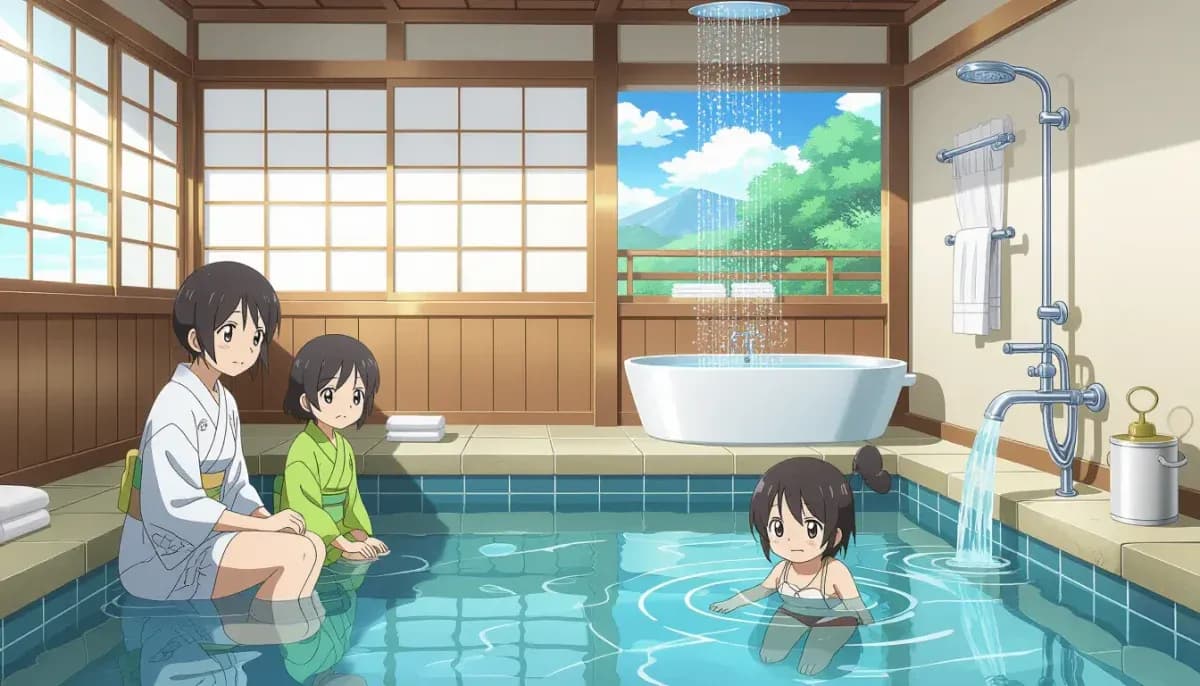
Learn practical water conservation tips for living in Japan. Discover Japanese bathing culture, smart toilet technology, bath water recycling for laundry, and how to reduce your water bill as a foreigner in Japan.
Water Conservation Tips for Living in Japan
Living in Japan as a foreigner comes with many surprises, and one of the most enlightening is discovering how seriously the Japanese approach water conservation. Japan is a country where water-saving culture is deeply embedded in daily life — from specially designed toilets to traditional bathing rituals that have been practiced for centuries. Whether you are newly arrived or have been here for years, understanding and adopting these water-saving habits can reduce your utility bills, help the environment, and integrate you more deeply into Japanese culture.
Japan's household water consumption averages around 289 liters per person per day — a figure that, while lower than many Western countries, still represents significant usage. The good news is that 72% of Japanese residents actively conserve water in their daily lives, and the country has seen consistent declines in overall water usage since its peak in the mid-1990s. This guide will walk you through the best water conservation tips for living in Japan, from traditional cultural practices to the latest household technologies.
Understanding Water Usage in Japanese Households
Before diving into conservation tips, it helps to understand where water actually goes in a typical Japanese home. Knowing the breakdown can help you target your conservation efforts most effectively.
| Water Use Category | Percentage of Total Use |
|---|---|
| Bathing and showers | 26% |
| Toilet flushing | 24% |
| Kitchen (cooking, cleaning) | 22% |
| Laundry | 15% |
| Other household tasks | 13% |
Bathing uses the most water overall, which is why the traditional Japanese bathing culture has evolved specifically around reducing waste. Toilets are the second-largest consumer, which explains why Japanese manufacturers have invested heavily in high-efficiency toilet technology.
Understanding this breakdown means you can focus first on your bathroom habits and toilet choices for the greatest conservation impact.
The Traditional Japanese Bathing Method (お風呂 / Ofuro)
The Japanese bath, or ofuro, is one of the most effective water conservation practices you will encounter in Japan — and one of the most culturally significant. Unlike Western-style bathing where people wash themselves in the bathtub, Japanese bathing involves a distinct two-stage process that dramatically reduces water waste.
How the traditional ofuro works:
- Pre-bath rinse: You sit on a small stool (called koshikake or ofuro isu) at the edge of the bath and use the shower or a bucket to rinse your body with warm water.
- Soap and scrub: With the water turned off, you lather soap and scrub your entire body. No water runs during this stage.
- Rinse off: You rinse the soap off thoroughly, still outside the main tub.
- Soak: Only after you are completely clean do you enter the bathtub for a relaxing soak.
The genius of this system is that because no soap ever enters the main bathtub, the water remains clean throughout the evening. This allows every member of the family — parents, children, grandparents — to use the same bathwater sequentially. The water only needs to be changed once per day.
Cooled leftover bathwater can even be reused in the garden, since it contains no soap or chemicals. Many Japanese homeowners also pump bathwater directly into their washing machines for the wash cycle.
For foreigners accustomed to shower-only bathing, adopting the ofuro habit is one of the single most impactful changes you can make for water conservation. This article on saving water the Japanese way explains the cultural philosophy behind this practice beautifully. It also has the added benefit of deep muscle relaxation and is widely considered good for overall health.
For more insights into eco-friendly living in Japan, check out Living in Nihon's guide to sustainable practices in Japan.
Smart Toilet Technology: Japan's Water-Saving Superstar
Japan is world-famous for its advanced toilet technology, and much of this innovation is directly tied to water conservation. If you have not already noticed the features on your Japanese toilet, you may be surprised at how much engineering has gone into reducing water use.
Key water-saving toilet features in Japan:
- Tank-top faucets: Many standard Japanese toilets have a small faucet and basin mounted on top of the water tank. When you flush, water flows through this faucet so you can wash your hands, and that same used water fills the tank for the next flush. This eliminates the need to use the separate sink for handwashing after using the toilet.
- Dual-flush systems: Almost all modern Japanese toilets have two flush buttons — a small flush (小 / sho) for liquid waste and a large flush (大 / dai) for solid waste. Using the small flush whenever possible can cut your toilet water use nearly in half.
- High-efficiency modern toilets: Advanced Japanese toilets use cyclonic motion and optimized water flow to achieve effective flushing with as little as 3-4 liters of water, compared to the 13 liters used by older conventional toilets. That is roughly one-third the water consumption.
If your apartment has an older toilet without these features, you may want to discuss with your landlord about upgrading, or look for a water displacement device that reduces the volume of water in the tank.
Recycling Bathwater for Laundry
One of the most popular water conservation practices in Japanese homes is using bathwater for laundry. This practice is so common that most Japanese washing machines — particularly top-loading models — come equipped with a built-in pump and hose specifically designed to draw water directly from the bathtub.
Statistics show that about 60% of Japanese households use recycled bath water for at least the wash cycle of their laundry, and about 32% also use it for the first rinse cycle. Given that bathwater is clean (thanks to the pre-wash ritual before entering the tub), it is perfectly suitable for washing clothes.
How to recycle bathwater for laundry:
- After the family has finished bathing, leave the water in the tub overnight.
- Run the pump hose from the washing machine into the bathtub.
- Set the machine to use the pump for the wash cycle.
- Use fresh tap water for the final rinse to ensure clothes are clean.
If your washing machine does not have a built-in pump, you can purchase a separate bath pump (furo mizu ponpu / 風呂水ポンプ) for a few thousand yen at most home goods stores or electronics shops like Yodobashi Camera or Bic Camera.
You can learn more about eco-friendly products available in Japan, including laundry accessories, in our guide to Best Eco Friendly Products Available in Japan.
Water-Saving Appliances and Fixtures in Japan
Japan has developed some of the most water-efficient household appliances in the world, driven by both cultural values and a competitive market that rewards innovation. As a resident, choosing the right appliances can make a significant difference in your monthly water bill.
Washing machines:
Front-loading washing machines use significantly less water than top-loading machines because of the horizontal drum design — clothes tumble through a smaller volume of water rather than being submerged. Modern Japanese detergents have also been engineered for quick rinsing, which reduces the number of rinse cycles needed. A single wash using advanced detergent formulations can save 11-57 liters compared to older methods.
Dishwashers:
The math on dishwashers is compelling: a family of six hand-washing dishes uses approximately 84 liters of water. Panasonic's modern Japanese dishwashers accomplish the same task with just 11 liters — less than one-ninth the water. If your apartment has a dishwasher (less common but increasingly available), using it is actually the more eco-friendly choice.
Water-saving showerheads:
Many Japanese hardware stores (like Cainz or Kohnan) sell water-saving showerheads that mix air with water to create a high-pressure feel while using significantly less water per minute. Some models also feature a pause switch that lets you temporarily stop the flow while soaping up without adjusting the temperature — saving water without the discomfort of a cold restart.
For more advice on saving energy and resources at home, see our guide on Energy Saving Tips for Your Japan Home. Research from Lion Corporation's water science division shows that advanced detergent formulations combined with front-loading machines deliver some of the best water efficiency in the world.
Kitchen Water Conservation Tips
The kitchen is the third-largest source of household water use. With some simple habit changes, you can significantly reduce your kitchen water consumption without any major investment.
Practical kitchen water-saving tips:
- Fill a bowl for rinsing vegetables rather than running water continuously over them. This uses far less water and works just as well for washing produce.
- Defrost food in the refrigerator the night before rather than running hot water over frozen items — a common but wasteful practice.
- Fix dripping taps immediately. A tap dripping just once per second wastes over 10,000 liters of water per year. In Japan, plumbing parts are widely available at home centers like Cainz, and basic tap repairs are relatively straightforward.
- Use your pot lids. Covering pots while cooking brings water to a boil faster, saving both water and energy.
- Run your dishwasher with a full load only. If you have a dishwasher, wait until it is completely full before running it to maximize efficiency per liter of water used.
- Reuse cooking water. Water used to boil vegetables or pasta can be cooled and used to water houseplants. It even contains nutrients that plants benefit from.
Rainwater Collection and Greywater Reuse
Japan's average annual rainfall is about 1,700 mm — more than double the global average — making rainwater collection a practical option for residents with outdoor space. While rainwater harvesting regulations vary by municipality, many local governments actively encourage the practice and some even offer subsidies for installing rainwater collection systems (ame mizu tame / 雨水貯留).
Rainwater uses in Japan:
- Watering gardens and balcony plants
- Washing outdoor areas, bicycles, or shoes
- Topping up the toilet tank (in some setups)
- Emergency water reserves (useful in earthquake preparedness)
For greywater (lightly used water from sinks and baths), the traditional practice of using bathwater for laundry is the most common form of greywater reuse in Japan. Some advanced eco-homes also include greywater recycling systems that filter and reuse sink water for toilets.
Approximately 75% of Japanese people support the utilization of rainwater or recycled water, and about 36% say they would be willing to install such systems in their homes. These numbers reflect a strong cultural foundation for sustainable water practices.
For broader environmental context, see our guide on Japan Environmental Regulations Affecting Daily Life.
Building Water-Conscious Habits Day by Day
Beyond technology and appliances, the most sustainable water conservation comes from daily habits. Here are practical habits you can adopt starting today:
Shower habits:
- Take shorter showers — every minute saved at 8 liters per minute saves 8 liters
- Turn off the water while soaping your body or shampooing
- Collect the cool water that runs before hot water arrives in a bucket for plant watering
- Consider switching to the ofuro bathing style for evening bathing
General habits:
- Turn off taps while brushing teeth (saves up to 8 liters per brushing)
- Run washing machines with full loads only
- Check for and fix leaks promptly — toilets with running leaks can waste hundreds of liters per day
- Monitor your water meter to track progress and identify unexpected spikes
Japan's water infrastructure delivers tap water that is drinkable — one of only around 11 countries in the world with that distinction. Appreciating and respecting this resource is part of living responsibly in Japan.
For advice from expats navigating sustainable living in Japan, For Work in Japan and Ittenshoku are excellent resources for foreigners building a new life here.
What to Expect on Your Japanese Water Bill
Water bills in Japan (suido ryokin / 水道料金) are typically issued every two months and managed by your local municipal water authority. The rates vary by city — Tokyo, Osaka, and Yokohama all have different pricing structures.
Typical water bill breakdown:
| Household Size | Estimated Monthly Water Use | Approximate Monthly Cost |
|---|---|---|
| 1 person | 7-10 cubic meters | ¥1,500 - ¥2,500 |
| 2 people | 12-16 cubic meters | ¥2,500 - ¥4,000 |
| 3-4 people | 18-25 cubic meters | ¥4,000 - ¥6,500 |
| 4+ people | 25-35 cubic meters | ¥6,000 - ¥9,000+ |
Note: 1 cubic meter = 1,000 liters. These are rough estimates and vary significantly by city.
By implementing the conservation tips in this guide, a family of three can realistically reduce their water consumption by 15-30%, which translates to meaningful annual savings over time.
Water bills in Japan are often bundled with sewer charges, so when you read your bill you will see both a water supply charge and a sewage treatment charge. Both are calculated based on your water usage volume.
For a broader look at managing household costs, see our complete guide on Cost of Living in Japan.
Summary
Water conservation is not just an environmental concern in Japan — it is a cultural value woven into the daily rhythms of life. From the elegant simplicity of the traditional ofuro bathing ritual to the ingenious engineering of tank-top toilet faucets, Japan has developed a rich ecosystem of water-saving practices that foreigners can readily adopt.
By embracing these habits and technologies, you will not only reduce your utility bills but also connect more deeply with Japanese values around environmental responsibility and mindful resource use. Start with the practices that feel most natural — perhaps using the dual-flush toilet options you already have, or trying the traditional bathing method — and build from there. Every liter saved adds up to a meaningful contribution to the sustainability of this remarkable country.
For more on sustainable living in Japan, explore our complete guide: The Complete Guide to Sustainable Living in Japan.

Originally from Vietnam, living in Japan for 16+ years. Graduated from Nagoya University, with 11 years of professional experience at Japanese and international companies. Sharing information about living in Japan for foreigners.
View Profile →Related Articles
Japan Secondhand Reuse and Upcycle Culture Guide
Complete guide to Japan's secondhand and upcycle culture. Discover recycle shops, flea markets, online platforms like Mercari, mottainai philosophy, and tips for foreigners living in Japan.
Read more →
Sustainable and Eco Friendly Housing in Japan
Complete guide to sustainable and eco-friendly housing in Japan for foreigners. Learn about ZEH homes, green certifications, government subsidies, and practical tips for renting or buying an eco-friendly home.
Read more →
Community Clean Up Events and Volunteering in Japan
Learn how to join community clean-up events and volunteering activities in Japan as a foreigner. Discover organizations, cultural etiquette, useful phrases, and tips to integrate into Japanese community life.
Read more →
Japan Environmental Regulations Affecting Daily Life
A complete guide to Japan's environmental regulations affecting daily life — garbage sorting, recycling laws, noise rules, and public cleanliness standards for foreign residents.
Read more →
Where to Buy Organic Food in Japan
Complete guide to buying organic food in Japan for foreigners and expats. Learn about JAS certification, best organic stores in Tokyo, delivery services, farmer's markets, and money-saving tips.
Read more →
Zero Waste Living Tips for Residents in Japan
Discover how to live a zero waste lifestyle in Japan as a foreigner. Learn Japan's garbage separation rules, eco-friendly apps, zero waste shops, sustainable shopping tips, and the mottainai philosophy that makes Japan a leader in sustainable living.
Read more →