
Community Clean Up Events and Volunteering in Japan

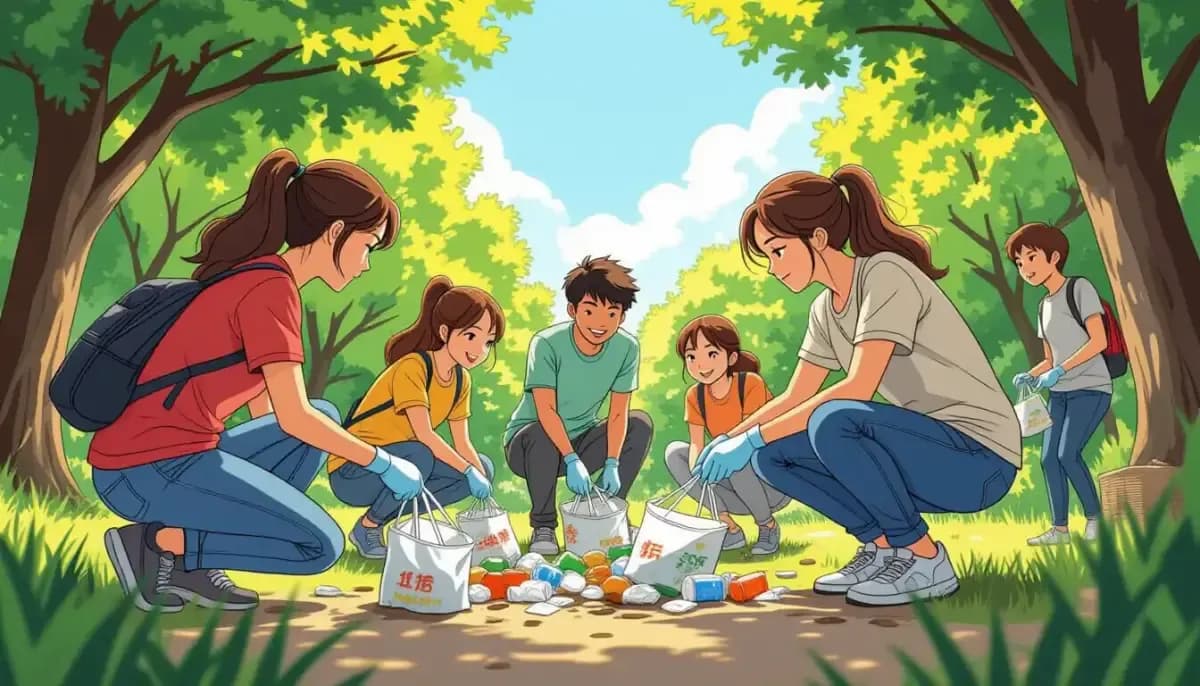
Learn how to join community clean-up events and volunteering activities in Japan as a foreigner. Discover organizations, cultural etiquette, useful phrases, and tips to integrate into Japanese community life.
Community Clean Up Events and Volunteering in Japan: A Foreigner's Complete Guide
Japan is famously clean — and it didn't get that way by accident. Behind the spotless streets and manicured parks is a long tradition of community participation, where neighbors, local groups, and newcomers come together to maintain shared spaces. For foreigners living in Japan, joining a community clean-up event or volunteer initiative is one of the most rewarding ways to connect with locals, practice Japanese, and give back to the country you now call home.
Whether you're a seasoned expat or just arrived, this guide covers everything you need to know about community clean-up events and volunteering in Japan — from finding events near you to understanding the cultural etiquette that makes participation smooth and enjoyable.
Understanding Japan's Culture of Community Cleanliness
Japan's approach to cleanliness is deeply rooted in cultural values. From elementary school children cleaning their own classrooms to businesspeople picking up litter near their offices, the idea that keeping public spaces clean is everyone's responsibility is embedded in Japanese society.
This culture has a name: souji (掃除), meaning cleaning, and gyoji (行事), or community events. Many neighborhoods organize regular chiiiki souji (地域掃除), neighborhood clean-up days, typically on weekend mornings. These aren't just practical exercises — they're social rituals that build community bonds.
According to a 2021 survey, the participation rate of volunteer activities in Japan was 17.8%, a decrease from 26% five years prior, partly due to the COVID-19 pandemic's impact on group activities. However, community engagement remains strong, particularly among older residents: the 65–69 age group shows the highest participation rate at 23.4%.
For foreigners, joining these activities sends a powerful message: you're not just passing through — you're part of the community. Research has also shown that individuals who interact more with foreigners tend to volunteer more hours themselves, creating a positive feedback loop of cross-cultural engagement.
Types of Community Clean-Up Events in Japan
Japan offers a wide variety of clean-up and volunteer formats, ranging from informal neighborhood activities to organized NGO events. Here's what you can expect:
1. Neighborhood Clean-Up Days (町内会 Chōnaikai Events)
Most Japanese neighborhoods belong to a chōnaikai (町内会), a residents' association that organizes local activities including periodic clean-up days. These usually happen on weekend mornings and involve:
- Picking up litter along streets, parks, and drainage channels
- Weeding communal garden areas
- Cleaning community center facilities
- Clearing drains and gutters before typhoon season
Participants typically receive gloves and trash bags from the organizer. The event usually lasts 1–2 hours, sometimes followed by tea or light snacks.
How to join: Ask your building manager (管理人, kanri-nin) or check your local notice board (掲示板, keijiban) for upcoming events. You can also ask a Japanese neighbor or your local ward office (区役所, kuyakusho).
2. River and Waterfront Cleanups
Tokyo and other major cities sit along rivers and bays that attract dedicated cleanup crews. Tokyo River Friends, founded in 2017, conducts monthly river and waterfront cleanups. What makes these events special is the social element: after the cleanup, volunteers often share picnics or barbecues by the riverside — a great way to meet people and practice Japanese in a relaxed setting.
Similarly, riverbank and beach cleanups are organized throughout Japan by local governments and environmental NGOs, especially in spring and autumn.
3. Urban Street Cleanups (Green Bird Japan)
Green Bird Japan is a non-profit organization that has been running street cleanups in major cities since 2002. With chapters in Tokyo, Osaka, Fukuoka, Nagoya, and beyond, Green Bird events are:
- Held regularly (often weekly or biweekly)
- Open to all residents, including foreigners
- Social in atmosphere, attracting young professionals
- Conducted in specific neighborhoods like Shibuya, Shinjuku, and Namba
You can find your nearest Green Bird event on their website or via social media. No advance registration is usually needed — just show up wearing comfortable clothes.
4. Park and Nature Clean-Up Events
Local governments frequently organize park maintenance events, particularly in spring (before cherry blossom season) and autumn. These can include:
- Litter collection
- Leaf raking
- Invasive species removal
- Trail maintenance in mountain areas
Nature conservation groups like Japan Nature Guides and local hiking clubs also organize trail cleanup days. These are excellent opportunities to explore Japan's countryside while giving back.
5. Beach Cleanups
Japan's coastline stretches over 29,000 km, and beach cleanups are a popular summer volunteer activity. Organizations like Surfrider Foundation Japan and local municipalities organize seasonal events, particularly in July and August.
Major Volunteering Organizations for Foreigners
Beyond neighborhood clean-ups, several organizations specifically welcome foreign volunteers or operate in English. Here's a summary:
| Organization | Focus | Language | How to Join |
|---|---|---|---|
| HandsOn Tokyo | Various community projects | Bilingual (English/Japanese) | Online registration |
| Green Bird Japan | Urban street cleanups | Japanese (friendly to foreigners) | Show up or social media |
| Tokyo River Friends | River & bay cleanups | Japanese + English welcoming | Meetup / Facebook |
| Second Harvest Japan | Food bank volunteering | No Japanese required | Website registration |
| Japan International Volunteer Center | NGO support, translation | English OK | Direct contact |
| Metropolis Japan | Various events listed | English | Events page |
HandsOn Tokyo is particularly popular with expats. They list bilingual volunteer opportunities on their website and app, allowing you to sign up for specific projects — from sports events and art projects to English classes and nursing home visits. Their platform is especially useful because you can filter by date, duration, and language requirement.
Second Harvest Japan, established in 2000 as Japan's first food bank, accepts volunteers from age 12 and does not require Japanese language skills. Shifts are approximately 2.5 hours and involve food sorting and distribution.
For more resources on integrating into Japanese society, see our guide on making friends and social life in Japan.
How to Find Community Events Near You
Finding the right clean-up event depends on where you live and what kind of participation you're looking for. Here are the most reliable methods:
Check Your Ward Office Website
Every city and ward in Japan has a volunteer center (ボランティアセンター, borantia sentā), usually connected to the social welfare council. Tokyo's main hub, the Tokyo Voluntary Action Center (TVAC), lists events across multiple categories — environment, social welfare, international exchange, and more — and staff can help match you to suitable opportunities. Many have English resources or staff.
Join Expat and Community Groups
Online communities are an excellent way to discover events:
- Meetup.com: Search "volunteer Tokyo," "clean up Osaka," or similar terms for your city
- Facebook Groups: "Tokyo Expat Network," "Expats in Japan," and city-specific groups regularly share volunteer event listings
- Internations: This expat network frequently features community service events
Ask at Your Local Community Center (公民館)
Every neighborhood has a kōminkan (公民館), a community center that posts local events. Even if you don't read Japanese, the front desk staff can often point you toward upcoming activities. Bring a phrase or two in Japanese — it goes a long way.
Look for Neighborhood Flyers
In apartment buildings and on public notice boards, you'll often find flyers (チラシ, chirashi) for upcoming events. These are usually posted 1–2 weeks in advance. If you see a clean-up event but aren't sure it's open to foreigners, don't hesitate to show up — in most cases, your presence will be warmly welcomed.
Cultural Etiquette for Participating in Japanese Community Events
Japanese community events have their own unwritten rules. Following these will help you integrate smoothly and earn the respect of your neighbors:
Punctuality is Non-Negotiable
Japanese events start on time, and showing up late — even by five minutes — can be seen as disrespectful. Aim to arrive 5 minutes early so you can receive instructions and gloves before the group moves off.
Follow Instructions Precisely
Even for simple tasks like picking up litter, there may be specific protocols: which bags to use for which type of waste, which areas to cover, where to deposit collected trash. Follow the leader's guidance carefully, even if the task seems obvious.
Dress Appropriately
For outdoor cleanups, wear:
- Comfortable, work-appropriate clothes you don't mind getting dirty
- Closed-toe shoes (sneakers or boots)
- A hat if working in summer sun
- Gloves (usually provided, but bring your own if you have them)
Bring Your Own Water Bottle
Staying hydrated is your responsibility. Don't expect refreshments unless the organizer specifically mentions them.
Say Otsukaresama Deshita (お疲れ様でした)
At the end of any group activity in Japan, participants thank each other with this phrase, which roughly means "you've worked hard." It's a simple but important social gesture that marks the end of shared effort.
Accept Guidance Graciously
If you make a mistake (wrong trash bag, wrong area), Japanese participants will usually correct you politely. Accept it with a smile and a bow — it's not a criticism, just guidance.
Language Tips for Participating Without Fluent Japanese
You don't need to be fluent in Japanese to participate in most community clean-up events. Here are some key phrases that will help:
- 「参加したいんですが」 (Sanka shitain desu ga) — "I'd like to participate"
- 「どこで手伝えますか?」 (Doko de tetsudaemasu ka?) — "Where can I help?"
- 「ゴミ袋はありますか?」 (Gomi-bukuro wa arimasu ka?) — "Do you have trash bags?"
- 「よろしくお願いします」 (Yoroshiku onegaishimasu) — "Please treat me well" (used when starting something together)
- 「お疲れ様でした」 (Otsukaresama deshita) — "Good work" (used at the end)
Most Japanese people will appreciate the effort, even if your pronunciation isn't perfect. A friendly attitude and willingness to follow along counts for more than language ability.
For tips on improving your Japanese to better engage with your community, visit our complete guide to learning Japanese as a foreigner.
Benefits of Participating in Community Events as a Foreigner
Volunteering and participating in community clean-ups offers benefits that go well beyond picking up trash. Here's what you can genuinely expect to gain:
Build Genuine Connections Meeting neighbors outside of transactional settings — at the supermarket or post office — is surprisingly rare in Japan. Community events create a natural context for conversation and relationship-building.
Improve Your Japanese Real-world Japanese — the kind used at clean-up events — is different from textbook Japanese. You'll hear regional dialect, casual speech, and practical vocabulary you won't find in language apps.
Understand Japanese Culture from the Inside Observing how a chōnaikai operates, how decisions are made, and how the group supports each other gives you insight into Japanese social structures that no guidebook can fully convey.
Feel at Home Living abroad can feel isolating. Contributing to the place you live — physically improving it — creates a sense of ownership and belonging that's hard to replicate in other ways.
Strengthen Your Visa Position (Indirectly) Demonstrating community integration can be beneficial when applying for permanent residency. While volunteering isn't formally evaluated, showing you're an active, contributing member of your community supports the broader narrative of your integration.
For more on integrating into daily life in Japan, see our complete guide to daily life in Japan for foreigners.
Getting Started: Your First Step
If you've never volunteered in Japan before, here's a simple action plan:
- Identify your city and ward — Google "[your ward name] ボランティアセンター" to find your local volunteer center
- Browse HandsOn Tokyo or Green Bird — These are the most foreigner-accessible entry points
- Join a Facebook expat group — Ask for recommendations from people in your area
- Visit your local kōminkan — Even just dropping in and asking about upcoming events is a great first step
- Say yes to the next neighborhood flyer — The simplest way to start is to respond to what's already happening around you
You don't need Japanese fluency, special skills, or a long-term commitment. Most clean-up events are just a couple of hours on a Saturday morning. The hardest part is showing up the first time.
For additional guidance on navigating community life as a foreigner, check out these helpful resources:
- Living in Nihon — Community Life for Expats
- For Work in Japan — Integrating into Japanese Society
- Ittenshoku — Finding Your Place in Japan
- Japan Handbook — Volunteering Guide for Expats
- Coto Club — Volunteering Opportunities in Japan
Japan rewards those who make the effort to participate. Step outside, pick up a pair of gloves, and join your neighbors — you might be surprised how much one Saturday morning can change your experience of living here.

Originally from Vietnam, living in Japan for 16+ years. Graduated from Nagoya University, with 11 years of professional experience at Japanese and international companies. Sharing information about living in Japan for foreigners.
View Profile →Related Articles
Japan Secondhand Reuse and Upcycle Culture Guide
Complete guide to Japan's secondhand and upcycle culture. Discover recycle shops, flea markets, online platforms like Mercari, mottainai philosophy, and tips for foreigners living in Japan.
Read more →
Water Conservation Tips for Living in Japan
Learn practical water conservation tips for living in Japan. Discover Japanese bathing culture, smart toilet technology, bath water recycling for laundry, and how to reduce your water bill as a foreigner in Japan.
Read more →
Sustainable and Eco Friendly Housing in Japan
Complete guide to sustainable and eco-friendly housing in Japan for foreigners. Learn about ZEH homes, green certifications, government subsidies, and practical tips for renting or buying an eco-friendly home.
Read more →
Japan Environmental Regulations Affecting Daily Life
A complete guide to Japan's environmental regulations affecting daily life — garbage sorting, recycling laws, noise rules, and public cleanliness standards for foreign residents.
Read more →
Where to Buy Organic Food in Japan
Complete guide to buying organic food in Japan for foreigners and expats. Learn about JAS certification, best organic stores in Tokyo, delivery services, farmer's markets, and money-saving tips.
Read more →
Zero Waste Living Tips for Residents in Japan
Discover how to live a zero waste lifestyle in Japan as a foreigner. Learn Japan's garbage separation rules, eco-friendly apps, zero waste shops, sustainable shopping tips, and the mottainai philosophy that makes Japan a leader in sustainable living.
Read more →