
Zero Waste Living Tips for Residents in Japan

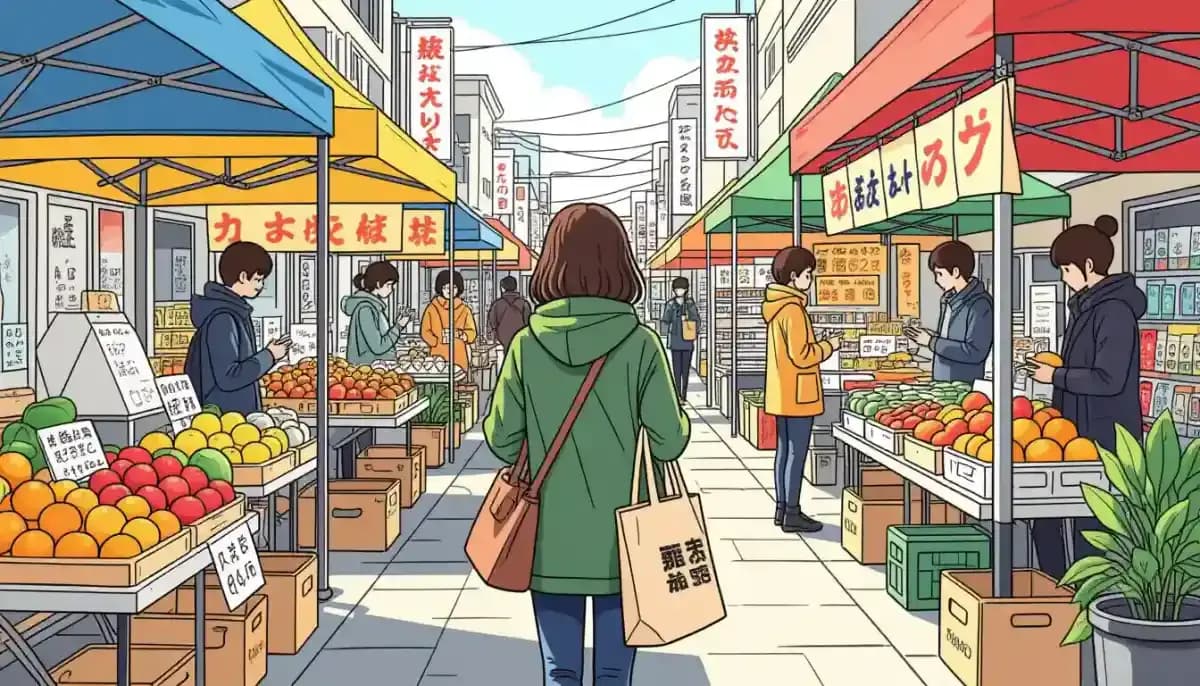
Discover how to live a zero waste lifestyle in Japan as a foreigner. Learn Japan's garbage separation rules, eco-friendly apps, zero waste shops, sustainable shopping tips, and the mottainai philosophy that makes Japan a leader in sustainable living.
Zero Waste Living Tips for Residents in Japan
Moving to Japan often means encountering one of the world's most meticulous waste management systems. From strict garbage separation rules to centuries-old cultural values around frugality, Japan offers both challenges and opportunities for anyone looking to live more sustainably. Whether you're a long-term expat or a new arrival, embracing zero waste living in Japan is not only good for the planet — it's also a way to connect more deeply with Japanese culture and community.
This guide covers everything you need to know about zero waste living in Japan: from mastering the garbage system to discovering eco-friendly shops, apps, and daily habits that make a real difference.
Understanding Japan's "Mottainai" Philosophy
At the heart of Japanese eco culture is the concept of mottainai (もったいない) — a word that expresses deep regret over waste. It can be loosely translated as "what a waste!" but carries a far richer meaning: a philosophy of reducing, reusing, recycling, and respecting all resources.
This philosophy dates back centuries and is woven into Japanese daily life. You'll see it in home cooking where every last ingredient is used, in the tradition of furoshiki (cloth wrapping instead of paper or plastic bags), and in the careful repair of clothing and household items rather than discarding them. For foreigners, understanding mottainai is the first step toward embracing zero waste living in Japan — not as a burden, but as a cultural value.
The mottainai principle aligns perfectly with the modern zero waste movement. Japan's approach treats waste reduction as both an environmental and ethical issue, which makes the country an inspiring place to adopt more sustainable habits. For more on integrating into Japanese life and culture, see our guide on Essential Japanese Manners Every Foreigner Should Know.
Mastering Japan's Garbage Separation System
One of the first things every new resident in Japan must learn is garbage separation (ごみ分別, gomi bunbetsu). Japan enforces strict trash sorting to promote recycling and reduce landfill use — and getting it wrong can lead to social friction or even warnings from your landlord.
The Main Garbage Categories
| Category | Japanese | Typical Examples | Collection Frequency |
|---|---|---|---|
| Burnable (combustible) | 燃えるごみ | Food scraps, paper, cloth, small wood items | 2-3x per week |
| Non-burnable | 燃えないゴミ | Metal, ceramics, glass cups, frying pans | 1-2x per month |
| Plastic recyclables | プラスチックごみ | Packaging with ♻ symbol, plastic containers | 1x per week |
| Resource waste | 資源ごみ | PET bottles, cans, glass bottles, newspapers | 1x per week |
| Large-sized garbage | 粗大ごみ | Furniture, bicycles, mattresses | By appointment |
Key rules to follow:
- Trash must be put out on collection day mornings only (by 8:00 a.m.) — never the night before
- Rinse all recyclables to remove food residue
- Use transparent or semi-transparent bags (opaque or black bags are often rejected)
- Wrap sharp objects in paper labeled "危険" (danger)
- Check your specific municipality's rules — guidelines vary significantly by city
Some areas are remarkably strict. Kamikatsu town in Tokushima Prefecture requires residents to sort garbage into 45 different categories, setting a global record for waste separation detail. Most cities have 5-7 categories, but it's always worth checking the local rules when you move.
About 70% of household waste in Japan is incinerated and roughly 20% is landfilled directly. Japan's government reports an 84% recycling rate — one of the highest in the world — though this figure includes thermal recycling (burning plastic for energy). Only about 27% of collected plastic is actually reprocessed into new material, which underscores the importance of individual efforts to reduce plastic use at the source.
For expats just settling in, check out our How to Set Up Utilities in Your Japan Apartment guide, which also covers waste management registration in your area.
Essential Zero Waste Apps for Life in Japan
Technology makes zero waste living much easier in Japan. Several apps are specifically designed to help residents reduce waste and find sustainable alternatives.
Top Apps for Zero Waste Living
- mymizu — The essential free refill app. Find water refill stations at 200,000+ locations worldwide, including thousands across Japan. Perfect for avoiding single-use plastic bottles on the go.
- Tabete — Reduces food waste by connecting you with restaurants, bakeries, and cafes that have excess food near closing time. Save money while preventing good food from being thrown out.
- Merucari (メルカリ) — Japan's largest secondhand marketplace. Sell unwanted items and buy pre-owned goods instead of new ones. Extremely popular and easy to use even with basic Japanese.
- Mamoru — A sustainable living app that maps zero-waste businesses, ethical retailers, sustainable produce markets, and second-hand stores across Japan.
- Kuradashi — A food loss e-commerce platform that sells near-expiry or surplus food at discounted prices.
- Megloo — A reusable takeaway container system for restaurants, reducing single-use packaging from food deliveries and takeout.
Using these apps consistently can dramatically reduce your household waste and help you discover the growing network of eco-conscious businesses in Japan. For broader lifestyle tips in Japan, Living in Nihon is a helpful resource covering daily life and practical guides for foreign residents.
Shopping Zero Waste: Where to Shop in Japan
Japan's shopping culture has historically been heavy on packaging — products are often wrapped multiple times in plastic. But the zero waste retail scene is growing fast, with dedicated stores and markets offering package-free alternatives.
Zero Waste and Bulk Stores
- Nue by Totoya (Tokyo) — A bulk shop where customers bring their own containers and fill them with grains, spices, oils, and other pantry staples. Located in Tokyo and part of the growing zero-waste retail movement.
- Zero Waste Market Totoya (Kyoto) — Japan's first zero-waste supermarket. Sells package-free products across a wide range of categories, from food to cleaning supplies.
- Ecostore Papalagi (Kanagawa) — A plastic-free, ocean-focused retailer offering sustainable household and personal care products.
- Local farmers' markets — Many cities host regular farmers' markets where you can buy locally grown, seasonal produce directly from farmers, often without excess packaging.
Practical Shopping Swaps
Making small swaps in your shopping habits can significantly reduce plastic waste over time:
| Single-Use Item | Zero Waste Alternative |
|---|---|
| Plastic bags | Reusable cloth bags (eco bag / エコバッグ) |
| Plastic wrap (Cling film) | Beeswax wrap or silicone lids |
| Plastic water bottle | Reusable bottle + mymizu app for refills |
| Disposable razors | Safety razor or zero-waste alternatives |
| Plastic toothbrush | Bamboo toothbrush |
| Plastic storage containers | Glass jars or silicone bags |
| Paper towels | Reusable microfiber cloths or furoshiki |
Since October 2020, Japan introduced charges for plastic shopping bags at retail stores. Many Japanese people already carry their own eco bags (エコバッグ), and you'll quickly adopt this habit too. For a comprehensive guide on Japanese Grocery Shopping, including how to navigate supermarkets as a foreigner, see our dedicated guide.
Reducing Food Waste in Your Japanese Kitchen
Food waste is a major issue globally, and Japan is no exception — but Japanese cuisine and cooking philosophy offer many built-in solutions. Embracing traditional Japanese food practices naturally reduces waste.
The Ichiju-Sansai Approach
The traditional Japanese meal structure of ichiju-sansai (一汁三菜) — one soup, three side dishes — promotes balanced, portion-controlled eating that minimizes leftovers. This structure encourages using seasonal, fresh ingredients in modest quantities rather than preparing large amounts of food that may go uneaten.
Fermentation and Preservation
Japanese cuisine has a long tradition of fermentation and preservation: pickling (tsukemono), fermenting soybeans (natto, miso), and making rice vinegar. These techniques extend the shelf life of ingredients and are excellent ways to use up vegetables before they spoil. Even in a small Japanese apartment, you can make simple pickles in a jar with salt, vegetables, and a weight.
Composting Tips for Apartment Dwellers
Composting in a small Japanese apartment is possible with a few approaches:
- Bokashi composting — A fermentation-based system that works in a sealed bucket, producing no odor. Widely available at hardware stores (home centers) in Japan.
- Balcony composting — Mix fruit and vegetable scraps with water, brown leaves, and coffee grounds in a container on your balcony or veranda. After several weeks, use the compost as soil enrichment.
- Community gardens — Some neighborhoods have community gardens that accept organic waste for composting.
The Tabete app is also invaluable for reducing food waste on a broader level — you can pick up surplus food from nearby eateries at discounted prices, preventing it from going to landfill. For insights into working life and sustainable careers in Japan, For Work in Japan offers practical guidance for foreign professionals.
Sustainable Fashion and Second-Hand Shopping
Japan has a thriving second-hand culture, making it easy to build a sustainable wardrobe without buying new. The Japanese concept of mono no aware (物の哀れ) — an appreciation for the transience of things — encourages valuing and caring for objects rather than constantly replacing them.
Where to Shop Second-Hand in Japan
- Hard Off / Book Off / Mode Off — A chain of second-hand stores found across Japan with excellent selections of clothes, electronics, books, and household items at low prices.
- Mercari (メルカリ) — Japan's dominant secondhand app. Listings are in Japanese, but with basic translation tools you can navigate it easily.
- Flea markets — Held regularly in parks, shrine grounds, and city centers. Great for finding vintage clothing, kitchenware, and furniture.
- Clothing swaps — Increasingly popular in expat communities and sustainable living groups. Check Facebook groups and Meetup for events in your city.
- Recycle shops (リサイクルショップ) — Found in most neighborhoods, these stores buy and resell used goods from households. Excellent for furnishing a new apartment sustainably.
When you first move to Japan, furnishing your apartment with second-hand items from recycle shops or Mercari is not only eco-friendly but also significantly cheaper. Our Renting an Apartment in Japan guide covers other tips for settling in affordably and sustainably.
Japan's Environmental Policy and Your Role as a Resident
Japan has ambitious environmental goals. By 2030, the government aims to increase the recycling rate by 10% and reduce the total disposal rate by 25%. The March 2025 OECD Environmental Performance Review praised Japan for progress in reducing energy use, greenhouse gas emissions, air pollution, and waste — while also noting that Japan remains one of the world's top consumers of single-use plastic.
As a foreign resident, you play an important role in Japan's environmental future. Following garbage separation rules carefully, reducing plastic consumption, and supporting local zero-waste businesses all contribute to community and national sustainability goals.
Japan's 2030 targets also include significant reductions in food waste, plastic pollution, and carbon emissions. The mottainai spirit — applied to all aspects of daily life — is Japan's answer to these challenges. For a broader understanding of the cost and lifestyle implications of living in Japan, see our Cost of Living in Tokyo Breakdown.
For detailed research on Japan's waste management system and eco-friendly living practices, Earth.org's Japan Waste Management Report and Aikagi's Sustainable Living in Japan guide offer comprehensive data and insights.
Building a Zero Waste Community in Japan
Living zero waste is much easier — and more enjoyable — when you have a community around you. Japan has a growing network of sustainability-focused groups, events, and resources that are increasingly welcoming to international residents.
How to Find Your Zero Waste Community
- Facebook and Meetup groups — Search for "zero waste Japan," "sustainable living Tokyo/Osaka," or "expat eco Japan" to find active communities
- Sustainability events — Cities regularly host cleanup events (gomi hiroi), community composting workshops, and zero-waste market days
- International community centers — Many cities have international community centers (kokusai koryu center) with bulletin boards listing local sustainability initiatives
- Apps — The Mamoru app lists sustainable businesses and events across Japan, making it easy to discover eco-conscious meetups
Connecting with the local zero waste community also helps you navigate Japan's sometimes complex waste rules, get tips on the best second-hand shops in your area, and find support from both Japanese locals and fellow expats who share your values.
For more resources on integrating into Japanese community life, see our guides on How to Find a Job in Japan as a Foreigner and Moving to Japan Guide — both of which cover broader aspects of building a sustainable, fulfilling life in Japan.
Conclusion: Living Zero Waste in Japan Is Possible — and Rewarding
Japan's strict garbage system and deep cultural respect for resources make it one of the world's best countries for adopting a zero waste lifestyle. While the learning curve for garbage separation can be steep at first, it quickly becomes second nature — and many expats find that Japan's environmental culture makes them more mindful consumers than they ever were at home.
The combination of mottainai philosophy, practical apps like mymizu and Tabete, a booming second-hand market, and a growing community of sustainability enthusiasts means you have everything you need to live with minimal waste in Japan. Start with the basics — master your garbage sorting, get a reusable bag and water bottle, and explore your local recycle shops — and build from there.
Zero waste living in Japan is not just about reducing waste. It's about living more intentionally, connecting with Japanese culture at a deeper level, and contributing to a country that is working hard to protect its environment for future generations.
For more information on daily life in Japan as a foreigner, explore Living in Nihon for comprehensive expat guides, For Work in Japan for career and lifestyle resources, and Ittenshoku for insights on career transitions and building a life in Japan.

Originally from Vietnam, living in Japan for 16+ years. Graduated from Nagoya University, with 11 years of professional experience at Japanese and international companies. Sharing information about living in Japan for foreigners.
View Profile →Related Articles
Japan Secondhand Reuse and Upcycle Culture Guide
Complete guide to Japan's secondhand and upcycle culture. Discover recycle shops, flea markets, online platforms like Mercari, mottainai philosophy, and tips for foreigners living in Japan.
Read more →
Water Conservation Tips for Living in Japan
Learn practical water conservation tips for living in Japan. Discover Japanese bathing culture, smart toilet technology, bath water recycling for laundry, and how to reduce your water bill as a foreigner in Japan.
Read more →
Sustainable and Eco Friendly Housing in Japan
Complete guide to sustainable and eco-friendly housing in Japan for foreigners. Learn about ZEH homes, green certifications, government subsidies, and practical tips for renting or buying an eco-friendly home.
Read more →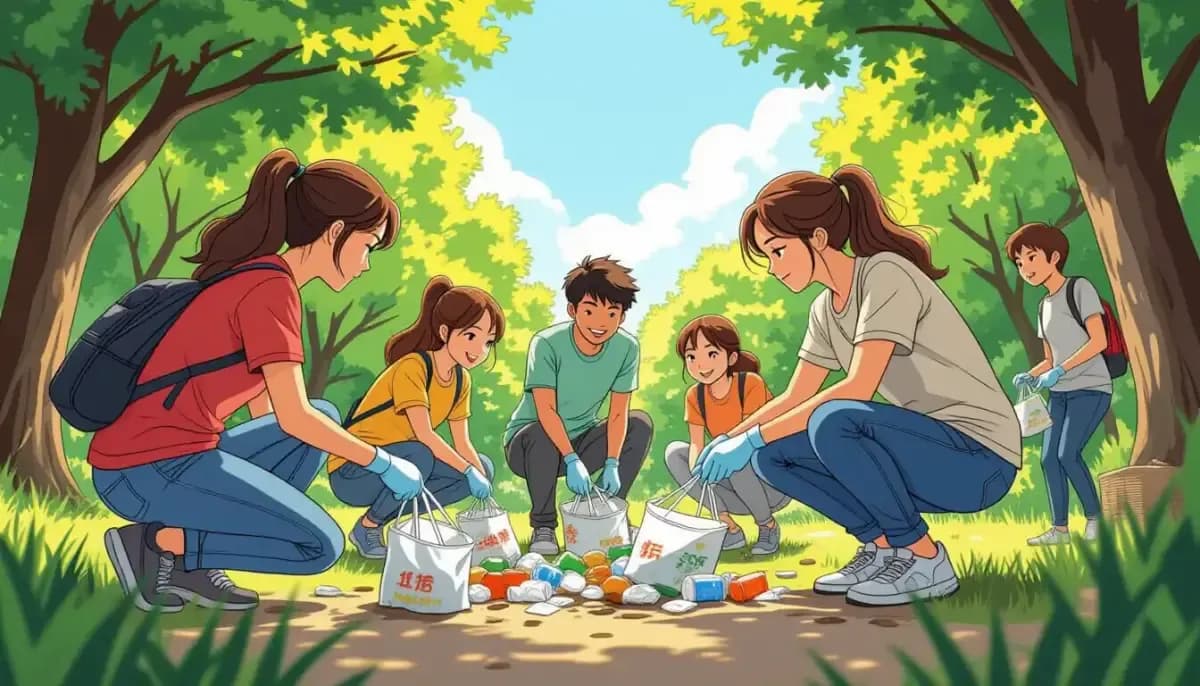
Community Clean Up Events and Volunteering in Japan
Learn how to join community clean-up events and volunteering activities in Japan as a foreigner. Discover organizations, cultural etiquette, useful phrases, and tips to integrate into Japanese community life.
Read more →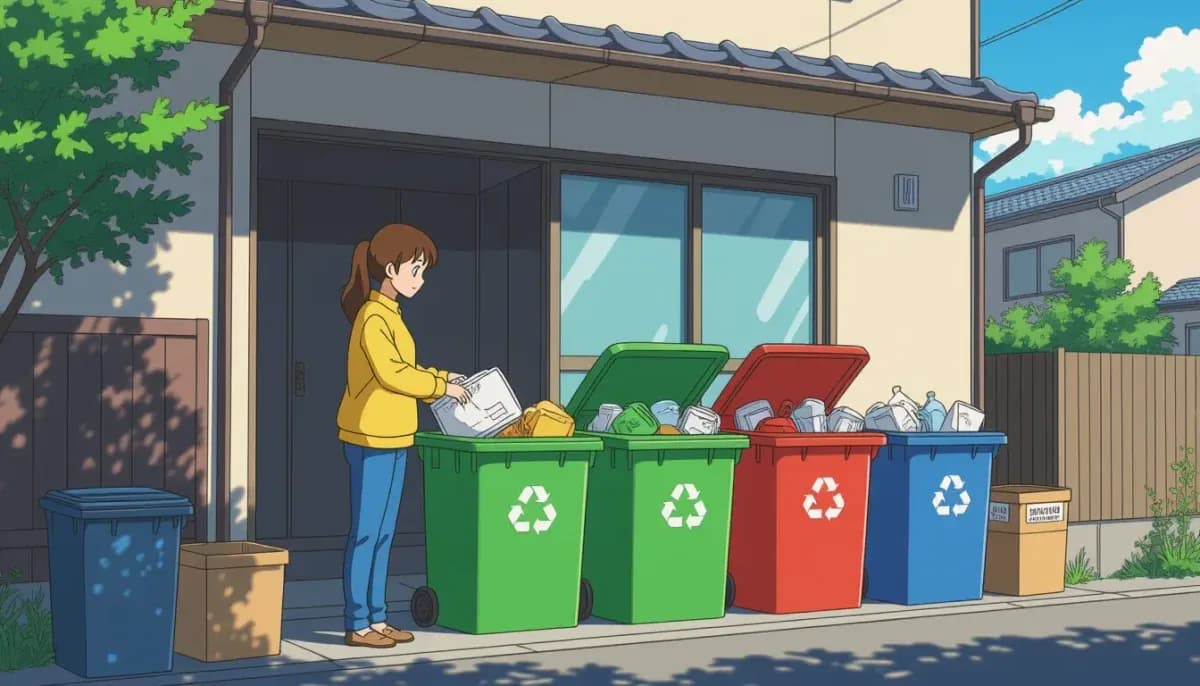
Japan Environmental Regulations Affecting Daily Life
A complete guide to Japan's environmental regulations affecting daily life — garbage sorting, recycling laws, noise rules, and public cleanliness standards for foreign residents.
Read more →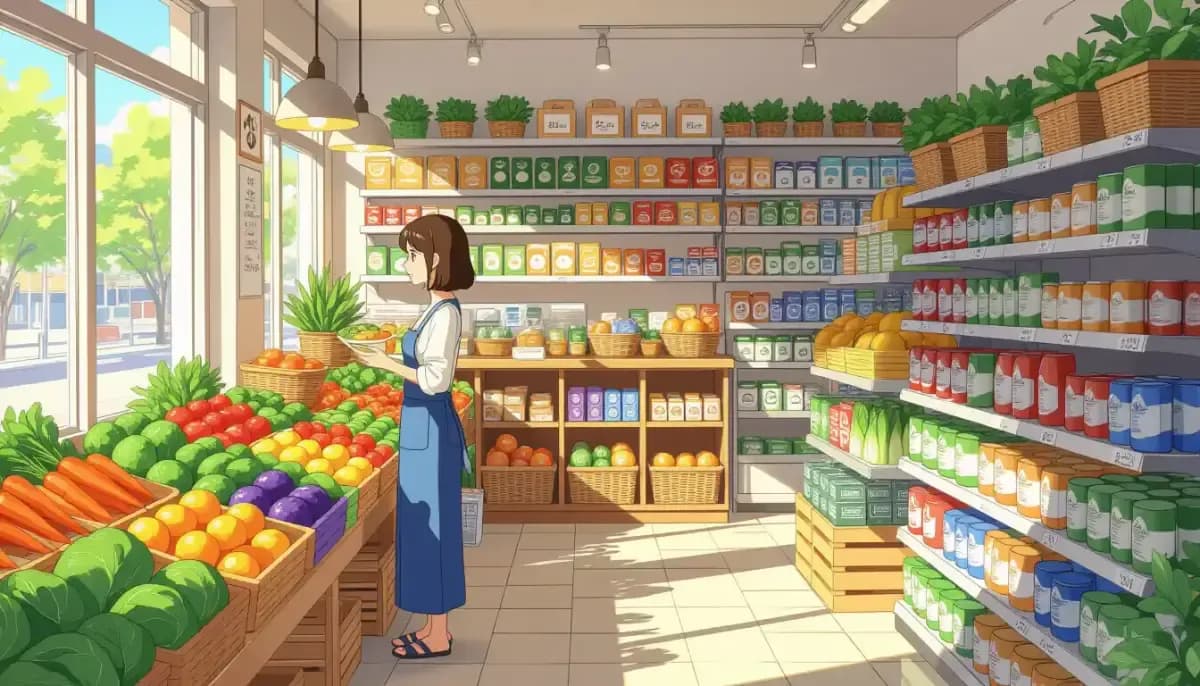
Where to Buy Organic Food in Japan
Complete guide to buying organic food in Japan for foreigners and expats. Learn about JAS certification, best organic stores in Tokyo, delivery services, farmer's markets, and money-saving tips.
Read more →