
Where to Buy Organic Food in Japan

Complete guide to buying organic food in Japan for foreigners and expats. Learn about JAS certification, best organic stores in Tokyo, delivery services, farmer's markets, and money-saving tips.
Where to Buy Organic Food in Japan: The Complete Guide for Foreigners
If you're living in Japan and want to eat organic, you might feel overwhelmed at first. Organic food labeling in Japan is strictly regulated, store availability varies by region, and reading Japanese labels can be a challenge. The good news? Japan's organic food scene is thriving and growing fast — and once you know where to look, shopping organic becomes surprisingly straightforward.
This guide covers everything you need to know about buying organic food in Japan, from understanding the official JAS certification system to finding the best stores, markets, and delivery services for your lifestyle.
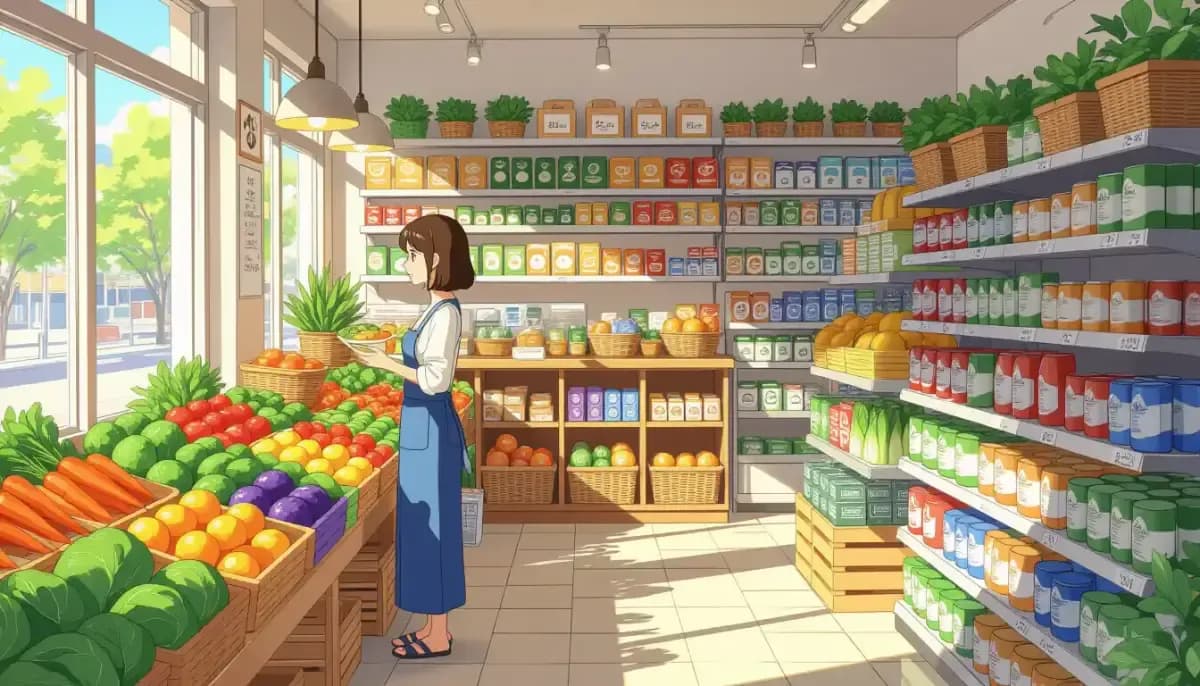
!Organic food store in Japan with fresh vegetables and JAS certified products on display

Understanding Japan's Organic Certification: The JAS Label
Before you start shopping, you need to understand how Japan certifies organic products. The JAS (Japanese Agricultural Standards) system is the only legally recognized organic certification in Japan. If a product doesn't carry the green JAS organic logo, it cannot legally be sold as "organic" (有機 / yuuki) in Japan.
This strict regulation is actually good news for consumers — it means you can trust the JAS label completely. When you see the green JAS mark on packaging, you know the product meets Japan's rigorous standards, which prohibit synthetic pesticides, chemical fertilizers, and genetically modified organisms.
Important Japanese terms to know:
- 有機 (Yuuki) — Organic (JAS certified)
- 無農薬 (Munōyaku) — Pesticide-free (not the same as JAS certified organic)
- 有機JAS認証 (Yuuki JAS Ninsho) — JAS Organic Certification
- オーガニック (Organikku) — Organic (often used interchangeably with 有機)
Note that "pesticide-free" products are not the same as certified organic. They may still use other agricultural chemicals. Always look for the green JAS mark if you want guaranteed organic certification.
Japan updated its JAS organic standards in 2024–2025: new standards for processed products and animal feed took effect July 31, 2024, and standards for plant and animal origin products became effective January 1, 2025. This means Japan's organic standards are now more comprehensive and stringent than ever.
Dedicated Organic Supermarkets and Health Food Stores
Japan has a growing number of dedicated organic stores, especially in major cities. Here are the best chains to know:
Natural House
One of Japan's most established organic chains, Natural House has multiple locations across Tokyo, with its flagship store near Omotesando (青山店) often called the "mecca" of organic food in Tokyo. The Aoyama location is less than 100 meters from Omotesando Station and carries an enormous selection of fresh produce, packaged foods, supplements, and natural cosmetics. Natural House also operates locations in Shibuya, Shinjuku, and other major Tokyo neighborhoods.
Bio c' Bon
A French-inspired organic supermarket chain with locations in Nakameguro and Jiyugaoka, Bio c' Bon brought European organic shopping culture to Japan. The stores are beautifully designed and carry a wide range of organic produce, wines, specialty ingredients, and imported European organic products. If you're missing the feel of a European organic shop, Bio c' Bon is your closest equivalent in Tokyo.
Crayon House
With locations in Tokyo (Omotesando) and Osaka, Crayon House is more than just an organic store — it's a lifestyle hub promoting organic living, fair trade, and children's welfare. The store carries organic food and products, and the attached restaurant offers an all-you-can-eat organic lunch for around ¥1,550. Crayon House also ships nationwide through its online store.
Natural Foods F&F
An established organic retailer with over 40 years in business and multiple Tokyo locations. F&F works directly with contracted farmers nationwide, ensuring traceability and consistency in their organic produce and packaged goods.
Neighborhood Organic Shops
Beyond the major chains, Tokyo and other large cities have many independent organic specialty stores worth exploring:
| Store Name | Location | Hours | Specialty |
|---|---|---|---|
| ANDFOOD | Setagaya (Shimouma) | 11:00–19:00 (closed Thu) | Farm-to-table, locally sourced |
| Abio Farms Market | Shibuya (Tomigaya) | 11:00–19:00 daily | Broad organic selection |
| Bioral | Kichijoji | 10:30–20:00 | Organic food + natural skincare |
| Nature Bazaar | Ueno | 10:00–17:30 (closed weekends) | Specialty organic goods |
| FOOD&COMPANY | Meguro | Open until 21:00 | Curated organic and artisan foods |
| Ohsawa Japan | Tokyo | Hours vary | Health food + vegetarian café |
!Natural organic food market in Japan with seasonal vegetables and health food products

Organic Sections at Regular Supermarkets
If you don't live near a specialty organic store, don't worry — many mainstream supermarkets carry organic products too:
Aeon (イオン) / MaxValu: Japan's largest supermarket chain offers organic vegetables and products under the Topvalu Green Eye Organic label. This makes JAS-certified organic accessible at affordable prices nationwide. Look for the Green Eye label in the fresh produce section.
Seijo Ishii (成城石井): This premium supermarket chain is found throughout Tokyo and major cities. While not exclusively organic, Seijo Ishii carries an excellent range of organic products, imported organic foods, organic wines, and specialty health items. It's particularly good for organic drinks, coffee, tea, and imported goods.
Costco: If you're a Costco member, the Japanese locations carry a solid range of bulk organic items — organic olive oil, nuts, grains, and produce — often at competitive prices compared to specialty stores.
For more about navigating Japanese supermarkets in general, check out our guide to Japanese food and cooking for foreigners.
Organic Delivery Services in Japan
One of the best-kept secrets for organic food shopping in Japan is the robust home delivery system. Several services specialize in organic and natural food delivery, often offering better prices and more variety than physical stores:
Bio Marche (ビオ・マルシェ)
One of Japan's largest organic vegetable delivery services, Bio Marche partners with over 300 farms and guarantees 100% organic JAS certification on all vegetables. They offer trial sets starting at ¥1,500 for 8–9 items, making it easy to try before committing to a subscription. Flexible delivery schedules are available.
Radish Boya (らでぃっしゅぼーや)
One of Japan's most established organic delivery services with 160,000+ users nationwide. Radish Boya applies strict quality standards including radiation testing, and they carry a wide range of organic produce, dairy, meat, and pantry items. Flexible scheduling makes it convenient for busy lifestyles.
Tokyo Vegetable Company
Specializes in locally grown Tokyo-area organic produce from Hachioji, Higashimurayama, Nerima, and Setagaya districts. Great for supporting local farmers and getting the freshest seasonal produce.
Co-op Mirai (コープみらい)
Japan's largest consumer cooperative operates a food delivery service in the Kanto region with organic products sourced directly from agricultural cooperatives. If you're in Kanto, Co-op Mirai is worth exploring for reliable, affordable organic delivery.
Horizon Farms
A premium organic and natural food delivery service offering ethically raised gourmet meat and organic produce delivered directly from small family farms. Overnight express delivery is available throughout Japan.
Farmer's Markets and Seasonal Events
Japan's farmer's market scene has grown significantly, and these are great places to find fresh, locally grown organic produce directly from producers:
Earth Garden (アースガーデン): Held regularly at Yoyogi Park in Tokyo, this eco-lifestyle market features organic farmers, natural food vendors, and sustainable living products. A wonderful experience even beyond the shopping.
BioFach Japan Into Organic: Japan's version of the world's largest organic trade fair, this annual event brings together organic producers, distributors, and consumers. A great way to discover new brands and connect with the organic community.
Organic Lifestyle Expo Tokyo: Annual expo focused on organic food, natural cosmetics, and sustainable living.
Yebisu Marche: A small, convenient fresh produce market at Ebisu Station, organized by Marche Japan and focused on food grown in and around Tokyo.
Beyond dedicated events, many neighborhoods have regular morning markets (朝市 / asaichi) where local farmers sell their produce. These often include pesticide-free and low-chemical farming options even if not formally JAS certified.
What to Avoid and What's Safe Non-Organic
Not everything needs to be organic. Understanding which produce carries the highest pesticide risk helps you prioritize your organic spending wisely.
Buy organic when possible (higher pesticide risk):
- Apples, peaches, strawberries
- Tomatoes, peppers, leafy greens (spinach, lettuce)
- Grapes, cherries
- Cabbage, broccoli, celery
Safer to buy conventional (lower pesticide absorption):
- Corn, avocados, pineapple
- Onions, asparagus, eggplant
- Kiwi, grapefruit, mangoes
- Sweet potatoes, mushrooms
This approach — often called the "Dirty Dozen / Clean Fifteen" strategy — helps you stretch your budget while still minimizing pesticide exposure. For more on navigating daily life costs in Japan, see our guide to the cost of living in Japan.
Japan's Organic Market: Growth and Outlook
Japan's organic food sector is one of the fastest-growing in Asia. According to market research, Japan's overall organic food market is expected to grow from $10.55 billion in 2024 to $25.79 billion by 2033, at a compound annual growth rate of 10.44%. In Tokyo specifically, the local organic market is projected to grow at 9.7% annually, expanding from $1.7 billion in 2025 to $3.9 billion by 2033.
This growth is driven by rising health consciousness among Japanese consumers — surveys show that 32.6% of consumers consume organic food at least once a week — along with stronger government support for organic farming and stricter agricultural standards.
For foreigners in Japan, this growth trend means better access, more variety, and eventually more competitive pricing as organic food becomes increasingly mainstream.
Tips for Shopping Organic on a Budget
Organic food can be expensive in Japan, but these strategies help:
- Use delivery trial sets — Bio Marche, Radish Boya, and others offer trial sets at ¥1,480–¥1,980 that let you sample their products cheaply before subscribing.
- Shop seasonal produce — Seasonal organic produce is always cheaper and fresher than out-of-season imports.
- Buy in bulk and freeze — Organic proteins and staples freeze well and save money when bought in larger quantities.
- Grow herbs at home — Herb seeds are available even at convenience stores; growing your own cilantro, basil, or mint cuts costs significantly.
- Look for Aeon's Topvalu Green Eye line — Organic certification at mainstream supermarket prices.
- Join a co-op — Consumer cooperatives like Co-op Mirai often offer organic produce at better prices than specialty stores.
- Attend farmer's markets — Buying directly from producers often means better prices and higher freshness.
For more food shopping tips and navigating daily life in Japan, visit Living in Nihon's food and shopping guide for practical advice tailored to foreigners.
Online Resources and Communities
JONA (Japan Organic & Natural Foods Association): Japan's leading nonprofit for organic food advocacy. Their Instagram highlights local organic brands and farms. Website: jona-japan.org/english
Leafearth: A database of certified organic restaurants in Japan — helpful if you want to eat organic when dining out.
MAFF (Ministry of Agriculture, Forestry and Fisheries): Japan's official government page on JAS organic standards: maff.go.jp/e/policies/standard/specific/organic_JAS.html
For foreigners navigating Japan's food and daily life systems, the team at For Work in Japan also provides useful context about Japan's food service industry and how food culture shapes daily work life. Additionally, Ittenshoku offers broader guidance for foreigners building their life in Japan.
For more on shopping in Japan generally, check out our complete shopping guide for foreigners in Japan, and for daily life tips, see our guide to daily life in Japan for foreigners.
Conclusion
Finding organic food in Japan is entirely doable once you know the landscape. Start with the JAS certification label — it's your guarantee of genuine organic status. Explore dedicated stores like Natural House and Bio c' Bon in major cities, use the organic sections at Aeon for everyday shopping, and consider a delivery service like Bio Marche or Radish Boya for consistent access to certified organic produce.
As Japan's organic market continues to expand, more options are becoming available even outside major cities. Whether you're health-conscious, environmentally motivated, or simply prefer knowing what goes into your food, Japan's growing organic ecosystem has something to offer every foreigner living here.

Originally from Vietnam, living in Japan for 16+ years. Graduated from Nagoya University, with 11 years of professional experience at Japanese and international companies. Sharing information about living in Japan for foreigners.
View Profile →Related Articles

Japan Secondhand Reuse and Upcycle Culture Guide
Complete guide to Japan's secondhand and upcycle culture. Discover recycle shops, flea markets, online platforms like Mercari, mottainai philosophy, and tips for foreigners living in Japan.
Read more →
Water Conservation Tips for Living in Japan
Learn practical water conservation tips for living in Japan. Discover Japanese bathing culture, smart toilet technology, bath water recycling for laundry, and how to reduce your water bill as a foreigner in Japan.
Read more →
Sustainable and Eco Friendly Housing in Japan
Complete guide to sustainable and eco-friendly housing in Japan for foreigners. Learn about ZEH homes, green certifications, government subsidies, and practical tips for renting or buying an eco-friendly home.
Read more →
Community Clean Up Events and Volunteering in Japan
Learn how to join community clean-up events and volunteering activities in Japan as a foreigner. Discover organizations, cultural etiquette, useful phrases, and tips to integrate into Japanese community life.
Read more →
Japan Environmental Regulations Affecting Daily Life
A complete guide to Japan's environmental regulations affecting daily life — garbage sorting, recycling laws, noise rules, and public cleanliness standards for foreign residents.
Read more →
Zero Waste Living Tips for Residents in Japan
Discover how to live a zero waste lifestyle in Japan as a foreigner. Learn Japan's garbage separation rules, eco-friendly apps, zero waste shops, sustainable shopping tips, and the mottainai philosophy that makes Japan a leader in sustainable living.
Read more →