
Best Eco Friendly Products Available in Japan

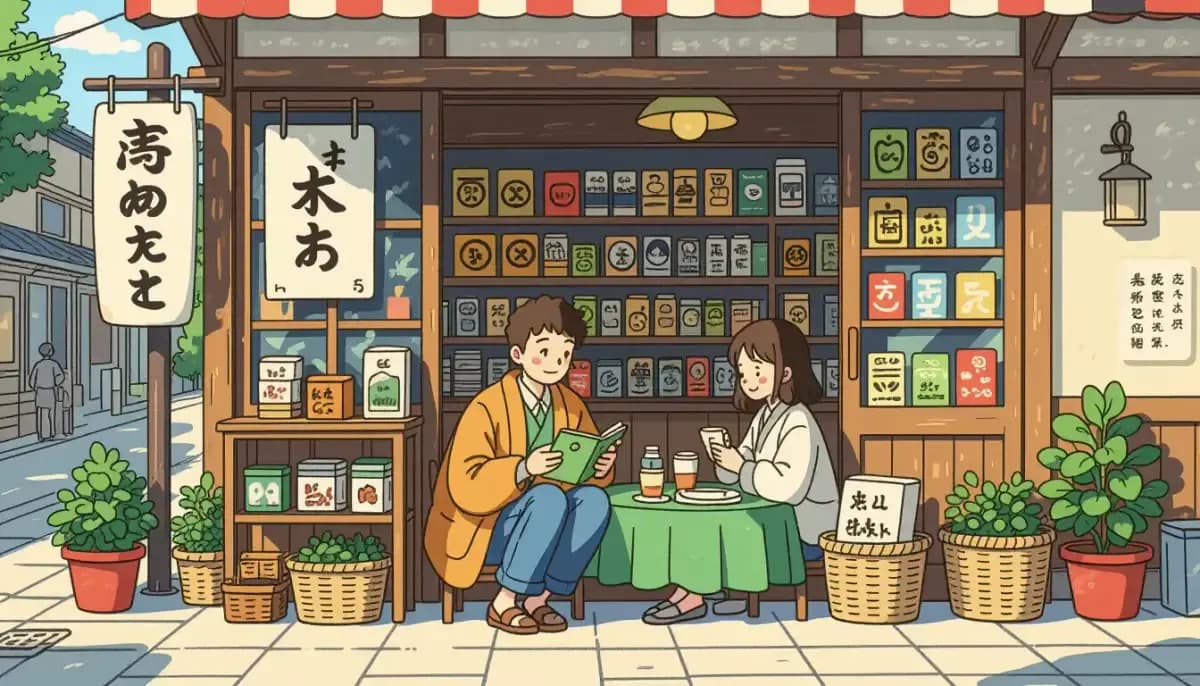
Discover the best eco-friendly products available in Japan, from beeswax wraps and diatomaceous earth mats to zero-waste stores and sustainable fashion brands. Complete guide for foreigners living in Japan.
Best Eco-Friendly Products Available in Japan: A Complete Guide for Foreigners
Japan has long been at the forefront of combining traditional values with modern innovation, and nowhere is this more evident than in its growing eco-friendly products market. From the ancient concept of mottainai (もったいない) — a deep sense of regret over waste — to cutting-edge sustainable technologies, Japan offers foreigners a rich landscape of green choices. Whether you are newly arrived or a long-term resident, this guide will walk you through the best eco-friendly products available in Japan, where to find them, and how to embrace a sustainable lifestyle in your adopted home.
With Japan's green packaging market projected to grow from USD 19,082 million in 2023 to USD 28,358 million by 2032, and natural cosmetics climbing at a 6.1% annual rate, sustainable consumption is becoming mainstream — not just a niche trend. This guide is your starting point to shop smart and live green in Japan.
Why Eco-Friendly Shopping Matters in Japan
Japan holds a unique position in the global sustainability conversation. On one hand, it has a powerful culture of craftsmanship, repairability, and minimal waste. On the other, it is one of the world's largest consumers of single-use plastics and packaging. This contrast creates both challenges and opportunities for eco-conscious foreigners living here.
According to consumer surveys, about 45% of Japanese respondents say it's important that the products they buy are environmentally friendly. Furthermore, over 70% of Japanese consumers prefer products with biodegradable packaging, according to the Japan Packaging Institute. However, only 38% are willing to pay a premium for sustainable products — well below the global average of 55% — making price-competitive eco products especially popular here.
The good news? Japan's extensive retail network, from 100-yen shops to specialty zero-waste stores, means eco-friendly alternatives are often surprisingly affordable and accessible. Understanding the market helps foreigners make better choices for their health, wallet, and the planet.
For a broader look at daily living in Japan, check out our guide on Daily Life in Japan for Foreigners.
Best Eco-Friendly Household Products in Japan
Japan's home goods sector is a hotbed of innovation in sustainable products. Here are the top categories and specific items worth adding to your home:
1. Mitsurou Wraps (みつろうラップ)
Mitsurou wraps are Japan's answer to disposable plastic wrap. Made by infusing natural beeswax and plant-based oils into cotton fabric, they are washable, reusable, and biodegradable. They adhere naturally to surfaces when warmed by your hands, making them perfect for wrapping vegetables, cheese, bread, and bowls. Many come in beautiful Japanese patterns, making them popular as eco-friendly gifts.
Where to find them: Specialty eco shops, online at Amazon Japan, or at zero-waste stores like Nue in Tokyo.
2. Diatomaceous Earth Bath Mats (珪藻土バスマット)
One of Japan's most distinctive eco-home innovations, diatomaceous earth bath mats are made from fossilized algae that absorbs moisture almost instantly. Unlike conventional fabric mats, they require no washing, prevent bacterial buildup, and last for years. They are also naturally hypoallergenic, making them ideal for households with children or allergy sufferers.
Where to find them: Home goods stores like Nitori, Tokyu Hands, and Loft.
3. Natural Cleaning Powders
Instead of chemical-heavy cleaning sprays, many Japanese households rely on simple, multi-purpose natural powders:
- 重曹 (Jūsō) — Baking soda, great for scrubbing and deodorizing
- クエン酸 (Kuensan) — Citric acid, ideal for removing limescale from kettle and bathroom
- セスキ炭酸ソーダ (Sesqui Tansanso-da) — Sodium sesquicarbonate, a powerful natural cleaner
These are widely available at drug stores, 100-yen shops, and supermarkets for just 100–300 yen per pack — far cheaper than most commercial cleaners.
4. Reusable Water Bottles and Tumblers
Japan's thermal bottle technology is world-class. Brands like Thermos, Zojirushi, and Tiger produce vacuum-insulated stainless steel bottles that keep drinks hot or cold for 6–24 hours. Many cafes now offer small discounts (typically ¥20–50) for customers who bring their own cups, making reusable bottles both eco-friendly and wallet-friendly.
5. Acrylic Scrubbing Brushes (アクリルたわし)
Acrylic scrubbing cloths can clean dishes effectively without any detergent, significantly reducing chemical runoff. They are popular in Japan's DIY (手作り) culture, and ready-made versions are sold at 100-yen shops. Using these can dramatically cut your cleaning product consumption.
| Product | Price Range | Where to Buy | Eco Benefit |
|---|---|---|---|
| Mitsurou Wraps | ¥800–2,500 | Eco shops, Amazon JP | Replaces plastic wrap |
| Diatomaceous Earth Mat | ¥1,000–3,500 | Nitori, Loft | No washing needed |
| Natural Cleaning Powders | ¥100–300 | Drug stores, 100-yen shops | Replaces chemical cleaners |
| Reusable Water Bottle | ¥2,000–6,000 | Department stores, sports shops | Reduces plastic waste |
| Acrylic Scrubbing Brush | ¥100–500 | 100-yen shops | No detergent needed |
Eco-Friendly Fashion and Clothing Brands in Japan
Sustainable fashion is growing rapidly in Japan, with several brands leading the way:
MUJI (無印良品)
MUJI is Japan's most accessible eco-fashion brand. Their organic cotton clothing line uses sustainably sourced materials, and the brand actively promotes a "less is more" philosophy. MUJI also has an in-store recycling program where customers can return worn items.
KAPOK KNOT
This innovative Japanese brand creates outerwear and homeware using kapok down, a plant-based alternative to animal-derived down. Kapok fibers come from the seed pods of kapok trees and require no pesticides or large amounts of water to produce. KAPOK KNOT manufactures locally in Japan, reducing carbon emissions from transportation.
Patagonia Japan
The American outdoor brand with strong environmental ethics has a significant presence in Japan. Patagonia uses recycled polyester, organic cotton, and donates 1% of sales to environmental causes. Their stores often host repair workshops, embodying the mottainai spirit.
Plasticity
This creative Japanese brand upcycles discarded plastic umbrellas into stylish, practical bags and accessories. In a country where millions of disposable umbrellas end up as waste each year, Plasticity's products are a witty and impactful solution.
For tips on navigating Japan's shopping landscape as a foreigner, see our Shopping in Japan Guide for Foreigners.
Zero-Waste Shopping Stores in Japan
Japan's zero-waste retail scene is growing, with dedicated stores making plastic-free shopping increasingly practical:
Nue by Totoya (Tokyo)
Located in Tokyo, Nue offers a wide range of fair-trade, organic, and zero-waste products. Customers can buy nuts, dried fruits, pasta, grains, lentils, chickpeas, cookies, chocolate, tea, herbs, cleaning products, and personal care items — all package-free or in minimal packaging. Bring your own containers and bags for the full zero-waste experience.
Zero Waste Market Totoya (Kyoto)
Opened in 2021, this was Japan's first zero-waste supermarket. It stocks fresh vegetables, beans, nuts, flour, pasta, noodles, seasonings, and more — all sold without single-use plastic. This Kyoto institution has become a model for sustainable retail in Japan.
Natural House and Bio c' Bon (Nationwide)
These chain stores specialize in organic foods and eco-friendly household products, with locations in major cities across Japan. They offer certified organic produce, natural cleaning supplies, and sustainably packaged goods.
Earth Mall with Rakuten (Online)
For convenient online eco-shopping, Earth Mall on Rakuten Ichiba is Japan's leading sustainable shopping platform. Products are labeled as certifiably eco-friendly, organic, or fair-trade, making it easy to shop green without leaving home.
Eco-Friendly Apps and Services in Japan
Technology is making sustainable living easier in Japan:
mymizu
The mymizu app enables users to find free water refill stations at over 200,000 locations worldwide, including thousands across Japan. Simply search the map, fill your reusable bottle, and avoid purchasing single-use plastic bottles. It's free to download and use.
I-Kasa (傘シェアリング)
Instead of buying a cheap disposable umbrella every time it rains (a very common habit in Japan), I-Kasa offers umbrella rental services across Japan. Pay a small fee to borrow an umbrella at stations and shops, and return it at any participating location.
Air Closet
Japan's leading clothing rental subscription service, Air Closet, lets users rotate outfits without buying new clothes. A professional stylist selects items based on your preferences, reducing fashion waste and overconsumption.
For more information about managing daily life in Japan as a foreigner, visit Living in Nihon, a comprehensive resource for expats navigating life in Japan.
Eco-Friendly Personal Care Products in Japan
Japan's personal care market is expanding rapidly in the eco-friendly direction, with the natural and organic cosmetics segment expected to reach USD 2,264 million by 2032.
Recommended Brands
- Cosme Kitchen: Japan's leading retailer of organic cosmetics, with stores nationwide. They stock a wide range of natural skincare, haircare, and body care products.
- KAO (花王): Japan's major consumer goods company has committed to sustainability with their "Kirei Lifestyle Plan," aiming to reduce environmental impact across their product lines including Attack Zero detergent and Merit shampoo with eco-refill packs.
- Shiseido: Has launched numerous natural and organic cosmetic lines and committed to 100% recyclable packaging by 2025.
Practical Eco Swaps for Personal Care
- Shampoo bars (シャンプーバー): Available at Lush Japan and natural health stores
- Eco refill packs (詰め替えパック): Almost every major shampoo, conditioner, and household cleaner brand in Japan sells economical refill pouches, dramatically reducing plastic waste
- Bamboo toothbrushes: Available in eco shops and increasingly in regular drugstores
- Reusable cotton pads: Replace single-use cotton rounds for makeup removal
For guidance on healthcare and personal wellbeing in Japan, see our Healthcare in Japan Guide for Foreigners.
Where Foreigners Can Buy Eco-Friendly Products in Japan
Knowing where to shop makes all the difference. Here is a quick reference guide:
| Store Type | Examples | Best For |
|---|---|---|
| 100-yen shops | Daiso, Seria, Can Do | Reusable bags, cleaning supplies |
| Home goods stores | Nitori, Loft, Tokyu Hands | Eco home items |
| Organic/natural food stores | Natural House, Bio c' Bon | Food, personal care |
| Zero-waste stores | Nue (Tokyo), Totoya (Kyoto) | Package-free shopping |
| Department stores | Isetan, Mitsukoshi, Takashimaya | Premium eco brands |
| Online | Rakuten Earth Mall, Amazon JP | Wide selection, home delivery |
| Outdoor shops | Patagonia, L-Breath, Montbell | Sustainable outdoor gear |
For workers coming to Japan who want to establish a sustainable lifestyle from day one, For Work in Japan provides useful advice on setting up your life in Japan as a foreign professional.
Understanding Japan's Eco Labels and Certifications
When shopping in Japan, look out for these eco certifications on product packaging:
- エコマーク (Ecomark): Japan's primary eco-label, awarded to products that meet environmental standards across their lifecycle
- 有機JAS (Organic JAS): Japan's official organic certification for food and agricultural products
- FSC認証: Forest Stewardship Council certification, found on sustainable wood and paper products
- カーボンオフセット: Carbon offset certification, indicating companies have compensated for their carbon emissions
The ecolabelindex.com database lists all recognized eco-labels used in Japan if you want to research specific certifications. For a comprehensive look at sustainable Japanese brands, Zenbird Media is an excellent English-language resource.
Tips for Sustainable Living as a Foreigner in Japan
Living sustainably in Japan is easier than you might think. Here are practical tips to get started:
- Carry a reusable bag always: Since Japan began charging for plastic bags in 2020, many people now carry eco bags (エコバッグ). Daiso sells foldable ones for just ¥110.
- Use refill packs: Nearly every cleaning and personal care product has a cheaper refill option — buy the refill and reuse your original container.
- Embrace the mottainai spirit: Don't throw things away — repair them, repurpose them, or donate them to second-hand shops (リサイクルショップ).
- Sort your garbage properly: Japan has strict garbage sorting rules (燃えるゴミ, 燃えないゴミ, 資源ゴミ). Proper sorting ensures recyclables actually get recycled.
- Shop at farmers markets: Many cities have weekend farmers markets (ファーマーズマーケット) where you can buy fresh, local, seasonal produce directly from farmers.
- Use the mymizu app: Find free water refill stations near you and ditch single-use plastic bottles.
For comprehensive advice on adapting to Japanese culture and customs as a foreigner, our Japanese Culture and Etiquette Guide is a great resource.
Conclusion: Going Green in Japan
Japan's eco-friendly product market offers an impressive range of options for environmentally conscious foreigners. From the innovation of diatomaceous earth bath mats and kapok down jackets to the philosophy of mottainai embedded in everyday life, sustainable living in Japan is both culturally rich and practically accessible.
The country's strong traditions of craftsmanship, repairability, and minimal waste mean that choosing eco-friendly products often means choosing quality goods that last longer — a win for your wallet and the planet. As Japan's green economy continues to grow, foreigners living here are well-positioned to be part of this positive shift.
Start small: carry a reusable bag, swap to natural cleaning powders, and explore one zero-waste store near you. For more guidance on navigating life in Japan, explore resources at Ittenshoku and GaijinPot's eco living guide.
Related: Shopping in Japan Guide | Daily Life in Japan Guide | Cost of Living in Japan

Originally from Vietnam, living in Japan for 16+ years. Graduated from Nagoya University, with 11 years of professional experience at Japanese and international companies. Sharing information about living in Japan for foreigners.
View Profile →Related Articles
Japan Secondhand Reuse and Upcycle Culture Guide
Complete guide to Japan's secondhand and upcycle culture. Discover recycle shops, flea markets, online platforms like Mercari, mottainai philosophy, and tips for foreigners living in Japan.
Read more →
Water Conservation Tips for Living in Japan
Learn practical water conservation tips for living in Japan. Discover Japanese bathing culture, smart toilet technology, bath water recycling for laundry, and how to reduce your water bill as a foreigner in Japan.
Read more →
Sustainable and Eco Friendly Housing in Japan
Complete guide to sustainable and eco-friendly housing in Japan for foreigners. Learn about ZEH homes, green certifications, government subsidies, and practical tips for renting or buying an eco-friendly home.
Read more →
Community Clean Up Events and Volunteering in Japan
Learn how to join community clean-up events and volunteering activities in Japan as a foreigner. Discover organizations, cultural etiquette, useful phrases, and tips to integrate into Japanese community life.
Read more →
Japan Environmental Regulations Affecting Daily Life
A complete guide to Japan's environmental regulations affecting daily life — garbage sorting, recycling laws, noise rules, and public cleanliness standards for foreign residents.
Read more →
Where to Buy Organic Food in Japan
Complete guide to buying organic food in Japan for foreigners and expats. Learn about JAS certification, best organic stores in Tokyo, delivery services, farmer's markets, and money-saving tips.
Read more →