
Crime and Personal Safety in Japan for Foreigners

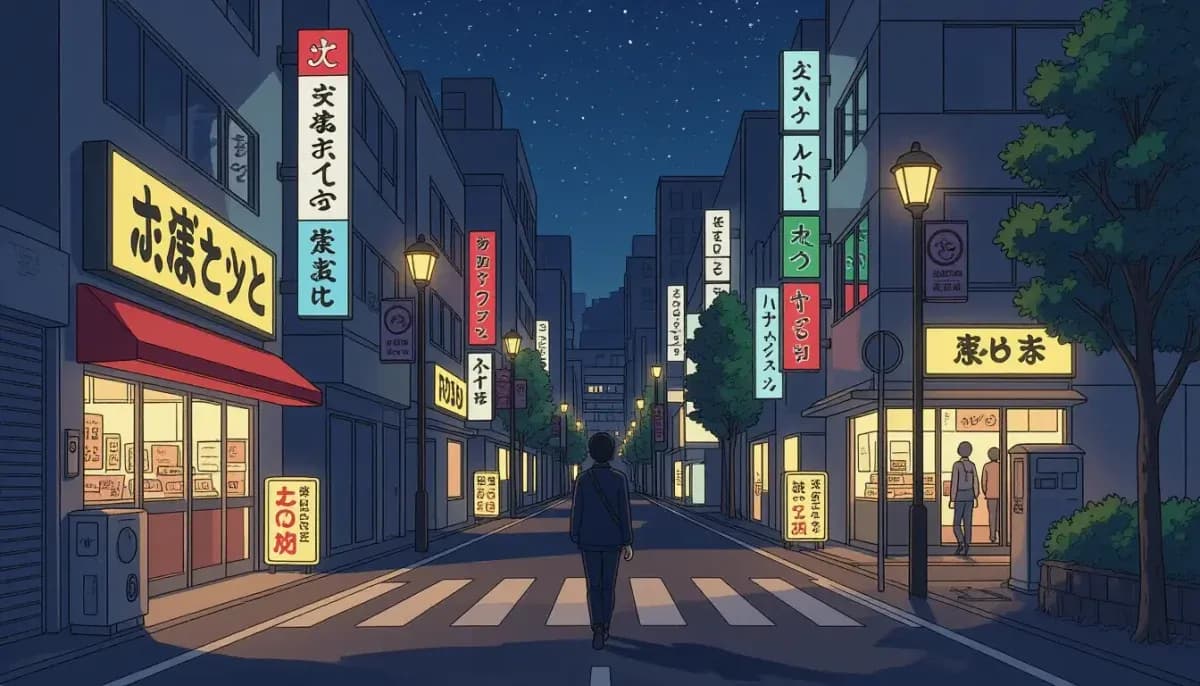
A complete guide to personal safety and crime in Japan for foreigners. Learn about crime statistics, common scams, nightlife risks, police resources, and essential legal rules for expats in Japan.
Crime and Personal Safety in Japan for Foreigners: The Complete Guide
Japan consistently ranks as one of the safest countries in the world, and for good reason. With a Safety Index of 89/100 and some of the lowest violent crime rates among developed nations, Japan offers foreigners an exceptionally secure environment to live, work, and travel. However, "safe" doesn't mean risk-free. Understanding the specific risks that do exist — from petty theft to nightlife scams — will help you stay secure and enjoy your life in Japan to the fullest.
This guide covers everything you need to know about crime, personal safety, and security in Japan as a foreigner, based on real statistics, expat experiences, and practical tips.
How Safe Is Japan? Understanding the Crime Statistics
Japan's crime statistics tell a reassuring story. The country boasts one of the lowest crime rates among developed nations, with violent crime being exceptionally rare. Japan's violent crime rate stands at around 24 per 100,000 people — compared to 500–1,500 per 100,000 in many Western European nations.
For foreigners specifically, the data is equally positive. According to crime analysis by Unseen Japan, only 0.19% of foreign residents in Japan were arrested for criminal offenses in a measured period. This is virtually identical to the 0.15–0.2% rate for Japanese citizens — meaning foreigners are not more likely to commit crimes, nor are they more frequently targeted.
Japan's major cities, including Tokyo, routinely report lower levels of street violence than comparable cities like London, Paris, or New York. The U.S. State Department assigns Japan a Level 1 travel advisory — its lowest, meaning travelers should exercise only normal precautions.
| Safety Metric | Japan | USA | UK |
|---|---|---|---|
| Violent Crime Rate (per 100k) | ~24 | ~366 | ~120 |
| Safety Index Score | 89/100 | 53/100 | 60/100 |
| Pickpocketing Risk | Low | Medium | High |
| Mugging Risk | Very Low | Medium | Medium |
| Scam Risk | Low-Medium | Medium | Medium |
The Most Common Crimes Targeting Foreigners in Japan
While overall crime is low, certain types of crime are more prevalent and more likely to affect foreigners:
Bicycle Theft
Bicycle theft is the single most common crime in Japan, particularly in residential areas. Many expats rely on bicycles for daily commuting, and unattended bikes — even locked ones — can be targeted. Always use a high-quality U-lock rather than cable locks, and register your bike at the local police station (this is actually required by law in Japan).
Pickpocketing in Crowded Areas
While rare by global standards, pickpocketing does occur in Japan's crowded tourist and shopping areas. Common hotspots include:
- Train stations during rush hour (especially Tokyo's major hubs)
- Shopping districts in Shibuya, Harajuku, and Akihabara
- Popular tourist sites in Kyoto during peak season
- Airports
Keep your valuables in front-facing pockets or a secure, zipped bag. Consider a money belt for passports and large amounts of cash.
Home Break-Ins
Break-ins and burglaries do happen in Japan, though at a lower rate than most countries. They often occur when doors and windows are left unlocked. Japanese housing, especially older apartments, may have simple locks that are easier to compromise. Get into the habit of locking all entry points, even when you're home.
Train Harassment (Chikan)
Groping and unauthorized photography on crowded trains are documented issues in Japan. Many rail companies now offer women-only carriages during rush hours. Female expats should be aware of this issue and feel empowered to report it — either to train staff at the next station or by calling the police.
High-Risk Areas and Nightlife Safety
Japan's entertainment districts are where most crime incidents against foreigners occur. The following areas in major cities have higher reported crime rates:
| Area | City | Primary Risk |
|---|---|---|
| Roppongi | Tokyo | Drink spiking, overcharging, credit card fraud |
| Kabuki-cho (Shinjuku) | Tokyo | Scams, aggressive touts, pickpocketing |
| Shibuya/Ikebukuro | Tokyo | Pickpocketing, overcrowding risks |
| Dotonbori/Namba | Osaka | Pickpocketing, tourist scams |
| Gion area (nights) | Kyoto | Unauthorized photography, minor harassment |
The most serious nightlife risk involves drink spiking. Victims often wake up with missing money, fraudulent credit card charges, or worse. To stay safe in entertainment districts:
- Never leave your drink unattended
- Don't accept drinks from strangers
- Stay with friends and have a plan for getting home safely
- Be extremely wary of people who approach you outside clubs offering special deals
For a broader guide to emergency situations in Japan, see our Complete Guide to Safety and Emergency Preparedness.
Common Scams Targeting Foreigners
Japan has fewer scams than most countries, but foreigners — especially new arrivals and tourists — can be targeted:
Overcharging at Bars and Clubs
Some establishments in entertainment districts present foreigners with astronomical bills after a night out. Victims report being charged hundreds or even thousands of dollars for drinks and "table charges." Before entering any bar or club, confirm pricing in writing (or photographed on your phone). If you're hit with an outrageous bill, call the police rather than paying.
Fake Monks and Street Fundraisers
In tourist-heavy areas, individuals dressed as monks may approach you offering "blessings" or small gifts, then present a notebook listing donation amounts. These are not legitimate religious workers. Politely decline and walk away.
Dating App and Romance Scams
Scammers on apps like Tinder and LINE sometimes arrange meetups only to request gift cards or money transfers before meeting. If someone you've never met in person is asking for money or gift cards, it's a scam. Report suspicious accounts to the platform.
Credit Card Skimming
Some establishments — particularly in tourist areas — have been linked to credit card information theft. Use cash in unfamiliar entertainment venues, and regularly check your card statements for unauthorized charges.
For a solid financial foundation that makes managing money in Japan easier and more secure, read our Complete Guide to Banking and Finance in Japan.
Japan's Police System: Your Safety Net
One of Japan's greatest safety assets is its koban system — small police stations positioned throughout neighborhoods. Koban are staffed 24/7 and provide:
- Help with lost items (Japan has an extraordinary lost-and-found culture)
- Directions and local information
- Immediate response to incidents
- Safe spaces if you feel threatened
Key emergency numbers in Japan:
| Service | Number |
|---|---|
| Police (emergency) | 110 |
| Fire/Ambulance | 119 |
| Police (non-emergency advice) | #9110 |
| Japan Helpline (English) | 0570-000-911 |
Japan's lost-and-found culture is legendary: approximately 75% of lost cash in Tokyo is returned to its rightful owner. Wallets, phones, and bags handed in to the police or koban have a remarkably high return rate.
If you don't speak Japanese, you can request an interpreter through the Japan Helpline or contact your country's embassy for consular support.
Legal Rules Every Foreigner Must Know
Certain Japanese laws catch foreigners off-guard, and violations — even unintentional ones — can result in serious consequences:
Drug Laws
Japan has some of the world's strictest drug laws. Possession of marijuana — even a trace amount — can result in up to 7 years in prison and deportation. This applies regardless of whether marijuana is legal in your home country. Prescription medications that are legal elsewhere may also be prohibited in Japan. Always check if your medications are permitted before bringing them into the country.
Weapons Laws
Carrying a knife with a locking blade or a folding blade longer than 5.5 cm is illegal in Japan. This includes many common pocket knives. Leave multipurpose tools with large blades at home.
Drunk Driving
Japan's blood-alcohol driving limit is 0.03% — well below the 0.08% limit common in the US and UK. Penalties include fines of up to $10,000 and imprisonment for up to 5 years. Even a small amount of alcohol before driving can lead to prosecution. Use taxis or public transport after any alcohol consumption.
Carrying Your Residence Card
Foreign nationals in Japan are legally required to carry their residence card (zairyu card) at all times. Police have the right to request it. Keep a digital copy on your phone as a backup, but always have the physical card.
For detailed information on legal status and visa rules, see our Complete Guide to Japan Visa and Immigration.
Safety Tips for Daily Life in Japan
Beyond specific crime categories, here are practical habits that will keep you safe as a foreign resident:
At Home
- Lock all doors and windows even when inside
- Install additional locks on older apartment doors if the existing ones seem weak
- Get to know your neighbors — Japanese communities tend to look out for one another
- Register your bicycle with local authorities and use a quality lock
On Public Transport
- Be mindful of your belongings during rush hour
- Use women-only carriages if available and applicable
- Report any harassment immediately to station staff
Managing Money Safely
- Use IC cards (Suica, Pasmo) instead of carrying large amounts of cash
- Check credit card statements regularly for unauthorized charges
- Use cash at nightlife venues to avoid card skimming risk
Digital Safety
- Be wary of phishing emails disguised as messages from banks, delivery companies, or mobile carriers
- Don't click links in unsolicited SMS messages
- Use strong passwords and two-factor authentication for Japanese banking and government apps
Understanding daily life challenges more broadly — from shopping to transport — can help you navigate Japan with confidence. Our Complete Guide to Daily Life in Japan for Foreigners is a great next read.
Resources for Foreigners Seeking Safety Information
Several excellent resources provide crime and safety information specifically for foreigners in Japan:
- Expats' Guide Japan offers detailed neighborhood-level safety advice and practical expat guides: Crime & Personal Safety in Japan
- TravelSafe Abroad provides regularly updated safety indices and risk assessments for Japan: Japan Safety Report
- Unseen Japan provides nuanced analysis of crime statistics related to foreigners, cutting through common misconceptions: Foreign Crime Rates in Japan
- GaijinPot covers tourist and expat-specific scams with practical avoidance tips: Common Scams in Japan
- Ittenshoku (IT転職) provides career guidance for foreigners working in Japan's IT sector, which complements safety and legal awareness for tech workers: Ittenshoku Career Guide
For expats managing multiple aspects of life in Japan, Living in Nihon provides comprehensive guides on everything from disaster preparedness to housing: Disaster Preparedness Guide.
If you're also navigating work life in Japan, For Work in Japan has resources on housing and infrastructure that complement personal safety planning: Housing & Living Guide.
Conclusion: Staying Safe in Japan as a Foreigner
Japan's reputation as one of the world's safest countries is well-earned and backed by data. Violent crime is extremely rare, lost property is frequently returned, police are accessible and helpful, and communities are generally respectful and law-abiding.
That said, smart safety habits matter everywhere. The risks that do exist — nightlife scams, pickpocketing in tourist areas, bicycle theft, and harsh drug laws — are entirely avoidable with awareness and preparation. Understanding Japan's legal framework and respecting local laws will keep you on the right side of a system that generally treats residents fairly.
Whether you're newly arrived or a long-term resident, staying informed is your best safety tool. Japan rewards those who engage with it thoughtfully — and personal safety is no exception.
For more on building a secure, comfortable life in Japan, explore our Complete Guide to Moving to Japan as a Foreigner.

Originally from Vietnam, living in Japan for 16+ years. Graduated from Nagoya University, with 11 years of professional experience at Japanese and international companies. Sharing information about living in Japan for foreigners.
View Profile →Related Articles
Winter Safety Tips and Cold Weather Guide for Japan
Essential winter safety guide for foreigners in Japan: heating safety, hypothermia prevention, heat shock risks, layering tips, and emergency preparedness for cold weather.
Read more →
Heat Stroke Prevention in Japan Summer Safety Guide
Learn how to prevent heat stroke in Japan's brutal summer heat and humidity. Essential tips on hydration, symptoms, emergency numbers (119, #7119), and Japanese-specific heat prevention strategies for foreigners.
Read more →
How to Prepare for Volcanic Eruptions in Japan
Complete guide for foreigners on volcanic eruption preparedness in Japan. Learn the JMA 5-level alert system, build your emergency kit, and know what to do during an eruption or ash fall.
Read more →
Fire Safety and Prevention in Japan for Residents
Learn essential fire safety tips for living in Japan — from emergency number 119 and smoke detector laws to apartment evacuation routes and fire insurance. A complete guide for foreigners.
Read more →
Japan Emergency Alert System How It Works
Everything foreigners need to know about Japan's J-Alert emergency alert system: how it works, what the sounds mean, why your foreign phone may not receive it, and which apps to install for English alerts.
Read more →
Flood and Landslide Safety in Japan Guide
Everything foreigners need to know about flood and landslide safety in Japan: understanding the 5-level warning system, reading hazard maps, essential apps, evacuation steps, and building a disaster kit.
Read more →