
Best Places to Retire in Japan for Foreigners

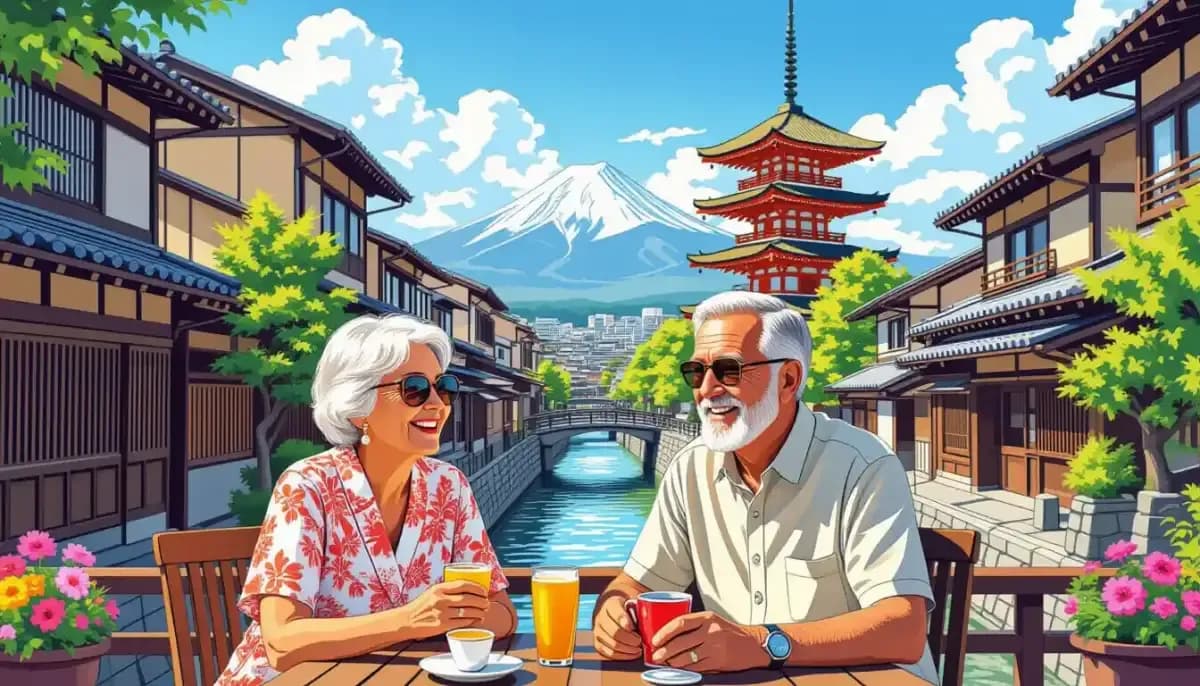
Discover the best places to retire in Japan for foreigners in 2025. Compare costs, climate, healthcare, and lifestyle across Okinawa, Fukuoka, Kyoto, Nagano, Hiroshima, and Kagoshima.
Best Places to Retire in Japan for Foreigners: Your Complete 2025 Guide
Retiring in Japan is a dream for many foreigners — and for good reason. From world-class healthcare and remarkable safety to stunning scenery and a rich cultural heritage, Japan offers an exceptional quality of life for retirees. But where exactly should you settle down? The country spans thousands of miles from tropical Okinawa to snowy Hokkaido, and each region offers a dramatically different retirement experience.
This guide breaks down the best places to retire in Japan for foreigners in 2025, covering monthly costs, lifestyle factors, healthcare access, expat community size, and practical tips for making the move. Whether you're drawn to mountain serenity, coastal warmth, or urban convenience, Japan has a retirement destination to match your vision.
Before diving into specific cities, it's worth noting one critical fact: Japan has no dedicated retirement visa. Unlike Portugal, Thailand, or Panama, Japan does not offer a visa specifically for retirees. You must qualify under an existing visa category — typically a spouse visa, long-term resident status, investor/business visa, or permanent residency. For comprehensive visa information, see our Complete Guide to Japan Visa and Immigration.
!Retired couple walking through a traditional Japanese town with cherry blossoms

1. Okinawa — Best for Warm Weather and Beach Lifestyle
Okinawa is consistently ranked as the top retirement destination in Japan for foreigners. This subtropical island chain sits far south of mainland Japan, delivering warm, tropical weather year-round. With its distinctive Ryukyuan culture, crystal-clear waters, and relaxed pace of life, it's easy to see why retirees flock here.
Why Retirees Love Okinawa
- Climate: Average temperatures of 23°C (73°F) year-round, with warm summers and mild winters
- Beaches: Stunning white-sand beaches and some of the world's best snorkeling and diving
- Longevity: Okinawa is one of the world's famous "Blue Zones," known for exceptional lifespans among residents
- Expat community: One of the largest expat communities in Japan, partly due to the U.S. military presence
- Cost-effective: Lower cost of living than Tokyo or Osaka
Monthly Costs in Okinawa
| Expense | Monthly Cost (JPY) | Monthly Cost (USD) |
|---|---|---|
| 1-bedroom apartment | ¥60,000–90,000 | $390–$580 |
| Groceries (single person) | ¥30,000–40,000 | $194–$258 |
| Utilities | ¥10,000–15,000 | $65–$97 |
| Transportation | ¥10,000–15,000 | $65–$97 |
| Dining out (moderate) | ¥15,000–25,000 | $97–$161 |
| Total (comfortable) | ¥125,000–225,000 | $810–$1,455 |
Potential Drawbacks
- Typhoon season runs May through November, with occasional storms
- Limited number of medical specialists compared to major mainland cities
- Some areas have limited English-language services outside tourist zones
- Getting to and from mainland Japan requires a flight (approximately 2–3 hours to Tokyo)
Okinawa is perfect for retirees who prioritize outdoor living, warmth, and a laid-back community atmosphere. For help finding housing here, see our Complete Guide to Finding Housing in Japan.
2. Kagoshima — Most Affordable Retirement Option
If budget is your top priority, Kagoshima in southern Kyushu is arguably the most cost-effective place to retire in Japan. This city sits in the shadow of the active Sakurajima volcano — a dramatic and striking backdrop for daily life. Despite its natural drama, Kagoshima is a pleasant, modern city with excellent infrastructure.
Why Retirees Choose Kagoshima
- Lowest housing costs of any major Japanese city — rents can be 30–50% lower than Tokyo
- Subtropical climate similar to Okinawa but with all four seasons
- Onsen (hot springs) throughout the region, ideal for relaxation and health
- Government health programs specifically beneficial for retirees over 70
- Ferry connections to Okinawa and the outer islands for island-hopping
Monthly Costs in Kagoshima
| Expense | Monthly Cost (JPY) | Monthly Cost (USD) |
|---|---|---|
| 1-bedroom apartment | ¥35,000–60,000 | $226–$388 |
| Groceries | ¥25,000–35,000 | $161–$226 |
| Utilities | ¥8,000–12,000 | $52–$78 |
| Transportation | ¥8,000–12,000 | $52–$78 |
| Dining out | ¥12,000–20,000 | $78–$129 |
| Total (comfortable) | ¥99,000–165,000 | $640–$1,065 |
The exceptionally low cost of living makes Kagoshima attractive for retirees living on fixed pensions or modest investment income. The city also has a good hospital network and access to Japan's universal healthcare system, which you'll be enrolled in as a legal resident. Learn more about healthcare options in our Complete Guide to Healthcare in Japan for Foreigners.
3. Nagano — Best for Nature Lovers and Active Retirees
Nagano offers a completely different retirement experience: crisp mountain air, dramatic Alpine scenery, and an active outdoor lifestyle. Located in central Honshu, Nagano is famous for hosting the 1998 Winter Olympics and remains a world-class destination for skiing, hiking, and onsen culture.
Why Retirees Love Nagano
- 90 minutes from Tokyo by Shinkansen (bullet train), making city trips easy
- Four distinct seasons with stunning foliage in autumn and world-famous snow in winter
- Skiing and outdoor activities available year-round
- Famous hot springs including Shibu Onsen, known for snow monkeys bathing in natural pools
- Lower cost than Tokyo while maintaining excellent city amenities in Nagano city itself
Monthly Costs in Nagano
| Expense | Monthly Cost (JPY) | Monthly Cost (USD) |
|---|---|---|
| 1-bedroom apartment | ¥55,000–85,000 | $355–$549 |
| Groceries | ¥30,000–40,000 | $194–$258 |
| Utilities (incl. heating) | ¥15,000–25,000 | $97–$161 |
| Transportation | ¥10,000–15,000 | $65–$97 |
| Dining out | ¥15,000–25,000 | $97–$161 |
| Total (comfortable) | ¥120,000–210,000 | $775–$1,355 |
Note that heating costs are significant during Nagano's cold winters. However, many retirees feel this is a worthwhile trade-off for the stunning scenery and outdoor lifestyle. The region is also known for clean air and excellent local produce, including world-famous Shinshu apples and soba noodles.
4. Hiroshima — Best Balanced City for Retirees
Hiroshima offers perhaps the best balance of urban convenience, cultural richness, natural beauty, and affordable living for foreign retirees. Once known primarily for its tragic history, Hiroshima has transformed into a vibrant, forward-looking city with excellent infrastructure and a remarkably welcoming atmosphere.
Why Retirees Choose Hiroshima
- Walkable city with excellent public transportation, including trams
- Mild climate — warmer than much of Honshu, with relatively short and mild winters
- UNESCO World Heritage Sites right in the city (Peace Memorial Park and Miyajima)
- Day trips to Kyoto, Osaka, and Fukuoka via the Shinkansen
- Compact size — easier to navigate than sprawling Tokyo or Osaka
- Growing international community as the city attracts foreign businesses and residents
Monthly Costs in Hiroshima
| Expense | Monthly Cost (JPY) | Monthly Cost (USD) |
|---|---|---|
| 1-bedroom apartment | ¥60,000–90,000 | $388–$581 |
| Groceries | ¥28,000–38,000 | $181–$245 |
| Utilities | ¥8,000–14,000 | $52–$90 |
| Transportation | ¥10,000–15,000 | $65–$97 |
| Dining out | ¥15,000–25,000 | $97–$161 |
| Total (comfortable) | ¥125,000–213,000 | $810–$1,375 |
Hiroshima is also known for excellent medical facilities and is an increasingly popular destination for foreign retirees who want big-city amenities without Tokyo prices.
5. Fukuoka — Best for Vibrant City Life at Lower Cost
Fukuoka is one of Japan's most livable cities and has consistently ranked highly in international quality-of-life surveys. Located on the northern coast of Kyushu, it offers an exciting food scene, vibrant nightlife (if you're into that), modern infrastructure, and easy access to Korea — just a 3-hour ferry ride away.
Why Retirees Love Fukuoka
- Lower cost of living than Tokyo or Osaka while offering equivalent urban amenities
- World-famous food scene — Fukuoka is home to Hakata ramen, mentaiko, and a thriving street food culture
- Excellent transport hub with international airport and Shinkansen connections
- Moderate climate — less humid than Osaka summers, warmer winters than Tokyo
- International community — Fukuoka has made a concerted effort to attract foreign residents and businesses
Monthly Costs in Fukuoka
| Expense | Monthly Cost (JPY) | Monthly Cost (USD) |
|---|---|---|
| 1-bedroom apartment | ¥55,000–85,000 | $355–$549 |
| Groceries | ¥28,000–38,000 | $181–$245 |
| Utilities | ¥8,000–13,000 | $52–$84 |
| Transportation | ¥8,000–12,000 | $52–$78 |
| Dining out | ¥15,000–22,000 | $97–$142 |
| Total (comfortable) | ¥120,000–200,000 | $775–$1,293 |
Fukuoka is ideal for retirees who want the conveniences and excitement of a major city without the overwhelming scale or cost of Tokyo. For a broader look at costs across Japan, see our Complete Guide to Cost of Living in Japan.
6. Kyoto — Best for Cultural Immersion
If you dream of traditional Japan — temple gardens, geisha districts, and ancient ceremonies — Kyoto is your destination. Japan's former imperial capital is arguably the country's most culturally rich city, with over 1,600 Buddhist temples, 400 Shinto shrines, and numerous UNESCO World Heritage Sites.
Why Retirees Choose Kyoto
- Unparalleled cultural richness — walking distance to ancient temples and perfectly preserved neighborhoods
- Low crime rate — among the safest cities in Japan
- Excellent healthcare — home to Kyoto University Hospital and numerous top-tier medical facilities
- Four distinct seasons — cherry blossoms, summer festivals, autumn foliage, winter snow
- Slower pace than Tokyo, more aligned with retirement lifestyle
- Easy access to Osaka and Nara via a short train ride
Potential Drawbacks of Kyoto
- Higher costs than other regional cities — popular neighborhoods command premium rents
- Tourist crowds in peak seasons (spring and autumn) can be intense
- Hot, humid summers with temperatures regularly exceeding 35°C (95°F)
Kyoto is slightly more expensive than Hiroshima or Fukuoka, but many retirees consider the cultural richness worth the premium. Monthly costs typically run ¥150,000–250,000 ($970–$1,615 USD) depending on neighborhood.
Visa Options for Foreign Retirees in Japan
Understanding your legal path to long-term residence is essential. As noted, Japan has no retirement visa. Your main options include:
| Visa/Status | Requirements | Best For |
|---|---|---|
| Spouse Visa | Married to Japanese national or permanent resident | Most common path for many foreign retirees |
| Permanent Residency (PR) | Typically 10 years of legal residence | Long-term residents who qualify |
| Long-Term Resident Visa | Special categories (e.g., spouse of former Japanese) | Specific family situations |
| Business/Investor Visa | Starting or investing in a Japanese company | Those with capital to invest |
| Tourist Visa | 90 days maximum (varies by nationality) | Short stays only — not a long-term solution |
Many foreigners pursue the spouse visa route if married to a Japanese national. Others work toward permanent residency after a decade of legal residence, which then allows indefinite stay without employment requirements.
For detailed guidance on visa applications, requirements, and processes, check the comprehensive resources at Living in Nihon's Retirement Planning Guide and the For Work in Japan Housing Guide for settlement practicalities.
Healthcare for Foreign Retirees in Japan
Japan's healthcare system is one of its biggest draws for foreign retirees. The country consistently ranks among the world's best for healthcare quality, accessibility, and outcomes. As a legal resident, you'll be enrolled in Japan's national health insurance (Kokumin Kenko Hoken), which covers approximately 70% of medical costs — you pay just 30%.
Key healthcare facts for retirees:
- After age 70, your co-pay reduces to 20%; after 75, it drops to 10%
- Japan has one of the highest ratios of physicians and hospital beds per capita globally
- Major cities have international hospitals and English-speaking doctors
- Prescription drug costs are generally very low compared to Western countries
This is one area where Japan genuinely excels. For more details, see our Complete Guide to Healthcare in Japan for Foreigners.
!Healthcare facility in Japan with modern medical equipment

Financial Planning for Retirement in Japan
Financial preparation is critical for a successful retirement in Japan. Here are the key numbers to know:
- Recommended savings: 20 million yen (~$138,700 USD) is commonly cited as a comfortable retirement nest egg in Japan
- Average comfortable monthly budget: ¥150,000–200,000 ($1,000–$1,300 USD) for a single person
- Couple's budget: ¥250,000–350,000 ($1,600–$2,270 USD) per month for comfortable living
- Japan ranks 22nd globally for retirement security according to the Natixis Global Retirement Index
As of 2024, Japan had a record 36.25 million people aged 65 and over, accounting for 29.3% of the total population. This demographic reality means Japan has extensive infrastructure for elderly residents, from accessible public transport to specialized healthcare — a significant advantage for foreign retirees.
For banking setup and financial management in Japan, our Complete Guide to Banking and Finance in Japan covers everything you need. For tax implications of living in Japan on foreign pension income, see our Complete Guide to Taxes in Japan for Foreigners.
Practical Tips for Choosing Your Retirement City
When selecting where to retire in Japan, consider these factors:
- Climate preference — Okinawa and Kagoshima for warmth; Nagano and Hokkaido for four seasons and winter sports; central Honshu for balance
- Budget constraints — Kagoshima and Fukuoka offer the best value; Kyoto and Tokyo command premiums
- Healthcare needs — Major cities have the best specialist access; rural areas may require travel for complex care
- Expat community size — Tokyo, Osaka, Okinawa, and Fukuoka have the largest English-speaking communities
- Activity preferences — Nagano for outdoor/mountain activities; Okinawa for water sports; Kyoto for cultural pursuits
- Transport needs — Consider proximity to international airports and Shinkansen access for travel back home
- Japanese language ability — Urban areas have more English support; rural areas typically require Japanese proficiency
For insights on navigating daily life and building a social network, see our guides on Making Friends and Social Life in Japan and Daily Life in Japan for Foreigners.
For additional resources on retiring abroad and comparing Japan with other options, MailMate's Best Places to Retire in Japan Guide provides excellent city comparisons with up-to-date cost data. Also worth reading is SmartAsset's guide on retiring in Japan for financial planning perspectives.
For career professionals considering Japan's IT sector retirement transition, Ittenshoku covers the Japanese employment landscape in depth.
Quick Comparison: Best Places to Retire in Japan
| City | Monthly Budget | Climate | Best For | Expat Community |
|---|---|---|---|---|
| Okinawa | $810–$1,455 | Tropical | Beach lifestyle, warmth | Large |
| Kagoshima | $640–$1,065 | Subtropical | Budget-conscious retirees | Small |
| Nagano | $775–$1,355 | Alpine | Nature, skiing, hiking | Medium |
| Hiroshima | $810–$1,375 | Mild | Balanced city life | Medium |
| Fukuoka | $775–$1,293 | Moderate | Urban life, food scene | Large |
| Kyoto | $970–$1,615 | Seasonal | Cultural immersion | Medium |
| Tokyo | $1,300–$2,500+ | Seasonal | Urban convenience | Very Large |
Conclusion: Finding Your Perfect Retirement Spot in Japan
Japan offers an extraordinary range of retirement environments — from tropical beaches to mountain villages, traditional cultural capitals to modern cosmopolitan cities. The "best" place depends entirely on your priorities: budget, climate, healthcare needs, lifestyle preferences, and existing connections to the country.
For most first-time retirees, Fukuoka and Hiroshima offer the most practical combination of affordability, accessibility, and livability. Those prioritizing warmth and outdoor living will find Okinawa hard to beat, while budget-conscious retirees will appreciate Kagoshima's exceptional value. Nagano suits active retirees who love the outdoors, and Kyoto is worth the extra cost for those seeking deep cultural immersion.
Whatever you choose, Japan's safety, healthcare quality, culinary excellence, and unique cultural richness make it one of the world's most rewarding places to spend your retirement years. Start by reviewing your visa options carefully and consult with an immigration specialist to map out your legal path to long-term residence in Japan.

Originally from Vietnam, living in Japan for 16+ years. Graduated from Nagoya University, with 11 years of professional experience at Japanese and international companies. Sharing information about living in Japan for foreigners.
View Profile →Related Articles
Volunteer and Social Opportunities for Retirees in Japan
Discover the best volunteer opportunities and social activities for foreign retirees in Japan. From Hands On Tokyo to Fureai Kippu time banks, find your place in Japanese community life.
Read more →
Senior Discounts and Benefits Available in Japan
Discover the full range of senior discounts and benefits available in Japan for foreign residents — from museum discounts and airline fares to long-term care insurance and reduced healthcare copayments.
Read more →
Estate Planning and Inheritance in Japan for Foreigners
Complete guide to estate planning and inheritance in Japan for foreigners. Learn about inheritance tax rates, visa status rules, making a will, and strategies to protect your assets.
Read more →
Part Time Work After Retirement in Japan
A complete guide for foreigners on working part-time after retirement in Japan. Covers visa requirements, best job types, financial planning, and how to find work as a retired expat.
Read more →
Social Security Agreements Between Japan and Other Countries
Complete guide to Japan's social security agreements for foreigners: which countries are included, how to avoid double contributions, certificate of coverage, pension totalization, and lump-sum withdrawal rules.
Read more →
Nursing and Elder Care Options in Japan
A complete guide to elder care in Japan for foreigners: how Japan's Long-Term Care Insurance (Kaigo Hoken) works, types of facilities, costs, and tips for non-Japanese residents navigating the system.
Read more →