
Japan Secondhand Reuse and Upcycle Culture Guide

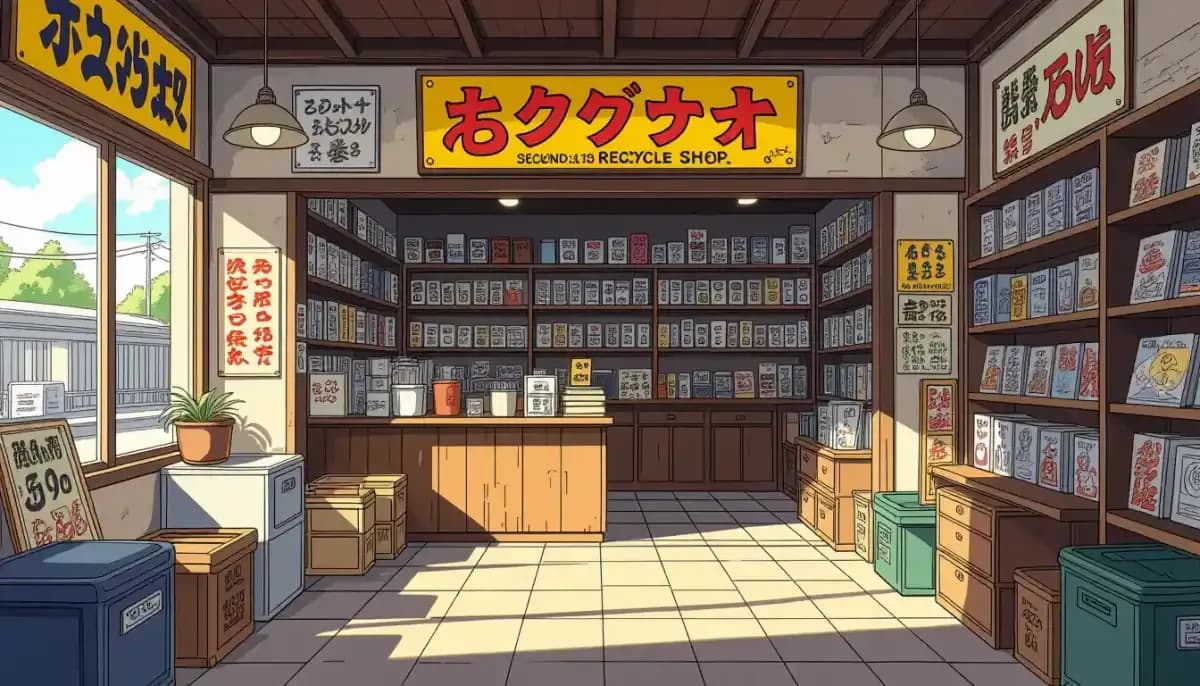
Complete guide to Japan's secondhand and upcycle culture. Discover recycle shops, flea markets, online platforms like Mercari, mottainai philosophy, and tips for foreigners living in Japan.
Japan Secondhand Reuse and Upcycle Culture Guide
Japan has one of the most sophisticated secondhand and reuse cultures in the world. Rooted in the deeply embedded philosophy of mottainai — a term expressing the regret over waste — Japanese society has long prized resourcefulness, repair, and giving objects a second life. For foreigners living in Japan, understanding this culture unlocks enormous benefits: you can furnish an apartment, build a wardrobe, and even earn income by participating in Japan's thriving secondhand economy. This guide covers everything from major store chains and flea markets to online platforms and traditional upcycling arts.
Understanding Mottainai: The Cultural Foundation
The word mottainai (もったいない) roughly translates to "what a waste" — and it captures a mindset that runs deep in Japanese culture. Before modern recycling campaigns were invented, Japanese people were already mending worn clothing, repairing broken ceramics, and repurposing objects rather than discarding them.
This philosophy gave birth to several traditional arts that embody reuse at its most creative:
- Kintsugi (金継ぎ): The art of repairing broken pottery with lacquer mixed with gold, silver, or platinum powder. Rather than hiding the damage, kintsugi celebrates it, turning cracks into golden veins. The repaired object is considered more beautiful and valuable than the original.
- Boro (boro): A tradition of patching worn textiles with scraps of cloth. Historically a necessity for poor rural families, boro pieces are now collected and displayed in museums as textile art.
- Furoshiki (風呂敷): The art of wrapping objects in cloth squares to transport or store them — a zero-waste alternative to disposable packaging that dates back centuries.
Today, mottainai has been embraced globally as a sustainability concept, but in Japan it remains a daily practice. According to Japan's Ministry of the Environment, 44.1% of Japanese citizens purchased secondhand goods in 2024 — a figure that continues to rise each year.
For expats, tapping into this culture isn't just about saving money (though it certainly helps). It's a way to engage meaningfully with Japanese values and reduce your environmental footprint while living abroad. Learn more about sustainable living in Japan at Living in Nihon.
Major Secondhand Store Chains to Know
Japan's secondhand retail sector is dominated by several well-organized chain stores that operate on a buy-sell model: they purchase used goods from individuals and resell them at discounted prices. These stores are clean, well-organized, and often carry excellent-quality items.
HARD OFF Group
The HARD OFF group is arguably the most versatile secondhand chain in Japan, operating under several specialized brands:
| Brand | Specialty |
|---|---|
| HARD OFF | Electronics, musical instruments, gadgets |
| OFF HOUSE | Home goods, clothing, furniture, sporting goods |
| BOOK OFF | Books, manga, CDs, DVDs, games, branded fashion |
| MODE OFF | Apparel and accessories |
| LIQUOR OFF | Alcoholic beverages |
| GOLF OFF | Golf equipment |
BOOK OFF also operates large "Super Bazaar" locations that combine multiple OFF brands under one roof. Items are graded and labeled with condition notes, making it easy to understand what you're buying. Many HARD OFF stores offer warranties on used electronics ranging from 1–12 months.
2nd STREET (セカンドストリート)
2nd STREET is beloved across Japan for its wide product range. Unlike stores that specialize narrowly, 2nd STREET accepts and sells clothing, electronics, furniture, and more. They operate 200+ locations nationwide and accept returns within 7 days with a money-back guarantee on used electrical products. Their stores tend to be well-organized and easy to navigate even if your Japanese is limited.
Treasure Factory (トレジャーファクトリー)
With over 200 locations, Treasure Factory focuses on furniture, appliances, sports equipment, and household goods. It's an excellent first stop when furnishing a new apartment — you can often find dining tables, bookshelves, and sofas at a fraction of their new-item price.
RAGTAG & KOMEHYO
For those interested in designer and luxury goods, RAGTAG specializes in authenticated pre-owned fashion from high-end brands. KOMEHYO takes authentication further, covering watches, jewelry, bags, and branded apparel with authentication guarantees. Japan's secondhand luxury market is internationally renowned for its quality standards and strict grading.
For more tips on navigating shopping in Japan as a foreigner, visit For Work in Japan.
Online Secondhand Platforms
Japan's digital secondhand market is enormous, and several platforms make it easy to buy and sell from your smartphone. Japan's recommerce market is projected to reach $8.5 billion by 2029, with online platforms driving much of that growth.
Mercari (メルカリ)
Mercari is Japan's dominant C2C (consumer-to-consumer) marketplace with over 20 million active users and annual gross merchandise value of approximately JPY 1.1 trillion. The app is available in English, making it one of the most foreigner-accessible platforms. You can buy everything from clothing and books to electronics and furniture. Sellers ship items using anonymous shipping options to protect both parties' privacy.
Tips for foreigners on Mercari:
- Set the app to English in settings
- Use a Japanese phone number for registration
- Pay with credit card, convenience store payment, or PayPay
Yahoo! フリマ (Yahoo! Flea Market)
Yahoo! フリマ offers lower seller fees than Mercari and features anonymous shipping. It's especially popular for collectibles, anime goods, and hobbyist items.
Jimoty (ジモティー)
Jimoty functions like a local classifieds board. Unlike Mercari, many listings on Jimoty are for free items — people who are moving and want to give away furniture rather than paying disposal fees. This is invaluable for newly arrived expats furnishing their first apartment.
Facebook Marketplace / Mottainai Japan (Facebook Group)
The Mottainai Japan Facebook group is a long-established community where expats give away, sell, or trade used household goods, furniture, and clothing. It's especially popular in Tokyo. Tokyo Craigslist also remains active for English-speaking expats looking for larger items like sofas, bicycles, and appliances.
Flea Markets and Antique Fairs
Japan's flea market scene is vibrant and deeply enjoyable. Markets range from massive organized antique fairs to casual temple markets held monthly. Bring cash — most stalls are cash-only.
| Market | Location | Schedule | Highlights |
|---|---|---|---|
| Oedo Antique Market | Tokyo International Forum | 1st and 3rd Sunday monthly | Japan's largest outdoor antique market |
| Setagaya Boro-ichi | Setagaya, Tokyo | Dec 15–16, Jan 15–16 | Operating since 1578, over 700 stalls |
| Heiwajima Antique Fair | Tokyo Ryutsu Center | Multiple dates yearly | Japan's oldest indoor antique fair |
| Shitenno-ji Flea Market | Osaka | 21st and 22nd monthly | Free entry, temple grounds setting |
| Toji Temple Kobo Market | Kyoto | 21st monthly | Vast mix of antiques, crafts, food |
| Oi Racecourse Market | Shinagawa, Tokyo | Every Sat & Sun | Huge, cheap, hundreds of vendors |
Setagaya Boro-ichi in particular is a landmark: established in 1578, it draws hundreds of thousands of visitors each year with over 700 vendors selling everything from antiques to street food. For visitors to Osaka, the Shitenno-ji market offers free entry and a temple atmosphere that makes browsing especially memorable.
For guidance on navigating Japanese markets and neighborhoods as a foreigner, check out Ittenshoku.
Upcycling Culture: Old Items, New Lives
While secondhand shopping involves buying and selling existing items, upcycling takes reuse a step further — transforming discarded or worn goods into something of higher value. Japan has a growing upcycling movement, though the term itself is still relatively unfamiliar to many Japanese people. A 2022 survey by SnackMe, Inc. of 2,166 Japanese adults found that only 12.1% had heard the term "upcycling" and just 8.4% understood its meaning. Despite this, 56% of respondents said they would purchase upcycled products if the price and quality matched conventional goods.
Notable Upcycling Projects in Japan
Oshima Tsumugi Textile Project (TSUMUGI): This initiative led by the Upcycle Association preserves traditional silk weaving from Amami Oshima Island by blending silk threads with recycled paper-based yarn and applying the ancient "Dorozome" mud-dyeing technique. The result is a textile that is simultaneously a cultural artifact and a contemporary sustainable product.
Enz Koji Food Project: Fujiwara Techno Art Co. uses koji mold to ferment spent coffee grounds, producing polyphenol-rich bread. This addresses waste from the estimated 2 billion cups of coffee consumed globally each day.
Common creative upcycling applications:
- Furniture and art from disposable chopsticks
- Garments remade from vintage clothing
- Artwork from discarded bicycle components
- Jewelry from broken ceramics (building on the kintsugi tradition)
The Circular Economy Promotion Organization of Tokyo actively supports and promotes upcycling initiatives across Japan. Explore their project database at the Tokyo Circular Economy Platform.
How to Sell Your Stuff in Japan as a Foreigner
When it's time to move apartments, leave Japan, or simply declutter, you have several options for selling your used goods:
Recycle shops (buy-sell stores): Walk into any HARD OFF, 2nd STREET, or Treasure Factory with your items. Staff will assess them and offer immediate cash payment. This is the fastest option but typically yields the lowest prices.
Online platforms (Mercari, Yahoo! フリマ): More effort required (photography, communication with buyers), but you generally earn more. Mercari's English support makes it the most accessible for foreigners.
Jimoty / Facebook groups: Best for large, hard-to-ship items like furniture. Many listings are free, so this is also a great way to avoid paying disposal fees when moving out.
For broken or worn appliances: Japan's Home Appliance Recycling Law requires designated disposal for air conditioners, TVs, refrigerators, and washing machines. You must pay a recycling fee (通常 ¥1,000–¥5,000 depending on item) and cannot simply throw these items away.
Donating Clothing and Furniture
Several organizations in Japan accept donated used goods:
- The Salvation Army holds weekly bazaars in Tokyo's Sumida and Suginami wards and accepts furniture delivery with a minimum volume requirement.
- Recycle clothing boxes (衣類回収ボックス) are found in many supermarket parking lots and accept donated clothing year-round.
- NPO groups such as Second Harvest Japan accept food and household goods donations for distribution to people in need.
Many Japanese municipalities also have free "recycling days" (粗大ゴミ) where residents can pick up items placed on the curb by neighbors. Check your local city or ward website for schedules.
Tips for Foreigners Shopping Secondhand in Japan
Shopping secondhand in Japan is generally a smooth experience even if your Japanese is limited, but a few practical tips will help:
- Bring cash to flea markets. Nearly all market vendors are cash-only. ATMs at convenience stores (7-Eleven, Lawson, FamilyMart) accept foreign cards.
- Check condition grading labels. Most chain stores label items with condition grades (S/A/B/C or similar) and note any defects. Learn these grades and always inspect items in person before purchasing.
- Used bikes need registration transfer. If you buy a used bicycle, you must transfer the mandatory theft-prevention registration to your name at a local shop for a small fee. This is legally required nationwide.
- Test electronics before leaving the store. Most recycle shops will allow you to test electronics in-store. Take advantage of this.
- Ask about warranties. HARD OFF and 2nd STREET often provide short warranties on electronics. Ask staff (or show a translation on your phone) before purchasing.
- Shop seasonally. The best secondhand inventory appears in March–April (when residents move out ahead of the new fiscal year) and August–September (similar moving period). Timing your shopping around these windows yields the best selection.
For more practical guides to daily life as a foreigner in Japan, visit our guide to cost of living in Tokyo and our Japanese grocery shopping guide for foreigners.
The Future of Japan's Reuse Economy
Japan's government has made circular economy policies a national priority, with a roadmap targeting significant market expansion by 2030. The reuse market has grown from an estimated JPY 13.2 billion in 2017 to projections exceeding JPY 26.3 billion by 2030. Key policy initiatives include:
- Mandatory labeling requirements for repaired and refurbished goods
- Government subsidies for businesses developing repair and upcycling services
- Integration of reuse principles into school curricula under the "mottainai" education banner
For foreigners in Japan, this shift creates both opportunities and conveniences. As the reuse economy formalizes, platforms become easier to use, authentication becomes more reliable, and the range of available goods expands.
Whether you're a newly arrived expat hunting for apartment furniture or a long-term resident looking to declutter responsibly, Japan's secondhand ecosystem offers one of the richest and most culturally meaningful ways to engage with your host country. Dive in — and remember: mottainai.
Related guides: Online Shopping in Japan for Foreigners | Essential Japanese Manners | Cost of Living in Tokyo

Originally from Vietnam, living in Japan for 16+ years. Graduated from Nagoya University, with 11 years of professional experience at Japanese and international companies. Sharing information about living in Japan for foreigners.
View Profile →Related Articles

Water Conservation Tips for Living in Japan
Learn practical water conservation tips for living in Japan. Discover Japanese bathing culture, smart toilet technology, bath water recycling for laundry, and how to reduce your water bill as a foreigner in Japan.
Read more →
Sustainable and Eco Friendly Housing in Japan
Complete guide to sustainable and eco-friendly housing in Japan for foreigners. Learn about ZEH homes, green certifications, government subsidies, and practical tips for renting or buying an eco-friendly home.
Read more →
Community Clean Up Events and Volunteering in Japan
Learn how to join community clean-up events and volunteering activities in Japan as a foreigner. Discover organizations, cultural etiquette, useful phrases, and tips to integrate into Japanese community life.
Read more →
Japan Environmental Regulations Affecting Daily Life
A complete guide to Japan's environmental regulations affecting daily life — garbage sorting, recycling laws, noise rules, and public cleanliness standards for foreign residents.
Read more →
Where to Buy Organic Food in Japan
Complete guide to buying organic food in Japan for foreigners and expats. Learn about JAS certification, best organic stores in Tokyo, delivery services, farmer's markets, and money-saving tips.
Read more →
Zero Waste Living Tips for Residents in Japan
Discover how to live a zero waste lifestyle in Japan as a foreigner. Learn Japan's garbage separation rules, eco-friendly apps, zero waste shops, sustainable shopping tips, and the mottainai philosophy that makes Japan a leader in sustainable living.
Read more →