
Moving Out of Your Apartment Checklist for Japan

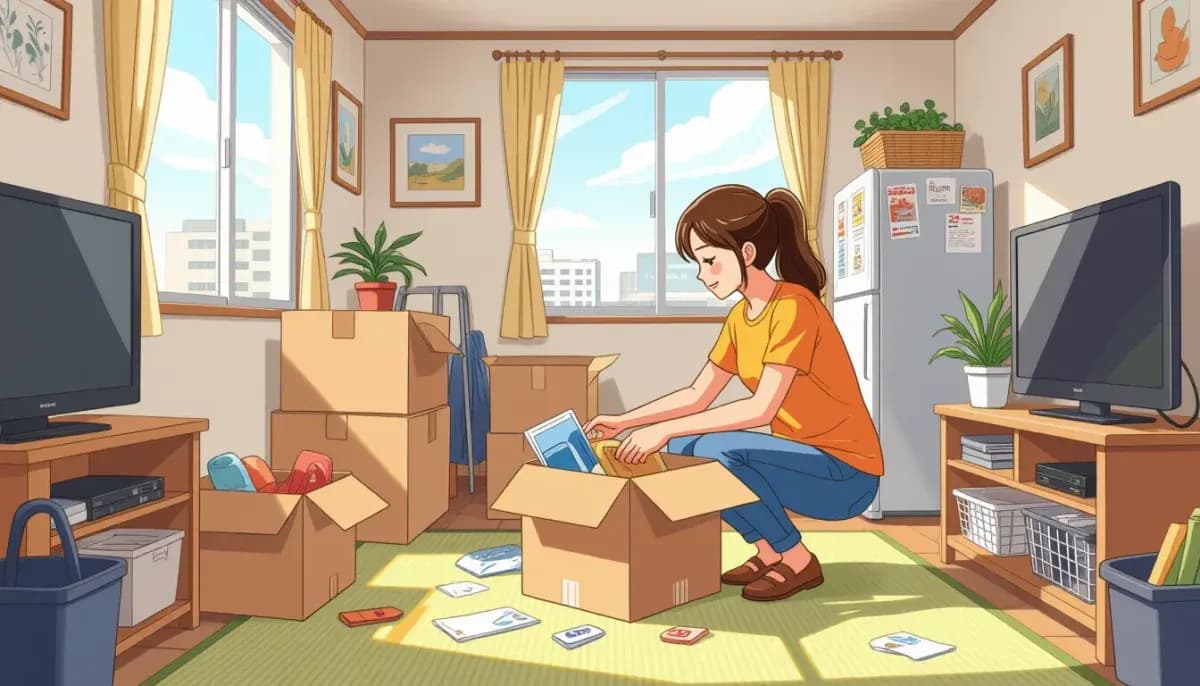
Complete checklist for moving out of your apartment in Japan. Covers notice periods, deposit refunds, cleaning fees, inspection tips, and paperwork for foreigners.
Moving Out of Your Apartment Checklist for Japan
Moving out of a Japanese apartment involves a lot more than just packing your boxes. From giving the required notice to your landlord, to filing government paperwork and navigating the security deposit refund process, there are dozens of steps that can trip up even experienced expats. This comprehensive checklist will walk you through everything you need to do to move out of your Japanese apartment smoothly—and get as much of your deposit back as possible.
Whether you are relocating within Japan or leaving Japan entirely, having a clear plan months in advance will save you money, stress, and potential legal headaches.
\!Moving out of apartment Japan checklist

Step 1: Give Notice to Your Landlord (1–2 Months Before)
The first and most time-sensitive step is notifying your landlord or property management company that you plan to move out. Most Japanese rental contracts require at least one month's advance notice, but many require two months. Failing to give the required notice means you may be charged extra rent even after vacating the property.
What to do:
- Check your rental contract carefully for the required notice period
- Contact your landlord or real estate agent by phone or in writing (written is better for documentation)
- Confirm your official move-out date in writing
- Request an inspection schedule for moving day or shortly before
If your contract is in Japanese and you are unsure of the terms, consider getting professional help. Services like Omakase Helper specialize in helping foreigners navigate Japanese rental procedures in English.
Step 2: Understand Your Deposit and Restoration Obligations (原状回復)
The security deposit (敷金, shikikin) you paid when you moved in will be refunded after deducting the cost of any repairs beyond normal wear and tear. This is one of the most contentious areas of renting in Japan—according to the National Consumer Affairs Center, Japan sees 13,000 to 14,000 restoration-related complaints per year, representing roughly 40% of all rental disputes.
Understanding what you are and are not responsible for can save you thousands of yen.
What the Landlord Must Cover
- Normal wear and fading from sunlight
- Deterioration of equipment (air conditioners, water heaters)
- Basic cleaning costs (unless your lease specifies otherwise)
- Damage from poor building maintenance
What You Are Responsible For
- Stains from tobacco (nicotine requires full wallpaper replacement)
- Pet damage (scratches, odors)
- Large holes from nails or screws that require drywall repair
- Mold caused by neglecting to clean or ventilate
- Grease buildup from cooking that was not cleaned
Depreciation works in your favor: Japanese law recognizes that building materials depreciate over time. Wallpaper, for example, has a legal lifespan of 6 years, meaning after 6 years of tenancy, you pay essentially ¥1 in wallpaper restoration costs regardless of the condition.
For a detailed breakdown of your rights, read this excellent resource from Living in Nihon on avoiding move-out restoration disputes.
| Damage Type | Responsible Party | Notes |
|---|---|---|
| Sunlight fading on walls | Landlord | Normal wear and tear |
| Cigarette stains/odor | Tenant | Full wallpaper replacement likely |
| Small nail holes (picture hooks) | Landlord | Normal usage |
| Large holes from TV mounts | Tenant | Drywall repair cost |
| Mold from poor ventilation | Tenant | Unless building defect |
| Tatami mat wear (long-term) | Landlord | Depreciates over time |
| Pet scratches/damage | Tenant | Cleaning and repair costs |
| General cleaning (basic) | Landlord | Unless lease specifies otherwise |
Step 3: Deep Clean Your Apartment Before the Inspection
Even though basic cleaning is technically the landlord's responsibility under Japanese law, doing a thorough clean before the move-out inspection can prevent disputes, signal good faith, and help you avoid unnecessary deductions from your deposit.
Room-by-room cleaning checklist:
Kitchen:
- Clean the stovetop and remove all grease from the range hood
- Wipe down the inside and outside of the microwave and refrigerator
- Scrub the sink and unclog the drain
- Clean cabinet surfaces and inside drawers
Bathroom:
- Remove soap scum from bathtub and tiles
- Clean the toilet thoroughly, including under the rim
- Check for and treat any mold with appropriate cleaning products
- Wipe down mirror and ventilation fan cover
Living Areas and Bedrooms:
- Wipe down window sills, door frames, and light switches
- Clean inside and outside of all closets
- Remove all nails, hooks, and anchors (fill small holes with spackling if possible)
- Sweep and mop all floors including corners
General:
- Remove all trash before moving day—leaving trash is a violation that results in separate disposal fees
- Clean the balcony and remove any items stored there
- Return all keys, including mailbox key, spare keys, and any remote controls
Cleaning fees in Japan typically range from ¥1,000 to ¥2,000 per square meter. For a standard studio apartment (1R or 1K), professional cleaning costs between ¥20,000 and ¥25,000. For a 2LDK or larger, expect ¥50,000 to ¥80,000. If your apartment is clean, these fees may not be charged at all or will be minimal.
\!Cleaning apartment before move out Japan

Step 4: Schedule the Move-Out Inspection
The move-out inspection (tachiaki kensa, 立会検査) is the official walkthrough where the landlord or property manager assesses the condition of your apartment. Your presence at the inspection is strongly recommended.
Being there allows you to:
- Question any damage claims on the spot
- Present your move-in photo documentation
- Dispute charges you consider unfair
- Avoid being charged for pre-existing damage
Tips for a successful inspection:
- Bring copies of the photos you took when you moved in
- Bring your original move-in checklist if you completed one
- Record video of the inspection for your own records
- Do not sign any documents until you fully understand what you are agreeing to
- If you cannot attend (e.g., you are leaving Japan beforehand), designate a trusted person to attend on your behalf
Most inspections are scheduled for the same day as the move, after all belongings have been removed. The apartment must be completely empty for the inspection to take place.
After the inspection, you will typically receive a written deposit refund breakdown within 2 weeks, and the actual bank transfer within 1 month of your move-out date.
For a complete guide on housing procedures in Japan for foreigners, visit For Work in Japan's housing guide.
Step 5: Cancel All Utilities and Services
You must cancel or transfer all utilities and services before leaving your apartment. Failing to cancel properly means you could continue being billed for months after moving out.
Utilities to cancel:
| Service | How to Cancel | Notice Required |
|---|---|---|
| Electricity (電気) | Call provider or cancel online | 3–7 days |
| Gas (ガス) | Call provider; technician will visit | 3–7 days |
| Water (水道) | Contact local waterworks bureau | 3–7 days |
| Internet (インターネット) | Call provider | 1 month (often) |
| NHK fee | Submit cancellation form online or by mail | Before move-out date |
Timing tips:
- Cancel electricity and water on your actual move-out date (not before, so you can clean)
- Cancel gas a day or two before moving (you will need it for hot water during cleaning)
- Cancel internet well in advance—some providers require up to one month's notice and charge early termination fees
Step 6: Handle Government Paperwork (転出届)
If you are moving to a different city or ward, you must file a tenshutsu todoke (転出届, Moving-Out Notification) at your current city hall or ward office. This is a legal requirement.
Key details:
- Must be filed within 14 days of moving out (can also be done up to 14 days before your move)
- Bring your residence card (zairyu card), My Number card, and National Health Insurance card
- You will receive a tenshutsu shomeisho (転出証明書, Moving-Out Certificate) to present at your new city office
- Failure to file can result in fines of up to ¥50,000
Also update:
- National Health Insurance: submit your health insurance card and settle outstanding premiums
- Driver's license address: update at your local police station (keisatsu)
- Postal mail forwarding: register at the post office (yuubinkyoku) for mail forwarding—this lasts up to one year
If you are leaving Japan entirely, check our full guide on exit procedures and the leaving Japan checklist for all government tasks to complete before departure.
Related: How to Close Your Bank Accounts in Japan | Canceling Services and Subscriptions Before Leaving
Step 7: Arrange Your Move and Dispose of Large Items
Hiring a Moving Company
Japan has many reputable moving companies that cater to expats, including international moves. Major domestic movers include:
- アート引越センター (Art Moving Center)
- サカイ引越センター (Sakai Moving Center)
- クロネコヤマトの引越 (Kuroneko Yamato Moving)
Compare quotes (mitsumori) at least 4 weeks before your move date. Moving costs in Tokyo for a 1K apartment typically range from ¥30,000 to ¥80,000 depending on distance and time of year. March and September are peak moving seasons in Japan—book early.
Disposing of Large Items (粗大ごみ)
You cannot leave furniture or appliances at the curb or in front of the apartment. Large item disposal (sodai gomi) must be arranged in advance:
- Contact your local ward office or city hall for the collection schedule
- Purchase a disposal sticker (sodai gomi shori ken) at a convenience store
- Attach the sticker to the item and place it out on the designated day
Alternatively, consider selling items before your move—read our guide on how to sell your belongings before leaving Japan.
For international moves and shipping your belongings home, see our article on how to ship your belongings from Japan.
Complete Move-Out Timeline at a Glance
| Timeframe | Task |
|---|---|
| 2 months before | Review contract, give notice to landlord |
| 6 weeks before | Get moving company quotes, plan disposal |
| 1 month before | Cancel internet service (long notice period) |
| 2–3 weeks before | Cancel NHK, sell/donate unwanted items |
| 1 week before | Deep clean the apartment |
| 2–3 days before | Cancel gas and water |
| Moving day | Cancel electricity, move out, complete inspection, return keys |
| Within 14 days | File tenshutsu todoke at city hall |
| 2 weeks after | Receive deposit refund breakdown |
| 1 month after | Receive deposit refund bank transfer |
Protecting Your Security Deposit: Pro Tips
The deposit (shikikin) is typically 1–2 months' rent and is often the most stressful part of moving out in Japan. Here are actionable steps to maximize your refund:
- Photo documentation at move-in: Photograph every scratch, stain, and mark when you first move in with the date visible. Email these photos to your landlord immediately after moving in.
- Keep maintenance records: Save all emails and messages with your landlord about repairs or issues.
- Know your depreciation rights: The older your apartment, the less you should pay. Wallpaper depreciation to ¥1 after 6 years is a legal standard.
- Attend the inspection: Disputes are far easier to resolve face-to-face. Bring evidence.
- Request itemized estimates: Never pay a lump sum without a detailed written breakdown.
- Dispute unfair charges: Contact the Consumer Hotline (188) or Legal Aid (Houterasu) if you believe you are being overcharged. You can also reach out to local foreigner support centers.
For IT professionals planning a career transition while in Japan, Ittenshoku offers helpful guides on navigating the Japanese job market.
For more resources on housing rights in Japan, check out Tokyo Room Finder's moving out guide and Land Housing's step-by-step move-out guide.
Frequently Asked Questions
Q: Can I get my full deposit back? Yes, if the apartment is in good condition and damage is only due to normal wear and tear, you should receive most or all of your deposit. Disputes most commonly arise over cleaning fees and restoration costs—knowing your legal rights is key.
Q: Do I need to be present for the move-out inspection? It is not legally required, but strongly recommended. Attending lets you dispute charges immediately. If you cannot attend, designate a trusted representative.
Q: What happens if I leave Japan without completing the inspection? Your landlord will conduct the inspection without you, and you have limited ability to dispute charges afterward. Try to complete the inspection before leaving, or appoint someone to attend on your behalf.
Q: How long does the deposit refund take? The itemized refund breakdown typically arrives within 2 weeks of the inspection. The actual bank transfer is usually processed within 1 month of your move-out date.
Q: What if I cannot read my rental contract? Seek assistance from a real estate agent who speaks English, a certified translator, or a foreigner support organization in your city. Do not sign anything you do not understand.
Moving out of a Japanese apartment is a detailed process, but with the right preparation, it is entirely manageable. Start early, document everything, and know your rights—and your deposit refund will follow.

Originally from Vietnam, living in Japan for 16+ years. Graduated from Nagoya University, with 11 years of professional experience at Japanese and international companies. Sharing information about living in Japan for foreigners.
View Profile →Related Articles
How to Stay Connected to Japan After Leaving: The Complete Expat Guide
Moved away from Japan? Learn the best apps, communities, and strategies to stay connected to Japan after leaving — from LINE tips to rebuilding your expat network abroad.
Read more →
Japanese Farewell Customs and Saying Goodbye
Learn Japanese farewell customs and how to say goodbye correctly in different situations. From casual 'mata ne' to workplace 'otsukaresama', master the art of Japanese goodbyes as a foreigner.
Read more →
What Happens to Your Health Insurance When Leaving Japan
Everything foreigners need to know about health insurance when leaving Japan: how to cancel NHI or Shakai Hoken, get premium refunds, required documents, and avoid costly billing mistakes after departure.
Read more →
Japan Re-Entry Permit What You Need Before Leaving
Everything foreigners need to know about Japan re-entry permits before leaving the country. Covers special vs standard permits, airport procedures, permanent resident rules, fees, and consequences of forgetting.
Read more →
How to Sell Your Belongings Before Leaving Japan
Complete guide to selling your belongings before leaving Japan. Learn which platforms, recycle shops, and Sayonara Sale groups work best for expats clearing out their apartments.
Read more →
Transferring Money Out of Japan Before You Leave
Complete guide to transferring money out of Japan before leaving. Compare Wise, Western Union, Seven Bank, fees, customs rules, exit tax, and pension refund tips for foreigners.
Read more →