
How to Close Your Bank Accounts in Japan

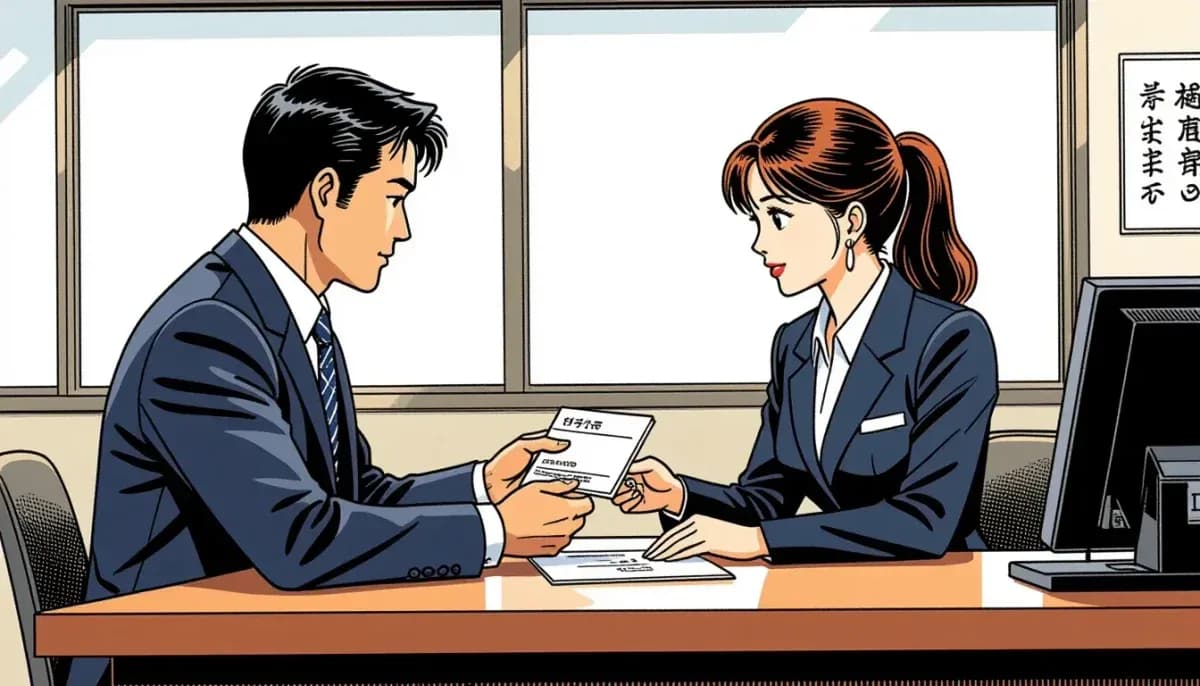
Complete guide for foreigners on how to close bank accounts in Japan. Learn what documents to bring, step-by-step process, online options, and common mistakes to avoid before leaving Japan.
How to Close Your Bank Accounts in Japan: A Complete Guide for Foreigners
Closing your bank accounts in Japan is one of the most important financial tasks to complete before leaving the country. Whether you are finishing a work contract, wrapping up your studies, or simply moving back home, failing to properly close your Japanese bank accounts can cause headaches down the road — from frozen funds to complications on your next visit. This guide walks you through everything you need to know to close your Japanese bank accounts smoothly and without stress.
Why You Must Close Your Bank Accounts Before Leaving Japan
Japan's Financial Services Agency (FSA) officially requests that foreign residents close their bank accounts upon departing Japan permanently. Most Japanese banks include this requirement in their Terms of Use, making it not just a courtesy but a contractual obligation.
There are practical reasons for this rule too. In April 2025, Japanese banks began blocking withdrawals and transfers from accounts belonging to foreign nationals whose visas had expired. This measure was introduced to combat fraud and financial crimes involving dormant accounts. If your account is left open after you leave Japan, you risk:
- Having your funds frozen and inaccessible
- Incurring maintenance fees on a dormant account
- Facing complications if you try to re-enter Japan or open a new account in the future
- Potentially having your account flagged for suspicious activity
The bottom line: close your accounts before you go. It takes less than an hour at the bank and saves you enormous trouble later.
For a broader overview of managing your finances in Japan, see our Complete Guide to Banking and Finance in Japan for Foreigners.
What You Need to Bring to Close Your Account
Before visiting your bank branch, gather all of the following items. Missing even one can mean a wasted trip:
| Item | Details |
|---|---|
| Bank book (passbook) | The booklet with your transaction history |
| Cash card (debit card) | Your bank-issued ATM/debit card |
| Photo ID | Zairyu card (residence card) or passport |
| Hanko (personal seal) | Required if you registered one when opening the account |
| Online banking key/token | Any digital tokens or OTP devices provided by your bank |
| Any credit card | If your bank issued you a credit card, bring it as well |
Important: If you registered a hanko when opening your account, the bank will almost certainly require it for closure. If you have lost your hanko, contact your bank in advance to find out the alternative procedure — this typically involves additional identity verification.
Step-by-Step Process for Closing Your Bank Account in Japan
Closing a Japanese bank account in person is straightforward once you know what to expect. Here is a step-by-step walkthrough:
Step 1: Prepare Your Account
Before visiting the branch, make sure all pending transactions are complete:
- Wait for your final salary to arrive in the account
- Pay all outstanding bills that are set up as automatic deductions (口座振替, kōza furikae). If bills are deducted after you close the account, the payment will fail and you may owe money to utilities, landlords, or subscription services
- Cancel recurring payments such as gym memberships, streaming services, or subscription boxes
- Transfer your remaining balance to another account or plan to receive it in cash at the time of closure
Step 2: Go to the Bank Branch
Head to any branch of your bank during business hours (typically Monday–Friday, 9:00 AM–3:00 PM). You do not necessarily need to go to the branch where you originally opened the account, though some banks may prefer this.
When you reach the service counter, tell the teller you want to close your account. If your Japanese is limited, the phrase is:
口座を解約したいのですが。 Kōza wo kaiyaku shitai no desu ga. "I would like to close my account."
Many bank branches in major cities have staff who speak English or can provide English-language forms. Do not hesitate to ask.
Step 3: Complete the Paperwork
The teller will hand you a closure request form (解約申込書). You will need to:
- Write your name and account number
- Enter your PIN number on a keypad
- Stamp the form with your hanko (if registered)
- Sign the form
The bank staff will verify your identity and check for any pending transactions. This process may take 10–30 minutes depending on how busy the branch is.
Step 4: Receive Your Balance
Once the paperwork is processed, the bank will:
- Give you your remaining balance in cash, counted carefully by the teller
- Punch a hole in your bank book and place a closure sticker on the front
- Retain your cash card, cutting it up in front of you
- Retain any online banking tokens or security devices
- Stamp your bank book as a record of closure
Keep your bank book as a personal record — it serves as proof that the account was properly closed.
Online and Mail-In Closure Options
Not all banks require you to close your account in person. Some Japanese banks now offer alternative closure methods:
- Online banking closure: Some banks allow you to close certain account types via their online banking portal. Log in, navigate to account settings, and look for an "Account Cancellation" or 解約 option. SBI Shinsei Bank, for example, allows online closure of yen savings accounts via their English online banking interface
- Mail-in closure: A few banks allow you to submit a closure request by post. Contact your bank's customer service to request the necessary forms
- Phone closure: Some banks accept closure requests by phone, followed by a mail confirmation
Check your specific bank's website or call their English-language helpline to confirm which methods are available to you.
Closing Different Types of Japanese Bank Accounts
Japan has several types of financial institutions, and the closure process can vary:
| Bank Type | Examples | Closure Method | English Support |
|---|---|---|---|
| Major city banks | Mitsubishi UFJ, Mizuho, SMBC | In person at branch | Limited; some branches in major cities |
| Japan Post Bank (ゆうちょ銀行) | Japan Post | Post office counter | Very limited |
| Online banks | Rakuten Bank, Sony Bank, PayPay Bank | Online or phone | Good English support |
| Regional banks | Various local banks | In person at branch | Very limited |
| SBI Shinsei Bank | SBI Shinsei | Online or phone | Excellent English |
Online banks such as Rakuten Bank and Sony Bank are generally the easiest to close remotely, making them a good choice for foreigners who anticipate leaving Japan one day.
For more about choosing the right bank in Japan, see our Complete Guide to Banking and Finance in Japan for Foreigners.
What to Do If You Plan to Return to Japan
If you are not leaving Japan permanently — for example, if you are taking a temporary overseas assignment but plan to return — you may not need to close your account. Here is what to consider:
- Contact your bank directly before closing to explain your situation. Some banks allow foreigners who plan to return to maintain their accounts with specific conditions
- Keep your balance active by making occasional transactions, as some banks close dormant accounts automatically after 10 years of inactivity
- Update your registered address with the bank if you change your address before leaving
- Internet banking can help you manage your account remotely while abroad, but note that some Japanese banks restrict account operations for non-residents
Be honest with your bank about your situation. Attempting to maintain an account as a declared non-resident without bank approval may violate your account's Terms of Use.
See our Complete Guide to Japan Visa and Immigration for more on maintaining legal status during extended absences.
Leaving Japan Checklist: Financial Tasks Beyond Your Bank Account
Closing your bank account is just one item on your financial to-do list when leaving Japan. Make sure you also handle:
- Pension refund (脱退一時金): As a foreign national, you may be eligible to claim a lump-sum withdrawal of your Japanese pension contributions within 2 years of leaving Japan. See our Complete Guide to Taxes in Japan for Foreigners for details
- Tax clearance: File your final tax return (確定申告) or arrange for a tax representative (納税管理人) if you will owe taxes after departure
- National Health Insurance: Cancel your NHI enrollment at your municipal office before leaving
- Residence card: Return your residence card at the airport departure gate
For a complete departure checklist, see our Complete Guide to Daily Life in Japan for Foreigners.
Common Mistakes to Avoid
Foreigners often make these avoidable errors when closing their Japanese bank accounts:
- Closing the account too early — Always close your bank account last, after receiving your final salary, tax refund, and pension refund. If you close it too early, you may have no account to receive important final payments
- Forgetting automatic payments — Utilities, internet, phone, and rent are often set up as automatic bank debits. Cancel these before closing your account or you will still owe money even though the payment failed
- Losing your hanko — If you registered a personal seal and cannot find it, inform the bank well in advance. Resolving a missing hanko issue takes additional time and paperwork
- Not checking for credit card debts — If your bank card doubles as a credit card, any outstanding balance must be paid in full before the account can be closed
- Leaving it until the last minute — Give yourself at least 2–3 weeks before departure to handle all the bank-related tasks
Helpful Resources
For more information and community advice on managing finances and departing Japan, check out these resources:
- Living in Nihon – Banking & Financial Services Guide for Foreigners – A comprehensive English-language guide covering all aspects of banking in Japan
- MailMate – Leaving Japan Guide – A practical checklist for all the tasks involved in departing Japan
- City-Cost – How to Close Your Bank Account in Japan – A first-hand account of the bank closure process
- For Work in Japan – Resources for foreigners working and managing finances in Japan
- Ittenshoku – Career and financial guidance for foreigners in Japan
Closing your Japanese bank accounts is a straightforward process once you know what to bring and what to expect. Plan ahead, handle your outstanding payments first, and leave yourself enough time to complete everything properly before your departure date. With this guide, you have everything you need to close your accounts with confidence.

Originally from Vietnam, living in Japan for 16+ years. Graduated from Nagoya University, with 11 years of professional experience at Japanese and international companies. Sharing information about living in Japan for foreigners.
View Profile →Related Articles

How to Stay Connected to Japan After Leaving: The Complete Expat Guide
Moved away from Japan? Learn the best apps, communities, and strategies to stay connected to Japan after leaving — from LINE tips to rebuilding your expat network abroad.
Read more →
Japanese Farewell Customs and Saying Goodbye
Learn Japanese farewell customs and how to say goodbye correctly in different situations. From casual 'mata ne' to workplace 'otsukaresama', master the art of Japanese goodbyes as a foreigner.
Read more →
What Happens to Your Health Insurance When Leaving Japan
Everything foreigners need to know about health insurance when leaving Japan: how to cancel NHI or Shakai Hoken, get premium refunds, required documents, and avoid costly billing mistakes after departure.
Read more →
Japan Re-Entry Permit What You Need Before Leaving
Everything foreigners need to know about Japan re-entry permits before leaving the country. Covers special vs standard permits, airport procedures, permanent resident rules, fees, and consequences of forgetting.
Read more →
How to Sell Your Belongings Before Leaving Japan
Complete guide to selling your belongings before leaving Japan. Learn which platforms, recycle shops, and Sayonara Sale groups work best for expats clearing out their apartments.
Read more →
Transferring Money Out of Japan Before You Leave
Complete guide to transferring money out of Japan before leaving. Compare Wise, Western Union, Seven Bank, fees, customs rules, exit tax, and pension refund tips for foreigners.
Read more →