
Exit Procedures and Checklist When Leaving Japan

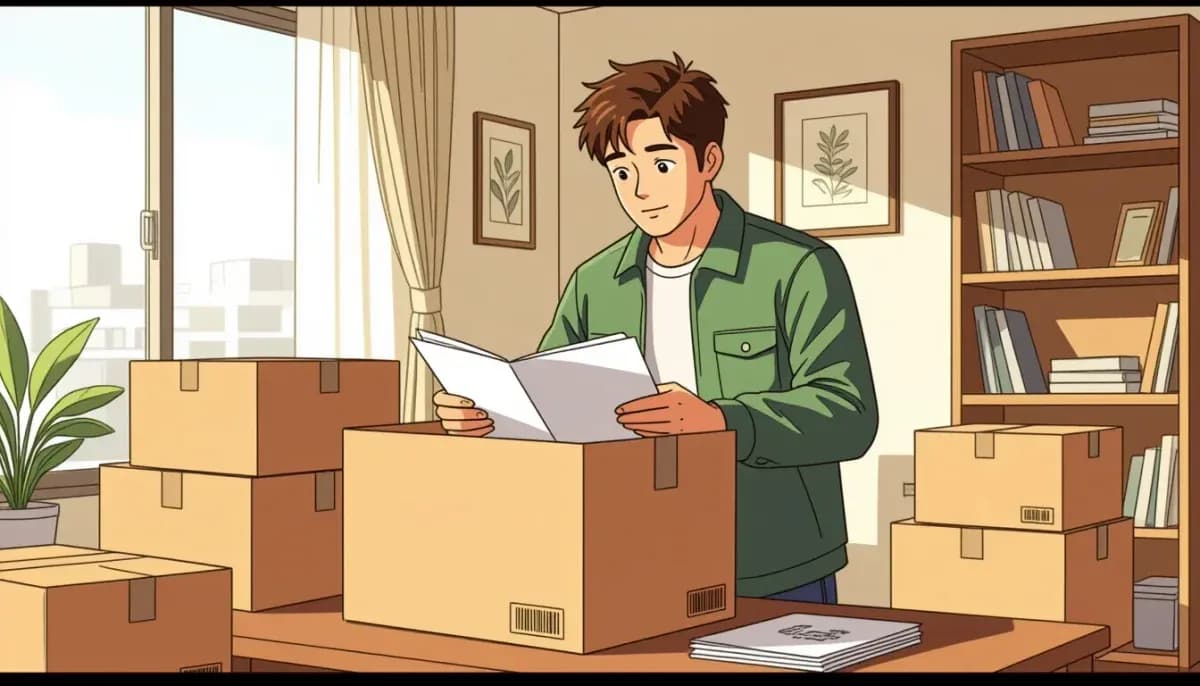
The complete checklist for foreigners leaving Japan: tenshutsu todoke, residence card return, pension lump-sum withdrawal, taxes, bank accounts, and more. Start 3 months before departure.
Exit Procedures and Checklist When Leaving Japan
Leaving Japan is a bigger undertaking than most foreigners expect. Unlike a typical house move, departing Japan as a foreign resident involves a cascade of legal, financial, and administrative obligations — many of which carry real consequences if skipped. From returning your residence card at the airport to claiming a pension refund months after you've landed back home, the exit process extends well beyond packing boxes.
This guide walks you through everything you need to do before leaving Japan, organized by timeline so nothing slips through the cracks. Whether you've lived here one year or fifteen, the same core procedures apply.
For a broader overview of what life in Japan involves, including the steps you took to arrive, see our Complete Guide to Moving to Japan as a Foreigner.
Why Getting Your Exit Right Matters
Skipping or rushing through departure procedures can have lasting consequences:
- Continued billing: Without filing your moving-out notice, Japan's municipal systems keep billing you for resident taxes, national health insurance, and pension premiums — even after you've left the country.
- Lost pension money: Failing to file the moving-out form (or missing the 2-year deadline) can make you ineligible for a pension lump-sum withdrawal — money that's rightfully yours.
- Visa complications: If you plan to return to Japan in the future, leaving without proper documentation or a re-entry permit can complicate your status.
- Exit denial: In rare cases, unpaid bills or taxes can result in being held at the border.
Starting your preparation 3 months before your departure date gives you enough buffer to handle everything without rushing.
For a detailed breakdown of how Japanese taxes work, including what you owe as a departing resident, see our Complete Guide to Taxes in Japan for Foreigners.
The Master Exit Timeline
| Timeframe | Key Tasks |
|---|---|
| 3 months before | Research procedures, notify employer, begin selling/shipping belongings |
| 2 months before | Notify landlord (check lease for required notice period) |
| 6 weeks before | Cancel internet service (1-month notice usually required) |
| 1 month before | Cancel mobile phone contract (must visit store in person) |
| 2–3 weeks before | Arrange tax representative, close bank accounts, cancel subscriptions |
| 2 weeks before | File moving-out notice (tenshutsu todoke) at city hall |
| Departure day | Return residence card at airport immigration |
| Within 2 years | Apply for pension lump-sum withdrawal from home country |
At the City Hall: Your Most Critical Stop
Your municipal office (city hall, ward office, or town hall) is where most of your administrative departure tasks happen. Plan a dedicated visit 1–2 weeks before your departure.
File the Moving-Out Notice (転出届 / tenshutsu todoke)
The tenshutsu todoke is the legal declaration that you are leaving your registered address and, if leaving Japan permanently, the country itself. You can file this form up to 14 days before your departure date.
What to bring:
- Residence card (在留カード / zairyu card)
- My Number card (if you have one)
- Personal seal (inkan/hanko), if applicable
- Passport
Once filed, you'll receive a tenshutsu shomeisho (移転証明書 — moving-out certificate), which you may need for other procedures.
Cancel National Health Insurance
Immediately after filing the tenshutsu todoke, proceed to the National Health Insurance (国民健康保険) window at the same office. Return your health insurance card and settle any outstanding premiums. If you're covered through an employer's social insurance, your employer handles the cancellation.
Return or Deregister Your My Number Card
Your My Number card is tied to your residency registration. Deregister it at the city hall window before leaving.
At the Airport: Return Your Residence Card
On the day you depart, you are legally required to surrender your residence card (在留カード) to the immigration officer at passport control. The officer will punch a hole through it — do not let them take the card entirely, because you'll need that punched card to apply for your pension lump-sum withdrawal later.
This step is mandatory for all foreign residents leaving Japan permanently. If you depart without handing it in, you may have complications on any future return.
Pension Lump-Sum Withdrawal (脱退一時金)
This is one of the most financially significant — and most overlooked — steps when leaving Japan. If you contributed to Japan's national pension system for 6 months or more, you are eligible to claim back a portion of those contributions as a lump-sum payment after leaving the country.
How much can you get?
The amount depends on how many months you contributed, with a current maximum of 36 months' worth of contributions. Amounts increase with your monthly salary and contribution level. Even for someone on a modest income, this can total several hundred thousand yen.
How to apply
- From your home country, submit the "Application for Lump-Sum Withdrawal Payments" (脱退一時金請求書) to the Japan Pension Service (日本年金機構).
- Include: your punched residence card, a copy of your passport (photo page, visa page, and entry/departure stamps), and your foreign bank account details.
- Processing typically takes 3–6 months.
- The payment is subject to 20% withholding tax. You can apply to recover this through a tax refund by appointing a Japanese resident tax representative to file on your behalf.
Critical deadline: You must file within 2 years of leaving Japan.
For related financial matters, our Complete Guide to Banking and Finance in Japan covers how Japan's financial systems work for foreign residents.
For more details on exit pension procedures, Living in Nihon's leaving Japan preparation guide provides a useful overview of the full departure process.
Taxes: Residence Tax and Final Returns
Residence Tax (住民税)
Residence tax is calculated based on your income from the previous year, with bills arriving in June or July. This timing creates a common trap for departing foreigners:
- If you leave before June, you won't receive the bill in Japan — but you still legally owe it. You must appoint a tax representative (納税管理人 / nouzei kanrinin) to receive and pay the bill on your behalf.
- If you leave between July and December, settle the residence tax before departure if possible.
A tax representative can be any Japanese resident — a friend, colleague, or hired accountant. Submit the appointment form to your local tax office before leaving.
Final Income Tax Return
If you are employed and leave mid-year, your employer will typically process a year-end adjustment. If you are self-employed or have freelance income, you may need to file a final tax return (確定申告) covering January 1 through your departure date.
Our Complete Guide to Taxes in Japan for Foreigners explains the full tax filing process in detail.
Financial Accounts: Bank Accounts and Credit Cards
Bank Accounts
Japan's Financial Services Agency guidelines request that foreign residents close their bank accounts when leaving the country permanently. Most major banks (Mitsubishi UFJ, Sumitomo Mitsui, Rakuten Bank, etc.) have clauses in their terms of service requiring closure before departure.
How to close your account:
- Visit your branch in person
- Bring: passbook, cash card, residence card, and passport
- Request account closure and transfer the remaining balance
One exception: if you're waiting for your pension lump-sum withdrawal, consider keeping the account open long enough to receive the payment, then close it after.
Credit Cards
Most Japanese credit cards require a domestic billing address. Once you deregister your Japanese address, your card may be frozen or cancelled. Settle any outstanding balances and contact your card issuer before departure.
Housing: Notifying Your Landlord
Your lease contract will specify the required notice period — typically 1–2 months. Check your contract carefully and notify your landlord or real estate agency in writing as early as possible.
Before vacating, you'll need to:
- Restore the apartment to its original condition (原状回復 / genjo kaifuku) where required by contract
- Return all keys
- Be present (or have someone present) for the final inspection
- Arrange disposal of large items (sodai gomi — bulky garbage) through your city's system, which often requires advance scheduling
For more on navigating Japanese housing as a foreigner, see our Complete Guide to Finding Housing in Japan.
Utilities and Subscriptions
Mobile Phone
Cancelling a Japanese mobile contract almost always requires a visit to the store in person with your residence card and passport. Most carriers also require 1 month's advance notice. If you are on a fixed-term plan, there may be early termination fees.
Internet
Internet providers typically also require 1 month's notice. You'll need to return rented equipment (router, modem) — arrange this 3–4 weeks before departure to avoid complications. Some providers allow mailing equipment back.
Utilities
For electricity, gas, and water, you can usually give 1–2 weeks' notice by phone or online. Schedule disconnection for your move-out date and ensure someone is present to take final meter readings.
Subscriptions and Recurring Payments
It's easy to forget the dozens of recurring payments you may have set up in Japan:
- NHK subscription (cancel online or at the ward office)
- Gym memberships
- Streaming services (Netflix Japan, U-NEXT, d-anime, etc.)
- Amazon Japan Prime
- Lesson services (language schools, music lessons)
- Any services using two-factor authentication tied to your Japanese phone number — update your 2FA methods before your phone number expires
What If You're Coming Back? Preserving Your Status
If you hold a permanent resident visa and plan to return to Japan eventually, you must protect your status before leaving.
- Apply for a re-entry permit (再入国許可) at your local immigration bureau before departure. Without one, your permanent resident status is automatically revoked when you leave.
- Re-entry permits are valid for up to 5 years.
- Special re-entry permits are available for short trips (up to 1 year) and can be obtained at the airport on departure.
For those on regular work or other visas, consult your visa terms — many visas expire if you leave Japan for extended periods.
For everything related to Japanese immigration status, our Complete Japan Visa and Immigration Guide is the starting point.
Documents to Gather Before You Leave
Collect digital and physical copies of these documents before your departure:
| Document | Why You Need It |
|---|---|
| Past tax returns (3 years) | For pension and financial claims |
| Pension contribution records (年金定期便) | To verify your contributions and calculate refund |
| Residence certificate (住民票) | Proof of residency period |
| Health insurance records | For continuity of coverage abroad |
| Bank statements | Financial history for visa applications |
| Employment certificates | For future visa or job applications |
| Photos of apartment condition | Protection against unjust repair charges |
After You've Left: Post-Departure Checklist
Your exit procedures don't end when your flight takes off. Here's what to do once you're home:
- Apply for pension lump-sum withdrawal within 2 years. Send your documents to the Japan Pension Service by international mail.
- Notify the Japanese Embassy or Consulate in your home country if you had permanent resident status.
- Monitor your Japanese bank account for the pension payment deposit, then close the account.
- File for pension tax refund through your Japanese tax representative if the 20% was withheld.
- Maintain your professional network — if you're working in Japan-related fields, For Work in Japan's guide to maintaining your network after leaving Japan offers practical advice on staying connected.
Common Mistakes to Avoid
Mistake 1: Not filing the tenshutsu todoke This is the single most consequential omission. You'll keep getting billed and may lose pension eligibility.
Mistake 2: Missing the pension refund window Two years passes faster than you think. File your claim as soon as you've settled at home.
Mistake 3: Forgetting your residence card at departure You must surrender it at the airport. Keep the punched card — you'll need it for the pension claim.
Mistake 4: Cancelling your phone number before updating 2FA Dozens of accounts may be locked behind a Japanese phone number you no longer have. Update 2FA before you cancel.
Mistake 5: Leaving without a tax representative If your residence tax bill arrives after you're gone and there's no one to pay it, this becomes a debt you'll need to resolve before any future visa application.
Mistake 6: Not checking your lease exit terms Many leases require 2-month notice. Missing this window can result in extra rent charges.
Resources and Support
- MailMate Japan Leaving Japan Guide — one of the most comprehensive English-language checklists available
- GaijinPot's Leaving Japan Guide — practical advice from a trusted expat resource
- Sakura Mobile's Leaving Japan Checklist — especially useful for mobile and connectivity-related steps
- IT career transition resources at Ittenshoku — if you're considering returning to Japan in a tech role, useful for career planning
Final Thoughts
Leaving Japan properly isn't just about tying up loose ends — it's about protecting your financial interests, keeping your legal record clean, and maintaining the option to return if you ever want to. The tenshutsu todoke, the pension refund, the tax representative: these aren't bureaucratic formalities but real money and real legal protections.
Give yourself enough time, work through the checklist above methodically, and you'll leave Japan on good terms with its systems — ready to return someday, or simply to close this chapter cleanly.
For anyone still in the planning phases of their Japan journey, our Complete Guide to Moving to Japan as a Foreigner covers the full arc from arrival to departure.

Originally from Vietnam, living in Japan for 16+ years. Graduated from Nagoya University, with 11 years of professional experience at Japanese and international companies. Sharing information about living in Japan for foreigners.
View Profile →Related Articles
How to Stay Connected to Japan After Leaving: The Complete Expat Guide
Moved away from Japan? Learn the best apps, communities, and strategies to stay connected to Japan after leaving — from LINE tips to rebuilding your expat network abroad.
Read more →
Japanese Farewell Customs and Saying Goodbye
Learn Japanese farewell customs and how to say goodbye correctly in different situations. From casual 'mata ne' to workplace 'otsukaresama', master the art of Japanese goodbyes as a foreigner.
Read more →
What Happens to Your Health Insurance When Leaving Japan
Everything foreigners need to know about health insurance when leaving Japan: how to cancel NHI or Shakai Hoken, get premium refunds, required documents, and avoid costly billing mistakes after departure.
Read more →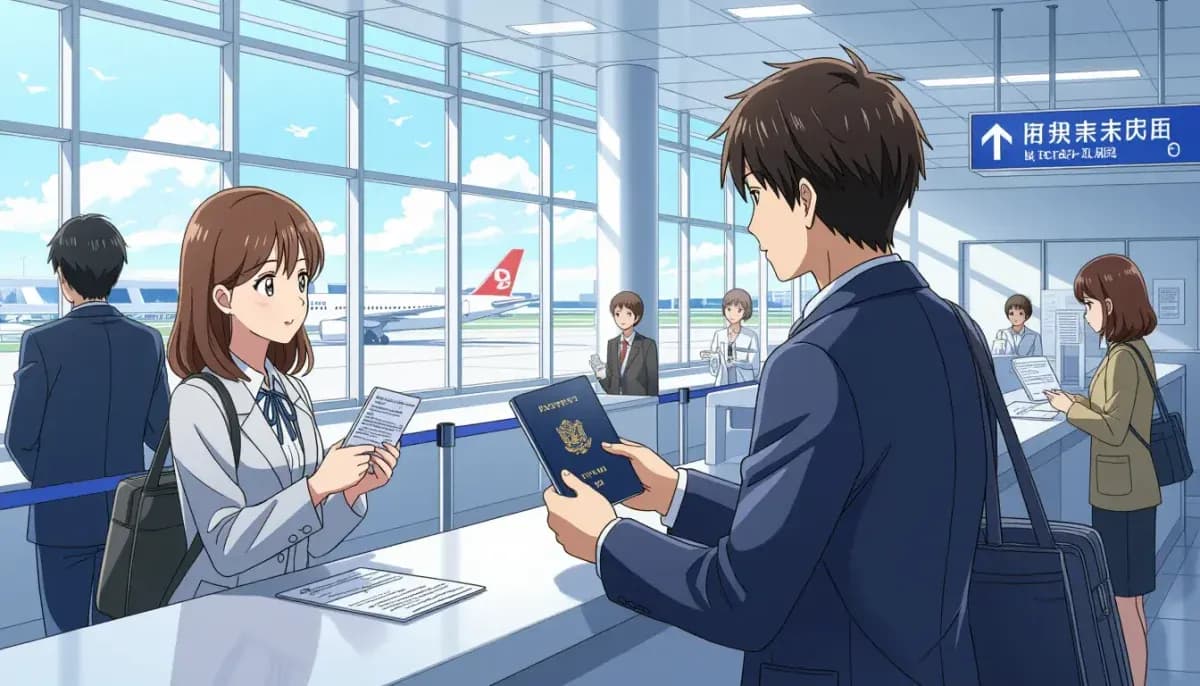
Japan Re-Entry Permit What You Need Before Leaving
Everything foreigners need to know about Japan re-entry permits before leaving the country. Covers special vs standard permits, airport procedures, permanent resident rules, fees, and consequences of forgetting.
Read more →
How to Sell Your Belongings Before Leaving Japan
Complete guide to selling your belongings before leaving Japan. Learn which platforms, recycle shops, and Sayonara Sale groups work best for expats clearing out their apartments.
Read more →
Transferring Money Out of Japan Before You Leave
Complete guide to transferring money out of Japan before leaving. Compare Wise, Western Union, Seven Bank, fees, customs rules, exit tax, and pension refund tips for foreigners.
Read more →