
Understanding Japanese Lease Contracts for Foreigners

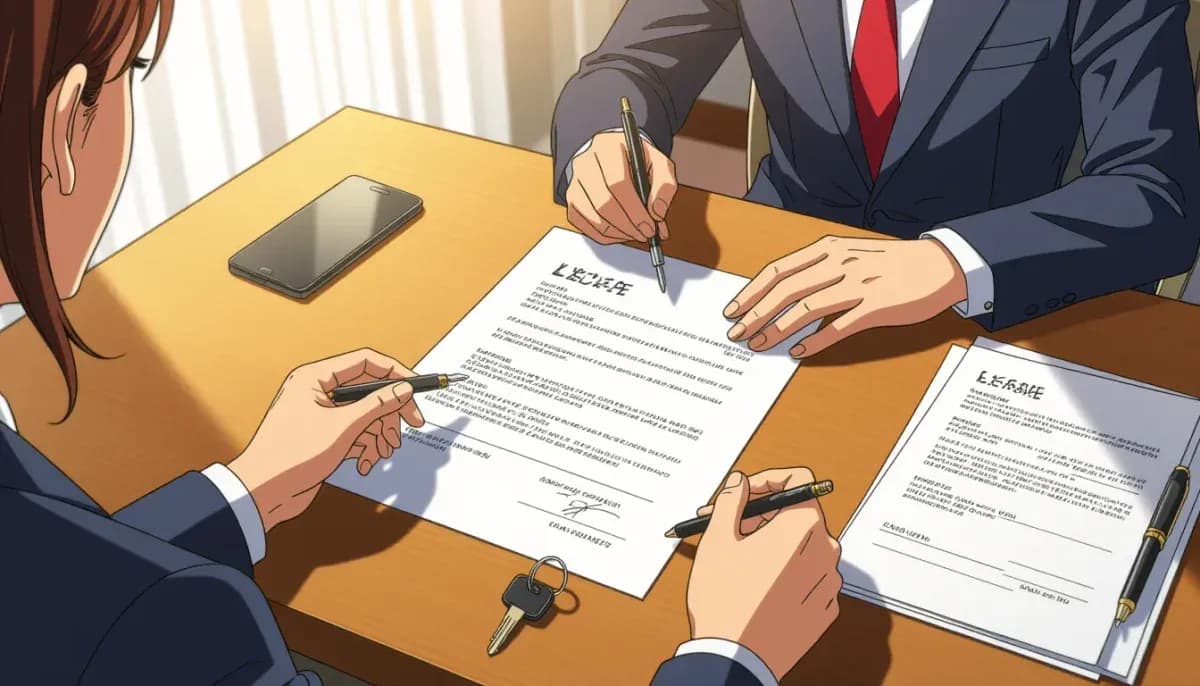
Understand Japanese lease contracts as a foreigner. Learn about key money, deposits, guarantor requirements, essential clauses, and tips to protect yourself when renting in Japan.
Understanding Japanese Lease Contracts for Foreigners
Signing a lease contract in Japan can feel overwhelming, especially when the entire document is written in Japanese and filled with unfamiliar legal terms. Whether you are renting your first apartment in Tokyo or relocating to a quieter city like Fukuoka, understanding the structure and key clauses of a Japanese lease agreement is essential. This guide breaks down everything you need to know about Japanese lease contracts so you can sign with confidence and avoid costly surprises.
Types of Lease Contracts in Japan
Japan has two primary types of residential lease agreements, and the one you sign significantly affects your rights as a tenant.
Ordinary Lease (Futsu Shakuya Keiyaku) is the most common type. It typically lasts two years and gives tenants the right to renew. Landlords cannot refuse renewal without a legally justified reason, which provides strong tenant protection under Japanese law.
Fixed-Term Lease (Teiki Shakuya Keiyaku) automatically expires at the end of the contract period with no renewal rights. If you want to continue living in the property, you and the landlord must negotiate and sign an entirely new agreement. This type is less common but increasingly used in furnished apartments and properties aimed at short-term residents.
| Feature | Ordinary Lease | Fixed-Term Lease |
|---|---|---|
| Typical Duration | 2 years | 1-3 years |
| Renewal Rights | Yes, tenant-protected | No automatic renewal |
| Early Termination | 1 month notice usually | May have penalties |
| Common Usage | Most apartments | Furnished, short-term |
| Rent Negotiation | Possible at renewal | Fixed until expiry |
For most foreigners planning to stay in Japan long-term, an ordinary lease offers the best stability and flexibility. If you are still exploring your options for housing, check out our complete guide to finding housing in Japan for a broader overview.
Key Costs and Fees in a Japanese Lease
One of the biggest shocks for foreigners renting in Japan is the upfront cost. Unlike many Western countries where you pay a deposit and first month's rent, Japanese leases come with several additional fees that can add up to four to seven months of rent before you even move in.
Security Deposit (Shikikin) is typically one to two months' rent. This refundable deposit covers potential damages beyond normal wear and tear. In Tokyo, expect to pay between ¥150,000 and ¥300,000 for a ¥150,000 per month apartment.
Key Money (Reikin) is a uniquely Japanese custom. This non-refundable payment to the landlord is essentially a "thank you gift" for allowing you to rent the property. It usually ranges from zero to two months' rent. The good news is that less than half of renters now pay key money, and zero-key-money listings are becoming increasingly common, especially in Tokyo and Osaka.
Agent's Fee (Chukai Tesuryo) is the real estate agency commission, usually one month's rent plus tax.
Guarantor Company Fee (Hoshonin Kaisha) ranges from 30% to 100% of one month's rent. Since most landlords require a Japanese guarantor and most foreigners do not have one, a guarantor company serves as a paid alternative.
Other Costs include fire insurance (¥15,000-¥20,000 per year), lock-changing fee (¥15,000-¥25,000), and the first month's rent paid in advance.
For a ¥100,000 per month apartment, you could easily pay ¥600,000 to ¥900,000 upfront. Understanding these costs is crucial for budgeting your life in Japan. Rural areas tend to be more affordable, with many properties waiving key money altogether.
Essential Clauses Every Foreigner Should Understand
Japanese lease contracts contain several clauses that may be unfamiliar to renters from other countries. Here are the most important ones to review carefully before signing.
Genjou Kaifuku (Restoration Obligation) requires you to return the apartment to its original condition when you move out, minus normal wear and tear. This is one of the most common sources of disputes between tenants and landlords. Document the condition of your apartment with photos when you move in, and keep records of any pre-existing damage. Cleaning fees are often deducted from your deposit, so ask for a clear breakdown of expected charges upfront. For more details on navigating daily life logistics in Japan, including utility setup and maintenance responsibilities, see our dedicated guide.
Prohibited Activities are strictly outlined in most contracts. Common restrictions include no pets without written consent, no subletting, no running a business from the apartment, no modifications to walls or fixtures, and noise restrictions especially during nighttime hours.
Contract Renewal Terms specify the renewal fee (koshinryo), which is typically one month's rent every two years. This is separate from key money and is paid each time you renew your lease.
Early Termination usually requires one to two months of written advance notice. Check your contract carefully, as fixed-term leases may impose penalties for breaking the contract early. If your job situation changes or you need to relocate, understanding these terms can save you money.
Documents Required to Sign a Lease
Preparing the right documents in advance can speed up the application process significantly. Japanese landlords and management companies typically require the following.
For the Tenant:
- Valid passport with current visa
- Residence card (Zairyu Card)
- Certificate of Employment or enrollment letter from your company or school
- Proof of income such as recent pay slips or tax certificates
- Japanese phone number
- Japanese bank account details
- Emergency contact in Japan
For the Guarantor (or Guarantor Company):
- If using a personal guarantor, they must provide proof of identity, income, and Japanese residency
- If using a guarantor company, you typically only need to submit your own documents along with the company's application form
Your visa type matters significantly in the rental process. Holders of work visas and spouse visas generally find it easier to secure apartments, while student visa holders or those on short-term visas may face additional scrutiny.
How to Navigate the Signing Process
The process of renting an apartment and signing a lease in Japan follows a fairly structured timeline. Planning ahead is key, especially as a foreigner who may need extra time for document preparation and translation.
Three Months Before Move-In: Start researching neighborhoods and listing your requirements. Decide on your budget including all upfront costs. Browse listings on major rental sites or contact a foreigner-friendly real estate agency.
Two Months Before: Schedule property viewings. Visit multiple apartments and take notes. Ask questions about the building rules, neighborhood, and any recent issues.
One Month Before: Submit your rental application. The landlord and management company will review your application, which may take one to two weeks. During this time, gather all required documents.
Three Weeks Before: If approved, you will receive the Juusetsu (Important Matters Explanation). This legally required document explains the property details, monthly costs, prohibited activities, renewal fees, and termination procedures. A licensed real estate agent must explain this document to you in person before you sign.
Signing Day: Review and sign the lease contract. Pay all initial costs. Receive your keys and move-in instructions.
For those still figuring out their banking setup in Japan, note that most initial payments must be made via Japanese bank transfer, so having your account ready beforehand is essential.
Tips for Foreigners to Protect Themselves
Navigating a Japanese lease as a foreigner comes with unique challenges, but these practical tips can help you avoid common pitfalls.
Get a Translation: Contracts are almost always in Japanese. Ask the real estate agency for an English summary, or hire a professional translator to review the contract. Never sign a document you do not fully understand. Learning key Japanese terms related to housing can also be helpful.
Use a Foreigner-Friendly Agency: Some agencies specialize in helping foreign residents and offer English-language support throughout the process. This can make a massive difference in understanding your rights and obligations. Resources like Living in Nihon's rental contracts guide provide valuable information specific to foreign renters.
Document Everything: Take timestamped photos of every room, wall, floor, and fixture on the day you move in. Send copies to your landlord or management company. This protects you from unfair restoration charges when you move out.
Understand Your Rights: Japanese tenant protection laws are actually quite strong. Under an ordinary lease, your landlord cannot evict you without a justified legal reason, and rent increases must be reasonable. The For Work in Japan housing guide offers additional perspective on your rights as a foreign tenant.
Negotiate Where Possible: Key money, agent fees, and even rent can sometimes be negotiated, especially during off-peak moving seasons (avoid March and April, which are peak season). Properties that have been vacant for a while may offer more room for negotiation.
Alternatives to Traditional Leases
If the traditional Japanese lease process seems too expensive or complicated, several alternatives exist that may better suit your situation.
UR Housing (Urban Renaissance Agency) offers government-managed rental apartments with no key money, no agent fees, and no guarantor requirement. The trade-off is that availability can be limited and the application process requires proof of sufficient income, typically 33 times the monthly rent in savings or stable monthly income that is four times the rent.
Share Houses provide furnished rooms with shared common spaces at a fraction of the cost. Most share houses require no key money and minimal deposits, making them ideal for newcomers who want to settle in before committing to a full apartment lease.
Monthly Mansions and Serviced Apartments offer fully furnished short-term rentals with all-inclusive pricing. While more expensive per month than regular apartments, they eliminate the massive upfront costs and lengthy contract commitments.
Company Housing (Shataku) is provided by some employers, especially for foreign hires. If your company offers housing support, this can significantly simplify the process and reduce costs. For more on employer benefits, see our guide on working in Japan as a foreigner.
For those exploring career transitions or IT opportunities in Japan, Ittenshoku provides resources on career development that may include employer housing benefits.
What to Do When Problems Arise
Even with careful preparation, issues can arise during your tenancy. Knowing where to turn for help is important.
For Deposit Disputes: If your landlord withholds an unreasonable amount of your deposit, you can consult the local Consumer Affairs Center (Shohi Seikatsu Center) or a legal aid organization. Keep all records of communication with your landlord.
For Repair Issues: Under Japanese law, landlords are responsible for structural repairs and maintaining the property in habitable condition. If your landlord ignores repair requests, document everything in writing.
For Discrimination: Unfortunately, some landlords still refuse to rent to foreigners. While this practice is becoming less common, if you experience discrimination, organizations like the Japan Legal Support Center (Houterasu) can provide free legal consultation.
Understanding your rights regarding taxes and legal matters in Japan is also valuable, as some rental expenses may be tax-deductible depending on your situation.
Conclusion
Japanese lease contracts may seem complex at first glance, but they follow a logical structure once you understand the key terms and costs involved. The most important steps are to budget for the substantial upfront costs, carefully review every clause before signing, document the apartment condition on move-in day, and know your rights as a tenant. With proper preparation and the right support, finding and securing a great apartment in Japan is absolutely achievable. Start your housing search with confidence, and remember that plenty of resources and foreigner-friendly agencies are available to help you every step of the way.

Originally from Vietnam, living in Japan for 16+ years. Graduated from Nagoya University, with 11 years of professional experience at Japanese and international companies. Sharing information about living in Japan for foreigners.
View Profile →Related Articles
Tokyo Apartment Hunting Tips for Foreigners
Complete guide to finding an apartment in Tokyo as a foreigner. Learn about rental costs, required documents, guarantor system, best neighborhoods, and negotiation strategies for expats.
Read more →
Short Term Housing Options in Japan for Foreigners
Discover the best short term housing options in Japan for foreigners, including monthly apartments, share houses, serviced apartments, and vacation rentals with costs and tips.
Read more →
Furnished vs Unfurnished Apartments in Japan
Compare furnished and unfurnished apartments in Japan with detailed cost breakdowns, pros and cons, and practical tips for foreigners choosing the right rental option.
Read more →
Complete Guide to Moving Out of a Japanese Apartment
Step-by-step guide to moving out of a Japanese apartment as a foreigner. Learn about notice periods, security deposits, restoration fees, cleaning tips, and how to protect your deposit refund.
Read more →
Monthly Apartment Costs in Japan Fully Explained
Complete breakdown of monthly apartment costs in Japan including rent by city, utilities, internet, management fees, and budget-saving tips for foreign residents.
Read more →
How to Get a Guarantor Company in Japan
Complete guide to getting a guarantor company (hoshō kaisha) in Japan as a foreigner. Learn about types, costs, application process, required documents, and tips for approval.
Read more →