
Japan Real Estate Scams to Watch Out For

Learn how to spot and avoid Japan real estate scams. From fake listings and key money fraud to unlicensed agents — protect yourself with our complete guide for foreigners renting or buying in Japan.
Japan Real Estate Scams to Watch Out For: A Complete Guide for Foreigners
Finding housing in Japan can be an exciting but overwhelming experience for foreigners. The rental market has its own set of rules, customs, and fees that differ significantly from Western countries — and unfortunately, this complexity creates opportunities for scammers to prey on newcomers who don't know what's normal. From fake listings that copy real photos to unlicensed agents charging inflated key money, Japan real estate scams come in many forms.
This guide will walk you through the most common scams targeting foreign residents, the red flags you need to recognize, and the practical steps you can take to protect yourself. Whether you're searching for your first apartment in Tokyo or looking to buy property as a long-term resident, being informed is your best defense.
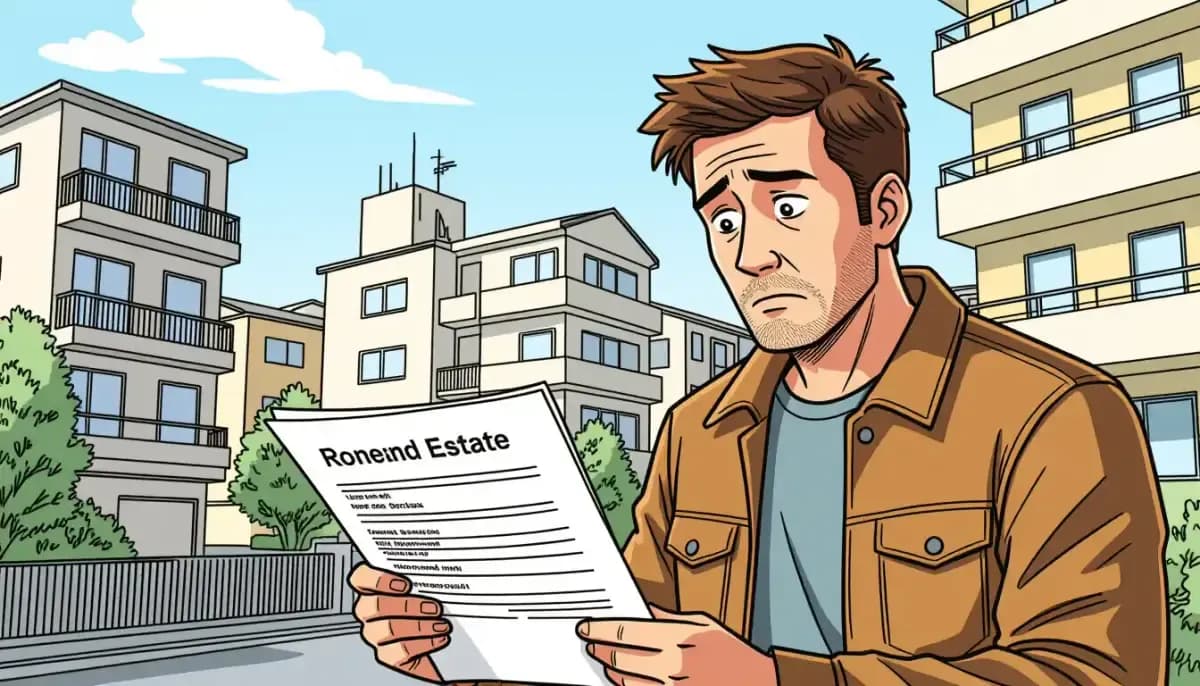
!Japan real estate apartment buildings exterior view

The Most Common Japan Real Estate Scams Targeting Foreigners
1. Fake Listings and Bait Properties
The most widespread scam involves fake property listings designed to lure in unsuspecting renters. Scammers copy photos, descriptions, and pricing from legitimate listings on sites like SUUMO, HOME'S, or At Home, then repost them on social media groups, fake websites, or overseas platforms at slightly lower prices to seem attractive.
Once you contact them, they'll ask for a deposit before you can view the property, claiming it's to "hold" the apartment. After you transfer the money, the landlord becomes unreachable — or you show up to discover the property doesn't exist, is already rented, or belongs to someone else entirely.
How to spot it:
- Prices are noticeably below the neighborhood average
- The listing is on a Facebook group, LINE group, or informal website rather than an established Japanese portal
- The landlord is described as "overseas" and can only communicate by email or messaging app
- You're asked to pay before seeing the property in person
2. Key Money and Fee Inflation Scams
Japan has a legitimate practice called reikin (礼金), or "key money" — a non-refundable payment made to the landlord as a gesture of gratitude when signing a lease. It's traditionally 1–2 months' rent, and while controversial, it's legal. However, unscrupulous agents sometimes inflate these fees far beyond what's standard, knowing that foreign renters are unfamiliar with the norm.
Beyond key money, you might also be charged excessive agency fees (仲介手数料) above the legal limit of one month's rent, fabricated "administrative fees," unnecessary insurance products, or overpriced cleaning contracts before even moving in.
What's legal vs. what's not:
| Fee | Legal Maximum | Common Scam |
|---|---|---|
| Key money (reikin) | Negotiable (0–2 months) | Charged at 3+ months |
| Security deposit (shikikin) | Negotiable (1–2 months) | Non-refundable clause hidden in contract |
| Agency fee | 1 month's rent + tax | Charged twice or inflated |
| Cleaning fee | Actual cost | Fixed at 100,000+ yen regardless |
| Lock replacement fee | Actual cost | Charged without actually replacing lock |
3. Zero-Zero Bukken Hidden Fee Traps
Listings advertised as "zero-zero bukken (ゼロゼロ物件)" — meaning zero deposit and zero key money — seem like a great deal, especially for foreigners trying to minimize upfront costs. But these listings often hide other charges designed to make up the difference:
- Upfront cleaning fees of 30,000–60,000 yen required at contract signing
- Short-term cancellation penalties requiring 1–2 months' rent if you leave within the first year
- High monthly management fees not mentioned in the headline price
- Required "life support" or concierge services with expensive monthly fees
Always read the full contract and ask your agent to explain every single fee before signing.
4. Unlicensed Real Estate Agents
In Japan, operating as a real estate agent requires a valid national or prefectural license (宅地建物取引業免許). Licensed agencies must display their license number prominently, and their agents (宅地建物取引士, or "takken-shi") must show their credentials when conducting transactions.
Unlicensed agents operate outside the law, which means they face no consequences for breaking promises or misrepresenting properties. They often target foreigners through English-language social media, expat forums, or WeChat/LINE groups, presenting themselves as helpful intermediaries who understand the struggles of being foreign in Japan.
How to verify a license:
- Ask the agent to show their license (免許証) and takken-shi card
- Check the Ministry of Land, Infrastructure, Transport and Tourism (MLIT) database online
- The license number will appear on any legitimate agency's website and business materials
5. Property Ownership Fraud
The most serious — and costly — real estate scams involve fraudulent property ownership. In one documented case in Osaka, a criminal group forged ownership documents for three landmark buildings, using fake seal-registration certificates and altered corporate records to convince foreign-run companies to pay approximately ¥1.45 billion (roughly US $9 million) in fraudulent transactions.
While such extreme cases are rare, smaller-scale ownership fraud does occur. Someone may claim to own a property they're renting, subleasing it without permission and pocketing your deposit. Or they may use forged documents to sell a property they don't own.
Protection:
- Always verify property ownership through the Legal Affairs Bureau (法務局) registry — available online through the MOJ's registration information system
- Confirm that the person you're dealing with is actually listed as the owner or their authorized representative
- Never transfer large sums of money without verifying ownership documentation first
!Expat reviewing apartment rental contract in Japan

Why Foreigners Are Especially Vulnerable
Several factors make foreigners in Japan particularly easy targets for real estate scams:
Language barriers — Most Japanese rental contracts, property listings, and legal documents are entirely in Japanese. Without fluency, it's easy to miss problematic clauses, hidden fees, or misrepresentations buried in the fine print.
Unfamiliarity with normal fees — Japan's rental market has many unusual upfront costs (key money, deposits, agency fees, guarantor fees, fire insurance) that don't exist elsewhere. Foreigners often can't distinguish legitimate fees from inflated or fake ones.
Difficulty getting guarantors — Many landlords require a Japanese guarantor (保証人), which foreigners often can't provide. This makes foreigners more likely to turn to agencies or platforms that don't require guarantors — some of which operate outside normal regulatory frameworks.
Distance and time pressure — Many foreigners search for housing before arriving in Japan, creating pressure to commit to a property without seeing it in person.
Isolation and limited networks — Without local connections to ask for advice or referrals, newcomers rely more heavily on online resources and strangers, increasing exposure to bad actors.
For a broader overview of finding housing in Japan safely, see our complete guide to finding housing in Japan as a foreigner.
Red Flags: Warning Signs of a Japan Real Estate Scam
Here's a quick checklist of red flags to watch for at every stage of your apartment search:
| Stage | Red Flag | What It Suggests |
|---|---|---|
| Listing | Price far below market rate | Fake or bait listing |
| Listing | Listed only on social media or informal site | Unverified, possibly fraudulent |
| Contact | Agent refuses phone calls or in-person meetings | Hiding identity |
| Contact | Requests payment before viewing | Classic advance fee fraud |
| Contact | Claims to be overseas owner | Common scam persona |
| Viewing | Agent shows property but can't show ownership docs | May not have authorization |
| Contract | Fees not itemized clearly | Hidden or inflated charges |
| Contract | Unusually high key money or cleaning fees | Fee inflation scam |
| Payment | Requests wire to personal account, Western Union, crypto | Fraudulent payment method |
| Payment | Pressures you to "pay now or lose it" | Artificial urgency tactic |
How to Protect Yourself: Practical Steps
Use Only Verified Platforms
Stick to established, licensed Japanese real estate platforms:
- SUUMO (スーモ) — Japan's largest rental portal, all agents verified
- HOME'S (ホームズ) — Major platform with licensed partners
- At Home (アットホーム) — Nationwide database used by licensed agencies
- GaijinPot Apartments — Foreigner-friendly platform with English support
- Sakura House, Leopalace — Established companies catering to foreigners
Avoid listings posted only on Facebook groups, LINE groups, Craigslist, or informal expat forums.
Verify the Agent's License
Ask to see the agency's license number and the agent's takken-shi certificate. You can verify these through the MLIT's online database. Any legitimate agency will display their license number on their website and business cards.
Always View Before You Pay
Never send any money — not even a small "holding fee" — before you have personally viewed the property (or had a trusted representative do so on your behalf). Video calls showing the apartment are acceptable but not a substitute for in-person verification.
Get Everything in Writing
All fees, conditions, and agreements must be clearly stated in the written contract. If your agent can't explain why a particular fee exists, or won't put it in writing, walk away. Under Japanese law, agents must provide an Explanation of Important Matters (重要事項説明) before you sign — this document lists all fees, restrictions, and conditions and must be reviewed carefully.
Verify Property Ownership
Before signing a purchase contract or paying a large deposit, verify the property's registered owner through the Legal Affairs Bureau (法務局). You can do this online through the Ministry of Justice's registration system for a small fee.
Know Your Legal Rights
Japan's real estate law protects tenants in several ways:
- Agency fees cannot exceed one month's rent
- Agents must return your deposit (minus legitimate deductions) when you move out
- Landlords cannot enter your unit without notice
- Any deductions from your deposit must be documented and justified
If you believe you've been scammed or mistreated, contact the Consumer Affairs Agency (消費者庁) or your local Consumer Life Center (消費生活センター). These centers offer free advice and can mediate disputes, with some offering multilingual support.
For more on protecting your rights in Japan, see our guide to daily life in Japan for foreigners.
Where to Find Legitimate Help
Official Resources:
- Consumer Affairs Agency: www.caa.go.jp (Japanese)
- Legal Affairs Bureau (法務局): Property registration verification
- MLIT Real Estate License Search: Online verification tool
Foreigner-Friendly Real Estate Services:
- Bamboo Routes — English resources on Japan property market
- Weave Living — Blog with rental scam guides
- Real Estate Guide Japan — Tokyo-focused rental advice
Partner Resources:
- Living in Nihon: Move-Out Disputes Guide — Covers restoration disputes and deposit recovery
- For Work in Japan: Housing Guide — Comprehensive housing and infrastructure guide for foreigners
- Ittenshoku — Job and relocation support for foreigners in Japan
What to Do If You've Been Scammed
If you've already fallen victim to a real estate scam in Japan, don't panic — take these steps immediately:
- Stop all payments — Do not send any additional money under any circumstances
- Document everything — Save all emails, messages, receipts, and any documents received
- Report to police — File a report with the nearest keisatsu (警察署); bring all documentation
- Contact Consumer Life Center — Call the national hotline 188 for advice on your options
- Contact your embassy — Your country's embassy may be able to assist with resources or referrals
- Consult a lawyer — If significant money is involved, a lawyer specializing in real estate can advise on recovery options
Recovery of lost money is not guaranteed, but reporting helps authorities track scam networks and may prevent others from falling victim.
Staying Safe: The Golden Rules
Japan's rental market is generally safe and well-regulated — the vast majority of transactions are completely legitimate. But as a foreigner, your vulnerability to the minority of bad actors is higher. Keep these golden rules in mind:
- If it seems too good to be true, it is — Significantly below-market prices are always a red flag
- Never pay before viewing — No exceptions
- Verify credentials — Check agent licenses and property ownership
- Read everything — Every fee in your contract must make sense
- Ask for help — Don't be afraid to bring a Japanese-speaking friend or use professional services
For more context on the costs involved in renting in Japan legitimately, see our complete guide to cost of living in Japan.
With the right information and a careful approach, you can navigate Japan's rental market safely and find a great home without falling victim to scammers.

Originally from Vietnam, living in Japan for 16+ years. Graduated from Nagoya University, with 11 years of professional experience at Japanese and international companies. Sharing information about living in Japan for foreigners.
View Profile →Related Articles

Airbnb and Minpaku Investment in Japan Legal Guide
A complete guide to Airbnb and minpaku investment in Japan for foreigners. Learn about licensing types, registration steps, regional restrictions, investment returns, and legal requirements under Japan's Private Lodging Business Act.
Read more →
Japan Property Buying Process Step by Step Explained
Complete step-by-step guide to buying property in Japan as a foreigner. Covers the 7 stages from property search to ownership transfer, costs, timelines, and legal requirements.
Read more →
Japan Condo Mansion vs House Which to Buy
Comparing Japan mansion (condo) vs detached house for foreign buyers. Full breakdown of costs, monthly fees, value retention, earthquake safety, mortgages, and which option fits your lifestyle.
Read more →
Best Areas to Buy Property in Japan for Investment
Discover the best areas to buy property in Japan for investment. Compare Tokyo, Osaka, Fukuoka, Kyoto and more with rental yields, price trends, and tips for foreign investors.
Read more →
Rental Income Tax in Japan for Foreign Property Owners
Complete guide to rental income tax in Japan for foreigners. Learn about the 20.42% withholding tax for non-residents, deductible expenses, tax agent requirements, and how to file your Japanese tax return.
Read more →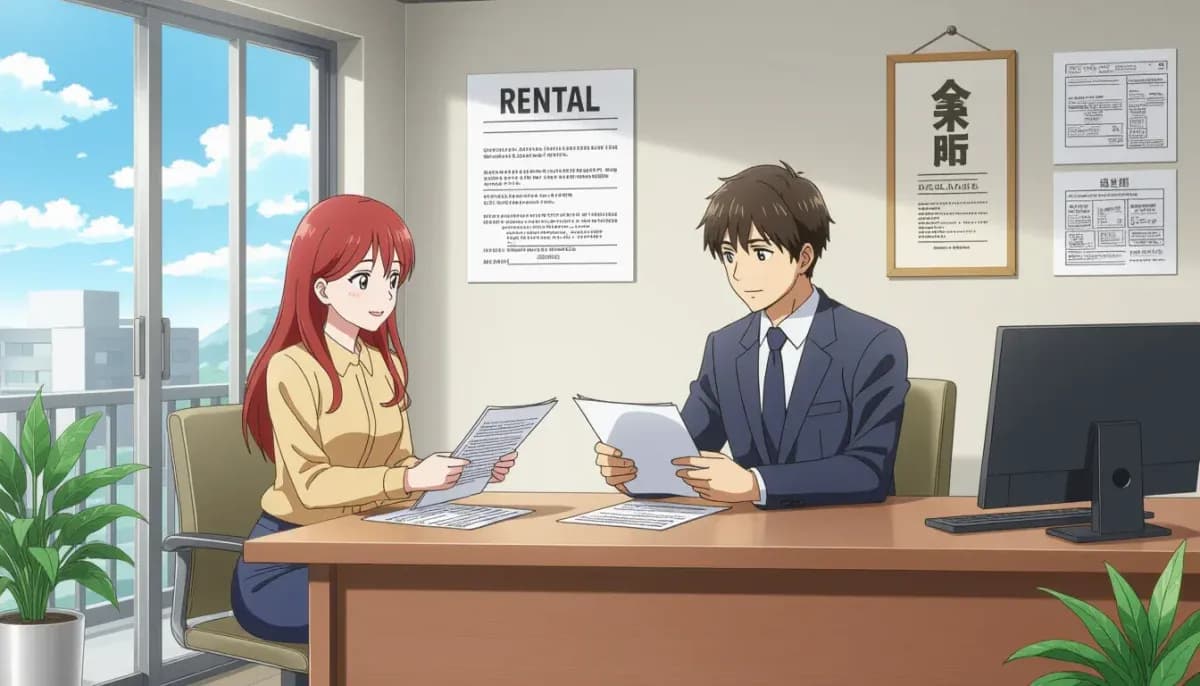
Property Management in Japan Guide for Foreign Owners
Everything foreign owners need to know about property management in Japan: management fees, bilingual companies, tax obligations, legal requirements, and tips for managing rental property from overseas.
Read more →