
How to Deal with Loneliness as a Foreigner in Japan

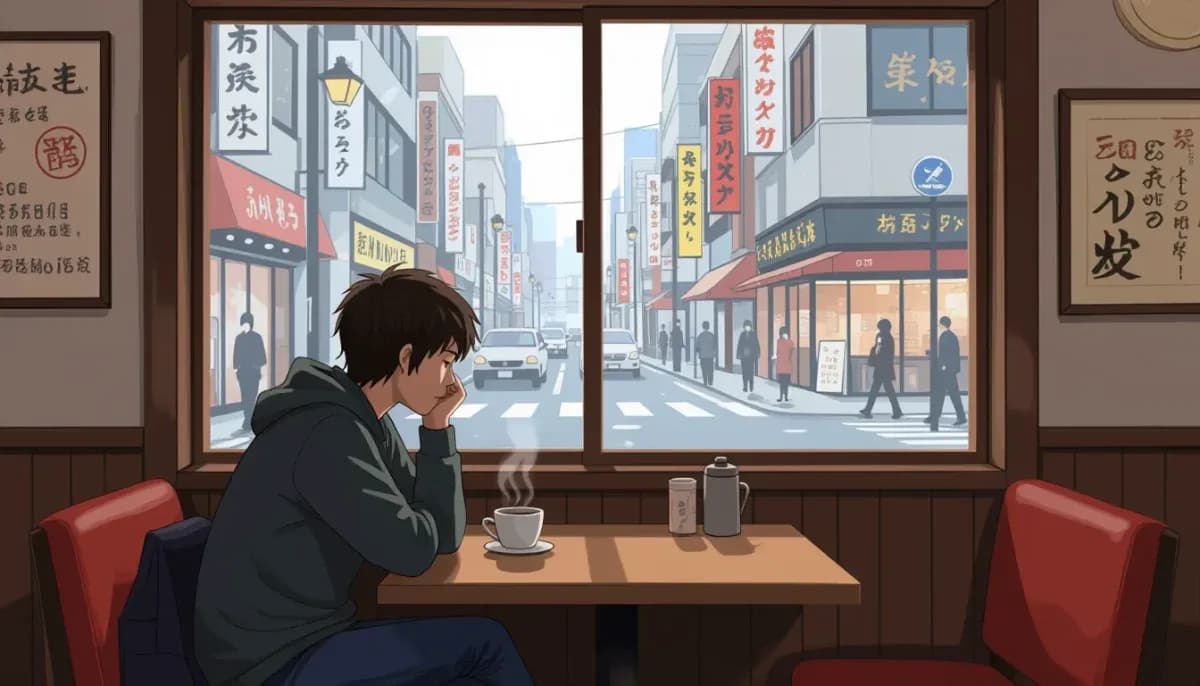
Feeling lonely in Japan? Discover practical strategies to build friendships, connect with the expat community, and find mental health support as a foreigner living in Japan.
How to Deal with Loneliness as a Foreigner in Japan
Moving to Japan is an exciting adventure, but the reality of daily life can hit hard. Once the novelty of vending machines and cherry blossoms fades, many foreigners find themselves dealing with something unexpected: deep, persistent loneliness. You are surrounded by millions of people yet feel completely alone. This is one of the most common — and least talked about — challenges of expat life in Japan, and you are far from alone in experiencing it.
Japan itself is a country grappling with isolation. According to OECD data, around 10% of people in Japan have no social interaction outside their family. The situation became so serious that Japan appointed its first Minister for Loneliness and Isolation in 2021, and in April 2024, passed a law officially recognizing loneliness and isolation as national issues requiring government action. Understanding this context helps: loneliness in Japan is not just your personal struggle — it is a social challenge that even the Japanese government is working to address.
This guide offers practical strategies to help you build genuine connections, maintain your mental health, and turn Japan from a place where you feel like an outsider into a place that truly feels like home.
Why Loneliness Hits Foreigners in Japan So Hard
Before diving into solutions, it helps to understand why loneliness can be so intense for foreigners in Japan specifically. The causes run deeper than just being far from family.
Language barriers create invisible walls. Even after years of study, many foreigners plateau at a conversational level that is fine for daily transactions but not deep enough for real friendship. The kind of conversations where you talk about your fears, your dreams, your frustrations require a level of fluency that takes years of deliberate effort to develop. Until then, every interaction can feel slightly performative and exhausting.
Japanese social circles form around shared institutions. Work groups, school groups, sports clubs, neighborhood associations — these are the building blocks of Japanese friendship. If you did not grow up in Japan, you are starting from outside those circles. And while many Japanese people are genuinely warm and friendly, the gap between being friendly and becoming a friend can feel enormous. A Japanese colleague might chat happily with you at work but never suggest meeting up outside of it.
Cultural communication differences add another layer. Japanese communication is often indirect, relying heavily on reading between the lines and understanding unspoken social rules. As a foreigner, you may miss these cues or send unintended signals, leading to misunderstandings that make social interactions feel unpredictable or discouraging.
Homesickness compounds everything. Missing your family, your friends back home, familiar foods, and the ease of communicating in your native language adds an emotional weight that colors all your experiences. What might otherwise be a minor inconvenience — a confusing bureaucratic process, a difficult day at work — can feel devastating when you are already emotionally depleted.
For a deeper understanding of the cultural dynamics at play, The Complete Guide to Japanese Culture and Etiquette provides valuable context for navigating social situations in Japan.
Building Your Social Foundation: Practical Strategies That Actually Work
The good news is that loneliness is not inevitable. Thousands of foreigners have built rich social lives in Japan. Here is what actually works.
Join Groups Built Around Shared Activities
In Japan, friendship almost always grows from doing things together repeatedly over time. This means you need to find groups where you will see the same people regularly. One-off events rarely lead to lasting friendships — the magic happens when you show up week after week and gradually become a familiar face.
Options worth exploring include:
- Sports clubs and recreational leagues: Running clubs, volleyball leagues, hiking groups. Physical activity + regular meetups = ideal conditions for friendship. Many clubs listed on Meetup.com specifically welcome foreigners.
- Language exchange partnerships: Japanese people learning English can be natural connection points. Apps like HelloTalk and Tandem facilitate these, but in-person language exchange events held at cafes and community centers tend to be more effective for building real friendships.
- Hobby groups: Whether you love board games, photography, cooking, or anime, there are clubs for everything in major Japanese cities. International House Japan and local ward offices often maintain lists of community groups.
- Volunteer organizations: Contributing to meaningful causes connects you with people who share your values. Animal rescue organizations like ALMA are particularly welcoming to foreigners.
For comprehensive guidance on fitness and activity options, see The Complete Guide to Fitness and Sports in Japan.
Take Japanese Language Classes in Person
Self-study has its place, but attending actual classes provides something apps cannot: classmates. Many foreigners report learning more Japanese in a single month of structured classes than in months of solo study — and they make friends in the process. The shared struggle of learning creates natural camaraderie.
Universities, community centers (kominkan), and private language schools all offer courses at various price points. Even one class per week gives you a regular social anchor and dramatically accelerates your cultural integration.
Learn more about language learning strategies in The Complete Guide to Learning Japanese as a Foreigner.
Embrace Workplace Social Culture
Japanese workplace culture includes strong social rituals that, if you participate in them, can be your fastest path to genuine friendships. The nomikai — after-work drinking sessions — are practically part of the job. They might feel optional, but showing up (even for just an hour, even if you do not drink) signals genuine interest in your colleagues as people.
Hanami (cherry blossom viewing parties), enkai (company banquets), and weekend department outings are other opportunities to connect with Japanese colleagues in relaxed, informal settings where real conversations happen. For context on workplace dynamics, The Complete Guide to Japanese Workplace Culture covers these social rituals in detail.
Consider Living Arrangements That Build Community
Where you live significantly affects your social life. Foreigners who live in gaijin houses (share houses designed for international residents) often report dramatically less loneliness than those in standard apartments. These living arrangements provide an immediate community — people to eat with, explore the neighborhood with, and talk to at the end of a hard day.
Tokyo, Osaka, and Kyoto all have numerous share house options, including ones with a mix of Japanese and international residents that provide natural language exchange opportunities. For housing options, see The Complete Guide to Finding Housing in Japan.
Maintaining Mental Health While Building Your Social Life
Building a social life takes time — months, not weeks. In the interim, actively managing your mental health is not optional; it is essential.
| Strategy | Why It Helps | How to Start |
|---|---|---|
| Regular exercise | Endorphin release, stress reduction, potential social connections | Join a gym, running club, or yoga studio |
| Maintain home connections | Prevents complete isolation during social-building phase | Schedule weekly video calls with family and close friends |
| Solo exploration | Reframes solitude as adventure, builds confidence and Japan knowledge | Day trips to Kamakura, Hakone, Nikko |
| Journaling | Processes emotions, tracks progress, reduces mental clutter | 10 minutes daily in your native language |
| Mindfulness practice | Reduces anxiety, improves present-moment awareness | Apps like Calm or Headspace, even 10 minutes daily |
| Professional counseling | Addresses deeper issues that practical strategies cannot resolve | TELL, Tokyo Counseling Services, online options |
The TELL Lifeline (03-5774-0992) provides 24-hour English mental health crisis support in Japan. Savvy Tokyo also has excellent tips for getting through the solo foreigner blues. Tokyo Counseling Services offers longer-term therapeutic support. The よりそいホットライン provides free multilingual support at 0120-279-338.
For comprehensive mental health resources, The Complete Guide to Mental Health and Wellbeing in Japan for Foreigners covers available services in detail.
Connecting with the Expat Community
The expat community in Japan is larger and more organized than many newcomers realize. Connecting with people who truly understand your experience — who have navigated the same bureaucratic hurdles, who have also felt the culture shock — provides a specific kind of comfort that even the best Japanese friendships cannot fully replicate.
Online communities:
- Facebook groups for foreigners in specific cities (Tokyo Expats, Osaka International Community, etc.)
- Reddit communities like r/japanlife where thousands of foreigners share experiences and advice
- Internations.org, which hosts social events specifically for expats worldwide, including major Japanese cities
In-person events:
- Foreign embassies and cultural centers frequently host community events
- International chambers of commerce (ACCJ for Americans, BCCJ for British) hold networking events
- Tokyo International Communication Committee (TICO) maintains resources for international residents
The Foreign Resident Support Center (FRESC) offers comprehensive support in 21 languages for residence, employment, and daily life challenges — and can connect you with local community organizations in your area.
Support Services: When You Need More Than Social Activities
Sometimes loneliness goes deeper than can be addressed by joining a hiking club. When you are struggling with genuine depression, anxiety, or the feeling that Japan is simply not working for you, professional support is the right call.
Japan has made real progress in mental health services for foreigners, though availability varies significantly by region. In major cities, English-language counseling is increasingly accessible. Key resources include:
TELL (Tokyo English Lifeline): Operating since 1973, TELL provides free English-language counseling via a 24-hour lifeline (03-5774-0992) and in-person therapy services. This is the most established mental health resource for English speakers in Japan.
TELL Community Counseling: Professional therapy in English for ongoing mental health support, not just crisis intervention.
AMDA International Medical Information Center: Provides multilingual medical information and can help you navigate Japan's healthcare system to access mental health services.
Advantage Counseling Center: Offers support in 100 languages through web-based services with auto-translation features.
For detailed guidance on navigating Japanese healthcare including mental health services, see The Complete Guide to Healthcare in Japan for Foreigners.
The Mental Health and Wellbeing Guide on Living in Nihon offers additional resources and coping strategies specifically designed for foreigners in Japan.
Making Japanese Friends: Long-Term Relationship Building
Many foreigners make the mistake of giving up on Japanese friendships after a few awkward interactions. The reality is that Japanese friendships simply take longer to develop — but they can be extraordinarily deep and loyal once established.
Key principles for building genuine Japanese friendships:
Be consistent and patient. Japanese social trust builds slowly through repeated positive interactions over time. Show up regularly to the same activities and groups. The person who seems distant at week one might become a close friend by month six.
Take initiative. Japanese social norms often mean that people will wait for others to make the first move on deepening a friendship. Send that LINE message. Suggest grabbing ramen after the club meeting. Your Japanese acquaintances may be waiting for you to take the lead.
Learn the language. This bears repeating: every level of Japanese proficiency you gain opens new doors. Conversations that were impossible at N5 become possible at N3. Deeper connections that require N2+ are worth working toward. Language ability is the single most impactful investment you can make in your social life in Japan.
Participate in Japanese cultural activities. Taking tea ceremony classes, joining a traditional sports club like kendo or judo, or volunteering for local festivals (matsuri) puts you in spaces where Japanese people see you as engaged with their culture rather than just passing through.
For comprehensive guidance on the social landscape, The Complete Guide to Making Friends and Social Life in Japan offers detailed strategies for every type of social connection.
The Long Game: Building a Life, Not Just Surviving
Here is a truth that most expat guides skip over: the loneliness often peaks around months three to six, then gradually improves as your language improves, your social network grows, and Japan starts to feel genuinely familiar rather than just exotic. The people who succeed long-term in Japan are usually not the ones with magical social skills — they are the ones who committed to a long-term approach and kept showing up even when it was uncomfortable.
Some practical milestones to aim for:
- Month 1-2: Establish one regular activity group or class. Prioritize consistency over variety.
- Month 3-4: Exchange contact information with at least three people you have met through activities. Follow up.
- Month 6: Aim for at least one Japanese friend or colleague you could call if you needed help.
- Year 1: Evaluate your overall social satisfaction honestly. If significant loneliness persists, consider professional support.
Japan is a country where long-term expats often find deep, abiding love for their adopted home. The learning curve is steep and the early months can be genuinely difficult. But with the right strategies, patience, and willingness to step outside your comfort zone, Japan can become not just a place you live, but a place where you truly belong.
For overcoming isolation through community and professional support networks, Overcoming Isolation in Japan: Cultural Barriers and Social Support offers additional perspectives from the expat community. The IT転職 Guide at Ittenshoku is also worth exploring if career transitions in Japan are contributing to your stress and isolation.
Final Thoughts
Loneliness as a foreigner in Japan is real, common, and ultimately conquerable. The country's social structures present genuine challenges for outsiders, but they are not insurmountable. Build consistency into your social life, invest seriously in Japanese language learning, use available support services when needed, and give yourself permission to acknowledge that this is hard — because it is.
The foreigner community in Japan is vast, warm, and more supportive than it might seem when you are just starting out. You are not alone in feeling alone. And with the strategies in this guide, you will not be alone for long.

Originally from Vietnam, living in Japan for 16+ years. Graduated from Nagoya University, with 11 years of professional experience at Japanese and international companies. Sharing information about living in Japan for foreigners.
View Profile →Related Articles

Counseling Services in Japan Available in English
Find English-speaking counseling and therapy services in Japan. Complete guide for foreigners including TELL Japan, Tokyo Mental Health, cost information, crisis hotlines, and online therapy options.
Read more →
Maintaining Overall Wellbeing as an Expat in Japan
A complete guide to maintaining physical, mental, and social wellbeing as an expat in Japan. Covers healthcare, mental health resources, work-life balance, and community building.
Read more →
Meditation and Mindfulness Practices in Japan
Discover how to practice meditation and mindfulness in Japan as a foreigner. From zazen at Zen temples to shinrin-yoku forest bathing, find your practice in Japan.
Read more →
Japanese Attitudes Toward Mental Health Explained
Understand Japanese attitudes toward mental health, stigma culture, and practical resources for foreigners seeking mental health support in Japan. Complete guide for expats.
Read more →
Seasonal Affective Disorder in Japan How to Manage
Struggling with seasonal mood changes in Japan? Learn how to recognize, treat, and manage Seasonal Affective Disorder (SAD) as a foreigner, including Japan-specific tips for tsuyu, gogatsubyou, and winter depression.
Read more →
Self Care Practices and Wellness in Japan
Discover the best self-care practices and wellness traditions in Japan for foreigners — from onsen and shinrin-yoku to mental health resources and meditation. Build your routine today.
Read more →