
Self Care Practices and Wellness in Japan

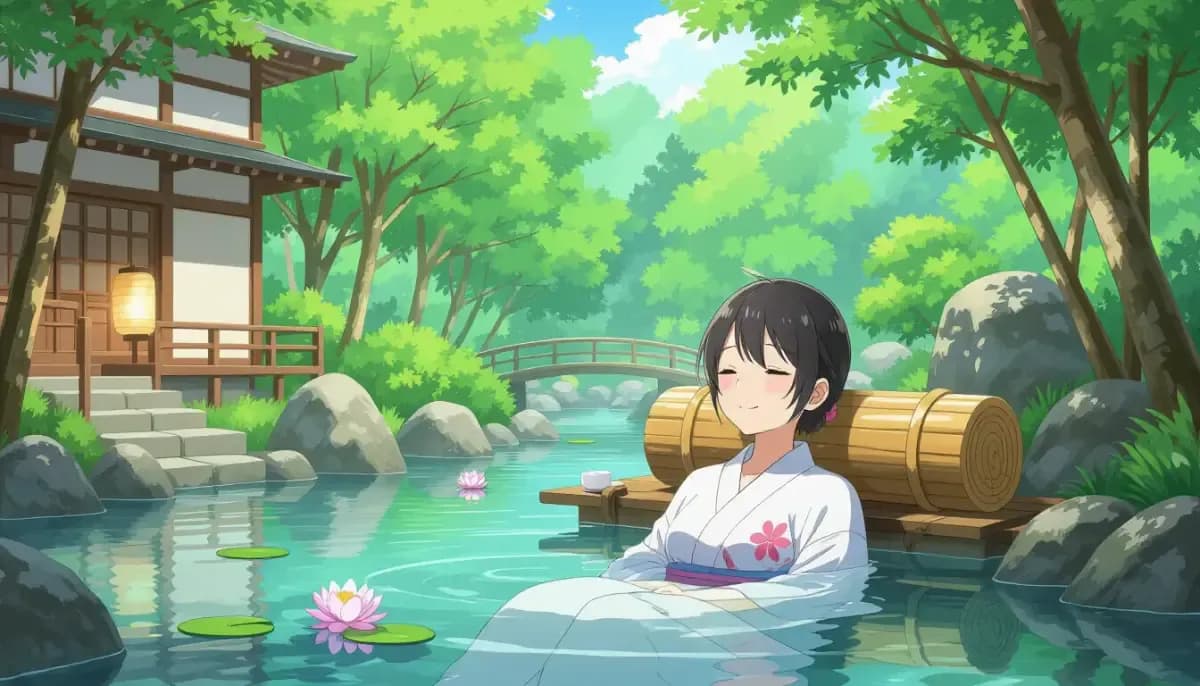
Discover the best self-care practices and wellness traditions in Japan for foreigners — from onsen and shinrin-yoku to mental health resources and meditation. Build your routine today.
Self Care Practices and Wellness in Japan: A Complete Guide for Foreigners
Living in Japan as a foreigner is an extraordinary experience — but it also comes with unique stressors. Language barriers, cultural adjustment, workplace pressures, and social isolation can all take a toll on your mental and physical health. The good news? Japan offers some of the world's most effective wellness traditions, and you can access them starting today.
This guide covers the best self-care practices and wellness strategies for foreigners in Japan — from ancient Japanese traditions to modern mental health resources — so you can thrive in your new home.
Understanding Wellness Culture in Japan
Japan has a deeply ingrained culture of wellness rooted in concepts like ikigai (finding purpose), ma (mindful space and pause), and wabi-sabi (accepting imperfection). These philosophies permeate daily life, offering foreigners a powerful toolkit for mental, physical, and emotional balance.
Approximately 6.15 million people in Japan struggle with mental health issues — including many foreign residents — yet Japan's wellness traditions date back thousands of years. The Japanese approach to wellbeing focuses on prevention, community, and deep connection to nature rather than reactive treatment.
For foreigners, tapping into these traditions offers a way to not only maintain your health but genuinely integrate into Japanese culture. Whether you're a long-term resident or newly arrived, understanding and practicing local wellness customs can transform your experience in Japan.
Key Japanese Wellness Philosophies
- Ikigai – Finding your reason for being; the intersection of passion, mission, vocation, and profession
- Kaizen – Continuous, small improvements applied to all areas of life, including health
- Shinrin-yoku – Forest bathing; immersing yourself in nature for mental and physical healing
- Ma (間) – The concept of sacred space and pause; allowing stillness to restore balance
Onsen: Japan's Healing Hot Spring Tradition
Few wellness experiences are as uniquely and powerfully Japanese as onsen — natural hot spring baths. With over 27,000 hot spring sources across the country, Japan is a paradise for those seeking therapeutic bathing.
In 2023 alone, 120.71 million people stayed at an onsen overnight in Japan, underscoring how central this practice remains to Japanese culture. Research has consistently validated what the Japanese have known for centuries: regular onsen bathing offers measurable health benefits.
A landmark study found that individuals who bathed in onsen after 19:00 were roughly 15% less likely to develop hypertension. The mineral-rich waters — which may contain sodium, sulfur, bicarbonate, or iron depending on the location — open blood vessels, promote circulation, reduce muscle tension, and support skin health.
Types of Onsen Waters and Their Benefits
| Water Type | Key Minerals | Primary Benefits |
|---|---|---|
| Alkaline Simple Springs | Sodium | Skin softening, relaxation |
| Sulfur Springs | Hydrogen sulfide | Joint pain, skin conditions |
| Bicarbonate Springs | Sodium bicarbonate | Cardiovascular support |
| Ironite Springs | Iron | Fatigue recovery, blood circulation |
| Chloride Springs | Sodium chloride | Retaining body heat, chronic pain |
| Radium Springs | Radon | Stress relief, immune support |
Onsen Etiquette for Foreigners
Most onsen require you to wash thoroughly before entering the bath. Tattoos are prohibited at many facilities, though this is gradually changing — some onsen now offer private bookings or have become tattoo-friendly. Swimwear is generally not permitted in traditional onsen; nude bathing is standard.
For foreigners with tattoos, look for kashikiri (private/reserved) onsen, which are available throughout Japan for a reasonable fee and allow couples or families to enjoy the experience privately. Sites like Japan National Tourism Organization offer guides to wellness travel.
Shinrin-yoku: The Science of Forest Bathing
Shinrin-yoku (森林浴), or "forest bathing," is one of Japan's most evidence-backed wellness practices. The Japanese government coined the term in the early 1980s, and the Forest Agency of Japan established it as a national health program in 1982.
Forest bathing doesn't mean hiking or exercising — it means mindfully immersing yourself in a forested environment using all your senses. No phones, no goals, no destination. Just presence.
Published research confirms that shinrin-yoku:
- Reduces blood pressure and lowers stress hormones (cortisol, adrenaline, noradrenaline)
- Strengthens immune function through exposure to phytoncides (antimicrobial compounds released by trees)
- Reduces anxiety and improves mood
- Lowers blood sugar levels and supports cardiovascular health
Japan has designated over 60 official Forest Therapy Trails (Shinrin-ryoho no Michi) across the country, with certified guides available at many. Popular locations include Yakushima Island, Nikko National Park, and the forests of Nagano and Hokkaido.
Even city dwellers can benefit — Tokyo's Meiji Jingu forest, Shinjuku Gyoen, and the forests of Takao-san (just 45 minutes from central Tokyo) offer accessible nature immersion without leaving the metropolitan area. For more on daily life and leisure, see our Complete Guide to Daily Life in Japan.
Meditation and Mindfulness: Zen Practices for Modern Life
Japan's meditation tradition is among the oldest and most refined in the world. Buddhist temples across the country offer meditation sessions (zazen) to the public — many in English — providing an accessible entry point for foreigners.
Daily 10-minute meditation can effectively lower stress levels, and Japan provides unique opportunities to practice in settings unavailable anywhere else.
Meditation Practices Available in Japan
- Zazen (坐禅) – Seated Zen meditation; available at temples like Engaku-ji in Kamakura and Eiheiji in Fukui. Many offer introductory sessions for English speakers.
- Shakyo (写経) – Sutra copying; a meditative Buddhist calligraphy discipline that calms the mind through focused, repetitive writing.
- Misogi (禊) – Shinto purification under waterfalls; a powerful, immersive practice available at several shrines and mountain sites.
- Kinhin (経行) – Walking meditation practiced between zazen sessions; brings mindfulness to movement.
Many temples also offer multi-day shukubo (temple lodging) experiences where you can immerse yourself in monastic routines including early morning meditation, vegetarian shojin ryori meals, and communal silence.
For foreigners navigating Japanese culture more broadly, our guide to Japanese Culture and Etiquette provides deeper context.
Mental Health Support for Foreigners in Japan
Mental health stigma remains a challenge in Japan, where cultural values around self-reliance and social harmony can make seeking help feel difficult. However, resources for foreigners have expanded significantly in recent years.
Approximately 6.15 million people struggle with mental health issues in Japan, and many foreign residents face compounding challenges: language barriers, culture shock, workplace stress, and isolation. Recognizing when to seek help — and knowing where to find it — is a crucial part of self-care.
Insurance Coverage for Mental Health
Foreign residents enrolled in national health insurance (NHI) or employment-based health insurance (EHI) receive psychiatric consultations and prescription medications at approximately 30% patient cost. The Self-Support Medical Assistance program (Jiritsu Shien Iryou) can reduce costs to 10% for those with ongoing mental health conditions — worth applying for if you're receiving regular treatment.
Stand-alone counseling at private centers typically requires self-payment, but ask your employer about Employee Assistance Programs (EAP) which may subsidize sessions.
English-Language Mental Health Resources
| Resource | Contact | Details |
|---|---|---|
| TELL Lifeline | 03-5774-0992 | English crisis support, daily |
| Yorisoi Hotline | 0120-279-338 | Multilingual, 24/7, 10+ languages |
| Tokyo English Lifeline | 0800-300-8355 | Free, confidential, daily |
| BetterHelp | Online platform | English therapy, subscription |
| International Mental Health Professionals Japan | IMHPJ.org | Find English-speaking therapists |
Telemedicine has expanded dramatically as a practical option, especially for initial consultations and medication management in English. Many international clinics in Tokyo, Osaka, and other major cities offer direct billing with international insurance.
For healthcare system navigation, see our Complete Guide to Healthcare in Japan for Foreigners. The Japan Handbook's mental health expat guide also provides detailed counseling and support resources.
You can also find additional guidance at Living in Nihon's Mental Health and Wellbeing Guide, which covers challenges specific to foreign residents.
Traditional Japanese Wellness Practices Worth Exploring
Beyond onsen, shinrin-yoku, and meditation, Japan offers a rich palette of wellness practices that foreigners can incorporate into daily life.
Head Spa Treatments
The Japanese head spa has gained international attention for good reason. A professional head spa session triggers parasympathetic nervous system activation — your body's "rest and digest" mode — reducing the stress hormone cortisol by up to 31% in a single session. Head spas are widely available at hair salons and specialized spas across Japan, typically priced between ¥3,000–¥8,000.
Ikebana (Flower Arranging)
Ikebana is far more than decoration — it's a meditative art form practiced in silence, requiring full concentration on form, space, and balance. Many community centers (kominkan) offer affordable introductory classes for residents, including foreigners.
Taiko Drumming
Rhythmic taiko drumming combines physical exercise, breath control, and communal energy in a uniquely Japanese package. Community taiko groups welcome beginners across Japan, and the practice has been shown to reduce stress and boost mood.
Sento (Public Bathhouses)
Sento — neighborhood public bathhouses — offer a more affordable alternative to onsen (typically ¥400–¥500 entry). While the water is heated rather than natural mineral water, the ritual of communal bathing provides relaxation, social connection, and the meditative benefits of warm water immersion.
For working professionals dealing with work-life balance, For Work in Japan offers practical guidance on navigating Japanese workplace culture.
Building a Sustainable Self-Care Routine in Japan
The most effective wellness practice is one you can sustain. Here's how to build a realistic self-care routine adapted to life in Japan:
Daily Practices (15–30 minutes)
- Morning taisou (radio calisthenics) — widely broadcast on NHK at 6:30 AM and practiced in parks across Japan
- 10-minute seated meditation or mindful breathing
- Journaling in your native language to process emotions and experiences
Weekly Practices
- Visit a local sento or onsen (many cities have neighborhood facilities)
- Spend time in a nearby park, forest, or garden practicing shinrin-yoku
- Join a community activity: language exchange, sports club, cooking class, or volunteer group
Monthly Practices
- Day trip to a natural environment (mountains, coast, or national park)
- Temple visit with meditation or sutra copying session
- Attend a cultural workshop (ikebana, calligraphy, tea ceremony)
Social connection is a particularly vital component of self-care for foreigners. Studies show isolation significantly worsens mental health outcomes. Japan's international community offers language exchange circles, expat meetups, and online communities where you can find belonging without losing your cultural identity.
For building your social life, see our Complete Guide to Making Friends and Social Life in Japan. You can also find wellness and work-life balance resources through Ittenshoku's IT Career Mental Health Guide if you're in the tech industry.
Conclusion: Thriving in Japan Through Intentional Wellness
Japan offers a remarkable environment for self-care — if you know where to look. From the healing waters of onsen to the quiet wisdom of Zen meditation, from scientifically validated forest bathing to accessible community wellness programs, the tools for physical and mental wellbeing are woven into the fabric of Japanese life.
The key for foreigners is intentionality: actively choosing to engage with these practices rather than waiting until stress reaches a breaking point. Build small, consistent rituals. Seek community. Don't hesitate to access professional mental health support when needed — it's covered by insurance and available in English in most major cities.
Living in Japan is a privilege and an adventure. With the right self-care practices in place, it can also be one of the healthiest chapters of your life.
For more on navigating life in Japan as a foreigner, explore our Complete Guide to Moving to Japan and our Complete Guide to Daily Life in Japan.

Originally from Vietnam, living in Japan for 16+ years. Graduated from Nagoya University, with 11 years of professional experience at Japanese and international companies. Sharing information about living in Japan for foreigners.
View Profile →Related Articles

Counseling Services in Japan Available in English
Find English-speaking counseling and therapy services in Japan. Complete guide for foreigners including TELL Japan, Tokyo Mental Health, cost information, crisis hotlines, and online therapy options.
Read more →
Maintaining Overall Wellbeing as an Expat in Japan
A complete guide to maintaining physical, mental, and social wellbeing as an expat in Japan. Covers healthcare, mental health resources, work-life balance, and community building.
Read more →
Meditation and Mindfulness Practices in Japan
Discover how to practice meditation and mindfulness in Japan as a foreigner. From zazen at Zen temples to shinrin-yoku forest bathing, find your practice in Japan.
Read more →
Japanese Attitudes Toward Mental Health Explained
Understand Japanese attitudes toward mental health, stigma culture, and practical resources for foreigners seeking mental health support in Japan. Complete guide for expats.
Read more →
Seasonal Affective Disorder in Japan How to Manage
Struggling with seasonal mood changes in Japan? Learn how to recognize, treat, and manage Seasonal Affective Disorder (SAD) as a foreigner, including Japan-specific tips for tsuyu, gogatsubyou, and winter depression.
Read more →
Support Groups for Foreign Residents in Japan
Find support groups, community organizations, and resources for foreigners in Japan. From official centers to expat networks, mental health support, and NPO services.
Read more →