
Seasonal Affective Disorder in Japan How to Manage

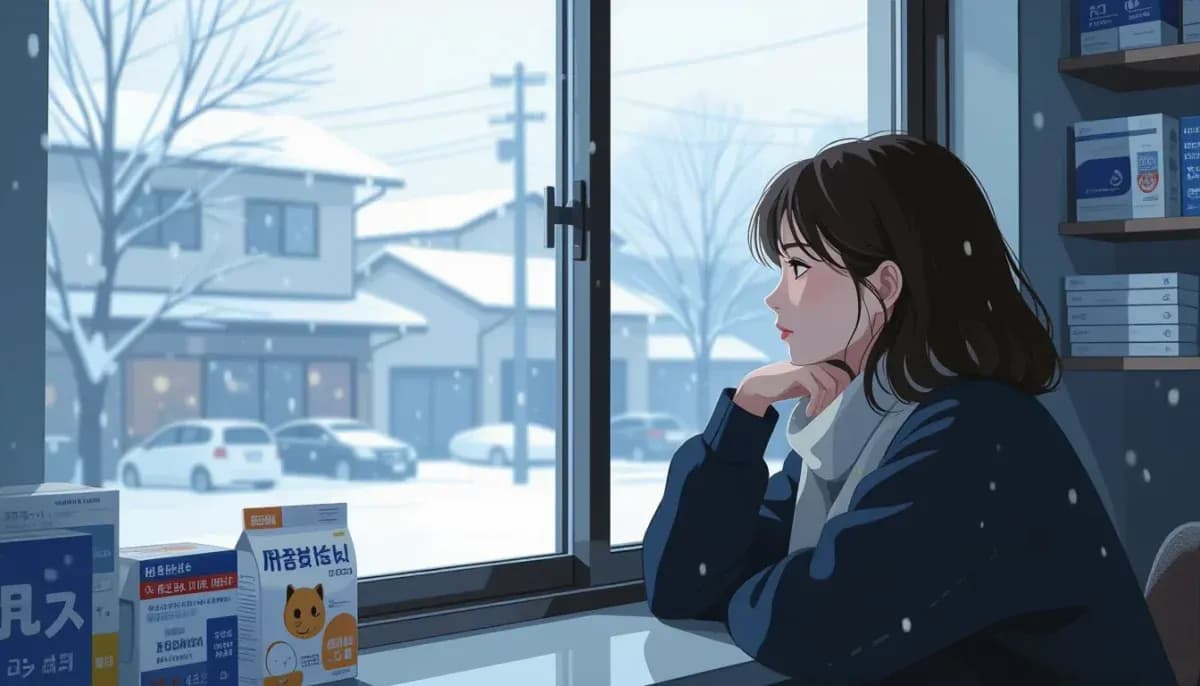
Struggling with seasonal mood changes in Japan? Learn how to recognize, treat, and manage Seasonal Affective Disorder (SAD) as a foreigner, including Japan-specific tips for tsuyu, gogatsubyou, and winter depression.
Seasonal Affective Disorder in Japan: How to Manage SAD as a Foreigner
Living in Japan offers extraordinary experiences — but the country's dramatic seasonal shifts can take a real toll on your mental health. From the seemingly endless grey skies of tsuyu (the rainy season) to the dark, cold days of winter, Seasonal Affective Disorder (SAD) affects a significant portion of expats and foreigners living in Japan. If you notice your mood consistently dipping with the seasons, you are not alone — and there are effective strategies to manage and overcome SAD in Japan.
This comprehensive guide covers everything you need to know about Seasonal Affective Disorder in Japan: what it is, why Japan's seasons make it unique, how to recognize the symptoms, and the most effective treatments and coping strategies available to foreigners.
What Is Seasonal Affective Disorder (SAD)?
Seasonal Affective Disorder is a type of depression that follows a predictable seasonal pattern. Most commonly it strikes in autumn and winter when daylight hours shorten, though a summer variant also exists. SAD is more than the occasional "winter blues" — it is a clinically recognized condition that can significantly impair daily functioning, relationships, and work performance.
Key statistics:
- SAD affects approximately 1–7.9% of the general population worldwide, depending on geographic location and study methodology
- In Japan, research shows winter SAD prevalence at approximately 0.86–1.35%, with summer SAD at around 0.9–0.94%
- Women are diagnosed with SAD more often than men
- SAD most commonly affects adults aged 18–30, though it can develop at any age
- Light therapy (phototherapy) is effective in up to 80% of SAD cases
The reduced sunlight in winter months disrupts two key processes in the brain: serotonin production (the neurotransmitter responsible for mood regulation) and melatonin regulation (which affects your sleep-wake cycle). When these are thrown out of balance, the result is the persistent low mood, fatigue, and social withdrawal characteristic of SAD.
For more context on mental health challenges faced by foreigners in Japan, see our Complete Guide to Mental Health and Wellbeing in Japan.
Why Japan's Seasons Make SAD Especially Challenging
Japan's climate has some unique characteristics that can intensify SAD risk for foreigners — especially those coming from countries near the equator, or those accustomed to more consistent sunlight year-round.
The Rainy Season (Tsuyu)
From early June through mid-July, much of Japan (except Hokkaido) is blanketed in tsuyu, the rainy season. During this period, grey skies, high humidity, and persistent rain can last for weeks on end. The dramatic reduction in sunlight during tsuyu often catches expats off guard — it is not winter, but the lack of bright sunlight can trigger seasonal mood disruptions just as effectively.
Gogatsubyo (Five-Month Disease / May Sickness)
Japan has its own culturally recognized seasonal malaise: gogatsubyou (五月病), literally "May sickness." This phenomenon strikes after the Golden Week holiday in late April/early May, when the excitement of a new school year or fiscal year wears off and people experience sudden fatigue, lack of motivation, and low mood. While not the same as clinical SAD, gogatsubyou reflects how seasonal transitions in Japan can trigger psychological distress — particularly for foreigners adjusting to the cultural pressure of fresh starts.
Winter in Northern Japan
Hokkaido and northern Honshu experience significantly longer winters with heavy snowfall and extremely limited sunlight. For foreigners living in these regions, the combination of cold, darkness, and cultural isolation can make SAD symptoms considerably more severe.
Japan's Two SAD Patterns
Research on SAD in Japan reveals two distinct seasonal patterns:
| Pattern | Season | Key Symptoms |
|---|---|---|
| Winter SAD | November–March | Oversleeping, increased appetite, carbohydrate cravings, extreme fatigue, social withdrawal |
| Summer SAD | June–August | Insomnia, decreased appetite, agitation, anxiety, irritability |
| Tsuyu Blues | June–July | Low mood, lack of energy, low motivation, humidity-related discomfort |
| Gogatsubyou | April–May | Fatigue, motivation loss, mild depression, adjustment stress |
Understanding which pattern you experience helps determine the most appropriate treatment approach.
Recognizing SAD Symptoms in Yourself
It is easy to dismiss seasonal mood changes as normal tiredness or stress — especially in Japan's demanding work culture, where overwork (karoshi) is normalized. However, SAD has distinct characteristics that set it apart from ordinary stress or burnout.
Common symptoms of winter SAD:
- Persistent low mood or hopelessness that lasts most of the day, nearly every day
- Extreme fatigue and low energy, even after adequate sleep
- Oversleeping (hypersomnia) — feeling unable to wake up or get out of bed
- Increased appetite, especially cravings for carbohydrates and sweet foods
- Weight gain
- Difficulty concentrating or making decisions
- Withdrawing from social activities and hobbies you normally enjoy
- Irritability or anxiety
When is it serious enough to seek help?
Feeling a bit gloomy for a few days is normal. But if these symptoms persist for two or more weeks and interfere with your ability to work, maintain relationships, or care for yourself, it is time to seek professional support. Untreated SAD can escalate to full clinical depression, substance misuse, or severe social isolation.
If you are struggling with isolation on top of seasonal mood changes, our guide on dealing with loneliness as a foreigner in Japan offers practical strategies for building your support network.
Treatment Options Available in Japan
The good news is that effective treatments for SAD are available in Japan — including some that are specifically tailored for English-speaking foreigners.
1. Light Therapy (Phototherapy)
Light therapy is the gold-standard first-line treatment for winter SAD. Clinical studies show it is effective in approximately 80% of cases. It works by exposing yourself to a bright, artificial light source that mimics outdoor daylight, helping recalibrate your circadian rhythm and boost serotonin production.
How to use light therapy in Japan:
- Purchase a 10,000-lux white light therapy lamp (available on Amazon Japan and at major electronics retailers like Yodobashi Camera or Bic Camera)
- Use it for 20–30 minutes each morning, ideally within 30 minutes of waking
- Position the lamp about 30–60 cm from your face — you do not need to look directly at it
- Avoid using it in the evening, as it can disrupt sleep
Light therapy lamps (ライトセラピーランプ) typically cost between ¥3,000 and ¥15,000 in Japan, making this an accessible and effective home treatment.
2. Professional Counseling and Psychotherapy
English-speaking therapists and counselors in Japan are more accessible than many expats realize. Cognitive Behavioral Therapy (CBT) has strong evidence for treating SAD and helps you identify and challenge the negative thought patterns that emerge during difficult seasons.
Key resources for English-speaking mental health support in Japan:
- Tokyo Mental Health — offers individual therapy, group therapy, and SAD-specific support in English
- TELL Japan — provides counseling services and a crisis helpline in English
- AMDA International Medical Information Center — helps connect you with English-speaking healthcare providers
For a full directory of resources, see our guide on mental health resources available for foreigners in Japan and our article on finding English-speaking therapists in Japan.
Tokyo Mental Health has excellent resources on recognizing and managing SAD, including guidance on when to seek professional help.
3. Medication
For moderate to severe SAD, antidepressant medications — particularly SSRIs (selective serotonin reuptake inhibitors) — can be effective. In Japan, these are available by prescription from a psychiatrist (seishinkai, 精神科) or mental health specialist (shinkeika, 神経科).
One practical challenge for foreigners: Japanese psychiatrists often have limited English proficiency, and finding one who understands SAD specifically can take time. Using a translation app or bringing a bilingual friend to appointments can help. Our healthcare guide for foreigners in Japan explains how to navigate the Japanese medical system.
4. Vitamin D Supplementation
Japan's limited winter sunlight — combined with indoor-heavy work and lifestyle patterns — means that vitamin D deficiency is common, particularly among foreigners. Low vitamin D levels have been linked to depression and SAD. A simple blood test can determine whether supplementation is appropriate for you.
Practical Day-to-Day Coping Strategies
Beyond formal treatments, these evidence-backed lifestyle strategies can significantly reduce the severity of SAD symptoms while living in Japan.
Maximize Natural Light Exposure
- Take your lunch break outside, even on overcast days — diffuse daylight still provides meaningful light exposure
- Request a desk near a window at work
- Walk to the nearest koen (park) on your commute or during breaks
- Keep curtains open throughout the day
- Consider visiting sunnier regions of Japan (Okinawa, Kyushu) during the deepest winter months
Exercise Regularly
Exercise is one of the most effective natural antidepressants. Japan offers exceptional infrastructure for staying active: well-maintained parks, hiking trails (trekking course), public swimming pools, and affordable gym chains like Gold's Gym, ANYTIME FITNESS, and Konami Sports Club. Even a 30-minute walk boosts endorphins meaningfully.
For more ideas, explore our fitness and sports guide for foreigners in Japan.
Build and Maintain Social Connections
Social isolation amplifies SAD symptoms dramatically. Staying connected with your community — both Japanese and expat — provides a crucial buffer against seasonal depression.
- Join expat groups on Meetup, Facebook Groups, or Internations
- Attend community events at your local ward office (shiyakusho)
- Explore support groups for foreigners in Japan — both online and in-person options exist
- Maintain regular video calls with family and friends back home
Embrace Mindfulness and Stress Reduction
Japan has a rich tradition of contemplative practices that can help manage SAD:
- Shinrin-yoku (forest bathing) — simply spending time in nature has been clinically shown to reduce cortisol and improve mood
- Meditation apps such as Insight Timer, Calm, or Headspace provide guided practices in English
- Onsen (hot spring) bathing has relaxing, mood-lifting effects — Japan's thousands of public and resort onsen make this highly accessible
For a deeper dive, our guide on meditation and mindfulness practices in Japan covers how to incorporate these practices into daily life.
Maintain a Consistent Sleep Schedule
SAD often disrupts sleep — causing either insomnia or excessive sleeping. Keeping a consistent bedtime and wake time (even on weekends) helps stabilize your circadian rhythm and reduces the severity of seasonal mood shifts.
Finding Support as a Foreigner in Japan
One of the biggest challenges for foreigners managing SAD in Japan is the cultural stigma around mental health. Japanese society traditionally views mental illness as something to be managed privately, and many employers discourage taking time off for mental health reasons. This can make it harder for foreign residents to seek help openly.
However, the expat community in Japan has robust support networks:
- TELL Japan Lifeline: 03-5774-0992 (available in English)
- Tokyo English Life Line (TELL): counseling, support groups, and crisis services
- Mental Health Japan: English-language information and referrals
For a comprehensive overview of the mental health landscape in Japan for foreigners, the Living in Nihon mental health guide is an excellent resource covering everything from finding therapists to understanding Japanese psychiatric care.
Additionally, if you are working in Japan and experiencing burnout alongside seasonal depression — a common combination — our guide on work burnout in Japan can help you identify warning signs and access workplace support.
For those navigating career transitions with mental health challenges, the Ittenshoku guide on mental health in IT career changes offers relevant strategies on stress management and resilience.
When to Seek Immediate Help
If SAD progresses to severe depression, or if you experience thoughts of self-harm or suicide, please contact emergency support immediately:
- TELL Japan Lifeline: 03-5774-0992
- Befrienders Japan / Inochi no Denwa (命の電話): 0120-783-556 (toll-free, 24 hours)
- Japan Suicide Prevention Hotline: 0570-783-556
Do not hesitate to use these resources — they exist precisely for these moments, and English support is available.
Summary: Your SAD Management Plan in Japan
Managing Seasonal Affective Disorder in Japan requires a proactive, multi-layered approach. Here is a practical framework:
| Action | Frequency | Priority |
|---|---|---|
| Light therapy (10,000 lux lamp) | 20–30 min every morning | High |
| Outdoor exercise or walking | 30 min, 3–5 times per week | High |
| Social activities / meetups | At least once per week | High |
| Mindfulness or meditation | Daily, 10–15 minutes | Medium |
| Vitamin D supplementation | Daily (if deficient) | Medium |
| Professional therapy (CBT) | Weekly or biweekly | As needed |
| Sunnier travel within Japan | Periodically in winter | As needed |
SAD is a real, clinically recognized condition — not simply a sign of weakness or failure to adapt. Recognizing the seasonal patterns unique to Japan, building robust social support, accessing English-speaking mental health services, and using proven treatments like light therapy can make a dramatic difference in your quality of life.
For broader context on thriving mentally and emotionally as a foreigner in Japan, explore our complete guide on maintaining overall wellbeing as an expat in Japan.
For more information on seasonal mood patterns in Japan, The Japan Times has an insightful article on SAD in Japan. For foreign workers navigating mental health and career stress, For Work in Japan offers support resources relevant to your working life in Japan.

Originally from Vietnam, living in Japan for 16+ years. Graduated from Nagoya University, with 11 years of professional experience at Japanese and international companies. Sharing information about living in Japan for foreigners.
View Profile →Related Articles
Counseling Services in Japan Available in English
Find English-speaking counseling and therapy services in Japan. Complete guide for foreigners including TELL Japan, Tokyo Mental Health, cost information, crisis hotlines, and online therapy options.
Read more →
Maintaining Overall Wellbeing as an Expat in Japan
A complete guide to maintaining physical, mental, and social wellbeing as an expat in Japan. Covers healthcare, mental health resources, work-life balance, and community building.
Read more →
Meditation and Mindfulness Practices in Japan
Discover how to practice meditation and mindfulness in Japan as a foreigner. From zazen at Zen temples to shinrin-yoku forest bathing, find your practice in Japan.
Read more →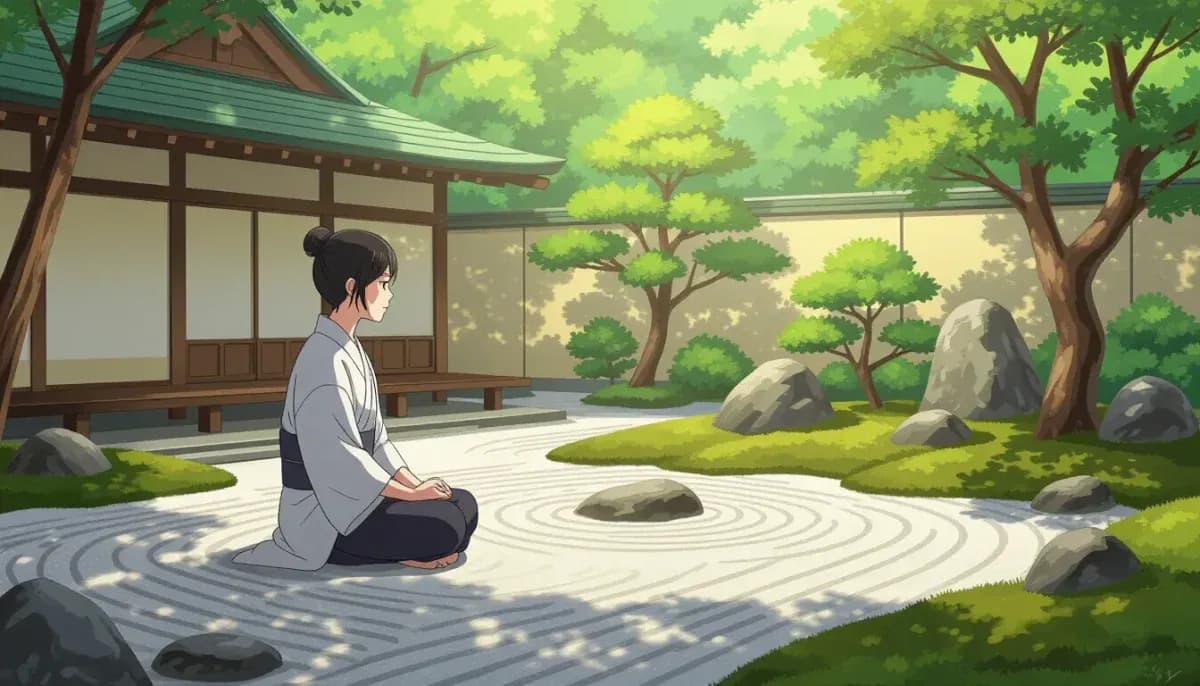
Japanese Attitudes Toward Mental Health Explained
Understand Japanese attitudes toward mental health, stigma culture, and practical resources for foreigners seeking mental health support in Japan. Complete guide for expats.
Read more →
Self Care Practices and Wellness in Japan
Discover the best self-care practices and wellness traditions in Japan for foreigners — from onsen and shinrin-yoku to mental health resources and meditation. Build your routine today.
Read more →
Support Groups for Foreign Residents in Japan
Find support groups, community organizations, and resources for foreigners in Japan. From official centers to expat networks, mental health support, and NPO services.
Read more →