
Work Burnout in Japan How to Recognize and Cope

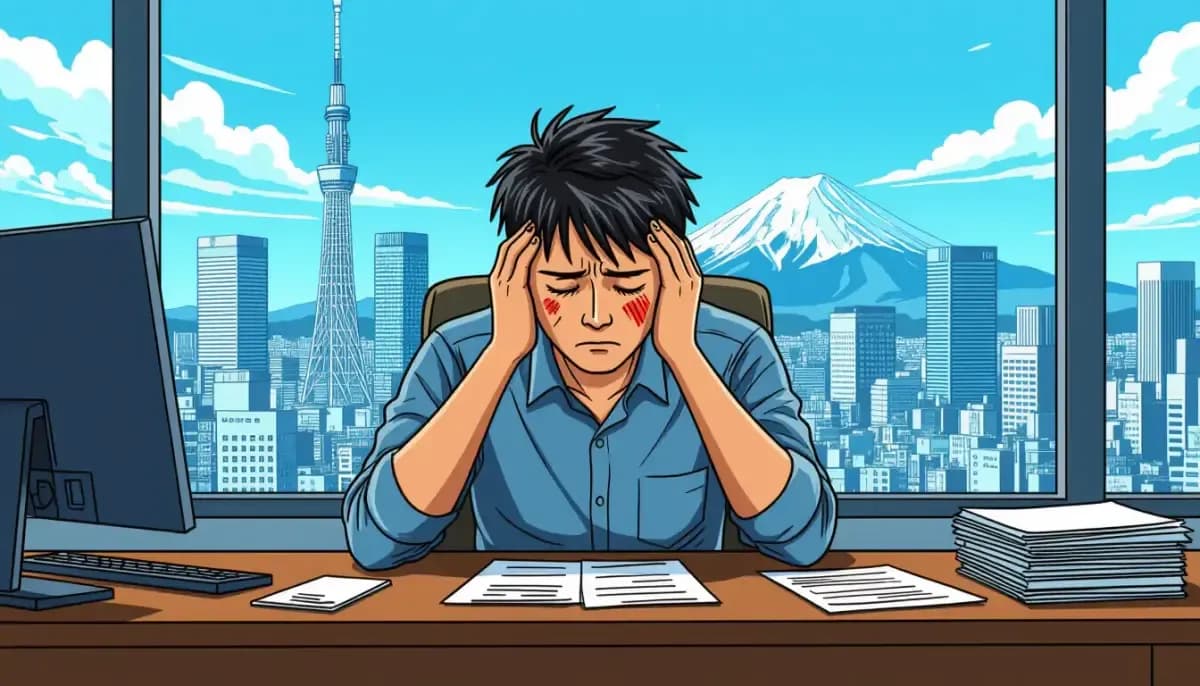
Feeling burned out working in Japan? Learn to recognize the signs of work burnout, understand Japan-specific risks like karoshi, and discover practical coping strategies for foreign workers.
Work Burnout in Japan: How to Recognize and Cope
Working in Japan can be an extraordinary experience — dynamic cities, fascinating culture, and career opportunities that are hard to find elsewhere. But for many foreigners, the reality of Japan's demanding work culture comes as a shock. Long hours, unwritten social rules, and intense pressure to conform can quietly build into something serious: work burnout.
This guide will help you understand what burnout looks like in the Japanese workplace, why foreigners are especially at risk, and most importantly — how to cope and recover.

What Is Work Burnout and Why Japan Is a High-Risk Environment
Burnout is not just feeling tired after a long week. It is a state of chronic stress that leads to physical and emotional exhaustion, cynicism toward your work, and a growing sense of ineffectiveness. The World Health Organization (WHO) officially classifies burnout as an occupational phenomenon.
Japan's workplace culture creates a uniquely fertile ground for burnout:
- Karoshi (過労死): Literally "death from overwork," this is a recognized cause of death in Japan. In fiscal year 2024, Japan recognized 1,304 overwork-related deaths and health disorders — the highest number on record.
- Extreme overtime: About 1 in 10 Japanese workers logs more than 80 hours of overtime per month, a threshold strongly linked to karoshi.
- Cultural pressure: Leaving work on time can be seen as a sign of disloyalty. The expectation to stay late, even if there is nothing productive to do, is widespread.
- Social conformity: Japan's high-conformity culture means that speaking up about stress or mental health struggles can feel taboo or professionally risky.
As a foreigner, you face an additional layer of difficulty: navigating all of this in a second language, without the social support networks you had at home, and often without fully understanding the unwritten rules.
For a deeper look at Japanese workplace dynamics, check out our guide on Japanese workplace culture for foreigners.
How to Recognize the Signs of Burnout
Burnout rarely arrives all at once. It builds slowly, and by the time most people recognize it, they are already deep in it. Here are the warning signs to watch for:
Physical Signs
- Chronic fatigue that doesn't improve with sleep
- Frequent headaches, stomach aches, or muscle tension
- Getting sick more often than usual
- Insomnia or hypersomnia (sleeping too much)
Emotional and Mental Signs
- Cynicism or detachment from your work
- Feeling like nothing you do matters
- Loss of motivation for tasks you used to enjoy
- Increased irritability, anxiety, or sadness
- Difficulty concentrating or making decisions
Behavioral Signs
- Withdrawing from friends and social activities
- Skipping meals or eating poorly
- Increased alcohol consumption
- Procrastination on work you previously handled easily
- Dreading going to work every single day
The distinction between burnout and adjustment disorder is worth knowing: adjustment disorder is tied to a specific stressor and usually eases when that stressor is removed. Burnout tends to run deeper and requires active recovery strategies. For more on mental health challenges specific to foreigners in Japan, see our complete guide on mental health and wellbeing in Japan.
The Foreigner Factor: Why Expats Face Unique Burnout Risks
Even Japanese workers struggle with burnout, but foreigners face a compounded set of pressures:
| Challenge | Impact on Foreigners |
|---|---|
| Language barrier | Constant cognitive effort to communicate at work in Japanese |
| Cultural isolation | Missing home support systems, family, and familiar comfort |
| Social pressure to conform | Pressure to adopt workplace behaviors that may conflict with your values |
| Ambiguity about norms | Unsure whether you are doing things "right" culturally |
| Limited mental health vocabulary | Hard to articulate how you feel in Japanese to a doctor or colleague |
| Visa dependency on employer | Fear that taking leave or raising concerns could affect your visa status |
This combination — the intensity of Japanese work culture layered on top of expat challenges — means that burnout can escalate quickly and quietly.
For guidance on your rights as a foreign worker in Japan, see The Complete Guide to Working in Japan as a Foreigner.
Practical Coping Strategies for Work Burnout in Japan
1. Set Firm Work-Life Boundaries
This is easier said than done in Japan's work culture, but it is essential. Start small:
- Choose one day per week to leave work on time
- Block out one weekend afternoon for yourself and treat it as non-negotiable
- Avoid checking work email or messaging apps after a set hour
- Use your paid leave (有給休暇, yuukyuu kyuuka). In Japan, employers are legally required to ensure you take at least 5 days of annual leave. Many foreigners don't use their leave — this is a mistake.
2. Build a Support Community Outside Work
Isolation accelerates burnout. Building connections outside your workplace is not optional — it is a mental health necessity:
- Join English-speaking meetup groups, sports teams, or hobby circles
- Participate in language exchange events (you meet Japanese people while practicing Japanese, they practice English with you)
- Connect with other foreigners through communities like InterNations or Tokyo International Friendship Club
Being around people who understand your experience — without you having to explain or translate — is deeply restorative.
3. Prioritize Physical Health
Your body and mind are not separate. Physical neglect accelerates burnout:
- Exercise regularly — even short evening walks have measurable mental health benefits
- Sleep 7-8 hours. Chronic sleep deprivation impairs judgment, emotional regulation, and resilience
- Eat balanced meals. Japanese cuisine (fish, vegetables, fermented foods) is genuinely excellent for energy and mood
- Limit alcohol. It is tempting to use drinking as a social release or stress relief in Japan, but it worsens anxiety and disrupts sleep
4. Use Japan's Workplace Health Resources
Japan has more support systems than many foreigners realize:
- Sangyōi (産業医, Workplace Doctor): Companies with 50 or more employees are legally required to appoint a sangyōi. You can request a confidential consultation. They can recommend lighter duties, reduced hours, or medical leave.
- Stress Check System (ストレスチェック制度): Mandatory for companies with 50+ employees. This annual self-assessment is designed to flag burnout risk early.
- Employee Assistance Programs (EAP): Many larger Japanese companies and foreign firms in Japan offer free counseling through EAP services. Check with your HR department.
5. Consider Taking Medical Leave
If burnout is severe, medical leave (休職, kyuushoku) may be the right choice. Here is what you need to know:
- You can apply for leave with documentation from a doctor — either a psychiatrist (精神科) or a psychosomatic medicine specialist (心療内科)
- Japan's health insurance covers approximately 2/3 of your regular salary through the injury/illness allowance (傷病手当金) during approved leave periods
- Employers cannot easily fire you for taking mental health leave. The law requires them to exhaust all leave options and find no alternative before considering dismissal
- Leave periods are typically 3-6 months, sometimes longer, depending on your situation
For more on Japan's healthcare system and how to access mental health support, see our guide on healthcare in Japan for foreigners. You can also read about adjustment disorder and worker rights in Japan from Navigator Japan.
Mental Health Resources in English for Foreigners in Japan
Finding English-language mental health support in Japan is not always easy, but it exists:
| Resource | Details |
|---|---|
| TELL Japan (Tokyo English Lifeline) | 24-hour English counseling hotline: 03-5774-0992. Also offers paid therapy. |
| AMDA International Medical Information Center | Multilingual healthcare guidance including mental health referrals |
| Expat Nest | English-language online counseling for expats |
| Navigator Japan | Support for adjustment disorder and work stress for foreign residents |
| Your company's EAP | Ask HR about Employee Assistance Programs — many include free counseling sessions |
For foreign workers outside Tokyo, resources can be thinner, but TELL's phone line is available nationwide.
TELL Japan is widely recommended for foreigners in Japan — read more about mental health support for foreigners from Living in Nihon.
Longer-Term Recovery: What Comes After Burnout
Recovery from burnout takes time. Returning to work after taking leave is its own challenge:
- Rework Programs (リワークプログラム): Many psychiatric clinics offer structured return-to-work programs that help you rebuild stamina and confidence gradually
- Reassess your situation: Was this burnout caused by a specific toxic manager, workload, or workplace culture? If conditions haven't changed, recovery will be short-lived
- Consider whether to stay or move on: Japan's job market for foreign professionals has opened significantly. It is increasingly possible to find positions in foreign-owned companies or tech startups with healthier work cultures
For guidance on transitioning to a better role, For Work in Japan offers career support for foreigners navigating the Japanese job market.
If you're in the IT sector and dealing with burnout during a job transition, Ittenshoku's guide on mental health and IT career changes covers motivation management and stress resilience in depth.
Japan's Evolving Work Culture: Signs of Change
There is reason for cautious optimism. Japan's government has made work style reform (働き方改革, hataraki kata kaikaku) a national priority:
- Overtime caps: Since 2019, overtime is generally capped at 45 hours/month, with a maximum of 100 hours in exceptional months
- Premium Friday: Government-encouraged initiative for early leave on the last Friday of the month
- Mandatory paid leave: Employers must ensure workers use at least 5 days of annual paid leave per year
- Remote work normalization: Accelerated significantly post-COVID, now increasingly common in many industries
Younger Japanese workers are also pushing back against overwork culture more assertively than previous generations. The cultural tide is slowly turning.
Key Takeaways
Work burnout in Japan is real, common, and serious — but it is also manageable with the right tools and awareness. Here is a quick summary:
- Recognize the signs early: Fatigue, cynicism, withdrawal, physical symptoms
- Set boundaries actively: Use paid leave, leave on time when possible, disconnect after hours
- Build support outside work: Community connections are not a luxury, they are essential
- Use available resources: Workplace doctors, EAP programs, TELL Japan
- Know your rights: Medical leave is legal, protected, and partially paid
- Plan for recovery, not just survival: If burnout is severe, seek professional support and take time to genuinely heal
Japan can be a rewarding place to build a career. With awareness and the right strategies, you can protect your mental health and thrive — not just survive — in Japan's demanding work environment.
For more essential guides on navigating life in Japan as a foreigner, see The Complete Guide to Working in Japan as a Foreigner and our full series on Japanese workplace culture.

Originally from Vietnam, living in Japan for 16+ years. Graduated from Nagoya University, with 11 years of professional experience at Japanese and international companies. Sharing information about living in Japan for foreigners.
View Profile →Related Articles

Counseling Services in Japan Available in English
Find English-speaking counseling and therapy services in Japan. Complete guide for foreigners including TELL Japan, Tokyo Mental Health, cost information, crisis hotlines, and online therapy options.
Read more →
Maintaining Overall Wellbeing as an Expat in Japan
A complete guide to maintaining physical, mental, and social wellbeing as an expat in Japan. Covers healthcare, mental health resources, work-life balance, and community building.
Read more →
Meditation and Mindfulness Practices in Japan
Discover how to practice meditation and mindfulness in Japan as a foreigner. From zazen at Zen temples to shinrin-yoku forest bathing, find your practice in Japan.
Read more →
Japanese Attitudes Toward Mental Health Explained
Understand Japanese attitudes toward mental health, stigma culture, and practical resources for foreigners seeking mental health support in Japan. Complete guide for expats.
Read more →
Seasonal Affective Disorder in Japan How to Manage
Struggling with seasonal mood changes in Japan? Learn how to recognize, treat, and manage Seasonal Affective Disorder (SAD) as a foreigner, including Japan-specific tips for tsuyu, gogatsubyou, and winter depression.
Read more →
Self Care Practices and Wellness in Japan
Discover the best self-care practices and wellness traditions in Japan for foreigners — from onsen and shinrin-yoku to mental health resources and meditation. Build your routine today.
Read more →