
Japanese Attitudes Toward Mental Health Explained

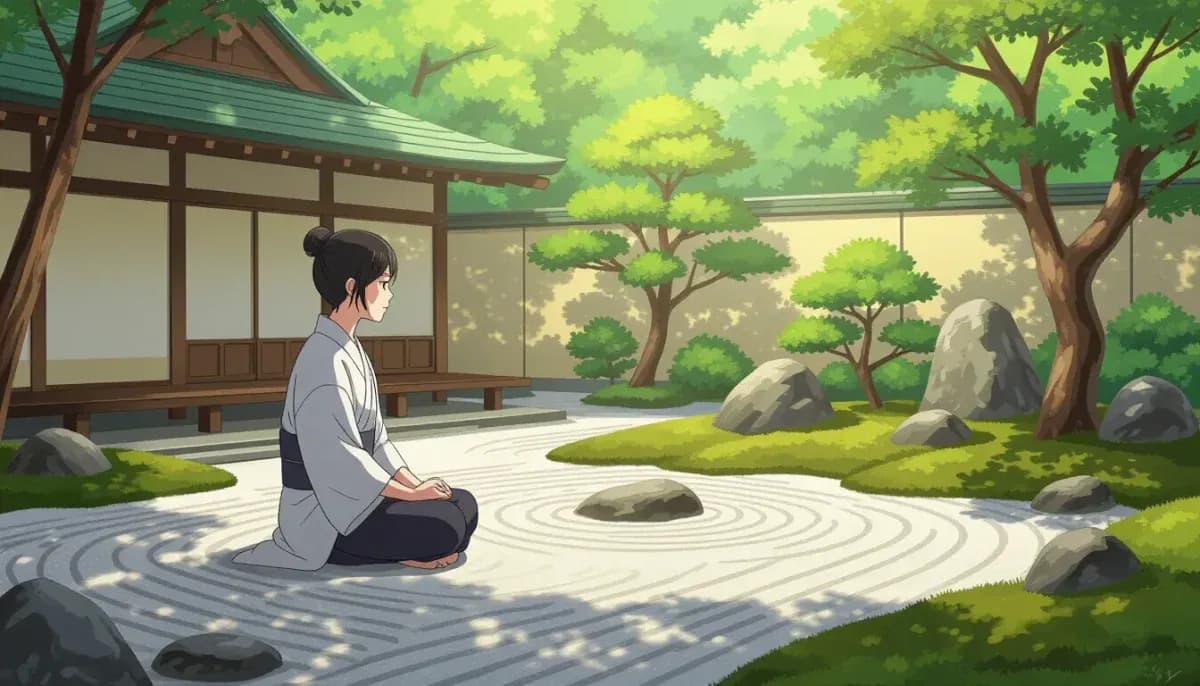
Understand Japanese attitudes toward mental health, stigma culture, and practical resources for foreigners seeking mental health support in Japan. Complete guide for expats.
Japanese Attitudes Toward Mental Health Explained
Mental health is still a sensitive topic in Japan. While awareness is slowly growing, the cultural attitudes, social pressures, and institutional history around mental healthcare can be confusing—especially for foreigners who are used to more open conversations back home. Whether you're an expat living in Japan, considering therapy here, or simply trying to understand why your Japanese colleagues or friends seem reluctant to talk about emotional struggles, this guide will help you make sense of it all.
Understanding how Japan views mental health is not just an intellectual exercise. It has real, practical implications for how you seek help, how you support others, and how you take care of yourself during your time in this country.
The Cultural Roots of Mental Health Stigma in Japan
To understand modern Japanese attitudes toward mental health, you need to look at several deeply embedded cultural values. Japan places enormous emphasis on group harmony (wa), self-discipline, perseverance (gaman), and not burdening others with personal problems. Within this framework, emotional vulnerability is often perceived as weakness or selfishness.
The concept of meiwaku (迷惑)—causing inconvenience to others—is a powerful social deterrent. Admitting to mental health struggles can feel like asking others to bear your burden, which conflicts with the social expectation to handle difficulties privately. This cultural orientation means that many Japanese people choose to endure mental health difficulties quietly rather than seeking help.
Historically, mental illness in Japan was often associated with shame and hereditary weakness. Families sometimes feared that a member's psychiatric diagnosis would affect marriage prospects or professional opportunities for the entire household. While these attitudes are changing, especially among younger generations, the legacy of this thinking still influences behavior today.
The psychiatric field itself carries loaded terminology. The word seishinka (精神科), which means psychiatry, literally contains characters associated with the spirit/mind and has carried stigma. Even in 2025, many Japanese people feel uncomfortable identifying as someone who sees a psychiatrist.
Key Statistics: Mental Health Treatment in Japan
Understanding the numbers helps illustrate the scale of the issue and how Japan compares internationally.
| Metric | Japan | International Average |
|---|---|---|
| Adults with mental disorders who seek treatment | ~20% | ~30-40% |
| Mental illness prevalence vs USA | ~3x lower | — |
| People who handle problems alone (vs. seek help) | 68.8% | Varies by country |
| Wealth inequality index (lower = more equal) | 0.63 | 0.73 |
| IT industry mental health difficulty rate | 25.8% | Varies |
Only about 1 in 5 people with a mental disorder in Japan receives treatment—a rate significantly lower than most high-income countries. Research from the World Mental Health Japan Survey found that the most common reason for not seeking care was a low perceived need (63.9%), and the most common reason for delaying help was the wish to handle the problem alone (68.8%).
These statistics reflect not just stigma, but also a cultural framework where seeking professional help is not seen as the natural first response.
How Attitudes Are Slowly Changing
Despite the entrenched stigma, Japan has made meaningful progress over the past two decades. One of the most significant changes was the renaming of schizophrenia in 2002. The Japanese Society of Psychiatry and Neurology changed the term from seishi buntetsu byo (精神分裂病, "split-mind disorder") to togo shiccho sho (統合失調症, "integration dysregulation disorder"). This linguistic change was designed to reduce stigma, and research suggests it has had a measurable positive impact on how patients are perceived and how the condition is discussed.
Public awareness campaigns have also gained traction, particularly in the workplace. Following Japan's legal reforms around karoshi (過労死, death from overwork), companies have been required to pay more attention to employee mental health. The Stress Check system, introduced in 2015, mandates annual mental health screenings for companies with 50 or more employees. This has normalized mental health conversations—at least within the professional context.
Social media and younger generations are driving further change. Many Japanese in their 20s and 30s are more openly discussing therapy, anxiety, and depression online. Platforms like Twitter (now X) host Japanese-language communities focused on mental health support, challenging older taboos. While deeply held cultural attitudes don't change overnight, the direction of travel is encouraging.
What This Means for Foreigners in Japan
If you're a foreigner living in Japan, Japanese attitudes toward mental health will affect your experience in several concrete ways.
Finding Help Can Feel Isolating
Many foreigners report that reaching out for mental health support in Japan feels lonely—not just because of language barriers, but because the social cues that might encourage someone to seek help in their home country don't exist here. Friends, neighbors, and coworkers are unlikely to suggest therapy or openly share their own mental health journeys. The silence can feel like a cultural wall.
Language Barriers in Professional Care
English-language mental health services in Japan are improving but still limited. Major cities like Tokyo, Osaka, and Yokohama have English-speaking therapists and international clinics, but outside urban centers, finding bilingual support can be difficult. Some expats use telehealth services based in their home country, though this carries its own complications around time zones and whether the therapist understands Japanese cultural dynamics.
Workplace Dynamics
If you work at a Japanese company, your mental health may intersect with your professional identity in complex ways. Disclosure of mental health issues to an employer is a sensitive decision. On one hand, Japanese law provides protections: employees diagnosed with work-related mental health conditions can receive approximately two months of medical leave. On the other hand, the stigma around mental illness means disclosure can affect how colleagues and managers perceive you. For more on navigating the Japanese workplace, see our guide on working in Japan as a foreigner.
Support Networks Matter More Here
Because the social infrastructure for mental health support in Japan is less visible than in some other countries, building your own support network becomes crucial. Expat communities, international friendship groups, and online forums can provide emotional support that might otherwise be absent. For more on building your social life in Japan, see our guide on making friends and social life in Japan.
Practical Mental Health Resources in Japan
Despite the challenges, there are real resources available for foreigners dealing with mental health issues in Japan.
Professional Counseling and Therapy
- TELL Tokyo (Tokyo English Lifeline): Provides English-language counseling and a crisis lifeline
- AMDA International Medical Information Center: Multilingual health guidance including mental health referrals
- International clinic networks: International Clinic in Roppongi and Tokyo Midtown Medical Center both offer English-language psychiatric services
Community and Peer Support
Expat Facebook groups, Reddit communities (particularly r/JapanLife), and local international meetup groups provide peer support. While not a substitute for professional care, community connection is a powerful protective factor for mental health. See more in our guide on daily life in Japan for foreigners.
Crisis Resources
If you're in crisis, the following lines operate in Japan:
- Inochi no Denwa (命の電話): 0120-783-556 (Japanese)
- TELL Lifeline: 03-5774-0992 (English)
- Yorisoi Hotline: 0120-279-338 (multilingual, 24/7)
Telehealth Options
Apps like BetterHelp and Talkspace operate in Japan, providing access to English-speaking therapists. For expats who prefer a therapist from their home country familiar with their cultural background, this can be a valuable option.
Comparing Japanese Mental Health Culture with Other Countries
Understanding Japanese attitudes in comparative context can reduce culture shock.
| Aspect | Japan | USA/Europe |
|---|---|---|
| Therapy stigma | High (declining) | Low (mainstream) |
| Discussing mental health at work | Uncommon | More accepted |
| Primary coping style | Endurance (gaman) | Seeking external help |
| Psychiatric medication stigma | High | Moderate |
| Workplace mental health law | Stress Check (2015) | Varies by country |
| Average treatment-seeking rate | ~20% | ~30-40% |
This comparison isn't meant to judge Japan—every culture has blind spots around mental health. But for foreigners, knowing these differences helps you calibrate your expectations and understand why your Japanese friends or colleagues may respond differently than you'd expect.
Tips for Foreigners Navigating Mental Health in Japan
Based on what we know about Japanese attitudes and the practical realities of living here, here are concrete suggestions:
- Don't wait for social cues to seek help. In Japan, no one will suggest you see a therapist. If you're struggling, it's up to you to seek support proactively.
- Research bilingual providers before you need them. Find an English-speaking therapist or counselor when you're doing well, so you have a contact ready in case things get difficult.
- Connect with expat communities. Other foreigners understand the unique stressors of life in Japan and can be a vital source of support. See our healthcare guide for foreigners in Japan for more health navigation tips.
- Be mindful about workplace disclosure. Carefully consider whether and how to disclose mental health conditions at work, taking into account your company's culture and your relationship with your employer.
- Embrace Japanese wellness practices. Forest bathing (shinrin-yoku), Zen meditation, and traditional tea ceremony can support mental wellbeing and connect you with Japanese culture simultaneously.
- Use telehealth as a bridge. If Japanese mental health services feel inaccessible, telehealth can provide interim support while you navigate local options.
For deeper reading on mental health challenges faced by foreigners in Japan, the Cross Culture Institute's guide on mental health for foreigners in Japan offers useful perspectives.
Additional Resources for Mental Health Support
For more comprehensive information on mental health and well-being for foreigners in Japan, Living in Nihon's mental health and well-being guide covers practical resources and cultural navigation in depth.
If you're working in Japan and concerned about workplace-related stress, For Work in Japan has resources on labor rights and workplace navigation that intersect with mental health protections.
For IT professionals specifically navigating career changes and the associated mental health challenges, Ittenshoku's guide on mental health for IT career changers addresses the unique pressures of tech sector transitions in Japan, where the industry reports a notably high mental health difficulty rate of 25.8%.
Research from the BMC Public Health on barriers to mental health care in Japan provides academic grounding for understanding why Japanese people underutilize mental health services.
The Path Forward: Mental Health in a Changing Japan
Japan is at an interesting inflection point on mental health. The older generation still holds deeply stigmatizing attitudes, while younger Japanese are increasingly open. The 2015 Stress Check law represents a significant policy shift. The renaming of schizophrenia showed that institutional change is possible. And the COVID-19 pandemic—which drove up depression and anxiety rates across Japan—accelerated public conversations about mental health in ways that would have been unthinkable a decade earlier.
For foreigners in Japan, understanding this trajectory is important. You're not dealing with a static culture—you're watching a society in the middle of a genuine, if slow, transformation around mental health. That context can help you approach your own mental health needs and your relationships with Japanese people with more patience and nuance.
Japanese culture has deep resources for mental wellbeing: the concept of ikigai (purpose), community connection, beautiful natural environments, and aesthetic practices that cultivate mindfulness. Learning to access these alongside Western mental health approaches can enrich your experience and support your psychological resilience during your time in Japan.
Understanding Japanese culture more broadly can help you navigate these dynamics—our guide on Japanese culture and etiquette for foreigners provides helpful context.

Originally from Vietnam, living in Japan for 16+ years. Graduated from Nagoya University, with 11 years of professional experience at Japanese and international companies. Sharing information about living in Japan for foreigners.
View Profile →Related Articles

Counseling Services in Japan Available in English
Find English-speaking counseling and therapy services in Japan. Complete guide for foreigners including TELL Japan, Tokyo Mental Health, cost information, crisis hotlines, and online therapy options.
Read more →
Maintaining Overall Wellbeing as an Expat in Japan
A complete guide to maintaining physical, mental, and social wellbeing as an expat in Japan. Covers healthcare, mental health resources, work-life balance, and community building.
Read more →
Meditation and Mindfulness Practices in Japan
Discover how to practice meditation and mindfulness in Japan as a foreigner. From zazen at Zen temples to shinrin-yoku forest bathing, find your practice in Japan.
Read more →
Seasonal Affective Disorder in Japan How to Manage
Struggling with seasonal mood changes in Japan? Learn how to recognize, treat, and manage Seasonal Affective Disorder (SAD) as a foreigner, including Japan-specific tips for tsuyu, gogatsubyou, and winter depression.
Read more →
Self Care Practices and Wellness in Japan
Discover the best self-care practices and wellness traditions in Japan for foreigners — from onsen and shinrin-yoku to mental health resources and meditation. Build your routine today.
Read more →
Support Groups for Foreign Residents in Japan
Find support groups, community organizations, and resources for foreigners in Japan. From official centers to expat networks, mental health support, and NPO services.
Read more →