
Meditation and Mindfulness Practices in Japan

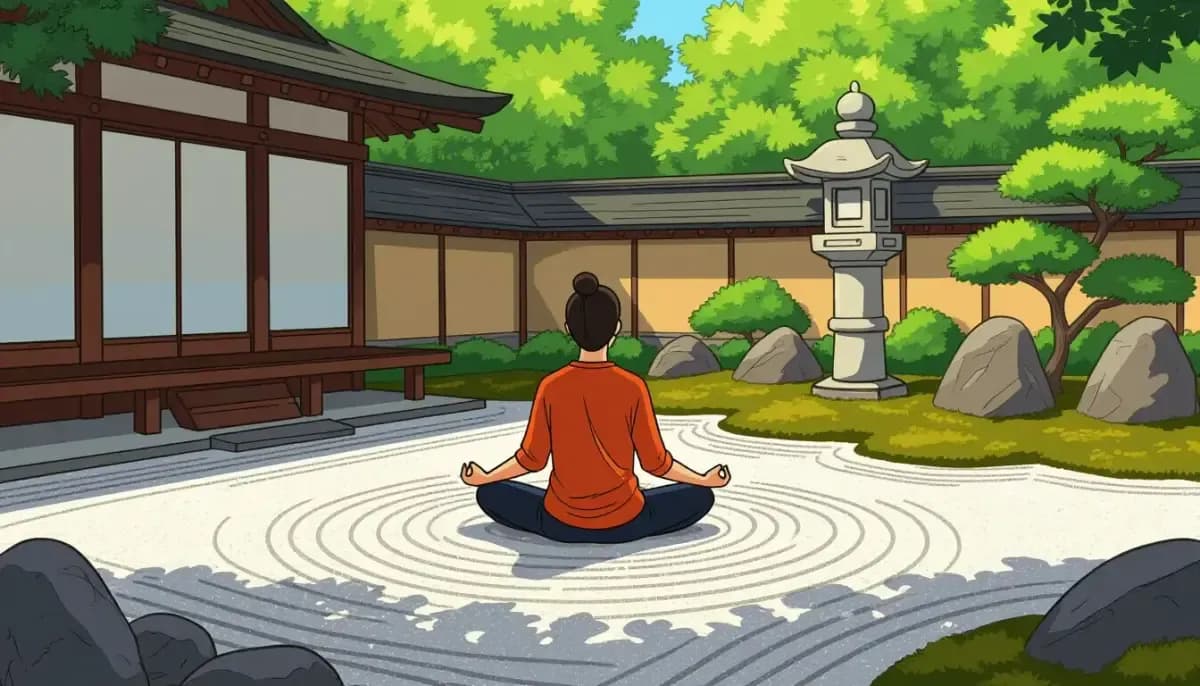
Discover how to practice meditation and mindfulness in Japan as a foreigner. From zazen at Zen temples to shinrin-yoku forest bathing, find your practice in Japan.
Meditation and Mindfulness Practices in Japan: A Complete Guide for Foreigners
Japan is one of the world's most contemplative cultures, with a rich tradition of meditation, mindfulness, and inner stillness woven into everyday life. For foreigners living in or visiting Japan, this creates a remarkable opportunity: access to some of the world's most authentic and time-tested mindfulness practices, from sitting zazen in centuries-old temples to walking through moss-covered Zen gardens in Kyoto.
Whether you're an expat dealing with the daily stresses of life abroad, a long-term resident looking to deepen your connection to Japanese culture, or a traveler seeking something beyond sightseeing, Japan offers an extraordinary range of meditation and mindfulness practices. This guide covers everything you need to know to get started.
!A serene Zen garden in Japan with raked gravel patterns and stone lanterns, perfect for meditation

Why Mindfulness Matters in Japan Today
Japan has one of the world's most intense work cultures, and the mental health costs are real. According to the Ministry of Health, Labour and Welfare (2024), 82.7% of Japanese workers report feeling anxious, worried, or stressed about their jobs. The top stressors include job responsibilities (39.7%), heavy workloads (39.4%), and interpersonal relationships (29.6%).
For foreigners, these pressures are compounded by language barriers, cultural isolation, and the challenges of navigating a complex society far from home. This is precisely why mindfulness practices — which have deep roots in Japan — are especially valuable for expats.
Research consistently shows that mindfulness meditation helps reduce symptoms of anxiety and depression, improves sleep, enhances focus, and builds stress resilience. A PubMed study found mindfulness-based meditation to be effective for anxiety and depression in Japanese patients, and a 2025 Frontiers in Psychology study confirmed the benefits of mindfulness programs for workers in Japan specifically.
The good news: Japan's rich cultural heritage offers a wealth of mindfulness tools that go far beyond sitting cross-legged on a cushion.
Understanding Zen Buddhism and Meditation in Japan
Buddhism arrived in Japan in the 6th century CE via the Silk Road through China and Korea. Over centuries, it evolved into distinctly Japanese forms, with Zen becoming one of the most influential schools. Unlike other Buddhist traditions that emphasize scripture or devotional practice, Zen places meditation at the absolute center — it is the path itself, not just a tool for achieving some other goal.
Zen meditation (zazen) is the foundation, but Japanese mindfulness culture extends well beyond formal sitting practice:
- Zazen — Seated meditation; the core practice of Zen Buddhism
- Kinhin — Walking meditation practiced between zazen sessions
- Kado (Ikebana) — The meditative art of flower arranging
- Sado (Tea Ceremony) — Ritual tea preparation as mindfulness practice
- Shakyo — Hand-copying Buddhist sutras as concentration practice
- Shodo — Japanese calligraphy as moving meditation
- Shinrin-yoku — Forest bathing as nature-based mindfulness
Each practice shares the same core: bringing full, non-judgmental attention to the present moment.
For a broader understanding of Japanese cultural practices, see our guide to Japanese Culture and Etiquette for Foreigners.
How to Practice Zazen: The Core Technique
Zazen is the heart of Zen meditation and the starting point for most practitioners. Here's how it works:
Setting Up: Choose a quiet space. Traditional zazen uses a round cushion (zafu) on a meditation mat (zabuton), but a folded blanket works fine for beginners. Face a blank wall or a simple focal point.
Posture Options:
- Full lotus (kekkafuza): Both feet resting on opposite thighs — traditional but challenging for beginners
- Half lotus (hankafuza): One foot on the opposite thigh — more accessible
- Seiza: Kneeling with a cushion or meditation bench under the buttocks — comfortable for many Westerners
- Chair: Sitting upright in a chair with feet flat on the floor — perfectly valid for those with physical limitations
The Practice: Sit with your spine tall, chin slightly tucked, eyes half-open and cast downward at a 45-degree angle. Place your hands in the cosmic mudra: left hand resting in right hand, thumbs lightly touching, forming an oval. Breathe naturally through your nose.
The key is simply to sit. When thoughts arise — and they will — you neither chase them nor push them away. You simply notice and return to the posture and breath. This quality of open, non-reactive awareness is the essence of zazen.
A typical beginner session is 20–30 minutes. Experienced practitioners sit for 40-minute periods with walking meditation breaks between sessions.
Foreigner-Friendly Meditation Centers and Temples in Japan
One of Japan's great offerings for foreign practitioners is the number of temples and centers that specifically welcome international participants. Many offer instruction in English.
| Location | Type | Language | Access | Cost |
|---|---|---|---|---|
| Shunkoin Temple, Kyoto | Zazen, tea ceremony, shakyo | English | 10 min from Kyoto Station | ¥500–¥2,000 |
| Sogen-ji Temple, Okayama | Zazen with foreign monks | English available | 20 min from Okayama | Free/donation |
| Tokozenji, Yokohama | Zazen sessions | English | Near central Yokohama | Free/donation |
| Tofukuji Temple, Kyoto | Regular zazen sessions | Japanese (some English) | Kyoto | Free |
| Eiheiji Temple, Fukui | Temple stay (shukubo) | Japanese | ~90 min from Kyoto | ¥15,000+ |
| Shōganji, rural Japan | Zen homestay | English | Reservation required | Varies |
Shunkoin Temple in Kyoto is particularly renowned for its English-language programming. The vice-abbot, Rev. Takafumi Kawakami, is a Stanford-trained Zen priest who gives talks in English and has become a bridge between traditional Zen and modern international seekers.
Sogen-ji Temple near Okayama is a working Zen monastery that has long welcomed foreign practitioners. Foreign monks are part of the community, making it exceptionally accessible for non-Japanese speakers.
For comprehensive information on getting around Japan to visit these locations, see our Transportation in Japan Guide for Foreigners.

Temple Stays (Shukubo): Immersive Mindfulness Experiences
If you want to go deep, consider a shukubo — an overnight stay at a Buddhist temple. Historically reserved for monks and pilgrims, these experiences have increasingly opened to foreign guests.
A typical shukubo includes:
- Morning meditation starting as early as 5:00 AM
- Shojin ryori — Traditional Buddhist vegetarian cuisine
- Cleaning practice — Monks clean the temple with full meditative attention
- Chanting sessions — Optional participation in sutras
- Guidance from resident monks — Often through interpreters at foreigner-friendly temples
Notable shukubo options include Eiheiji (the head temple of Soto Zen in Fukui Prefecture), Koyasan temples in Wakayama (Shingon Buddhism), and various Kyoto temples.
Costs typically range from ¥8,000 to ¥25,000 per night including meals. Advance reservations are essential, and some temples require introduction through a travel agency.
For guidance on budgeting for experiences like these, check our Cost of Living in Japan guide.
Learn more about traditional practices in Japan from Living in Nihon, a resource for foreigners navigating life in Japan.
Beyond Zazen: Japanese Mindfulness Practices for Daily Life
One of the beautiful aspects of Japanese mindfulness culture is how it extends into ordinary activities. You don't need to sit in a Zen temple to practice.
Shinrin-yoku (Forest Bathing) Developed in Japan in the 1980s and now backed by significant research, forest bathing involves spending mindful time in nature — not hiking or exercising, but simply being present in a forest environment. Studies show it reduces cortisol, lowers blood pressure, boosts immunity, and improves mood. Japan has over 60 officially designated forest bathing trails (shinrin-yoku roads), including Agematsu in Nagano and Iiyama in the Japanese Alps.
Ikebana (Flower Arranging) Far more than decoration, ikebana is a contemplative art form. Practitioners describe the deep concentration required — deciding where each stem belongs, how light falls on petals, how the arrangement breathes — as profoundly meditative. Classes are available throughout Japan, including many that welcome beginners and foreigners.
Sado (Tea Ceremony) The tea ceremony (chado or sado) is perhaps the most elaborate form of Japanese mindfulness. Every movement is deliberate: the bow, the turning of the bowl, the sound of whisked matcha. Participating in a tea ceremony — rather than just observing — can be a transformative mindfulness experience. Many cultural centers offer English-language classes.
Shakyo (Sutra Copying) Many temples offer shakyo sessions where you carefully copy Buddhist sutras in ink on thin paper. The practice requires steady concentration and produces a meditative state similar to seated meditation. It's accessible to anyone who can hold a brush or pen.
For more ways to engage with Japanese culture, see our guide to Japanese Festivals and Traditions.
Apps and Resources for Meditation in Japan
You don't always need a temple. These resources can support a home meditation practice:
English-language apps popular among Japan-based practitioners:
- Insight Timer — Free, huge library of guided meditations including Japanese-style practices
- Calm — Popular for sleep and stress; available in Japan
- Headspace — Structured courses; useful for beginners
Japanese meditation apps:
- Muon — Minimalist timer app designed for zazen
- Meditopia (メディトピア) — Japanese-language guided meditations
Local resources:
- Many city international centers (kokusai koryu centers) host mindfulness events
- Yoga studios often include meditation and frequently offer English classes
- Some companies offer workplace mindfulness programs — check with your HR department
For expats managing work stress, the For Work in Japan resource provides practical career and life guidance for foreign workers in Japan.
Practical Tips for Starting Your Meditation Practice in Japan
Starting a practice in a new country can feel daunting. Here's what helps:
Start small. Even five minutes of daily zazen is more valuable than a two-hour session you never repeat. Consistency matters more than duration.
Find a community. Solo practice is harder to maintain. Look for zazen groups at local temples (many post schedules online), expat meditation groups on Meetup or Facebook, or English-speaking yoga studios with meditation components.
Embrace the culture. Japan offers a cultural framework for mindfulness that's hard to find elsewhere. When you bow before entering a temple, remove your shoes carefully, or watch a monk rake a Zen garden, you're already practicing presence. Let the culture teach you.
Use discomfort as practice. Life as a foreigner in Japan comes with its share of frustration — language barriers, bureaucracy, cultural misunderstandings. The mindfulness skills you develop on the cushion can make navigating these challenges considerably more manageable.
Be patient with your mind. Zazen is notoriously difficult at first. Thoughts swarm, legs ache, the mind rebels. This is completely normal. Every experienced practitioner went through the same thing. The instruction is always the same: just sit.
For broader support navigating expat life in Japan, explore our guide to Making Friends and Social Life in Japan.
For detailed information on mental health support resources for foreigners, see Ittenshoku's guide for foreigners in Japan.
Getting Started: Your First Steps
If you're ready to begin, here's a practical roadmap:
- This week: Download Insight Timer (free) and try a 10-minute guided meditation. Choose "Zen" or "Japanese" in the search filter.
- This month: Find a local temple that offers zazen and attend one session. Most major cities have at least one foreigner-friendly option.
- Over the next year: Establish a daily home practice of 15–20 minutes. Visit Kyoto or Nara and experience the Zen garden tradition firsthand.
- When ready: Consider a one-night shukubo experience at a temple. This immersion can deepen your practice significantly.
Japan's meditation culture is not a museum piece — it's alive, evolving, and genuinely accessible to foreigners willing to approach it with respect and curiosity. In a country where nearly everyone is under some form of stress, the ancient tools of Zen and mindfulness have never been more relevant.
For more on building a fulfilling life as a foreigner in Japan, see our comprehensive guide to Daily Life in Japan for Foreigners.
For deeper research on meditation's benefits and academic resources, the Japan National Tourism Organization's meditation guide is an excellent starting point. The JNTO wellness page also covers broader mindfulness and wellness traditions in Japan.

Originally from Vietnam, living in Japan for 16+ years. Graduated from Nagoya University, with 11 years of professional experience at Japanese and international companies. Sharing information about living in Japan for foreigners.
View Profile →Related Articles

Counseling Services in Japan Available in English
Find English-speaking counseling and therapy services in Japan. Complete guide for foreigners including TELL Japan, Tokyo Mental Health, cost information, crisis hotlines, and online therapy options.
Read more →
Maintaining Overall Wellbeing as an Expat in Japan
A complete guide to maintaining physical, mental, and social wellbeing as an expat in Japan. Covers healthcare, mental health resources, work-life balance, and community building.
Read more →
Japanese Attitudes Toward Mental Health Explained
Understand Japanese attitudes toward mental health, stigma culture, and practical resources for foreigners seeking mental health support in Japan. Complete guide for expats.
Read more →
Seasonal Affective Disorder in Japan How to Manage
Struggling with seasonal mood changes in Japan? Learn how to recognize, treat, and manage Seasonal Affective Disorder (SAD) as a foreigner, including Japan-specific tips for tsuyu, gogatsubyou, and winter depression.
Read more →
Self Care Practices and Wellness in Japan
Discover the best self-care practices and wellness traditions in Japan for foreigners — from onsen and shinrin-yoku to mental health resources and meditation. Build your routine today.
Read more →
Support Groups for Foreign Residents in Japan
Find support groups, community organizations, and resources for foreigners in Japan. From official centers to expat networks, mental health support, and NPO services.
Read more →