
Sustainable and Ethical Fashion in Japan Guide

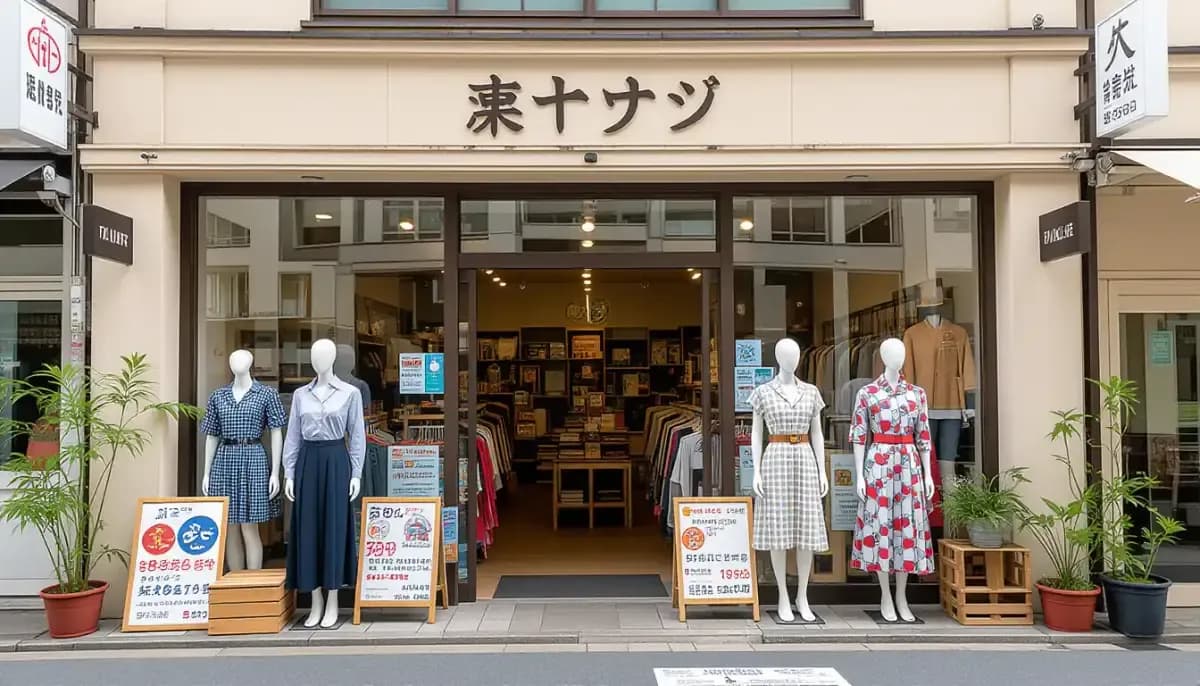
Discover sustainable and ethical fashion in Japan: eco-friendly brands, second-hand markets, vintage shops in Tokyo, and tips for shopping consciously as a foreigner in Japan.
Sustainable and Ethical Fashion in Japan: The Complete Guide for Foreigners
Japan has long been admired for its deep-rooted philosophy of mottainai — a Japanese concept expressing deep regret over waste. Long before "sustainable fashion" became a global buzzword, Japanese culture was already practicing mindful consumption, careful garment preservation, and creative repurposing. For foreigners living in or visiting Japan, this creates an incredible opportunity to explore one of the world's most vibrant and innovative sustainable fashion scenes.
Whether you're looking to shop ethically, discover local eco-friendly brands, or dive into Japan's thriving second-hand market, this guide will help you navigate sustainable and ethical fashion in Japan with confidence.
Understanding Sustainable Fashion in the Japanese Context
Before diving into where to shop, it helps to understand the key categories of sustainable fashion you'll encounter in Japan:
Ethical Fashion focuses on fair labor practices and responsible sourcing. In Japan, a major concern is the decline of traditional craftsmanship, so many ethical brands work to preserve regional artisan skills and pay fair wages to craftspeople.
Slow Fashion is the opposite of fast fashion — it emphasizes long-lasting, high-quality clothing made with consideration for the environment, animals, and human rights. These garments often feature simple, timeless designs made from natural materials.
Vegan Fashion creates clothing without animal-derived materials, using innovative plant-based alternatives like apple leather, kapok fiber, and bamboo fabrics.
Upcycled Fashion transforms existing garments or waste materials into new pieces. Japan has a thriving upcycling culture, with brands creating products from discarded kimono silk, plastic umbrellas, and factory remnants.
The concept of mottainai underpins all of these approaches. This cultural philosophy encourages using items fully, repairing them when broken, and finding creative new uses rather than discarding them. It's a value system that aligns perfectly with sustainable fashion principles.
For more on adapting to Japanese cultural values, see our guide on Japanese Culture and Etiquette for Foreigners.
Notable Sustainable and Ethical Fashion Brands in Japan
Japan is home to over 115 sustainable fashion brands, ranging from online retailers to physical stores. Here are some standout names worth knowing:
| Brand | Sustainability Focus | Key Materials | Price Range |
|---|---|---|---|
| People Tree | Fair trade pioneer since 1991 | Organic cotton, natural dyes | ¥3,000–¥30,000 |
| MUJI | Organic cotton clothing line | Organic cotton | ¥1,000–¥15,000 |
| Kapok Knot | Plant-based fiber from kapok trees | Kapok fiber | From ¥18,800 |
| Lovst Tokyo | Apple leather accessories | Upcycled apple waste leather | From ¥2,000 |
| Takes | Organic bamboo & cotton clothing | Organic bamboo, cotton | From ¥9,900 |
| Tennen | Organic materials, repair services | Organic/recycled cotton, hemp | From ¥2,200 |
| Shokay Japan | Fair trade yak wool from Tibet | Tibetan yak wool | From ¥8,800 |
| Underson Underson | Washi fabric from wood pulp waste | Washi (Japanese paper fabric) | From ¥2,420 |
| Plasticity | Recycled vinyl umbrella products | Discarded plastic umbrellas | ¥3,000–¥15,000 |
| Tokyo Kimono Shoes | Upcycled kimono into footwear | Vintage silk kimono | ¥20,000–¥50,000 |
People Tree stands out as Japan's fair trade fashion pioneer. Founded in Tokyo in 1991 by British entrepreneur Safia Minney, every product is made with strict ethical and ecological standards, from field to finished garment.
Lovst Tokyo creates handbags, belts, and accessories from "apple leather" — a plant-derived material made using upcycled apple waste from Aomori apple farms. It's a beautiful example of Japanese ingenuity turning agricultural byproducts into luxury goods.
Plasticity addresses an often-overlooked environmental issue: Japan discards approximately 80 million vinyl umbrellas every year. Plasticity transforms this durable, waterproof fabric into functional bags, wallets, and totes through a clever layering technique.
For a broader look at shopping culture in Japan, check our Complete Guide to Shopping in Japan for Foreigners.
Tokyo's Best Sustainable Fashion Shops
Tokyo has a growing number of physical stores where you can discover sustainable and ethical fashion firsthand:
Tokyo Kimono Shoes (Asakusa): This unique Asakusa shop gives unused luxury kimono a second life, transforming silk kimono and obi sashes into unique sneakers, heels, and handbags. Each pair is one-of-a-kind.
D&Department Tokyo (Setagaya): A beloved concept store offering mid-century furniture, tableware, and fashion alongside repurposed goods. Their From Lifestock tote bags are made from deadstock fabric — a great sustainable souvenir.
Newsed: Creates quirky badges, earrings, bow ties, and accessories from factory remnants and dead stock products. Their seat cushions fashioned from unused car airbags are particularly inventive.
I Was a Kimono (Shibuya): Upcycles damaged kimono into beautiful jewelry, home decorations, and accessories. Products are sourced from Tokyo antique markets, giving forgotten heirlooms a new life.
Nozomi Project: Local artisans craft accessories from pottery broken during the 2011 Tohoku disaster, supporting community recovery while creating beautiful, meaningful pieces.
Shimokitazawa and Harajuku neighborhoods are also excellent destinations for vintage and ethical fashion hunting. Both areas are known for their concentration of independent boutiques, vintage stores, and creatively minded shoppers.
For more on navigating city life, see our Complete Guide to Daily Life in Japan for Foreigners.
Second-Hand Shopping: Japan's Hidden Treasure
Japan's second-hand market is one of the most developed in the world, and for eco-conscious shoppers, it's an absolute goldmine. Japan's focus on meticulous product preservation means second-hand items are often in exceptional condition.
According to Japan's Ministry of the Environment, 44.1% of Japanese citizens purchased second-hand goods in 2024. The reuse market has grown enormously, rising from $13.2 billion in 2017 to a projected $26.3 billion by 2030.
Where to Shop Second-Hand
Mercari: Japan's largest C2C (consumer-to-consumer) marketplace, Mercari has normalized second-hand shopping in Japan. The app is available in Japanese and English, making it accessible for foreigners. You can find everything from designer clothing to everyday basics.
Bookoff (BOOKOFF): While known primarily for books, many Bookoff locations also carry used clothing, accessories, and fashion items at budget-friendly prices.
Komehyo: Focuses on pre-owned branded fashion and luxury accessories. If you're looking for authentic designer pieces at reduced prices, Komehyo is a trusted destination.
Hard Off / Mode Off: Part of the Off chain of stores, Mode Off specializes in second-hand clothing and accessories. Prices are very reasonable and you can find unique vintage pieces.
Shimokitazawa: This bohemian neighborhood in Tokyo is famous for its vintage stores. Spend an afternoon wandering through small shops filled with carefully curated second-hand fashion — it's an experience in itself.
Harajuku/Ura-Harajuku: Beyond the tourist streets, the back alleys of Harajuku hide dozens of vintage boutiques catering to fashion-forward shoppers.
For resources on managing finances while shopping sustainably, visit our Complete Guide to Cost of Living in Japan.
Eco-Friendly Fashion Certifications and Labels to Know
When shopping for sustainable fashion in Japan, keep an eye out for these certifications and practices:
GOTS (Global Organic Textile Standard): Ensures that textiles are made from certified organic fibers and processed without harmful chemicals. Some Japanese brands display this certification.
Fair Trade Certified: Confirms that workers throughout the supply chain received fair wages and worked in safe conditions. People Tree is Japan's most notable fair trade fashion brand.
OEKO-TEX Standard 100: Tests for harmful substances in textiles. Many Japanese brands use this certification to assure customers of fabric safety.
Made in Japan: While not exclusively a sustainability certification, Japanese domestic production often means higher quality control, shorter supply chains, and better labor standards compared to fast fashion imports.
QR Traceability: Some innovative Japanese brands like Kizasi use QR codes on garments, allowing customers to trace the origin of materials and the journey of their clothing. This radical transparency is increasingly popular.
For guidance on understanding Japanese labeling and bureaucracy, see our Complete Guide to Japanese Bureaucracy and Paperwork.
Practical Tips for Sustainable Fashion Shopping in Japan as a Foreigner
Shopping sustainably in Japan as a foreigner comes with some unique considerations. Here's what you need to know:
Language Barrier: Many sustainable brands in Japan operate primarily in Japanese. Use Google Translate's camera function to scan labels and product descriptions. The app handles Japanese text well, including complex kanji.
Cash vs. Card: While Japan is rapidly modernizing its payment systems, some smaller sustainable boutiques and vintage shops still prefer cash. Always carry some yen when exploring independent stores.
Size Differences: Japanese clothing sizes tend to run smaller than Western sizes. S in Japan may correspond to XS in Europe or the US. Always try items on or check size charts carefully.
Eco Bags: Japan has a ¥3–¥5 per bag charge for plastic bags at most retailers. Bring your own reusable bag — not only is it the sustainable choice, it's also becoming the expected norm.
Seasonal Sales: Japan has major sale seasons (summer and winter) where sustainable brands also discount their collections. This is a great time to invest in higher-quality ethical pieces at reduced prices.
Online Research First: Before visiting a physical store, check if they have an English website or Instagram account. Many sustainable brands maintain active social media presences that showcase their current collections and sustainability practices in English.
For broader advice on living sustainably in Japan, explore our Complete Guide to Sustainable Living in Japan for Foreigners.
The Future of Sustainable Fashion in Japan
Japan's sustainable fashion movement is growing rapidly, driven by younger consumers who prioritize environmental and ethical values. Key trends shaping the industry include:
Small-batch production: Many brands are shifting to limited runs to reduce overproduction and waste.
Rental and subscription services: Fashion rental services are gaining traction in Japan, allowing consumers to access quality clothing without ownership.
Digital resale platforms: Beyond Mercari, platforms like Fril (Rakuma) and Sniff-Out specialize in fashion resale, making second-hand shopping more accessible.
Traditional craft revival: Brands are increasingly partnering with traditional Japanese artisans — indigo dyers, weavers, sashiko embroiderers — to preserve ancient skills while creating sustainable modern garments.
Zero-waste design: Japanese designers are increasingly exploring zero-waste pattern cutting techniques, inspired by traditional kimono construction that uses every centimeter of fabric.
For more information on sustainable brands and eco-friendly lifestyle in Japan, visit Zenbird, a dedicated media outlet covering sustainability in Japan. The Savvy Tokyo guide to sustainable fashion brands also provides excellent coverage of brands using natural materials.
Additional resources for expats navigating sustainable living in Japan:
- Living in Nihon — Comprehensive expat resource for life in Japan
- For Work in Japan — Career and lifestyle guidance for foreigners in Japan
- Ittenshoku — Resources for foreigners navigating Japanese life and work
Conclusion
Japan's sustainable fashion scene offers something for every type of eco-conscious shopper. Whether you're drawn to innovative brands creating products from discarded umbrellas and apple waste, or you prefer hunting for pristine vintage pieces in Shimokitazawa's charming backstreets, Japan has built an impressive ecosystem for ethical consumption.
The country's deeply ingrained mottainai philosophy means that sustainable fashion isn't a niche trend here — it's an extension of values that have existed for generations. As a foreigner in Japan, embracing sustainable fashion is also a wonderful way to connect more deeply with Japanese culture, support local artisans, and reduce your environmental footprint while living abroad.
Start small: swap one purchase a month to a second-hand platform like Mercari, visit one sustainable brand store in your city, or simply bring your own bag to every shopping trip. Every mindful choice adds up to meaningful change.

Originally from Vietnam, living in Japan for 16+ years. Graduated from Nagoya University, with 11 years of professional experience at Japanese and international companies. Sharing information about living in Japan for foreigners.
View Profile →Related Articles
Japan Secondhand Reuse and Upcycle Culture Guide
Complete guide to Japan's secondhand and upcycle culture. Discover recycle shops, flea markets, online platforms like Mercari, mottainai philosophy, and tips for foreigners living in Japan.
Read more →
Water Conservation Tips for Living in Japan
Learn practical water conservation tips for living in Japan. Discover Japanese bathing culture, smart toilet technology, bath water recycling for laundry, and how to reduce your water bill as a foreigner in Japan.
Read more →
Sustainable and Eco Friendly Housing in Japan
Complete guide to sustainable and eco-friendly housing in Japan for foreigners. Learn about ZEH homes, green certifications, government subsidies, and practical tips for renting or buying an eco-friendly home.
Read more →
Community Clean Up Events and Volunteering in Japan
Learn how to join community clean-up events and volunteering activities in Japan as a foreigner. Discover organizations, cultural etiquette, useful phrases, and tips to integrate into Japanese community life.
Read more →
Japan Environmental Regulations Affecting Daily Life
A complete guide to Japan's environmental regulations affecting daily life — garbage sorting, recycling laws, noise rules, and public cleanliness standards for foreign residents.
Read more →
Where to Buy Organic Food in Japan
Complete guide to buying organic food in Japan for foreigners and expats. Learn about JAS certification, best organic stores in Tokyo, delivery services, farmer's markets, and money-saving tips.
Read more →