
Overcoming Language Barrier Stress in Japan

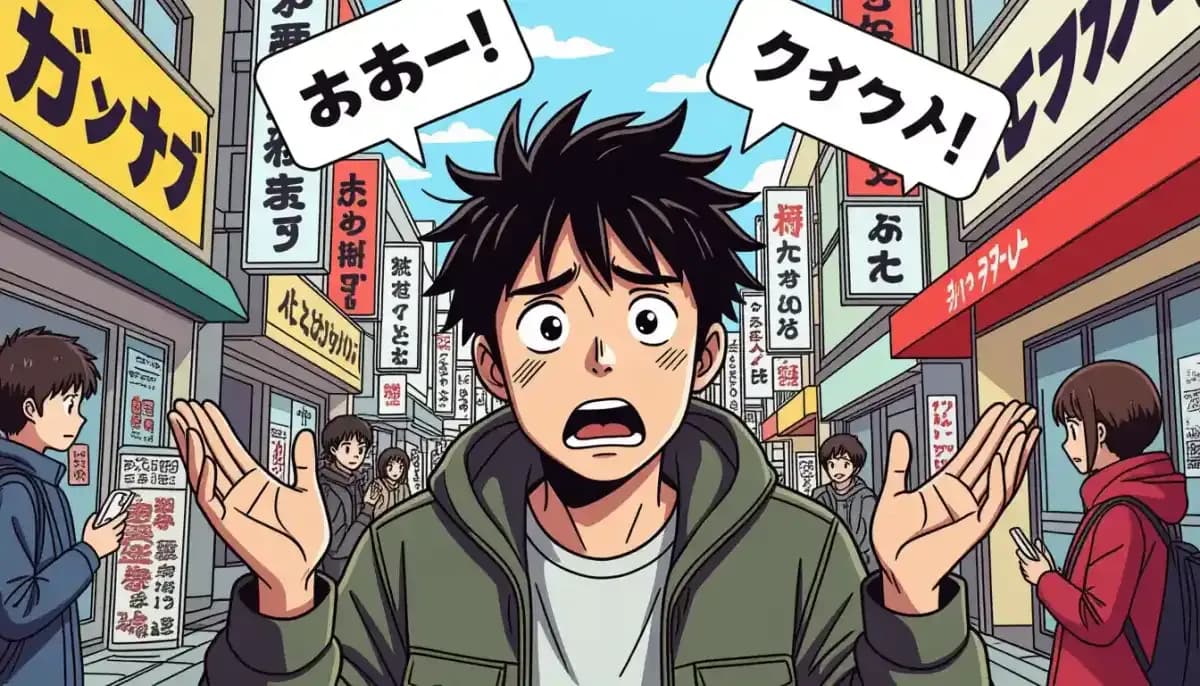
Feeling stressed by the language barrier in Japan? Discover practical strategies, tools, and mental health tips to overcome language anxiety as a foreigner living in Japan.
Overcoming Language Barrier Stress in Japan: A Complete Guide for Foreigners
Moving to Japan is an exciting adventure, but for most foreigners, the Japanese language quickly becomes one of the most significant daily stressors. Whether you're struggling to read a utility bill, stumbling through a conversation at the city hall, or feeling isolated because you can't join in on a conversation with coworkers, language barrier stress is real — and it affects nearly every aspect of life in Japan.
The good news is that millions of foreigners have navigated this challenge before you, and there are proven strategies that make it manageable. This guide covers everything from the psychological impact of language barriers to practical daily coping techniques, helping you transform language stress from an overwhelming burden into a manageable part of your Japan experience.
Understanding Language Barrier Stress in Japan
Japan is famously challenging for English speakers. The U.S. Department of State classifies Japanese as a Category IV language — the most difficult category for English speakers — requiring approximately 2,200 classroom hours to reach professional proficiency. For context, Spanish requires only about 600 hours. Meanwhile, Japan ranks 92nd out of 116 countries in English proficiency, with only 15-28% of Japanese people possessing any English ability, and very few achieving conversational fluency.
This combination creates a uniquely stressful environment for foreign residents. A systematic review of 55 studies covering 8,649 international migrants in Japan found that language barriers were the most frequently cited obstacle to mental well-being among migrants. Trouble communicating in Japanese was documented in 10 separate studies as negatively impacting mental health, creating stress not just in social situations but also in managing daily life tasks and describing symptoms in medical settings.
The mental health impact is significant: neurotic and stress-related disorders are the most common diagnoses among foreign nationals accessing psychiatric services in Japan. About 22.9% of foreign nationals surveyed could not speak Japanese at all, requiring interpretation by family members or professional interpreters just to manage basic life needs.
Understanding that your stress is normal — and well-documented — is the first step toward managing it.
How Language Barriers Affect Daily Life in Japan
The stress doesn't come from one single source but accumulates across multiple daily touchpoints:
Administrative and paperwork stress: Japan's bureaucracy is extensive and almost entirely in Japanese. Registering your address, setting up utilities, dealing with taxes, visiting the ward office — all of these require navigating complex Japanese forms and procedures. Many foreigners describe feeling helpless or infantilized when they need to bring a Japanese-speaking friend to handle basic adult responsibilities. See our guide to Japanese bureaucracy and paperwork for practical strategies.
Workplace communication: Even in international companies, internal communication often happens in Japanese. Workplace culture in Japan places great emphasis on nuance, hierarchy, and unspoken communication — things that are difficult even for advanced Japanese speakers to navigate. Language barriers make it easy to miss important context, misread social situations, or inadvertently cause offense. Learn more about navigating Japanese workplace culture.
Social isolation: One of the most psychologically damaging effects of language barriers is social isolation. When you can't participate in casual conversation, join in on office jokes, or chat with neighbors, loneliness sets in quickly. Research shows that social networks are the strongest protective factor against mental health problems for migrants in Japan — mentioned 25 times as statistically significant — making isolation particularly dangerous for well-being. If you're struggling with social isolation, our article on dealing with loneliness as a foreigner in Japan offers targeted advice.
Medical and emergency situations: Healthcare becomes far more stressful when you can't clearly communicate your symptoms, understand a diagnosis, or read medication instructions. This stress is magnified in emergencies. For guidance on navigating the healthcare system, see healthcare in Japan for foreigners.
Culture shock amplification: Language barriers intensify culture shock by limiting your ability to seek explanations for confusing cultural differences. When you can't ask "why does everyone do this?", it's harder to understand and adapt to your new environment.
Signs That Language Barrier Stress Is Affecting Your Mental Health
It's important to recognize when language-related stress crosses into something more serious:
| Symptom | Mild (Normal Adjustment) | Concerning (Seek Support) |
|---|---|---|
| Frustration | Occasional irritation at miscommunications | Persistent anger or crying after interactions |
| Avoidance | Briefly postponing difficult tasks | Refusing to leave home; canceling essential appointments |
| Exhaustion | Feeling tired after long days of Japanese | Constant mental fatigue even on rest days |
| Social withdrawal | Preferring quiet evenings at home | Stopping all social activities; extreme isolation |
| Physical symptoms | Minor headaches from concentration | Chronic stress symptoms: sleep issues, appetite changes |
| Self-esteem | Occasional frustration with progress | Feeling fundamentally incapable or worthless |
If you're experiencing the "concerning" column consistently, it's time to reach out. Japan has mental health resources for foreigners and English-speaking therapists who understand exactly what you're going through.
Practical Strategies for Managing Language Barrier Stress Day-to-Day
Build Your Technology Toolkit
Modern technology has dramatically reduced the burden of language barriers in Japan. These tools should be installed and practiced before you need them:
Google Translate (Camera Mode): Point your phone at any Japanese text for instant translation. This is invaluable for menus, signs, instruction manuals, and mail. The app works offline if you download the Japanese language pack.
DeepL: Generally considered more accurate than Google Translate for nuanced text like documents and emails. Use it for important written communications.
VoiceTra: A voice translation app developed by Japan's National Institute of Information and Communications Technology (NICT). It's particularly useful for two-way spoken conversation.
Yomiwa / Takoboto: Japanese dictionary apps that let you look up kanji by drawing them — essential for reading signs and menus that Google Translate's camera can't capture clearly.
Google Maps: Beyond navigation, it shows you which restaurants and businesses have English menus or English-speaking staff through user reviews.
Learn Strategic Survival Japanese (Not Just JLPT)
You don't need to master Japanese to dramatically reduce language barrier stress — you need strategic Japanese. Focus on:
- The three scripts: Learning hiragana and katakana (46 characters each) takes about 1-2 weeks of daily practice and immediately opens up menus, signs, and many words. Katakana is particularly valuable because it represents foreign loan words.
- Numbers and counting systems: Japan uses different counting words for different objects (flat things, long things, animals, etc.). Mastering basic numbers for prices, addresses, and phone numbers is a quick win.
- Polite set phrases: Learning "sumimasen" (excuse me), "wakarimasen" (I don't understand), "eigo ga hanasemasu ka?" (can you speak English?), and "mou ichido itte kudasai" (please say that again) will get you through most daily interactions.
- Essential kanji: Focus on high-frequency kanji for daily life: exit (出口), entrance (入口), toilet (トイレ/お手洗い), danger (危険), stop (止まれ), and common food allergen kanji.
For a complete language learning roadmap, see Living in Nihon's guide to learning Japanese.
Reframe Your Relationship with Mistakes
One of the biggest sources of language stress is perfectionism — the fear of making mistakes in public. Japanese culture is often perceived as judgmental, which makes many foreigners freeze rather than attempt communication. The reality is more nuanced:
Most Japanese people are enormously patient with foreigners attempting Japanese. A sincere effort to communicate, even broken and grammatically incorrect, is generally met with warmth and appreciation. The perceived judgment is often more about your own anxiety than actual Japanese attitudes.
Practical reframing strategies:
- Think of your Japanese ability as "beta software" — it works imperfectly but it's constantly updating
- Celebrate communicative success (did the message get across?) rather than linguistic perfection
- Keep a small notebook of successful interactions to review when you feel discouraged
- Remember that every mistake is data — misunderstandings teach you what to clarify in future conversations
Build Systems That Reduce Daily Language Load
Rather than facing fresh language challenges every day, build systems that minimize the cognitive burden:
- Create a Japanese cheat sheet for your most common interactions: your address in Japanese, your medical conditions in Japanese, key phrases for your commute
- Identify English-friendly alternatives for essential services: English-speaking banks, clinics with translation services, ward offices with multilingual support
- Batch difficult tasks: Rather than spreading Japanese-intensive tasks throughout the week, batch them on days when you're mentally fresh and have support available
- Establish routines: Frequenting the same shops, restaurants, and services means staff begin to recognize you and the interactions become familiar and lower-stress
For help finding practical support services, For Work in Japan's resources section covers language learning tools and methods specifically for Japan residents.
Building Your Support Network
Social support is the single strongest protective factor for mental health among foreign residents in Japan. Building your support network should be a priority, not an afterthought.
Find your community of fellow foreigners: Shared frustration is therapeutic. Connecting with other foreigners who understand language barrier stress provides emotional validation, practical tips, and genuine friendship. Look for:
- International meetup groups (Meetup.com is active in major Japanese cities)
- Language exchange events where you practice Japanese with someone practicing English
- International community centers (most major cities have one)
- Online communities: r/japanlife and r/movingtojapan on Reddit are large and helpful
Cultivate Japanese friendships strategically: Japanese people who've lived abroad or who work in international environments often make particularly good allies because they understand cultural translation, not just language translation.
Build relationships with community resources: Your local ward office often has multilingual staff or access to interpreters. Knowing this resource exists before you desperately need it reduces stress significantly.
Don't underestimate professional support: If language barrier stress is significantly impacting your quality of life, working with a counselor who understands the expat experience can be transformative. Japan has several platforms offering counseling services in English. For peer-based support, support groups for foreign residents provide community connection.
Long-Term Strategies: Investing in Japanese Proficiency
Managing stress through tools and coping strategies is valuable, but nothing reduces language barrier stress as effectively as improving your Japanese. Even reaching conversational level (roughly JLPT N4-N3) dramatically expands your world in Japan.
Structured learning approaches:
- Language school (語学学校): Intensive instruction with native teachers; accelerates progress fastest but requires time and money
- University extension courses: Many universities offer evening Japanese courses at reasonable prices
- Private tutoring via iTalki or Preply: Flexible scheduling with native teachers at various price points
- Apps as supplements: Anki (flashcards), WaniKani (kanji), and Bunpro (grammar) complement structured study
Immersive daily practices:
- Change your phone language to Japanese
- Watch Japanese shows with Japanese subtitles (not English)
- Follow Japanese social media accounts related to your hobbies
- Volunteer in contexts where Japanese is necessary
The technology and apps guide for Japan covers digital tools that make language learning in Japan more efficient.
For an excellent overview of managing life in Japan more broadly, visit ittenshoku.com for career and life guidance for foreigners in Japan.
When to Seek Professional Help
Language barrier stress exists on a spectrum. While most foreigners experience significant stress during adjustment, some develop clinical anxiety or depression that requires professional treatment. Research published in PMC found that neurotic and stress-related disorders are the most common diagnoses among foreign nationals accessing psychiatric services in Japan — you're not alone if you're struggling.
Consider seeking professional support if:
- Language-related anxiety is interfering with work performance or daily functioning
- You're avoiding necessary activities (medical appointments, administrative tasks) due to language fear
- You're experiencing persistent low mood, hopelessness, or loss of pleasure in activities you used to enjoy
- Physical symptoms (insomnia, appetite changes, tension headaches) are becoming chronic
- You're using alcohol or other substances to cope with stress
Japan has a growing network of English-speaking mental health professionals. Our comprehensive guide to mental health resources for foreigners in Japan covers where to find help. The mental health and wellbeing guide for foreigners provides a broader framework for protecting your psychological health while living in Japan.
For research-backed information on mental health support, the E-Housing mental health guide offers practical guidance on navigating language challenges as a resident.
Moving Forward: Language as Connection, Not Just Communication
The journey from language barrier anxiety to language competence is one of the most rewarding experiences available to foreigners in Japan. Every breakthrough — successfully navigating a bureaucratic form, understanding a joke, being understood clearly for the first time — builds not just language skill but psychological resilience and genuine connection to Japan.
Language barriers are temporary. They're also, in a strange way, an invitation: to slow down, to pay closer attention, to develop patience, and to appreciate the kindness of strangers who help you navigate unfamiliar territory. Many long-term foreign residents in Japan look back on their early language struggles not just with relief that they're over, but with genuine appreciation for what those challenges taught them.
Keep going. The Japan that opens up as your language develops is worth every stumble along the way.
Related reading: How to Deal with Loneliness as a Foreigner in Japan | Dealing with Homesickness While Living in Japan | Making Friends and Social Life in Japan Guide

Originally from Vietnam, living in Japan for 16+ years. Graduated from Nagoya University, with 11 years of professional experience at Japanese and international companies. Sharing information about living in Japan for foreigners.
View Profile →Related Articles

Counseling Services in Japan Available in English
Find English-speaking counseling and therapy services in Japan. Complete guide for foreigners including TELL Japan, Tokyo Mental Health, cost information, crisis hotlines, and online therapy options.
Read more →
Maintaining Overall Wellbeing as an Expat in Japan
A complete guide to maintaining physical, mental, and social wellbeing as an expat in Japan. Covers healthcare, mental health resources, work-life balance, and community building.
Read more →
Meditation and Mindfulness Practices in Japan
Discover how to practice meditation and mindfulness in Japan as a foreigner. From zazen at Zen temples to shinrin-yoku forest bathing, find your practice in Japan.
Read more →
Japanese Attitudes Toward Mental Health Explained
Understand Japanese attitudes toward mental health, stigma culture, and practical resources for foreigners seeking mental health support in Japan. Complete guide for expats.
Read more →
Seasonal Affective Disorder in Japan How to Manage
Struggling with seasonal mood changes in Japan? Learn how to recognize, treat, and manage Seasonal Affective Disorder (SAD) as a foreigner, including Japan-specific tips for tsuyu, gogatsubyou, and winter depression.
Read more →
Self Care Practices and Wellness in Japan
Discover the best self-care practices and wellness traditions in Japan for foreigners — from onsen and shinrin-yoku to mental health resources and meditation. Build your routine today.
Read more →