
Dealing with Homesickness While Living in Japan

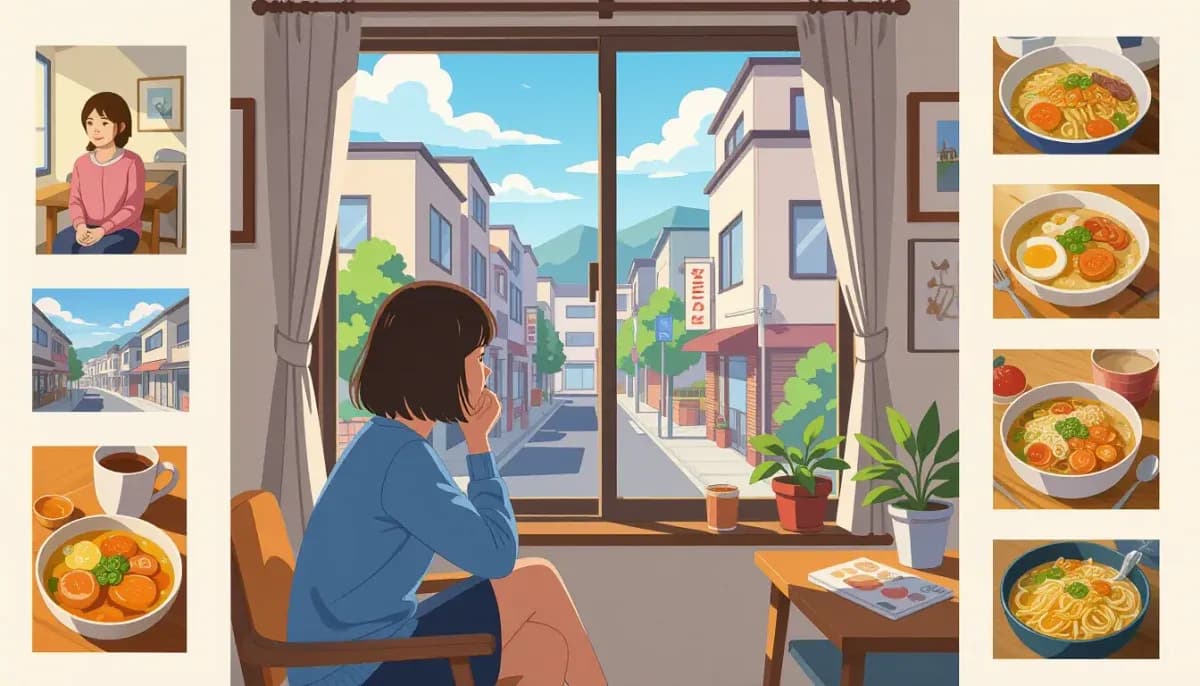
Feeling homesick in Japan? This practical guide covers coping strategies, building community, staying connected with home, and mental health resources for foreigners living in Japan.
Dealing with Homesickness While Living in Japan: Practical Tips for Expats
Moving to Japan is an incredible adventure—the vibrant cities, stunning landscapes, unique culture, and fascinating people make it one of the most exciting places in the world to live. But no matter how amazing your new home is, homesickness is a universal experience that touches nearly every expat at some point. That persistent ache for familiar faces, foods, sounds, and routines is completely normal, and you are far from alone.
This guide offers practical, compassionate advice for dealing with homesickness while living in Japan, drawing on the experiences of the expat community and resources specifically available for foreigners in the country.
Understanding Homesickness and Culture Shock in Japan
Homesickness is more than just missing your family or friends—it's a complex emotional response to displacement that can include feelings of anxiety, loneliness, grief, and even physical symptoms like fatigue, headaches, or disrupted sleep.
For foreigners in Japan, homesickness often overlaps with culture shock, which typically unfolds in four stages:
| Stage | Description | Common Feelings |
|---|---|---|
| Honeymoon | Everything feels exciting and novel | Euphoria, curiosity, enthusiasm |
| Frustration | Cultural differences feel overwhelming | Irritability, anxiety, isolation |
| Adjustment | Developing new coping strategies | Growing confidence, moments of ease |
| Acceptance | Feeling at home in your new culture | Comfort, belonging, integration |
Japan's unique cultural landscape can intensify culture shock. The implicit social rules, indirect communication style, and the expectation to "read the atmosphere" (空気を読む, kuuki wo yomu) can be exhausting for newcomers. Language barriers make even routine tasks—going to the hospital, dealing with bureaucracy, or striking up neighborly conversation—feel monumental.
Research confirms these challenges are real: neurotic, stress-related, and somatoform disorders are more common among foreign nationals in Japan compared to Japanese nationals, with acculturation stress identified as a primary factor. Studies also show that migrants living in Japan for less than five years tend to experience higher rates of mental health difficulties, which generally improve with longer residence.
For a broader understanding of mental health challenges foreigners face in Japan, the comprehensive resource at Living in Nihon's Mental Health & Wellbeing Guide is an excellent starting point.
Building a Support Network in Japan
One of the most powerful antidotes to homesickness is human connection. Building a community in Japan takes time and intentional effort, but it is absolutely possible—and deeply rewarding.
Connect with other expats: Fellow foreigners understand exactly what you're going through. Look for expat groups through platforms like Meetup, Facebook Groups, or Internations. Many Japanese cities have thriving international communities with regular social events.
Attend language exchange meetups: Language exchanges (会話交換, kaiwa koukan) are wonderful for meeting both expats and locals who are genuinely interested in international friendship. Apps like HelloTalk and Tandem can also connect you with Japanese speakers keen to practice English in exchange for conversation.
Join hobby-based communities: Sports teams, yoga studios, art classes, hiking groups, and cultural workshops are all fantastic ways to meet like-minded people. Shared activities break down social barriers more naturally than any other approach.
Explore international community centers: Many major cities in Japan have international centers (国際交流センター) that host events, provide resources, and connect newcomers with local support systems.
Building friendships and finding your social footing in Japan takes patience. In the meantime, don't underestimate the value of online communities—forums, Discord servers, and social media groups for foreigners in Japan can provide connection, advice, and solidarity even before you've built a local circle.
For more guidance on navigating social life in Japan, see our article on making friends and building social connections in Japan.
Staying Connected with Home
While it's important not to let contact with home become a crutch that prevents you from engaging with your new life, regular communication with loved ones is a healthy and essential part of managing homesickness.
Schedule regular video calls: Tools like Zoom, FaceTime, or LINE make it easy to maintain face-to-face contact with family and friends despite time zone differences. A standing weekly call with people you love can be a lifeline.
Create shared rituals: Watch the same TV series simultaneously with a sibling or friend back home and message each other reactions. Join an online book club with friends from home. These shared experiences maintain the texture of your relationships even across thousands of kilometers.
Share your Japan life: Sending family and friends photos, videos, and updates about your new life in Japan not only keeps them connected to your experience—it can also reframe your perspective, reminding you of the genuine wonder of your situation.
Find familiar foods: Japan's international supermarkets and online stores mean you can often source ingredients from your home country. Cooking familiar dishes is a surprisingly powerful comfort—the smells and tastes of home can immediately ease that hollow feeling of longing.
Be mindful, though, of the balance between staying connected and moving forward. If you find yourself spending the majority of your time in Japan glued to your home country's news and social media rather than engaging with your surroundings, it may be time to gently shift the balance.
Embracing Japanese Culture to Ease Homesickness
Counterintuitively, one of the best ways to ease homesickness is to dive deeper into Japanese culture rather than retreating from it. When Japan starts to feel like home—when you have places you love, routines that anchor you, and experiences that are uniquely yours—the distance from your old life becomes less acute.
Explore your neighborhood: Japan rewards those who walk and look closely. The tiny ramen shops, the seasonal temple markets, the neighborhood parks where elderly men gather to play go—these discoveries accumulate into a genuine sense of place.
Participate in seasonal celebrations: Japan's calendar is full of celebrations that bring communities together. Cherry blossom season (hanami), summer fireworks (hanabi), autumn leaf viewing (momiji gari), and winter illuminations each offer vivid, joyful experiences. Immersing yourself in these traditions builds new memories and a connection to where you live.
Learn the language, even a little: Even basic Japanese proficiency dramatically reduces daily friction and social isolation. Being able to exchange pleasantries with your neighbors, order confidently at a restaurant, or read a shop sign creates a sense of competence and belonging that cannot be overstated.
Visit an onsen: Japan's hot spring bath culture (温泉, onsen) is both a cultural institution and an extraordinarily effective stress reliever. Many onsen welcome foreigners, and the experience of soaking away tension in a natural mineral bath surrounded by Japanese scenery is uniquely restorative.
For ideas on connecting with Japanese culture and community, the resources at For Work in Japan's Family Life Guide offer helpful context on building a full life in Japan.
Establishing Healthy Routines and Self-Care
Stability is profoundly important when everything around you is new and unfamiliar. Establishing predictable routines creates an internal anchor when your external environment feels disorienting.
Exercise regularly: Physical activity is one of the most evidence-backed interventions for mood and anxiety. Japan has excellent options: local gyms (スポーツジム), municipal sports centers (often very affordable), running clubs, cycling paths, and martial arts dojos. Regular exercise also creates natural opportunities to meet people.
Establish morning and evening rituals: A consistent morning routine—coffee, journaling, a short walk, meditation—sets a positive tone for the day. Similarly, an evening wind-down routine helps regulate sleep, which is one of the first things to suffer when you're emotionally struggling.
Journal regularly: Writing about your experiences, including the difficult ones, provides important emotional processing. Journaling in your native language allows for the kind of nuanced self-reflection that a second language rarely permits.
Address Seasonal Affective Disorder (SAD): Japan's winters can be surprisingly dark, especially in northern regions like Hokkaido, and reduced sunlight exposure significantly affects mood. Light therapy lamps that simulate natural daylight are effective tools for combating SAD. Many are available on Amazon Japan or at major electronics stores.
Decorate your living space: A bare apartment feels temporary and impersonal. Adding photographs, plants, art, and objects from home transforms your space into something that genuinely feels like yours—and this matters more than you might expect.
Seeking Professional Mental Health Support in Japan
There is absolutely no shame in seeking professional support. In fact, given the scale of the challenges involved in relocating to a foreign country with a different language and culture, seeking help is a sign of self-awareness and strength.
Japan has historically had limited mental health infrastructure, and approximately 68.8% of Japanese residents who experience mental health difficulties choose to handle them alone rather than seek care. For foreigners, language barriers and unfamiliarity with the system create additional obstacles.
However, there are genuine resources available:
| Service | Languages | Contact | Cost |
|---|---|---|---|
| TELL Lifeline | English | 03-5774-0992 (phone) / chat available | Free, 24/7 |
| よりそいホットライン | 10+ languages | 0120-279-338 | Free |
| Tokyo Mental Health | English | Counseling sessions | Paid |
| Advantage Consultation Center | 100+ languages | Web counseling | Varies |
| AMDA International Medical Information Center | Multiple | 03-5285-8088 | Free info |
Online therapy platforms like BetterHelp and Talkspace are also accessible from Japan and allow you to work with a therapist in your native language, which can be enormously valuable.
For more information on navigating the Japanese healthcare system as a foreigner, our comprehensive healthcare guide for foreigners in Japan explains how to find English-speaking doctors and access mental health care.
The Ittenshoku Career and Mental Health Resource also provides useful frameworks for managing stress and sustaining motivation during major life transitions—relevant whether you're adjusting to a new country, a new job, or both.
When Homesickness Becomes Something More Serious
Most homesickness eases over time as you build connections, familiarity, and a sense of belonging in Japan. But sometimes what begins as homesickness develops into something that requires more attention.
Signs that you may need additional support:
- Persistent low mood lasting more than two weeks
- Inability to perform daily functions (work, self-care, social engagement)
- Recurring thoughts of self-harm or that others would be better off without you
- Heavy reliance on alcohol or other substances to cope
- Withdrawal from all social contact
- Significant changes in appetite or sleep
If you recognize these signs in yourself or someone you know, please reach out to one of the services listed above. TELL Lifeline (03-5774-0992) provides free, confidential English-language support and can connect you with appropriate professional care.
Remember: seeking help is not failure. It is one of the most pragmatic and courageous things you can do to ensure your time in Japan becomes what you hoped it would be.
Practical Day-to-Day Tips for Managing Homesickness
Sometimes what you need isn't a grand strategy but a small, immediate comfort. Here are some quick, actionable things you can do right now:
- Watch a movie or TV show from home to hear your native language and see familiar environments
- Cook your favorite comfort food using ingredients from an international grocery store
- Take a different route home and notice something new about your neighborhood
- Message a friend from home just to say you're thinking of them
- Visit a bookstore or library that stocks books in your native language (Kinokuniya has extensive foreign language sections)
- Attend a local event even if you go alone—festivals, markets, and museum openings are low-pressure ways to be around people
- Write a letter (yes, an actual letter) to someone you miss
- Plan a visit home so that you have something concrete to look forward to
- Volunteer with an international organization to meet people and feel purposeful
The research is clear that resilience builds gradually. Every day you navigate your new environment—every challenge you overcome, every small joy you discover—is depositing into a reserve of competence and belonging that will, over time, transform Japan from a foreign country into your home.
Conclusion: You Will Find Your Footing
Homesickness is not a sign that you made the wrong decision in moving to Japan. It is a sign that you loved where you came from—and that capacity for love and connection is exactly what will help you build a meaningful life here, too.
Give yourself permission to miss home. Let yourself feel sad some days. And then, gently, take one small step toward engagement with the remarkable place you now call home.
The Japanese phrase 七転び八起き (nana korobi ya oki)—"fall seven times, rise eight"—captures something essential about the expat experience. The adjustment won't be linear, and there will be setbacks. But the rising is always possible.
For more resources on building your life in Japan, explore our guides on daily life in Japan for foreigners, Japanese culture and etiquette, and making friends in Japan. You are not alone in this journey.
Additional resources: Navigating Homesickness and SAD as an Expat in Japan | Mental Well-being of International Migrants to Japan - Research | Tokyo Mental Health - Culture Shock Support

Originally from Vietnam, living in Japan for 16+ years. Graduated from Nagoya University, with 11 years of professional experience at Japanese and international companies. Sharing information about living in Japan for foreigners.
View Profile →Related Articles

Counseling Services in Japan Available in English
Find English-speaking counseling and therapy services in Japan. Complete guide for foreigners including TELL Japan, Tokyo Mental Health, cost information, crisis hotlines, and online therapy options.
Read more →
Maintaining Overall Wellbeing as an Expat in Japan
A complete guide to maintaining physical, mental, and social wellbeing as an expat in Japan. Covers healthcare, mental health resources, work-life balance, and community building.
Read more →
Meditation and Mindfulness Practices in Japan
Discover how to practice meditation and mindfulness in Japan as a foreigner. From zazen at Zen temples to shinrin-yoku forest bathing, find your practice in Japan.
Read more →
Japanese Attitudes Toward Mental Health Explained
Understand Japanese attitudes toward mental health, stigma culture, and practical resources for foreigners seeking mental health support in Japan. Complete guide for expats.
Read more →
Seasonal Affective Disorder in Japan How to Manage
Struggling with seasonal mood changes in Japan? Learn how to recognize, treat, and manage Seasonal Affective Disorder (SAD) as a foreigner, including Japan-specific tips for tsuyu, gogatsubyou, and winter depression.
Read more →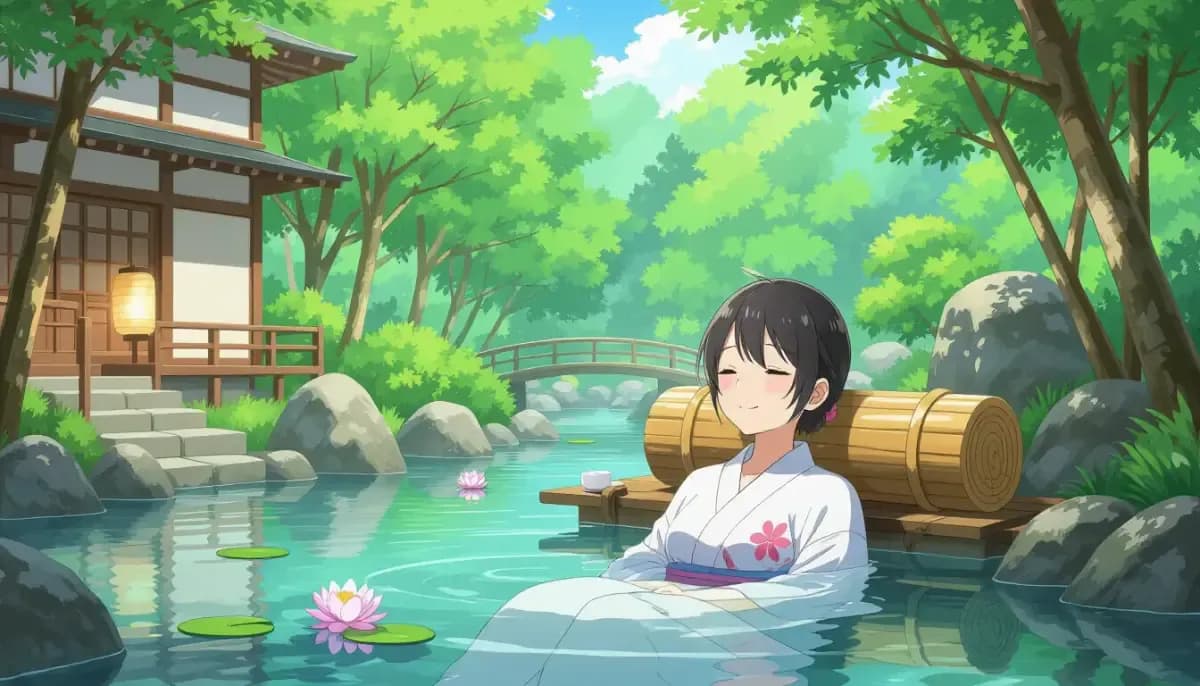
Self Care Practices and Wellness in Japan
Discover the best self-care practices and wellness traditions in Japan for foreigners — from onsen and shinrin-yoku to mental health resources and meditation. Build your routine today.
Read more →