
Types of Japan Work Visas Explained for Foreigners

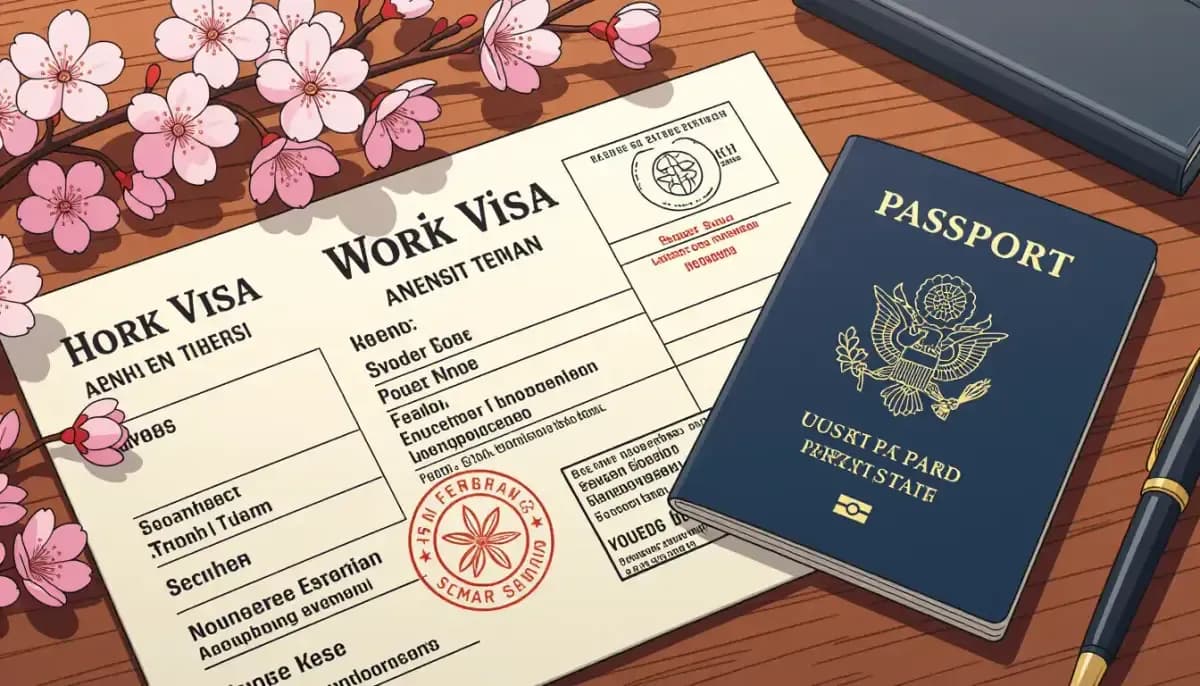
Complete guide to all Japan work visa types including Engineer, Highly Skilled Professional, Specified Skilled Worker, and Digital Nomad visas with requirements, costs, and application steps.
Types of Japan Work Visas Explained for Foreigners
Japan has become one of the most attractive destinations for foreign professionals, with the number of foreign workers reaching a record 2.6 million as of October 2025 — a figure that has grown for 13 consecutive years. Whether you are an engineer, teacher, business owner, or skilled worker, understanding the different types of work visas available is essential before making your move. This guide breaks down every major Japan work visa category, requirements, and how to choose the right one for your situation.
For a broader overview of the entire Japanese immigration system, check out our Complete Guide to Japan Visa and Immigration.
Overview of Japan's Work Visa System
Japan has approximately 30 different visa categories, each with specific requirements and authorized activities. Unlike some countries that offer a single general work permit, Japan ties your visa directly to your job type and qualifications. This means you cannot freely switch between unrelated occupations without changing your visa status.
The key principle to understand is that you must secure a job offer from a Japanese employer before applying for a work visa. Your employer then applies for a Certificate of Eligibility (COE) from the Immigration Services Agency on your behalf. Once approved, you use the COE to obtain the actual visa stamp at a Japanese embassy or consulate in your home country.
For a comprehensive guide to visa and residency basics, visit Living in Nihon's visa guide or For Work in Japan's residence status guide.
Most Common Work Visa Categories
The following are the work visa types most frequently used by foreigners working in Japan:
Engineer / Specialist in Humanities / International Services (技術・人文知識・国際業務)
This is the most popular work visa category for foreign professionals. It covers three broad areas under a single visa:
- Engineer: IT engineers, software developers, mechanical engineers, and other technical roles
- Specialist in Humanities: Economists, legal professionals, accountants, and similar knowledge workers
- International Services: Translators, interpreters, language teachers at private companies, marketing specialists, and designers
Requirements: A university degree (or 10+ years of relevant experience) and a job offer matching your qualifications.
Highly Skilled Professional (高度専門職)
Japan's points-based visa for top talent. You earn points based on your education, work experience, salary, age, and achievements. Scoring 70+ points qualifies you, with benefits including:
- A 5-year visa from the start
- Permission for your spouse to work
- Ability to bring domestic help
- Fast track to permanent residency (as little as 1 year with 80+ points)
Specified Skilled Worker (特定技能) — SSW Types 1 and 2
Created to address Japan's severe labor shortages, the SSW visa covers 16 designated industries including:
- Nursing care, building cleaning, construction
- Agriculture, fisheries, food and beverage manufacturing
- Restaurant and hospitality, aviation, automobile maintenance
- Shipbuilding, manufacturing (industrial machinery, electronics, textiles)
SSW Type 1: Up to 5 years, no family accompaniment allowed. Requires passing a skills test and Japanese language test (JLPT N4 or equivalent).
SSW Type 2: Allows indefinite renewals and family sponsorship. Available in limited fields (currently construction and shipbuilding, expanding to more).
Japan plans to accept approximately 1.23 million foreign workers under these labor migration programs through fiscal 2028.
Intra-Company Transferee (企業内転勤)
For employees transferring from an overseas office to a Japanese branch, subsidiary, or affiliate of the same company. You must have worked at the company for at least one year before the transfer.
Business Manager (経営・管理)
For those starting or managing a business in Japan. As of October 2025, requirements have been significantly tightened — the visa now requires at least ¥30 million in capital and at least one employee (previously ¥5 million was sufficient).
Professional and Specialist Visa Categories
Beyond the common categories, Japan offers several specialized work visas:
| Visa Category | Who It's For | Key Requirement |
|---|---|---|
| Professor | University teachers and researchers | Position at a Japanese university or equivalent |
| Artist | Painters, sculptors, photographers, composers | Income from artistic activities in Japan |
| Journalist | Foreign media correspondents | Contract with foreign media organization |
| Medical Services | Doctors, nurses, dentists, pharmacists | Japanese medical license/certification |
| Legal/Accounting | Attorneys, CPAs, tax accountants | Japanese professional certification |
| Researcher | Research staff at companies or institutes | Research position offer |
| Entertainer | Musicians, actors, athletes, models | Performance or event contract |
| Religious Activities | Missionaries, religious workers | Sponsorship by religious organization |
| Instructor | Teachers at elementary-high school level | Teaching position at recognized school |
| Skilled Labor | Chefs, craftspeople, sommeliers, pilots | 10+ years experience in specialty field |
For those interested in teaching English specifically, see our Complete Guide to Teaching English in Japan.
The Digital Nomad Visa
One of Japan's newest visa options, launched in 2024, the Digital Nomad Visa allows remote workers employed by companies outside Japan to live and work in the country for up to 6 months. Key requirements include:
- Annual income of at least ¥10 million (approximately $67,000 USD)
- Nationality of a country with a tax treaty with Japan
- Private health insurance coverage
- No employment with a Japanese company
This is ideal for freelancers and remote workers who want to experience life in Japan without securing a local employer. For more about freelancing in Japan, read our guide to working in Japan.
How to Apply for a Japan Work Visa: Step by Step
The application process follows a consistent pattern regardless of visa type:
- Secure a job offer from a Japanese employer (or establish your own business for the Business Manager visa)
- Employer applies for Certificate of Eligibility (COE) at the regional Immigration Bureau in Japan — processing takes 1 to 3 months
- COE is mailed to you (or your employer) once approved
- Apply for the visa at the Japanese embassy or consulate in your home country, submitting the COE along with your application
- Visa stamp is issued — typically within 5 business days
- Enter Japan and receive your residence card at the airport
The full timeline from job offer to arrival in Japan can take 3 to 6 months. For help navigating Japanese bureaucracy, see our guide to Japanese bureaucracy and paperwork.
Visa Costs and Recent Fee Changes
Immigration fees have been rising significantly. Here are the current and upcoming costs:
| Fee Type | 2024 Rate | 2025 Rate | Planned 2026 Rate |
|---|---|---|---|
| New work visa | ¥4,000 | ¥6,000 | ~¥40,000 |
| Visa renewal | ¥4,000 | ¥6,000 | ~¥40,000 |
| Change of status | ¥4,000 | ¥6,000 | ~¥40,000 |
| Permanent residency | ¥8,000 | ¥8,000 | ~¥100,000 |
These dramatic fee increases reflect Japan's record number of foreign residents and the growing cost of processing applications. Plan your visa applications carefully to avoid unnecessary changes or renewals.
For more information about managing your finances in Japan, check out our guide to banking and finance and guide to taxes.
Where Foreign Workers Are Employed in Japan
Understanding where foreign workers are concentrated can help you target your job search:
| Industry | Share of Foreign Workers |
|---|---|
| Manufacturing | 24.7% |
| Services | 15.2% |
| Wholesale & Retail | 13.3% |
| Accommodation & Food Service | 12.8% |
| Construction | 8.5% |
| Healthcare & Welfare | 6.2% |
| Other | 19.3% |
The top countries of origin for foreign workers in Japan are Vietnam (610,000 workers, 23.6%), China including Hong Kong and Macao (430,000), and the Philippines (260,000). The fastest growing groups come from Myanmar (up 42.5%), Indonesia (up 34.6%), and Sri Lanka (up 28.9%).
Tips for Choosing the Right Visa Category
Selecting the correct visa type is crucial because applying under the wrong category will result in rejection. Here are some guidelines:
- University degree + office job: Engineer/Specialist in Humanities/International Services
- High salary + advanced skills: Highly Skilled Professional (check if you score 70+ points)
- Manual labor or trade skills: Specified Skilled Worker (SSW Type 1 or 2)
- Transferring within your company: Intra-Company Transferee
- Starting a business: Business Manager (be prepared for the ¥30 million capital requirement)
- Teaching at schools: Instructor visa
- Remote work for foreign employer: Digital Nomad Visa
- Specialized profession (doctor, lawyer): Relevant professional visa with Japanese certification
If you are considering a long-term future in Japan, the Highly Skilled Professional visa offers the fastest path to permanent residency. For career planning resources, visit Ittenshoku which offers guidance on IT career transitions in Japan.
Common Mistakes to Avoid
Many visa applications are rejected due to preventable errors:
- Mismatched qualifications: Your degree or experience must align with the job duties described in the application
- Incomplete documentation: Missing a single required document can delay or derail your application
- Applying without a job offer: Japan does not issue work visas to job seekers (except through specific programs)
- Working outside your visa scope: Each visa strictly limits what work you can do — violating this can lead to deportation
- Ignoring renewal deadlines: Start the renewal process at least 3 months before your visa expires
For more about your legal rights as a foreigner in Japan, including workplace protections and what to do if issues arise, see our dedicated guide.
Conclusion
Japan's work visa system may seem complex with its many categories, but each visa type serves a specific purpose. The key is matching your qualifications and career goals with the right category. With Japan actively seeking to bring in more foreign talent — targeting 1.23 million workers through its main programs by fiscal 2028 — there has never been a better time to pursue work opportunities in Japan.
Start by reviewing the official Ministry of Foreign Affairs visa page for the latest requirements, and explore resources like Remitly's Japan Work Visa Guide and Deel's comprehensive visa guide for additional details. Then check out our Complete Guide to Moving to Japan to start planning your relocation.

Originally from Vietnam, living in Japan for 16+ years. Graduated from Nagoya University, with 11 years of professional experience at Japanese and international companies. Sharing information about living in Japan for foreigners.
View Profile →Related Articles

Japan Designated Activities Visa Guide
Complete guide to Japan's Designated Activities visa covering job hunting, No. 46, J-FIND, digital nomad, and working holiday categories with requirements and application steps for foreigners.
Read more →
Japan Long Term Resident Visa Explained
Everything you need to know about Japan's Long-Term Resident Visa (teijusha): eligibility categories, application process, required documents, and how it compares to permanent residency.
Read more →
How to Change Your Visa Status in Japan
Complete guide to changing your visa status of residence in Japan. Learn the step-by-step application process, required documents, fees, processing timeline, and 2025-2026 immigration updates for foreigners.
Read more →
Common Japan Visa Application Mistakes to Avoid
Discover the most common Japan visa application mistakes that lead to rejection. Learn how to avoid documentation errors, wrong visa categories, and weak financial proof to get approved.
Read more →
Japan Business Manager Visa Requirements and Process
Complete guide to Japan's Business Manager Visa in 2026. Learn about the new 30 million yen capital requirement, application process, documents needed, and tips for approval as a foreign entrepreneur.
Read more →
Japan Dependent Visa for Family Members Guide
Complete guide to Japan's Dependent Visa for family members. Learn about eligibility, required documents, financial requirements, application process, work restrictions, and renewal procedures for bringing your spouse and children to Japan.
Read more →